Pakistan’s emergence as a nuclear power on May 28, 1998, was shaped by deep security anxieties following the 1971 war and India’s 1974 nuclear test. Spearheaded by leaders like Zulfikar Ali Bhutto and advanced under military stewardship, the program combined scientific innovation—led by Dr. A.Q. Khan—with a covert procurement network. The 1998 Chagai tests, responding to India’s Pokhran-II, marked Pakistan’s entry into the nuclear club, framed as a bid to restore regional strategic balance. Despite immediate sanctions, international responses soon softened. Nuclearization has since fostered a fragile deterrence in South Asia—curbing full-scale war while enabling low-intensity conflict, encapsulating the region’s enduring “stability-instability paradox.

![Deputy Commander of the Land Forces of the Azerbaijan Army and Pakistan Army delegation strengthen military ties, sign staff talks deal to boost joint exercises and expertise. [Image via Azerbaycan 24]](https://southasiatimes.org/wp-content/uploads/2025/02/17376328292022930338_1200x630-1737703323-300x300.webp)
![Pakistani troops clash with Baloch insurgents in Kalat of Balochistan, leaving 18 security personnel and 23 rebels dead in heavy fighting. [Image via AP]](https://southasiatimes.org/wp-content/uploads/2025/02/dims.apnews10-300x300.webp)
![AIMIM Chief Asaduddin Owaisi warns against the Waqf Bill, 2024, calling it a threat to social stability and religious rights. [Image via NDTV]](https://southasiatimes.org/wp-content/uploads/2025/02/emtu79i_asaduddin-owaisi-_625x300_23_January_25-300x300.webp)
![U.S. aircraft carrier USS Carl Vinson docks in Busan, reinforcing military ties with South Korea amid tensions with North Korea. [Image via AFP]](https://southasiatimes.org/wp-content/uploads/2025/03/42baf927-ddfa-4781-84f1-3006499568ab_w1023_r1_s-300x300.webp)
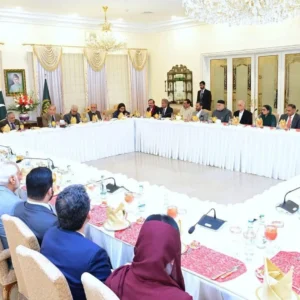
![FIFA lifts suspension after Pakistan Football Federation approves reforms, allowing the team to play in 2027 Asian Cup qualifiers. [Image via The Nation]](https://southasiatimes.org/wp-content/uploads/2025/03/fifa-lifts-suspension-on-pakistan-football-federation-1740984112-3682-300x300.webp)
![BIMSTEC Summit 2025 kicks off in Bangkok with key agreements, regional cooperation talks, and Oli's bilateral meetings. [Image via The Kathmandu Post/File]](https://southasiatimes.org/wp-content/uploads/2025/04/thumb9-300x300.webp)
![Pakistan steps up Afghan deportations, expelling 777 via Torkham as part of ongoing crackdown on undocumented migrants. [Image via SAT Creatives]](https://southasiatimes.org/wp-content/uploads/2025/04/SAT-Web-Banners-121-300x300.png)
![US revokes visas for South Sudanese passport holders amid deportation row; rising violence sparks civil war fears. [Image via Getty Images/File]](https://southasiatimes.org/wp-content/uploads/2025/04/GettyImages-1266429167-1743925627-300x300.webp)
![Chess pieces with Pakistan and India symbols face off amid an explosion, symbolizing rising tensions and Pakistan’s full-spectrum diplomacy manoeuvre. [Image via The Diplomat].](https://southasiatimes.org/wp-content/uploads/2025/05/thediplomat-2020-02-26-7-300x300.jpg)




![Rising tensions and a multipolar world challenge stability in the Asia-Pacific region. [Image: Foreign Policy Illustration]](https://southasiatimes.org/wp-content/uploads/2024/03/china-us-3d-chess-iStock-175480001b-article-300x300.webp)
![As per Iranian state media, Iran deployed air defense batteries, shooting down three drones over Isfahan amid escalating tensions post-retaliatory strike on Israel [Al Jazeera].](https://southasiatimes.org/wp-content/uploads/2024/04/2024-04-19T115955Z_1359815626_RC2N97A3WZN2_RTRMADP_3_ISRAEL-PALESTINIANS-IRAN-1713533481-300x300.webp)
![18th Lok Sabha Elections in India: Voters line up to cast their ballots during phase one of Assam's state election in Koliabor [Dibyangshu Sarkar/AFP].](https://southasiatimes.org/wp-content/uploads/2024/04/000_96V298-300x300.webp)
![Erosion of India's democracy: Mohandas K. Gandhi, India's Prime Minister Narendra Modi and Hindu extremist Nathuram Godse, who assassinated Gandhi. [Washington Post illustration; AP]](https://southasiatimes.org/wp-content/uploads/2024/04/imrs-1-300x300.webp)

![As India reflects on a decade of Modi in the Prime Minister's Office, the journey reveals a troubling trajectory [Image via Reuters].](https://southasiatimes.org/wp-content/uploads/2024/05/2022-08-15T072754Z_114745352_RC2PWV9C3995_RTRMADP_3_INDIA-INDEPENDENCEDAY-300x300.webp)
![Pakistan’s Youm-e-Takbeer, marking the 1998 nuclear tests, signifies not just a scientific feat but also embodies Pakistan’s national character [Image via Dawn Images].](https://southasiatimes.org/wp-content/uploads/2024/05/6292e48f594c9-300x300.webp)
![Pakistan's SIFC celebrates one year with early FDI wins, but can it overcome challenges to unlock lasting economic growth? [Image via SAT Creatives].](https://southasiatimes.org/wp-content/uploads/2024/06/SAT-Web-Banners-18-300x300.webp)
![Blasphemy was weaponised in Pakistan due to social and political divisions: How did this happen, and can the country find a way to heal? [Image via SAT Creatives]](https://southasiatimes.org/wp-content/uploads/2024/06/SAT-Web-Banners-19-300x300.webp)
![Russian President Vladimir Putin attends a concert at the Hanoi Opera House in Vietnam, June 20, 2024 [lmage via Reuters]](https://southasiatimes.org/wp-content/uploads/2024/06/LJ4RXE6DH5KJXLFUCXOD6OSDFY-300x300.webp)
![At its core, what defines Kashmir's identity? Kashmiri women look through a window in Pulwama, South Kashmir amid crisis. [Image via PTI]](https://southasiatimes.org/wp-content/uploads/2024/07/SAT-Web-Banners-21-300x300.webp)

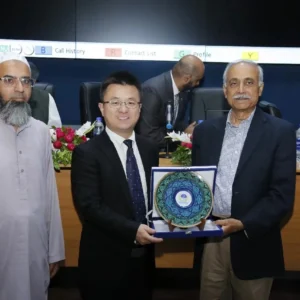


![Jammu & Kashmir: The Neelam River flows between Pakistan and India administered Kashmir in Teetwal [Reuters].](https://southasiatimes.org/wp-content/uploads/2024/08/2022-08-12T101952Z_138878240_RC2WSV9LQZ6K_RTRMADP_3_INDIA-PAKISTAN-INDEPENDENCEDAY-300x300.webp)
![The UN Human Rights Committee's review challenges the image of India’s democracy, uncovering systemic abuses and global repression. [Illustration by Nithya Subramanian via Scroll]](https://southasiatimes.org/wp-content/uploads/2024/09/128956-dedqtlwlvc-1570868544-300x300.webp)

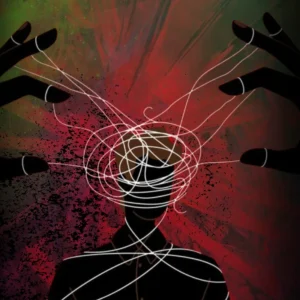
![Behind every crisis lies a Manufactured Crisis narrative, crafted to uphold power structures and maintain the status quo. [SAT Creatives]](https://southasiatimes.org/wp-content/uploads/2024/10/Manufactured-Crisis-1-300x300.webp)


![Is tenure extension of services chiefs and increasing Supreme Court judges a smart move for stability, or does it risk too much power in one place? [Image via National Assembly of Pakistan]](https://southasiatimes.org/wp-content/uploads/2024/11/national-assembly-300x300.webp)


![Bangladesh summons India's envoy after consular building attack amid rising tensions over Hasina's ouster and Hindu minority protests. [Image via DW]](https://southasiatimes.org/wp-content/uploads/2024/12/70952161_1004-300x300.webp)
![AJK forms a committee to address public concerns over the controversial 'Peaceful Assembly and Public Order Ordinance 2024'. [Image via Dawn]](https://southasiatimes.org/wp-content/uploads/2024/12/03083051f934d17-300x300.webp)
![Pakistan and Iran agree to deepen bilateral cooperation in all spheres during a meeting on the ECO Council of Ministers' sidelines. [Image via APP]](https://southasiatimes.org/wp-content/uploads/2024/12/Iran1-1024x634-1-300x300.webp)
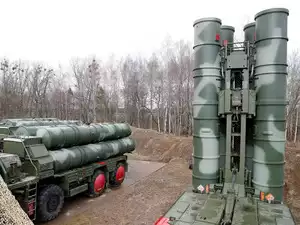

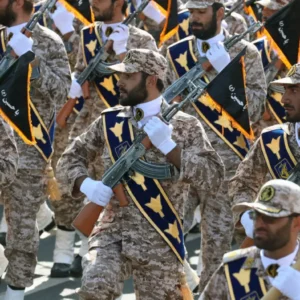














![Migrant workers usually leave India for Nepal in October and return home around April. This time, the ongoing pandemic hampered their return [Al Jazeera].](https://southasiatimes.org/wp-content/uploads/2020/07/Migrant-workers-300x300.webp)
![India has ranked 168th out of 180 in the 2020 Environmental Performance Index (EPI); the country faces serious environmental health risks [Al Jazeera]](https://southasiatimes.org/wp-content/uploads/2020/07/000_8V9346-300x300.webp)