Central Asia

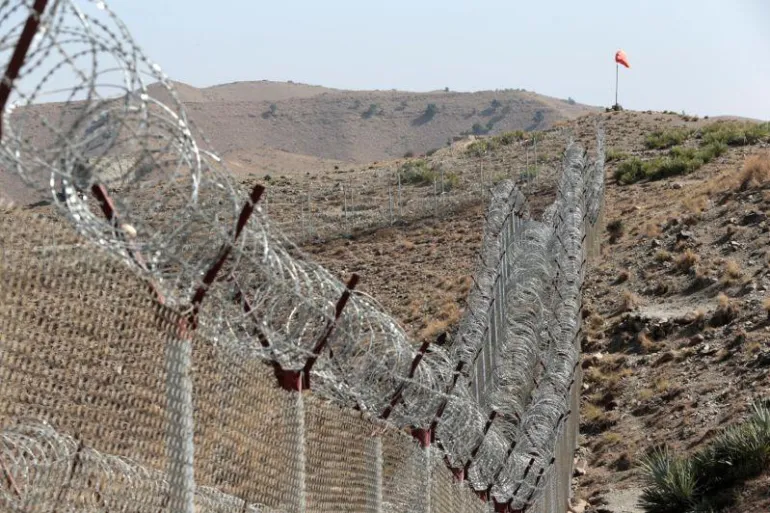
Durand Line – A Binding International Border

The Myth of the Disputed Line: Why Afghan Pragmatism is Finally Overturning Populist Rhetoric

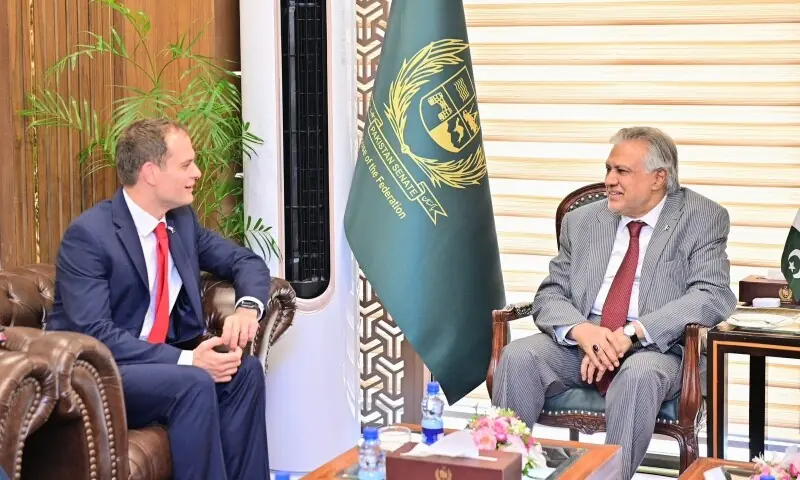
A transformative shift is emerging in Afghan political discourse as leaders like Mohammad Tahir Zuhair and the National Resistance Front (NRF) move toward formal recognition of the Durand Line. By prioritizing “historical realism” over populist rhetoric, these voices suggest that nearly 80% of Afghans seek peace and trade over territorial disputes. This shift offers a rare opportunity to transition Pak-Afghan relations from decades of suspicion to a strategic partnership rooted in internationally recognized boundaries. A transformative shift is emerging in Afghan political discourse as leaders like Mohammad Tahir Zuhair and the National Resistance Front (NRF) move toward formal recognition of the Durand Line. By prioritizing “historical realism” over populist rhetoric, these voices suggest that nearly 80% of Afghans seek peace and trade over territorial disputes. This shift offers a rare opportunity to transition Pak-Afghan relations from decades of suspicion to a strategic partnership rooted in internationally recognized boundaries.

Read More »
As instability spreads from Afghanistan’s north, Tajikistan faces renewed militant pressure, exposing the limits of regional security guarantees and Taliban governance.

The Return of Insurgency in Central Asia

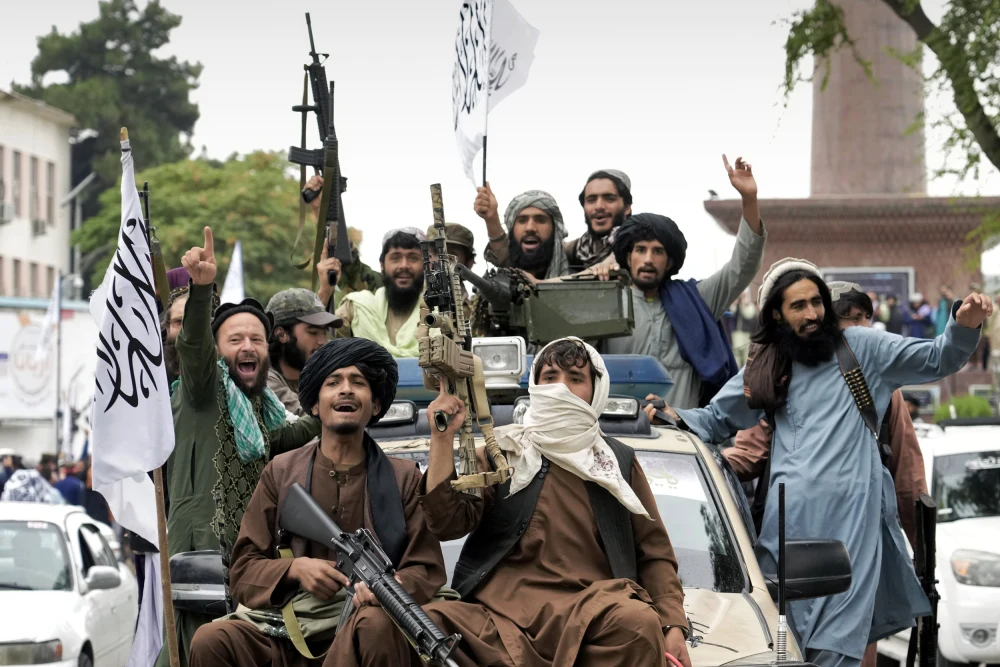
A series of cross-border incidents along the Afghanistan–Tajikistan frontier has raised fears of a renewed insurgent threat in Central Asia. As militant networks regroup in northern Afghanistan, regional governments are questioning long-held assumptions about Taliban governance, Russian security guarantees and the durability of the post-Soviet order.

Read More »
The New Road to Central Asia

The New Road to Central Asia

After the U.S. withdrawal from Afghanistan, Pakistan offers a vital overland corridor to Central Asia, unlocking trade, stability, and strategic influence.

Read More »