Is This the Pakistan Dreamt of by Allama Iqbal?
Allama Iqbal’s vision was never of a static territory but of a dynamic, evolving spirit. Often described as the Musawwir-e-Pakistan (The Painter of Pakistan), Iqbal

Allama Iqbal’s vision was never of a static territory but of a dynamic, evolving spirit. Often described as the Musawwir-e-Pakistan (The Painter of Pakistan), Iqbal

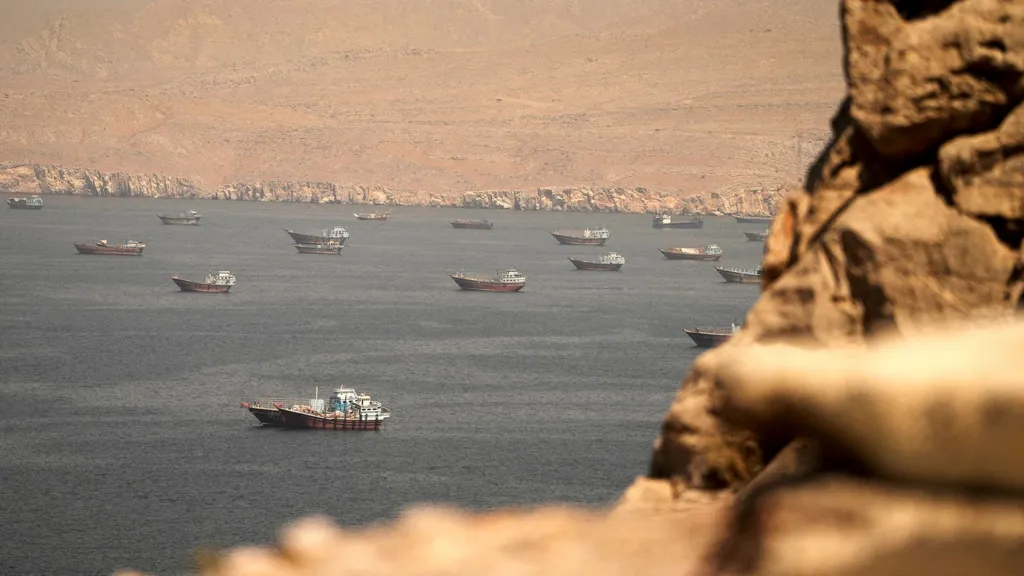
An in-depth analysis of the US naval blockade on Iran, examining its legal basis, strategic intent, and potential impact on the Strait of Hormuz, global energy markets, and regional stability.

A critical analysis of India’s 2025 defence reforms, examining military modernisation, rising defence spending, indigenous production challenges, and structural limitations in achieving operational effectiveness in South Asia.

Explore the strategic proposal for a Pak-Afghan buffer zone to counter border threats. This feature examines international law justifications and the IMCTC’s role in regional security

From Soleimani to Khamenei, targeted killings are becoming a central tool of statecraft. This article examines their legality, strategic logic, and implications for international law.

Cheap yet lethal drones are transforming modern warfare by enabling weaker states to challenge technologically superior militaries. Iran’s use of Shahed drones illustrates how cost-effective UAVs are redefining the power balance in contemporary conflicts.

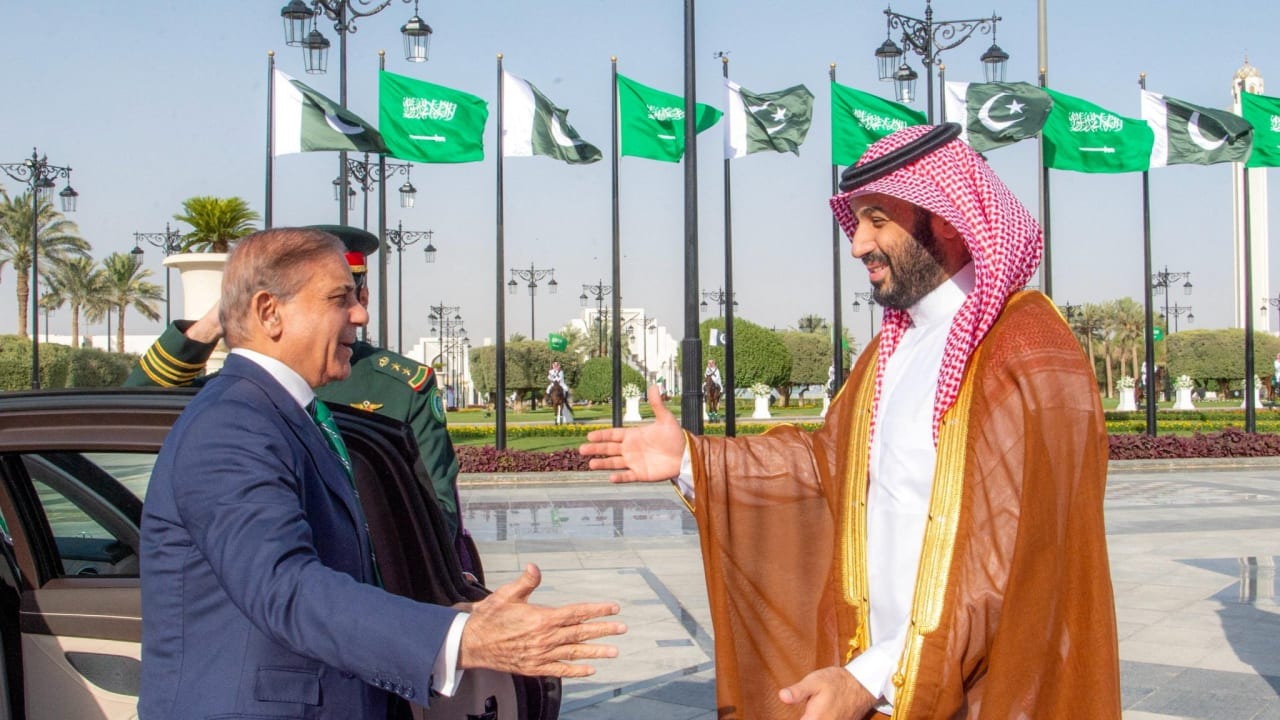
: Pakistan helped halt Iran’s strikes on the Gulf states, but the real test begins now. Can Islamabad balance diplomacy, deterrence, and its Saudi defense pact?

The crash of an Indian Air Force Su-30 in Assam highlights the IAF’s long history of aircraft accidents, maintenance challenges, and declining squadron strength.

Discover why US-Israel air strikes on Iran during Operation Epic Fury will fail to force regime change due to airpower limitations
Content Category: Commentary

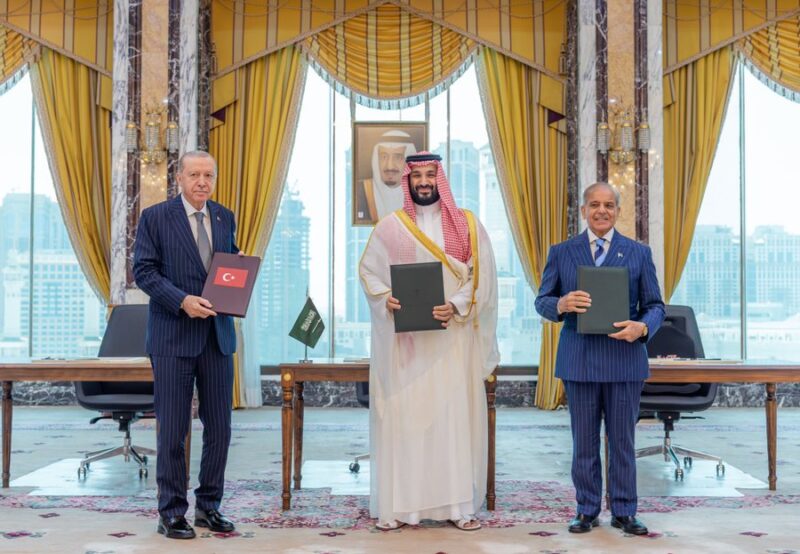
In a rapidly fragmenting global order, Pakistan, Turkey, and Saudi Arabia are exploring a trilateral defense arrangement that could redefine regional security architectures. Often dubbed an Islamic NATO, the proposed pact reflects a broader shift by middle powers toward strategic autonomy as US security guarantees wane. This convergence signals the merging of Middle Eastern and South Asian strategic theaters into a single geopolitical map.