Six years in the making, Pakistan’s justice has spoken and the world has noticed.
On the night of September 9, 2020, a woman traveling with her children on the Sialkot-Lahore Motorway found herself stranded after her car ran out

On the night of September 9, 2020, a woman traveling with her children on the Sialkot-Lahore Motorway found herself stranded after her car ran out

There is something worth pausing on when a two-month-old organization, with no published research record and no established academic footprint, manages to co-brand an international

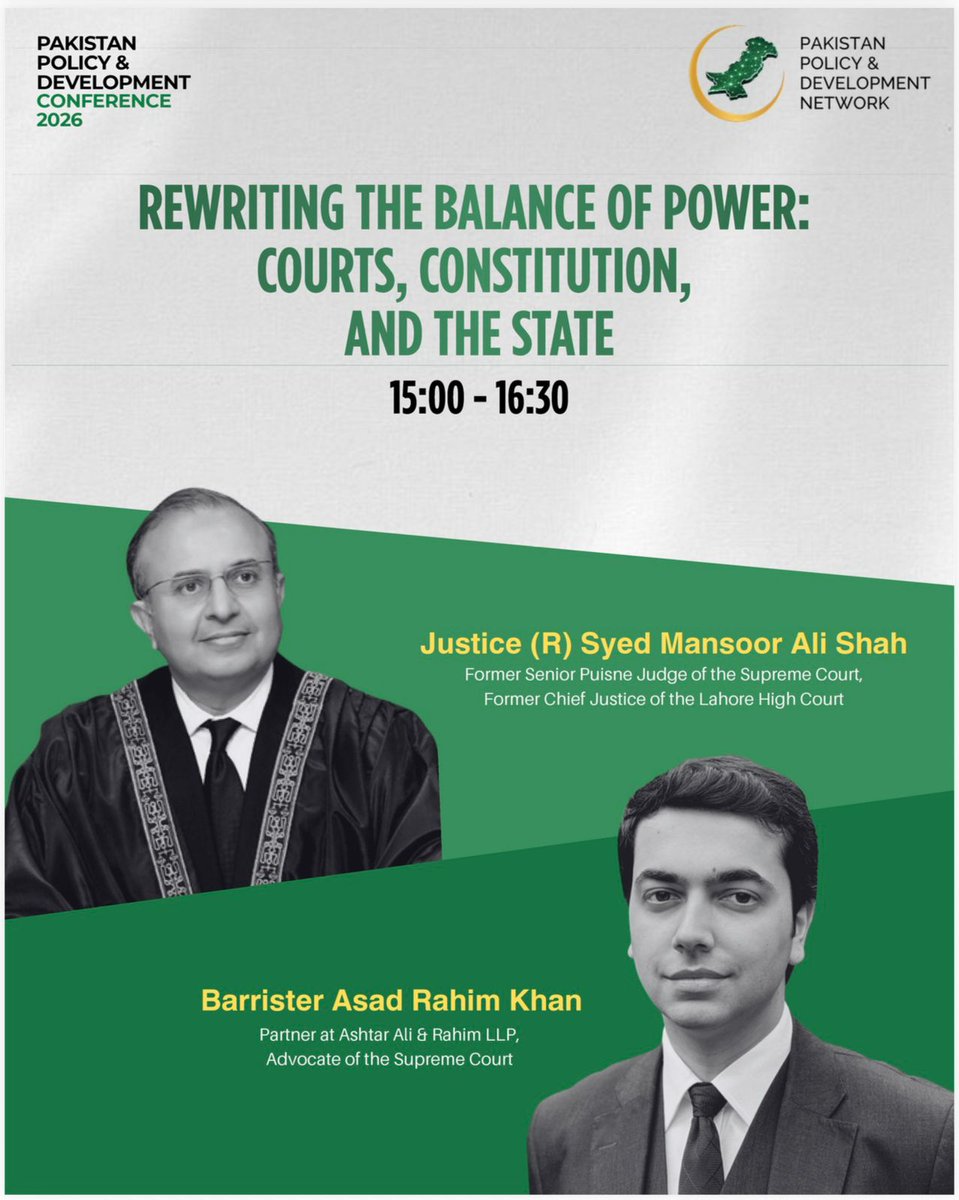
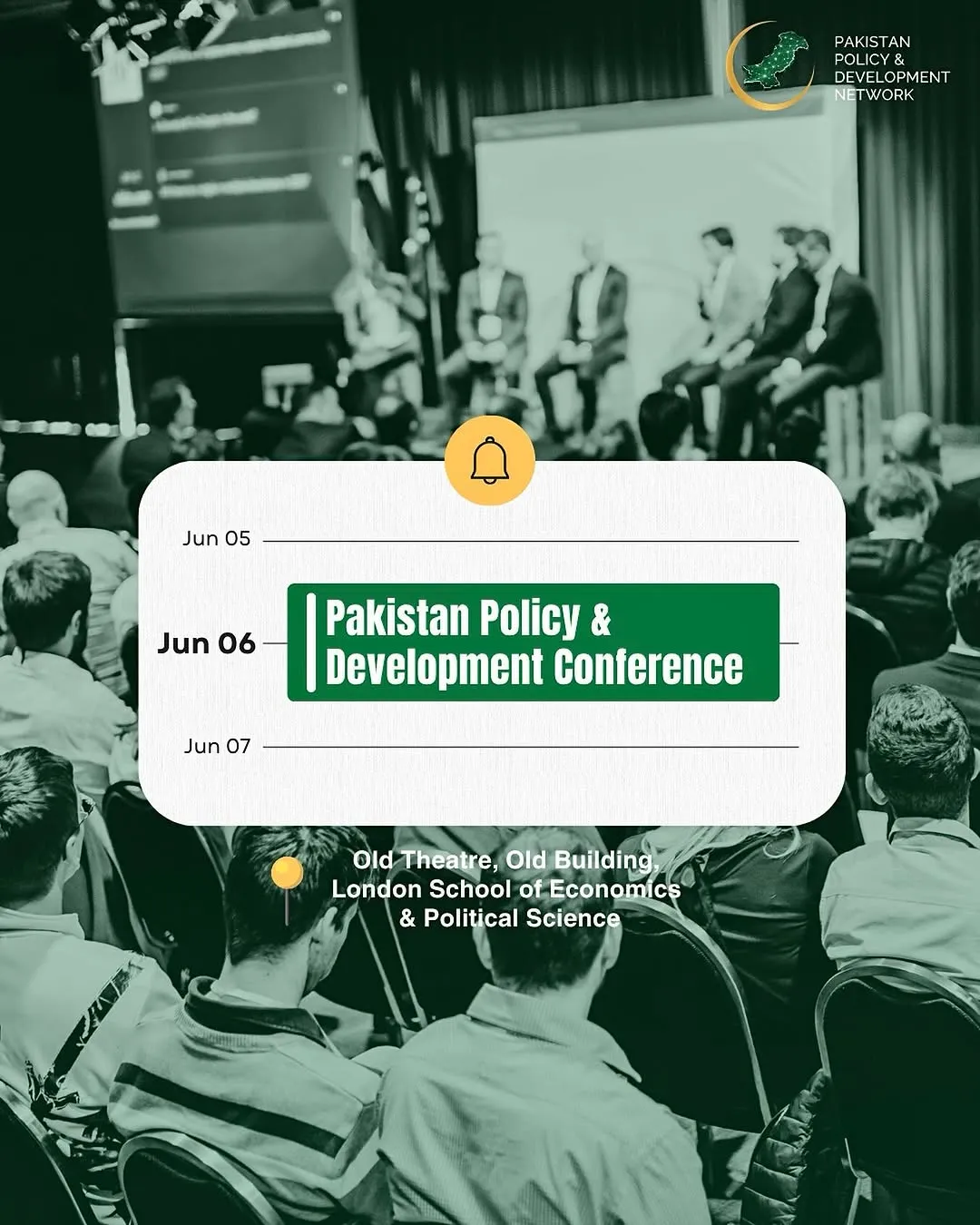
The announcement of the Pakistan Policy and Development Conference 2026 in London, organized by the Pakistan Policy and Development Network (PPDN) in collaboration with the

A recent social media post by Visegrad24 amplified a narrative of a U.S.-based activist, Aaron Hutchings, “freeing” a family from supposed 140-year bonded labour in

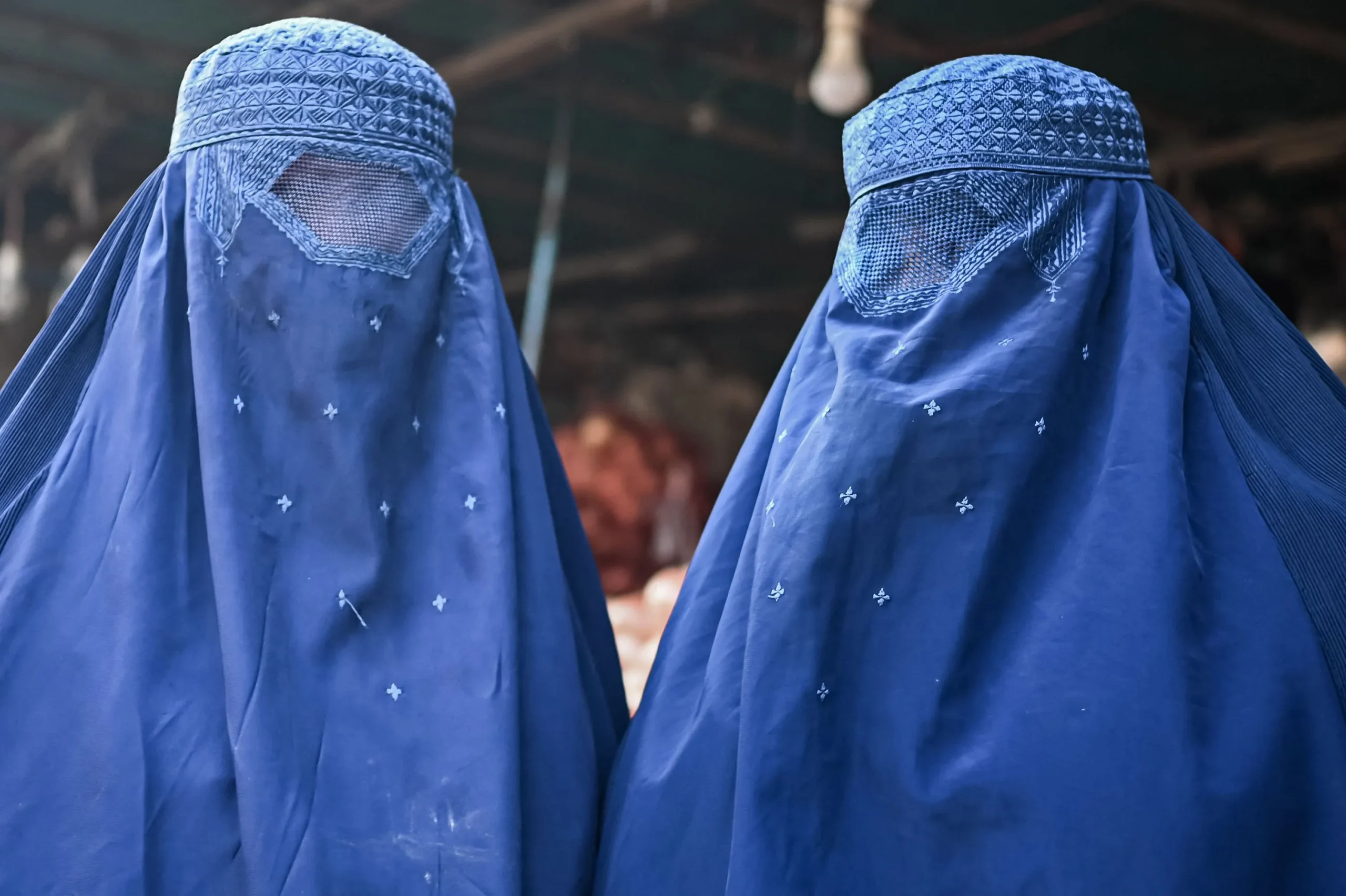
 Explore how Khaled Hosseini’s The Kite Runner and A Thousand Splendid Suns serve as grim prophecies for Afghanistan in 2026, mirroring the current humanitarian crisis, gender repression, and refugee struggles.

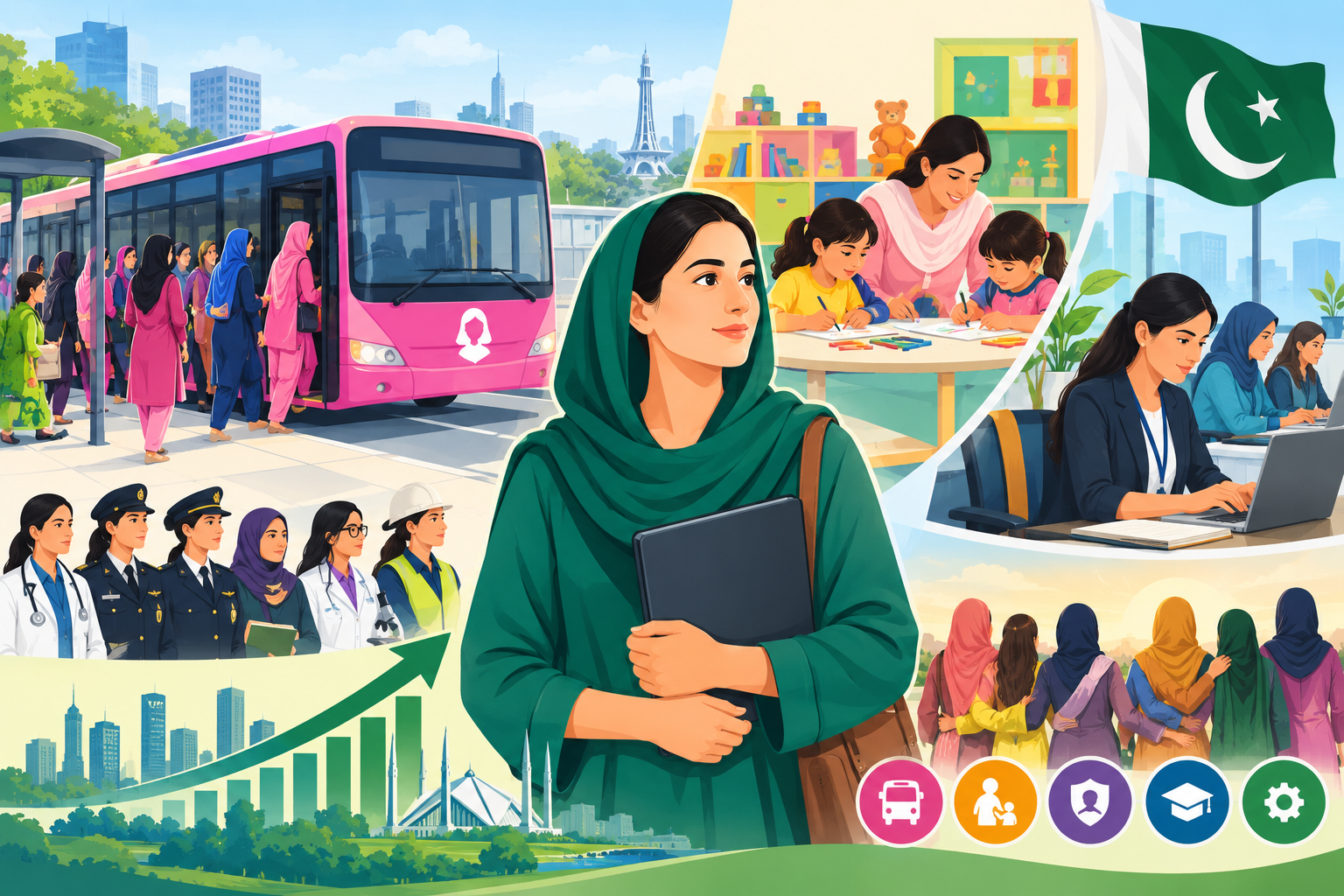
As 25,000 female professionals vanish by 2030, the cost of inaction threatens the country’s health, education, and economic survival.

The attack on a Victorian Imam and his wife in Melbourne is not an isolated crime but the logical outcome of a political climate that has normalized Islamophobia. As anti-Muslim rhetoric moves from the fringes into mainstream Western discourse, religious identity is recast as a security threat, creating the conditions for violence and unequal protection under the law.

The forcible removal of a Muslim woman doctor’s hijab by Bihar’s Chief Minister was not an isolated lapse of conduct but a revealing moment in India’s evolving political culture. It underscored how majoritarian ideology increasingly normalizes the public humiliation of minorities, particularly Muslim women, and weakens constitutional guarantees of equality, religious freedom, and personal dignity.

Sindh is home to at least 16 distinct languages, yet official recognition remains limited to Vicholi Sindhi. This marginalization threatens cultural heritage, deepens social inequalities, and obscures the province’s rich linguistic mosaic. Reforming policies to include all regional tongues is essential for inclusivity and unity.

For generations of the Pakistani diaspora, belonging in the West has felt conditional, while Pakistan remains both a sanctuary and a source of frustration. Their lived experiences, shaped by partition memories, racial hostility abroad, and continued engagement with Pakistan, reveal a paradox of love, responsibility, and disillusionment.