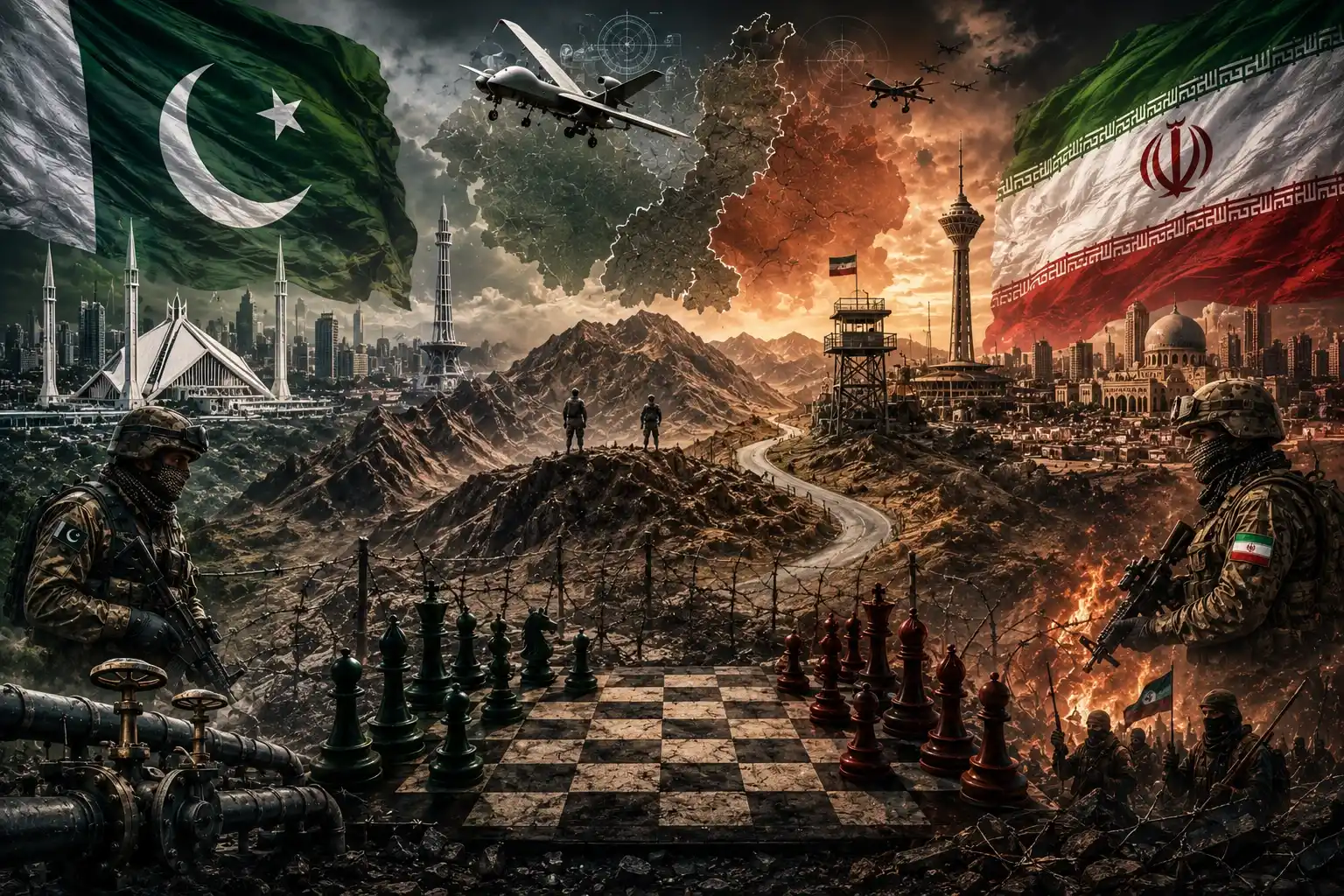
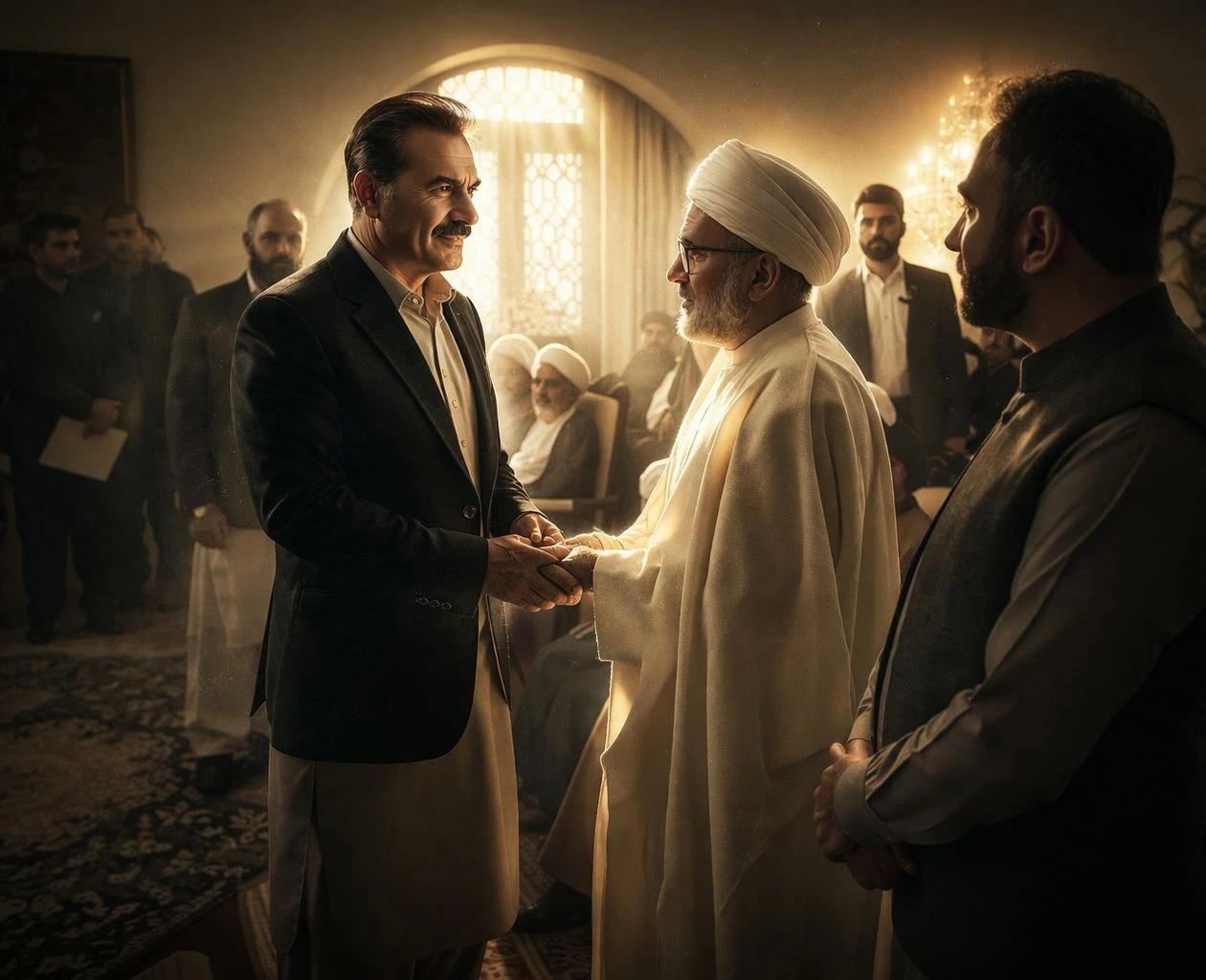
Pakistan, Iran, and the Politics of Permanent War
By poisoning diplomatic openings with selective framing and propaganda, the “war lobby” deliberately sabotages peace efforts to favor military escalation over a negotiated settlement

By poisoning diplomatic openings with selective framing and propaganda, the “war lobby” deliberately sabotages peace efforts to favor military escalation over a negotiated settlement

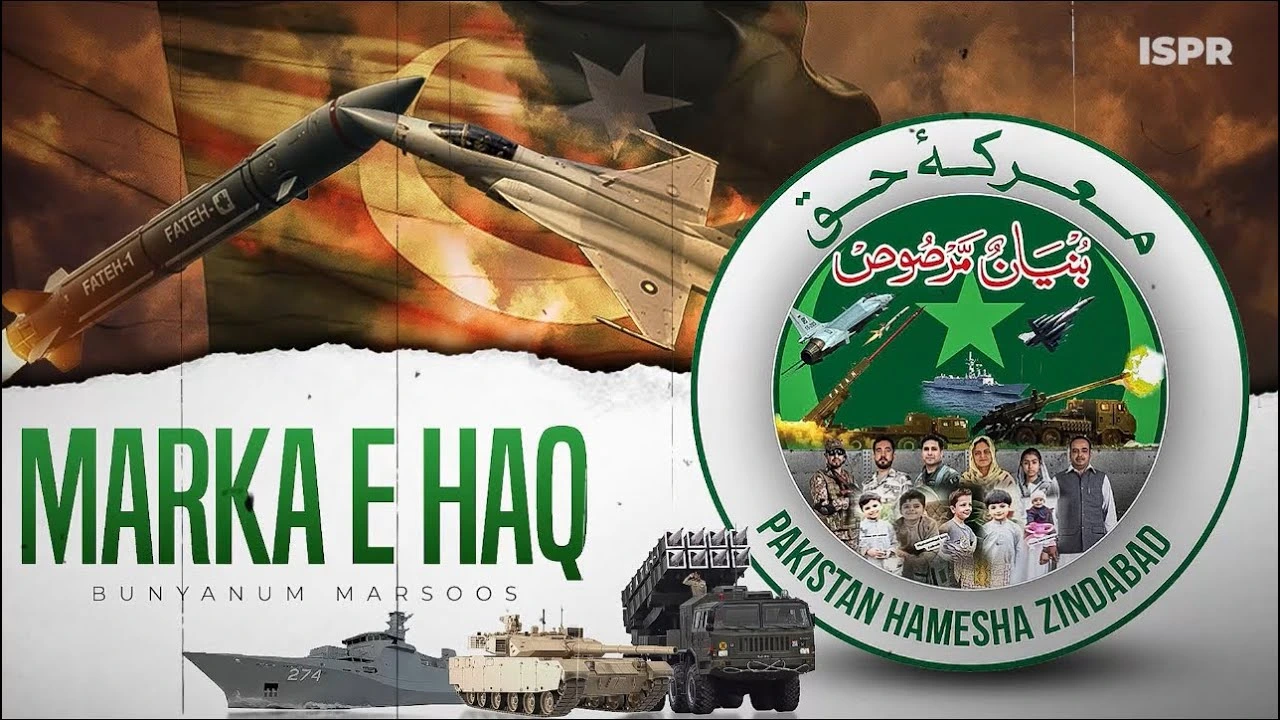
One year after Marka-e-Haq, this analysis examines the Pakistan Air Force’s transformation in air power, multi-domain warfare, deterrence strategy, and the enduring vision of Quaid-e-Azam and Air Marshal Asghar Khan in shaping Pakistan’s modern defence doctrine.

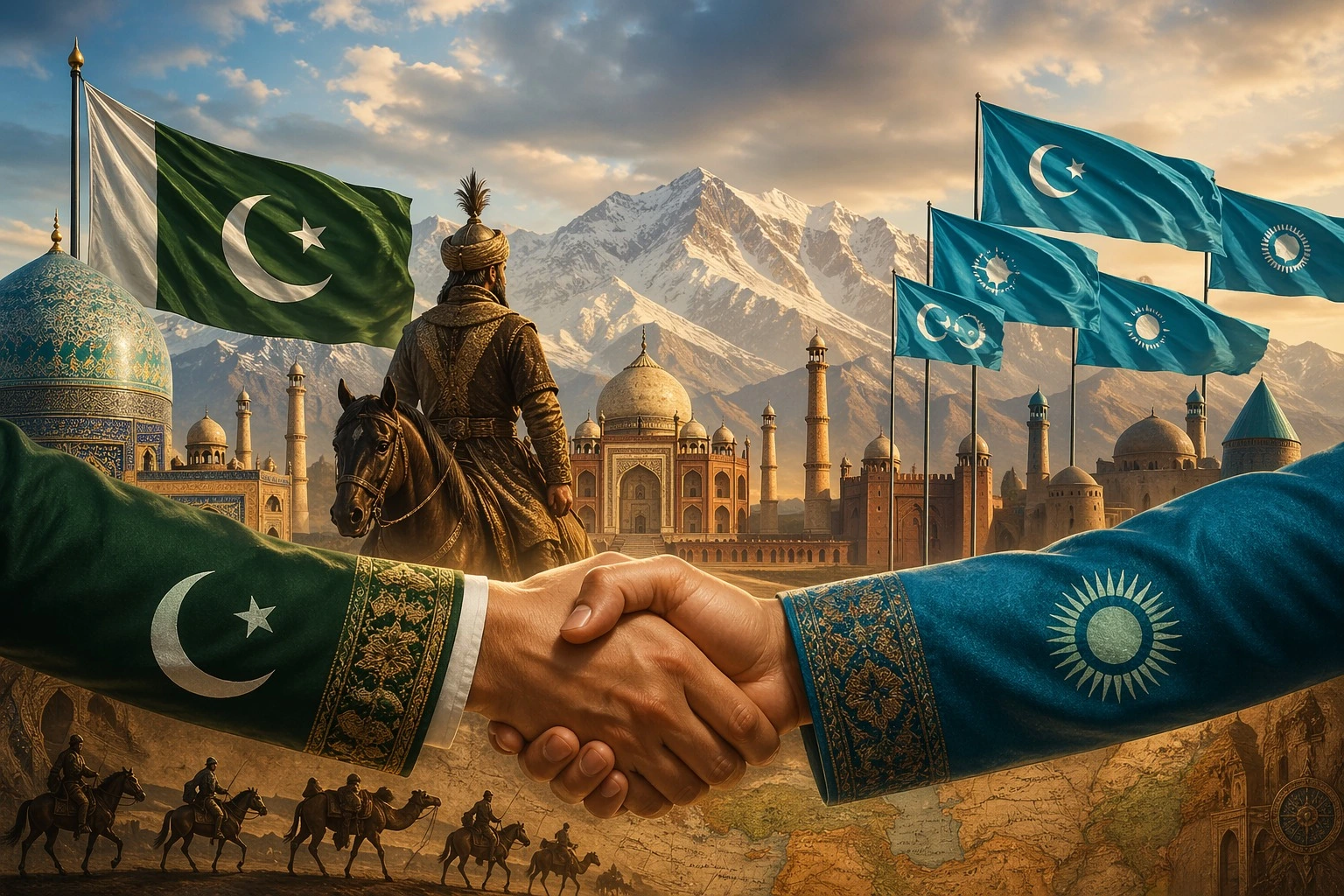
Pakistan’s integration into the Organisation of Turkic States (OTS) is rooted in centuries of shared history, Turkic heritage, and strategic cooperation. This feature explores the cultural, legal, and geopolitical case for Pakistan’s inclusion in the Turkic world order.

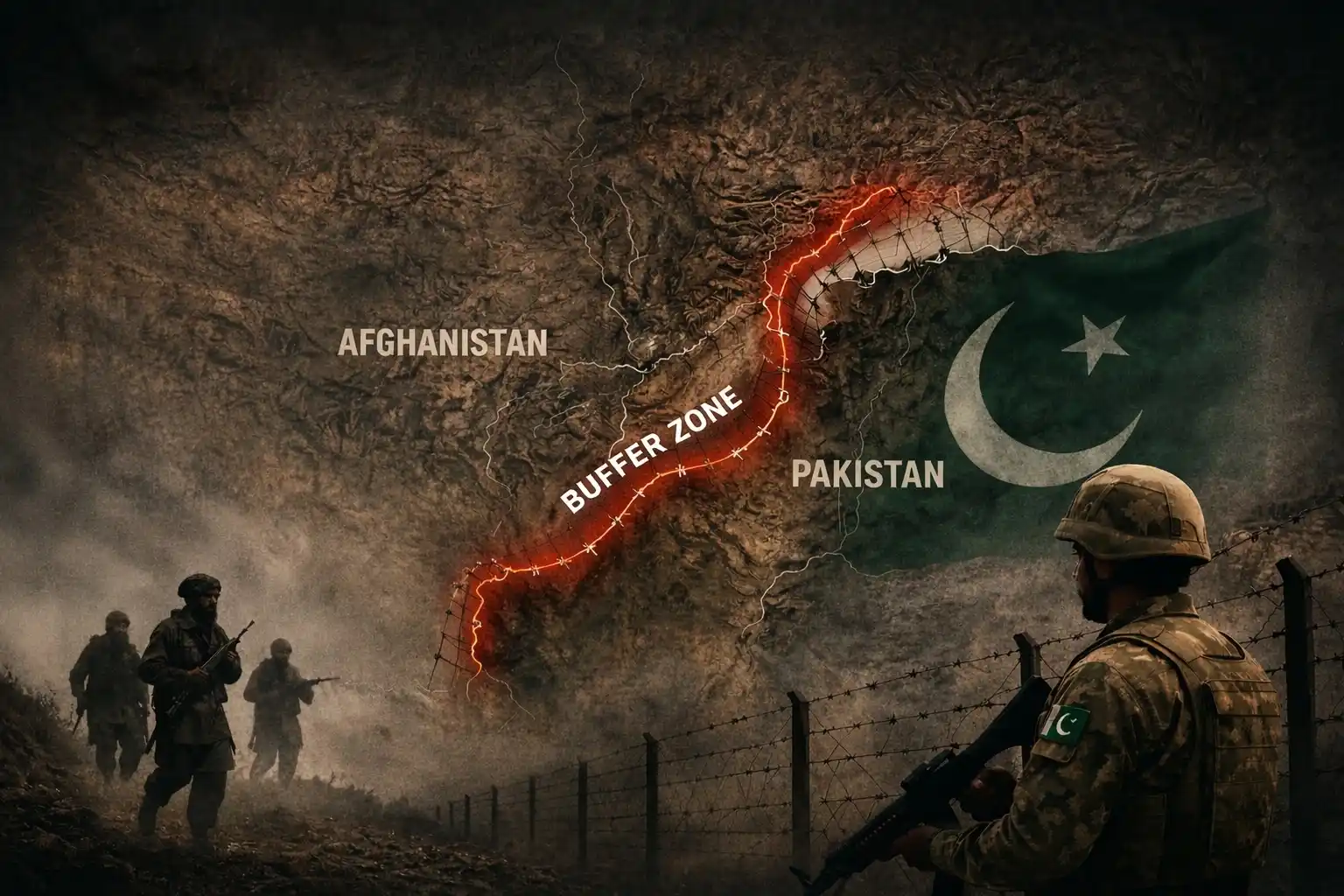
Explore the strategic proposal for a Pak-Afghan buffer zone to counter border threats. This feature examines international law justifications and the IMCTC’s role in regional security

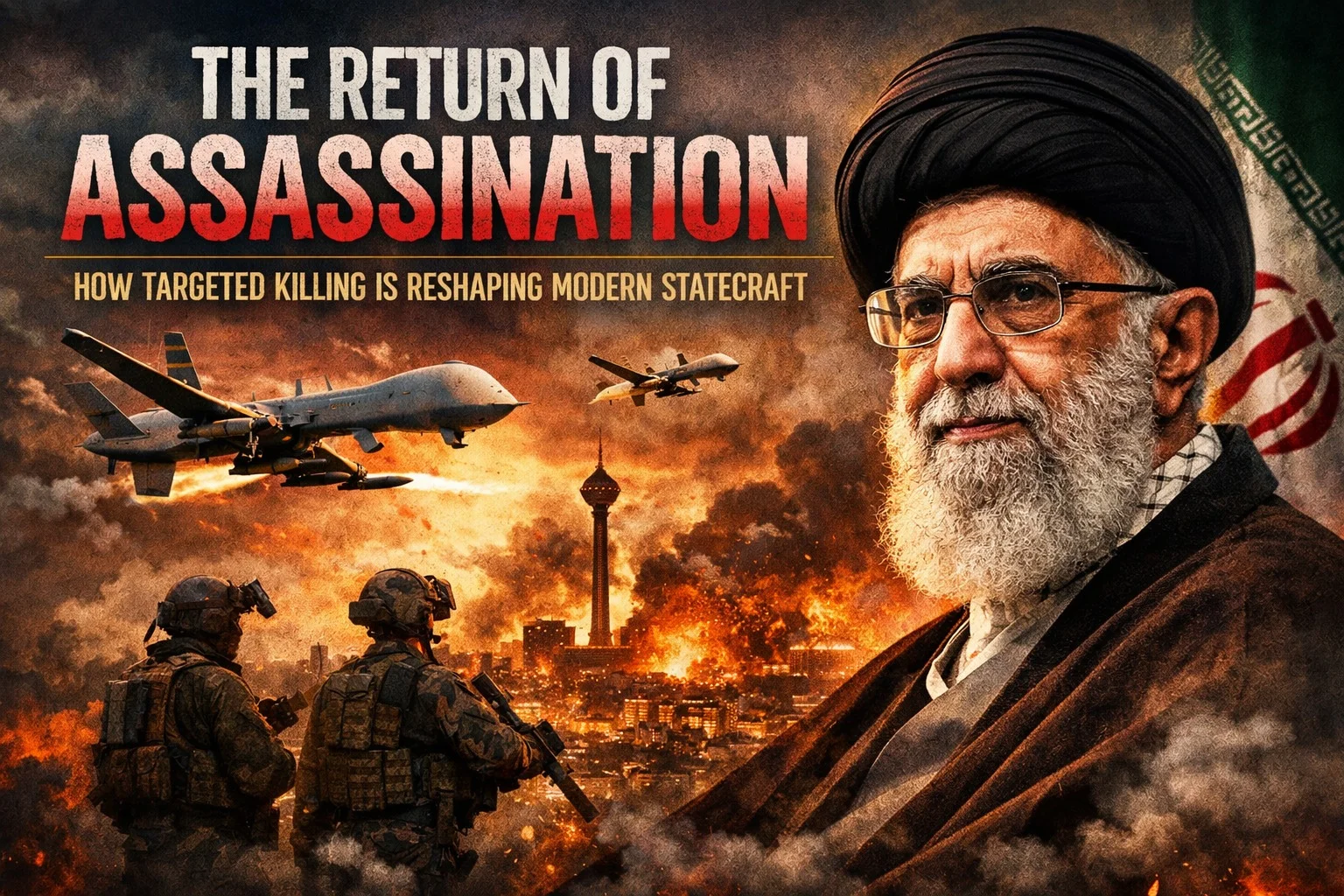
From Soleimani to Khamenei, targeted killings are becoming a central tool of statecraft. This article examines their legality, strategic logic, and implications for international law.

A hard-hitting analysis of how the idea of the Ummah is weaponized in geopolitics, and why Pakistan continues to bear the human, economic, and strategic costs of conflicts that are not its own.

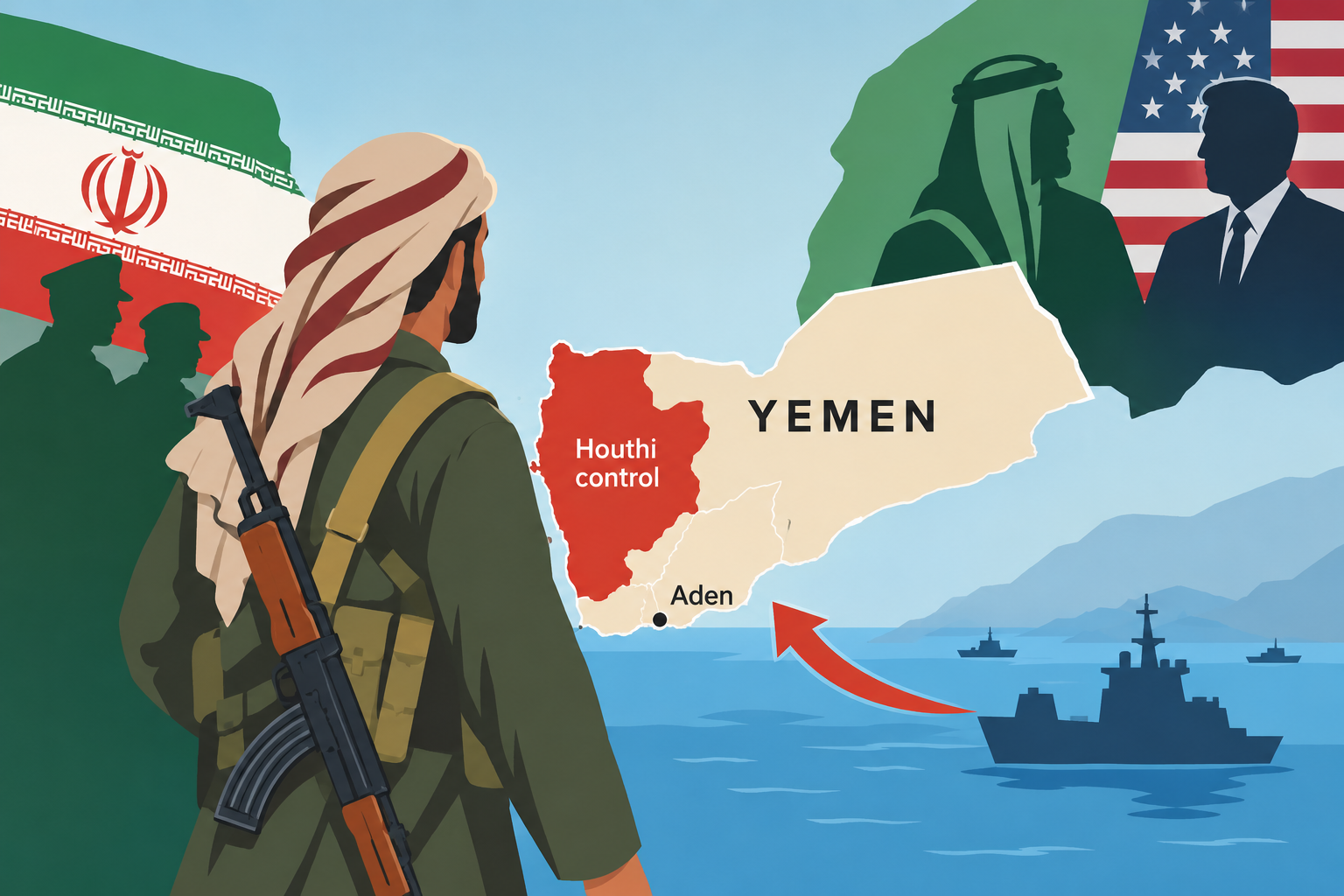
An analysis of how Iran’s four decades of proxy warfare, regional destabilization, and strategic miscalculations culminated in the current conflict with the United States and Israel, reshaping the Middle Eastern security landscape.

Explore how the 2025 Saudi-Pakistan Strategic Mutual Defense Agreement (SMDA) signals a return to “organized ambiguity” in the Gulf, challenging India’s diplomatic assumptions and reshaping South Asian geopolitics.

An analysis of how messianic and apocalyptic beliefs influence Zionist strategic thinking and why Muslim states must integrate ideological and eschatological analysis into their policy formulation toward Israel and the Middle East.

ISKP–Taliban–TTP dynamics explain post-2021 militancy, leadership rivalries, recruitment shifts, and regional security risks in South Asia.