Features
Connect with the Stories that Matter!


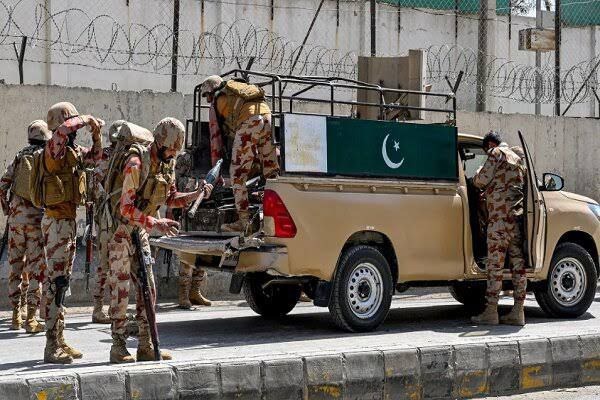
Al Jazeera’s reputation for alternative journalism contrasts sharply with its recent reporting on Pakistan’s conflict with the TTP and tensions with the Afghan Taliban. A close review shows consistent editorial choices that soften the Taliban’s image, reframe terrorist violence as resistance, and cast Pakistan’s counter-terrorism actions as aggression—ultimately reshaping the narrative in Kabul’s favour.

The Gulf’s air-power evolution is increasingly shaped by the fusion of advanced platforms with modern doctrine and faster decision cycles. As regional forces adapt to complex threat environments, partners like Pakistan, whose operational experience spans multiple domains, are becoming part of the broader conversation on future air-power thinking.

The TTP’s war on education is a deliberate campaign to reshape society by destroying schools, suppressing knowledge, and undermining state authority. Rooted in ideology, coercion, and strategy, these attacks target Pakistan’s future by dismantling its most vital institutions of learning.

Canada’s renewed trade outreach to India comes at a moment of deep diplomatic strain. As Minister Maninder Sidhu seeks to revive economic cooperation, the unresolved assassination of Sikh activist Hardeep Singh Nijjar, and allegations implicating senior Indian officials, cast a long shadow. The controversy raises critical questions about whether Ottawa can balance economic ambitions with justice, accountability, and the protection of Canadian sovereignty.

Zohran Mamdani, a rising progressive voice in the U.S., has boldly equated Indian Prime Minister Narendra Modi and Israeli Prime Minister Benjamin Netanyahu with war crimes. Drawing on global principles like the Responsibility to Protect (R2P) and ICC indictments, Mamdani challenges the immunity of influential leaders and advocates for accountability for mass atrocities in Gujarat (2002) and Gaza.