


LATEST ⦿

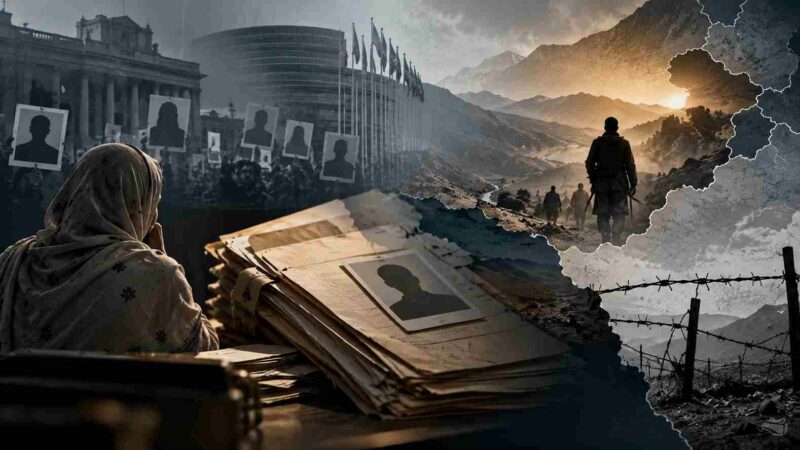
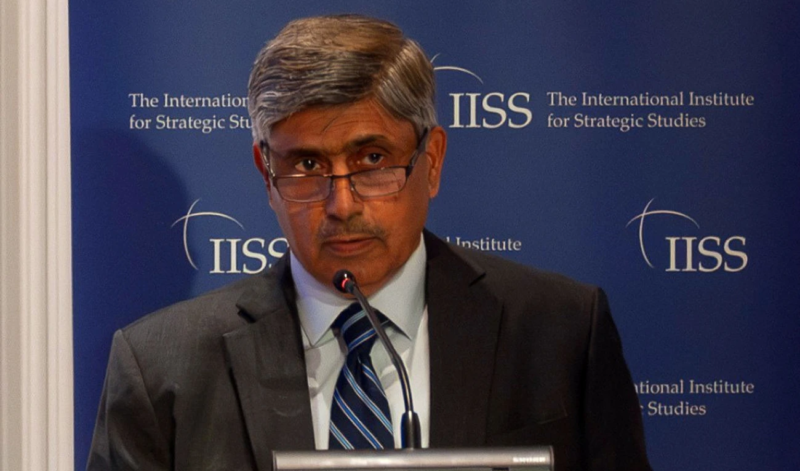
Zalmay Khalilzad’s recent tweets portray Pakistan as collapsing, criticizing counterterrorism operations while ignoring the real drivers of instability in Balochistan: foreign-backed terrorism, criminal networks, and the civilian and security force toll. By conflating state action with militancy, he misrepresents ground realities and obscures the failures of his own Afghan diplomacy. This commentary exposes the gap between his rhetoric and Pakistan’s efforts to maintain law, order, and development under complex security challenges.
Israel and India’s active support for Baloch militias confirms Pakistan’s long-standing concerns about foreign interference. Through proxy insurgency and narrative campaigns, external actors seek to destabilize Balochistan, undermine Pakistan’s internal security, and disrupt regional connectivity.
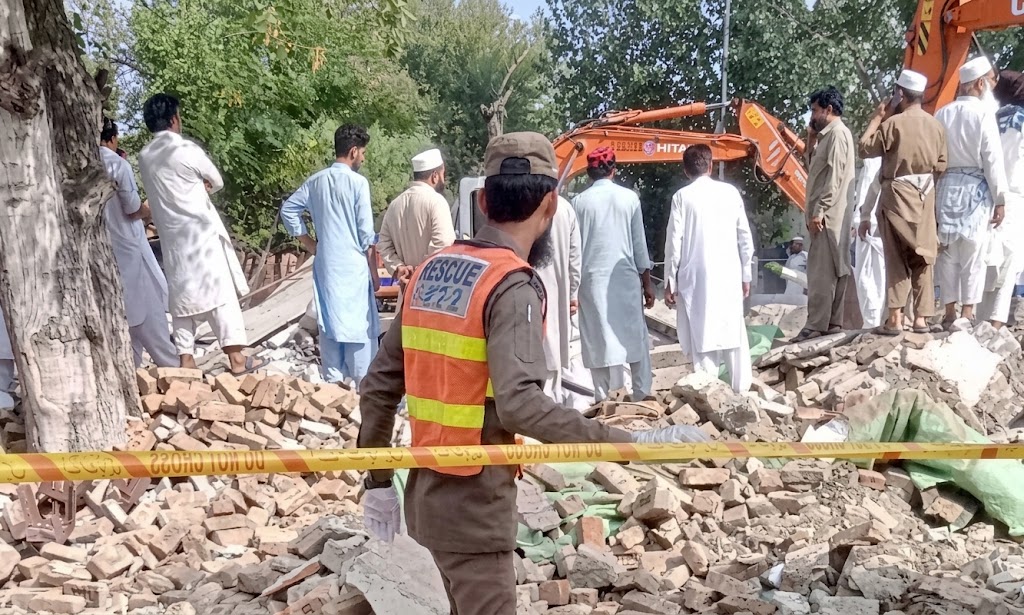
Balochistan’s security challenge is not rooted in deprivation alone but in a long-entrenched nexus of militant outfits, criminal mafias, and foreign-sponsored narrative manipulation. The failure of “Operation Herof II” underscores the disconnect between militant propaganda and ground realities.

LATEST ⦿

Zalmay Khalilzad’s recent tweets portray Pakistan as collapsing, criticizing counterterrorism operations while ignoring the real drivers of instability in Balochistan: foreign-backed terrorism, criminal networks, and the civilian and security force toll. By conflating state action with militancy, he misrepresents ground realities and obscures the failures of his own Afghan diplomacy. This commentary exposes the gap between his rhetoric and Pakistan’s efforts to maintain law, order, and development under complex security challenges.
The case of Imaan Mazari highlights a troubling pattern where deliberate misrepresentation of Pakistan as an occupying or genocidal state is framed as dissent, while rhetoric that normalizes violence is shielded behind the language of human rights.
The Balochistan Liberation Army is increasingly using women in suicide attacks and urban combat, turning gender and identity into tools of terror and propaganda, while expanding its operational reach in populated areas and normalizing militancy.
Al Jazeera consistently frames terrorist attacks in Pakistan as political incidents, downplaying violence against civilians and misrepresenting Pakistan’s security operations. This commentary exposes the editorial bias and its implications for public understanding and international perception.
Pakistan’s engagement with the Gaza Board reflects a realist-humanitarian strategy that prioritizes influence, outcomes, and Palestinian rights over symbolic disengagement or diplomatic isolation.

Pakistan, Gaza, and the Case for Realist-Humanitarian Diplomacy

As Gaza endures a prolonged humanitarian catastrophe, Pakistan’s decision to engage with the Board of Peace reflects a calculated shift from symbolic diplomacy to realist-humanitarianism. Rather than retreating into moral posturing, Islamabad has chosen presence as leverage, seeking to shape aid delivery, protect Palestinian priorities, and influence outcomes from within imperfect multilateral structures.

Read More »
Pakistan’s decision to join Gaza’s Board of Peace exposes a stark dilemma: strategic engagement to influence outcomes, or moral complicity in a managed peace that sidelines Palestinians.

Realpolitik or Moral Complicity? Pakistan and Gaza’s Board of Peace

Pakistan’s entry into Gaza’s Board of Peace marks a historic departure from its traditional Palestinian policy. As Islamabad navigates an extra-legal, US-led governance framework that excludes Hamas and sidelines sovereignty, the question looms large: is participation a tool of influence, or an act of moral complicity?

Read More »
The EU–India FTA reveals a deep structural asymmetry, exposing Indian industry to European dominance while reinforcing dependency through tariffs, CBAM, and non-tariff barriers.

The Asymmetry at the Heart of the EU–India FTA

Presented as a landmark of global economic integration, the EU–India Free Trade Agreement masks a deeply unequal structure. While India dismantles protective tariffs central to its industrial base, European firms retain advantages through subsidies, non-tariff barriers, and green protectionism. Rather than enabling industrial upgrading, the deal risks locking India into a dependent trade pattern, importing high-value capital goods while exporting low-value products, undermining the very logic of Make in India.

Read More »
EU–Pakistan Business Forum 2026 signals a shift from GSP+ trade reliance to an investment-led, sustainable partnership under EU Global Gateway.

EU–Pakistan Business Forum 2026

The EU–Pakistan Business Forum 2026 marks a strategic pivot toward diversified, ESG-driven investment, de-risked finance, and regulatory alignment beyond GSP+ trade ties.

Read More »
The Weaponization of the Rivers

The Weaponization of the Rivers

The Indus Waters Treaty is facing its gravest test as India’s unilateral actions on the Chenab transform water from a shared resource into a tool of coercion. In a climate-stressed region, disrupted river flows and suspended data sharing threaten Pakistan’s agrarian economy, food security, and regional stability.

Read More »
An analysis of how India’s recurring Nipah virus cases expose transparency gaps, cross-border risks, and the mechanisms through which neighbouring states like Pakistan adopt preventive surveillance measures.

Nipah Virus and the Dynamics of Regional Biosecurity

The 2025–2026 Nipah virus cases in India illustrate that high-risk pathogens are not confined by national borders. Through selective disclosure, delayed reporting, and episodic containment, outbreaks compel neighbouring states to implement proactive biosecurity measures, highlighting the strategic significance of regional health governance.

Read More »
Examining how women’s empowerment in Pakistan has evolved from a social aspiration into a core driver of productivity, innovation, and inclusive national development.

The Empowerment Dividend

Women’s empowerment in Pakistan is a catalyst for progress, fueling economic growth, innovation, and stronger governance. Empowered women are shaping the nation’s future and driving measurable development gains.

Read More »
Pakistan’s intelligence-based counterterrorism operations in Tirah Valley demonstrate a calibrated, lawful, and civilian-centered approach to dismantling entrenched extremist sanctuaries.

The Operational Reality on Ground.

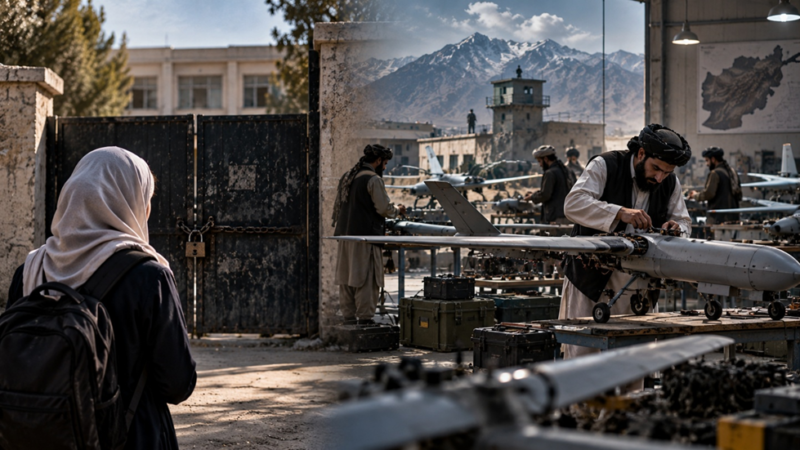
Tirah Valley, long exploited by Kharij networks and their facilitators, has been subjected to sustained intelligence-based operations (IBOs) rather than any conventional military offensive. Grounded in intelligence, community engagement, and the Bagh Joint Action Plan (BJAP), Pakistan’s approach prioritizes civilian protection, targeted neutralization of terrorists, and the restoration of long-term stability, countering persistent propaganda with verifiable facts.
Read More »
US diplomat Zalmay Khalilzad’s recent critique of Pakistan’s counterterrorism operations in Balochistan misrepresents ground realities, conflating state action with terrorism and ignoring the legacy of his own diplomatic failures.

Zalmay Khalilzad’s Distortion of Pakistan’s Security Realities

Zalmay Khalilzad’s recent tweets portray Pakistan as collapsing, criticizing counterterrorism operations while ignoring the real drivers of instability in Balochistan: foreign-backed terrorism, criminal networks, and the civilian and security force toll. By conflating state action with militancy, he misrepresents ground realities and obscures the failures of his own Afghan diplomacy. This commentary exposes the gap between his rhetoric and Pakistan’s efforts to maintain law, order, and development under complex security challenges.

Read More »
US diplomat Zalmay Khalilzad’s recent critique of Pakistan’s counterterrorism operations in Balochistan misrepresents ground realities, conflating state action with terrorism and ignoring the legacy of his own diplomatic failures.

Zalmay Khalilzad’s Distortion of Pakistan’s Security Realities

Zalmay Khalilzad’s recent tweets portray Pakistan as collapsing, criticizing counterterrorism operations while ignoring the real drivers of instability in Balochistan: foreign-backed terrorism, criminal networks, and the civilian and security force toll. By conflating state action with militancy, he misrepresents ground realities and obscures the failures of his own Afghan diplomacy. This commentary exposes the gap between his rhetoric and Pakistan’s efforts to maintain law, order, and development under complex security challenges.

Read More »

South Asia

Zalmay Khalilzad’s recent tweets portray Pakistan as collapsing, criticizing counterterrorism operations while ignoring the real drivers of instability in Balochistan: foreign-backed terrorism, criminal networks, and the civilian and security force toll. By conflating state action with militancy, he misrepresents ground realities and obscures the failures of his own Afghan diplomacy. This commentary exposes the gap between his rhetoric and Pakistan’s efforts to maintain law, order, and development under complex security challenges.
Israel and India’s active support for Baloch militias confirms Pakistan’s long-standing concerns about foreign interference. Through proxy insurgency and narrative campaigns, external actors seek to destabilize Balochistan, undermine Pakistan’s internal security, and disrupt regional connectivity.

Afghanistan

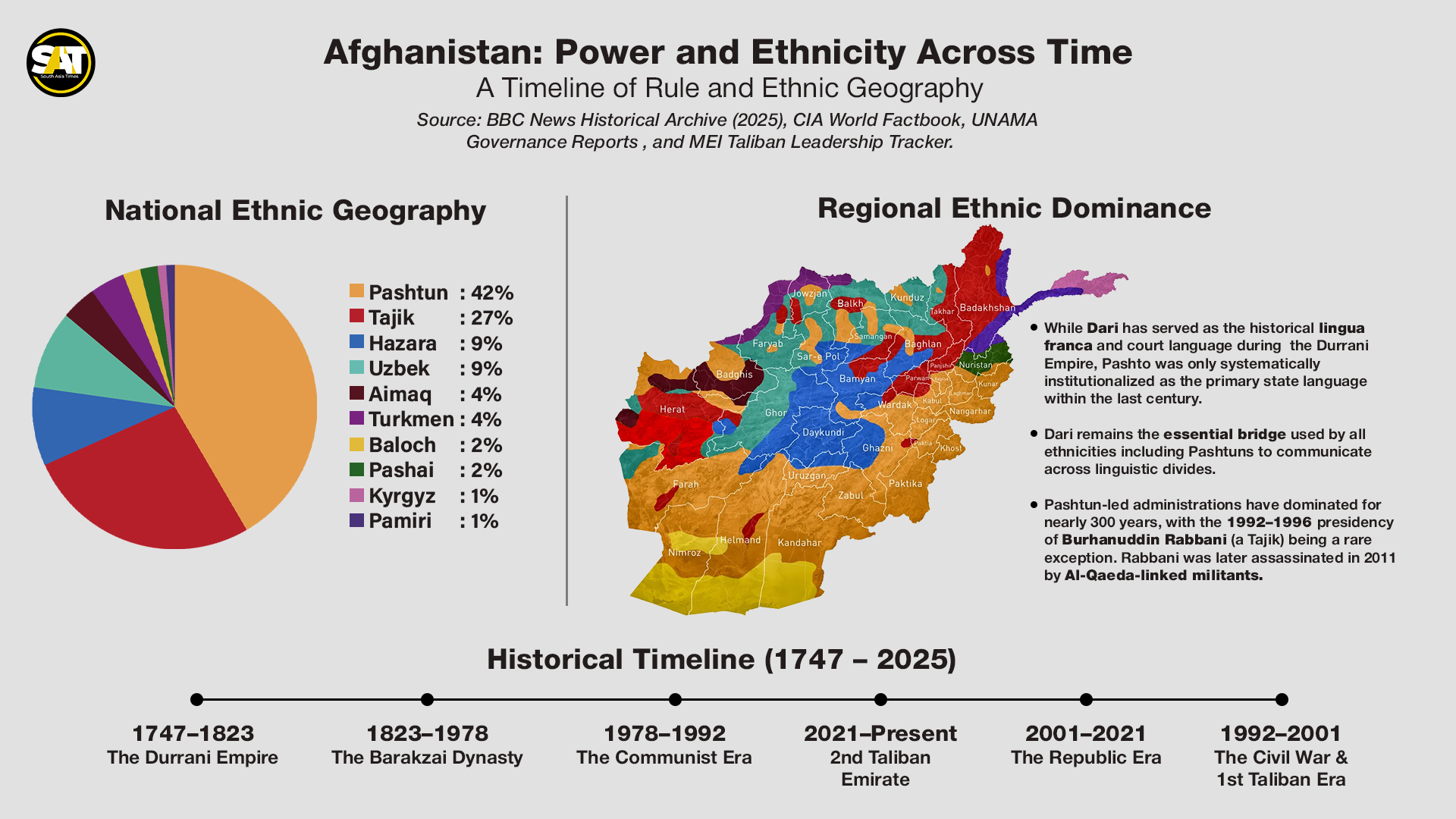
Afghanistan under the Taliban: Law, Power, and Systemic Inequality

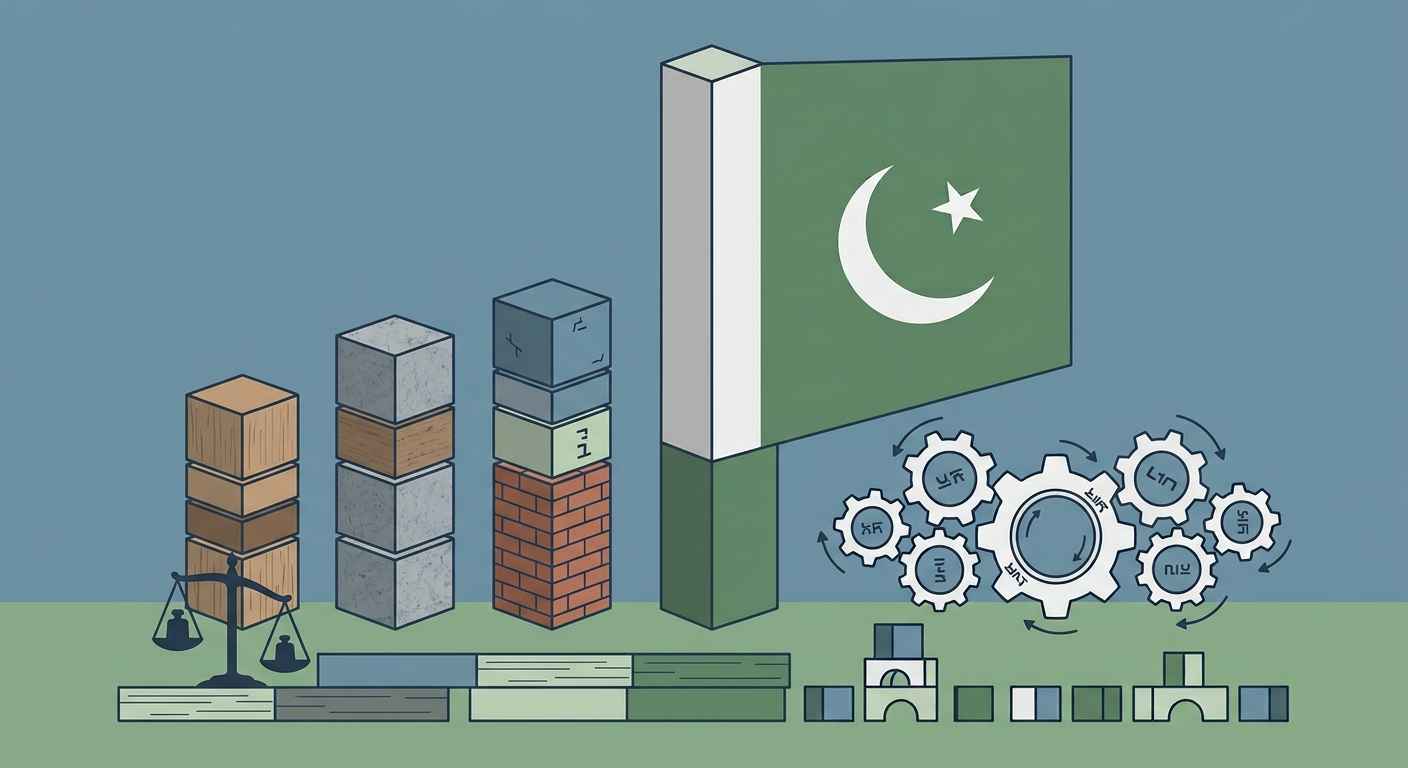
The Taliban’s criminal procedure code institutionalizes gender and ethnic discrimination, suppresses dissent, and replaces accountability with status-based authority, marking a profound regression from Afghanistan’s legal and social norms.

Afghanistan’s New Tiered Justice System

The Taliban’s new Criminal Procedure Code formalizes a four-tiered justice system that shields clerics and elites while subjecting ordinary Afghans to imprisonment and public flogging. By codifying social hierarchy into law, the regime violates international human rights norms and subverts Islam’s foundational promise of equality before the law, turning justice into an instrument of control rather than accountability.

India

Presented as a landmark of global economic integration, the EU–India Free Trade Agreement masks a deeply unequal structure. While India dismantles protective tariffs central to its industrial base, European firms retain advantages through subsidies, non-tariff barriers, and green protectionism. Rather than enabling industrial upgrading, the deal risks locking India into a dependent trade pattern, importing high-value capital goods while exporting low-value products, undermining the very logic of Make in India.
Once imagined as a neutral steel frame, India’s bureaucracy is undergoing a profound mutation. As faith becomes an instrument of alignment and fear a tool of discipline, the administrative state is drifting from constitutional neutrality toward ideological enforcement, with lasting consequences for democracy, governance, and state capacity.

Pakistan

Zalmay Khalilzad’s recent tweets portray Pakistan as collapsing, criticizing counterterrorism operations while ignoring the real drivers of instability in Balochistan: foreign-backed terrorism, criminal networks, and the civilian and security force toll. By conflating state action with militancy, he misrepresents ground realities and obscures the failures of his own Afghan diplomacy. This commentary exposes the gap between his rhetoric and Pakistan’s efforts to maintain law, order, and development under complex security challenges.
Israel and India’s active support for Baloch militias confirms Pakistan’s long-standing concerns about foreign interference. Through proxy insurgency and narrative campaigns, external actors seek to destabilize Balochistan, undermine Pakistan’s internal security, and disrupt regional connectivity.

When Insurgents Become Governments: From Rebellion to Rule

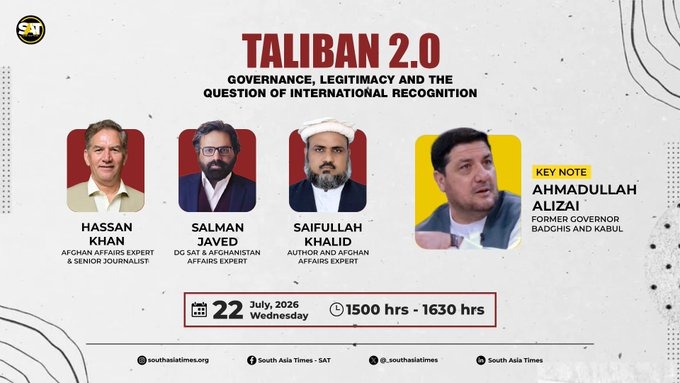
This SAT X Space explored how insurgent groups shift from rebellion to rule, comparing the Taliban’s rigid governance in Afghanistan with Syria’s fragmented but evolving post-insurgent landscape, and assessing regional security implications.

The Kashmir Equation: Rethinking Strategy Amid Shifting Geopolitics

At a SAT roundtable in Islamabad, key voices from policy, academia, and activism called for inclusive, strategic, and diplomatic approaches to the Kashmir crisis.
ISKP Taliban TTP dynamics explain post-2021 militancy, leadership rivalries, recruitment shifts, and regional security risks in South Asia.
India’s democracy was born without a revolution. As electoral integrity weakens and institutions hollow out, this absence of a popular rupture may now be returning as a structural crisis—one that could yet provoke mass political upheaval.
As the U.S. unwinds decades of technological interdependence with China, a new industrial and strategic order is emerging. Through selective decoupling, focused on chips, AI, and critical supply chains, Washington aims to restore domestic manufacturing, secure data sovereignty, and revive the Hamiltonian vision of national self-reliance. This is not isolationism but a recalibration of globalization on America’s terms.
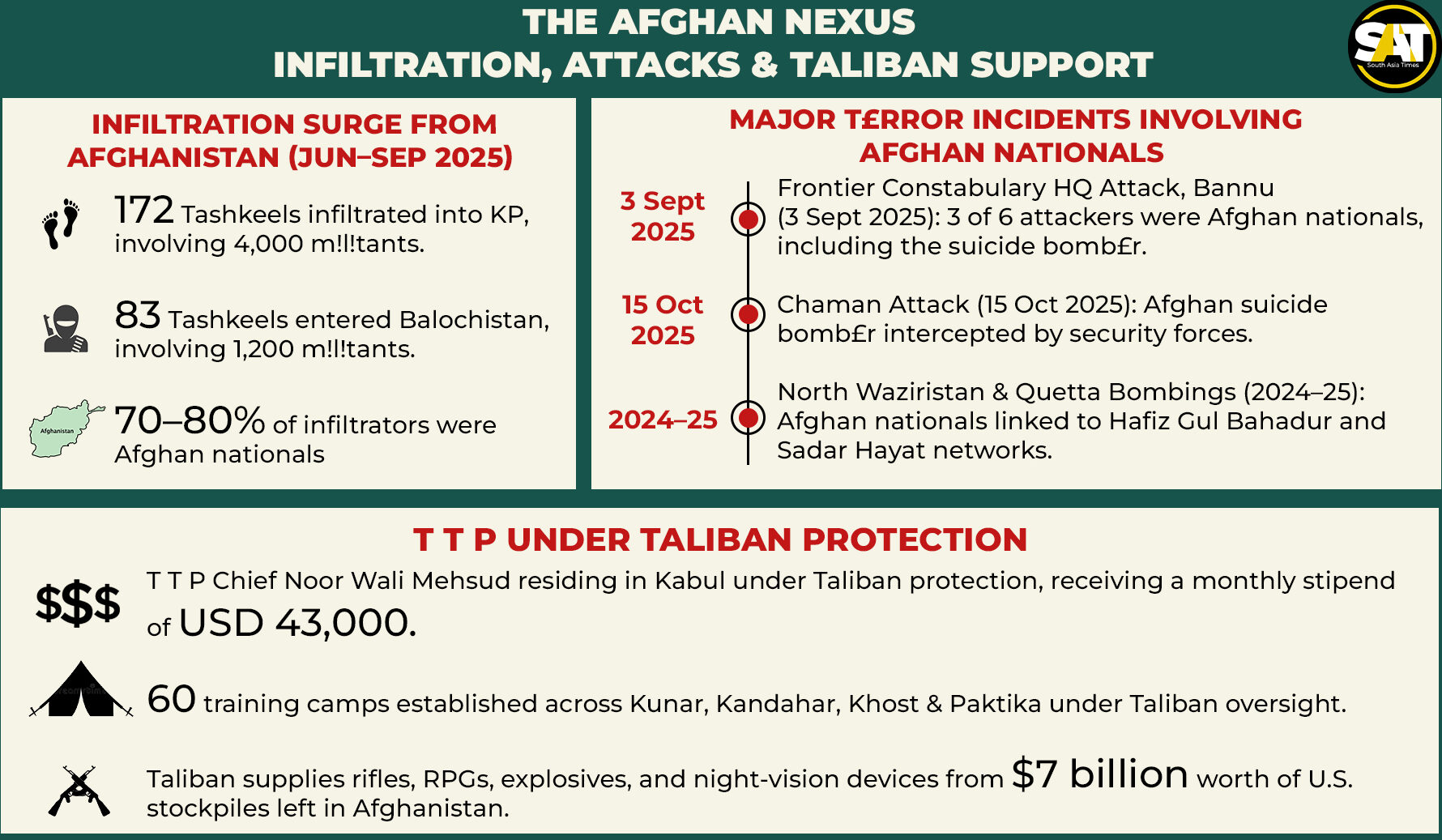
Taliban’s acting Foreign Minister Amir Khan Muttaqi asked why only Pakistan complains about terrorism in Afghanistan. The truth is clear; Pakistan bears the heaviest burden. Since 2021, the Taliban regime
Since the Taliban’s return to power, Afghanistan has once again become a hub for militant activity despite their promises under the 2020 Doha Accord. UN and SIGAR reports reveal that
Five years after the Doha Accord, the Taliban have broken key commitments: 5,000 released prisoners returned to combat, 89% of government posts are held by Pashtuns, and women remain barred
For over two decades, Pakistan has battled the scourge of terrorism. Yet, despite military successes, the absence of political consensus continues to jeopardize lasting peace. As divisions deepen and populist
When the Taliban returned to power in 2021, Pakistan saw hope. Four years later, TTP and BLA attacks have surged, Kabul’s ties with India are deepening, and Islamabad faces a
India's unchecked missile development raises concerns, while baseless allegations against Pakistan persist.