Commentary

Pakistan completes repayment of $3.45 billion to UAE

The End of Patient Capital: How Pakistan’s Balance Sheet Became a Battlefield

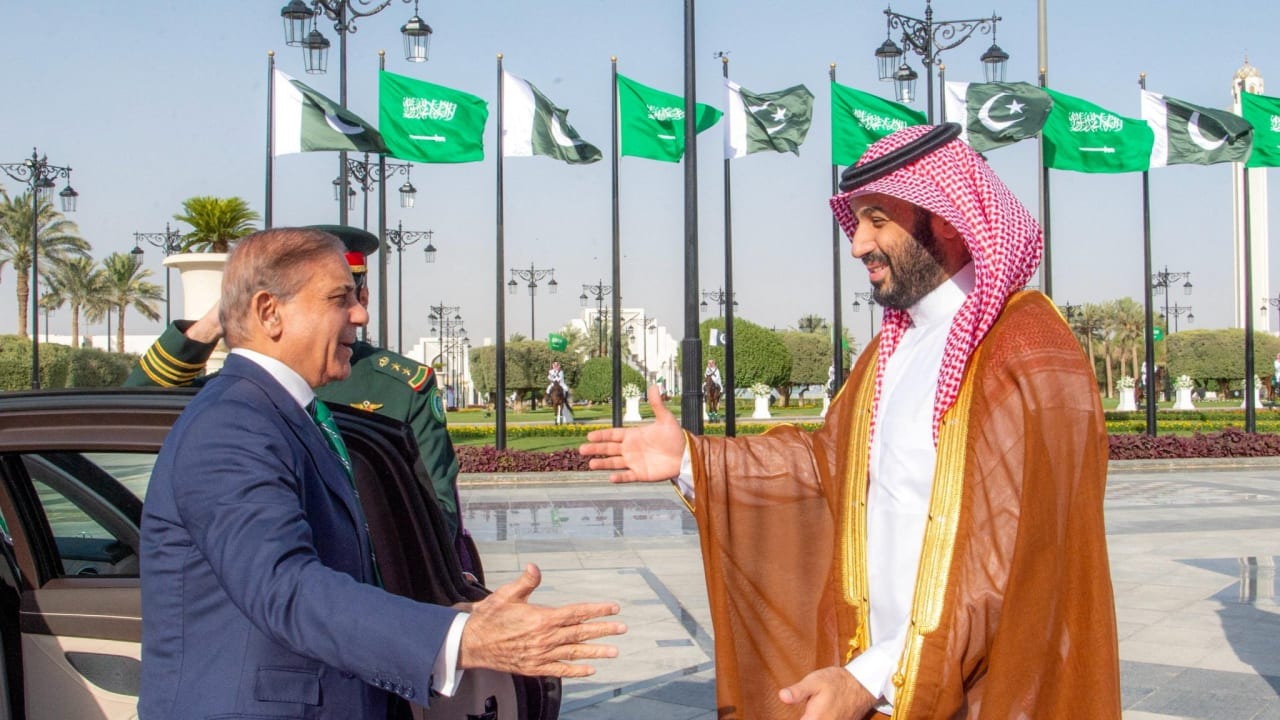
The April 2026 fluctuations in Pakistan’s foreign reserves mark the definitive end of “patient capital” in Gulf diplomacy. As the UAE withdrew $3.45 billion and Saudi Arabia countered with a multi-year extension, the sovereign deposit was transformed from a neutral financial tool into a binary political referendum. Pakistan’s balance sheet now serves as a live map of regional realignment, proving that in the new Middle East, strategic neutrality carries a precise fiscal value.

Read More »
Durand Line – A Binding International Border

The Myth of the Disputed Line: Why Afghan Pragmatism is Finally Overturning Populist Rhetoric

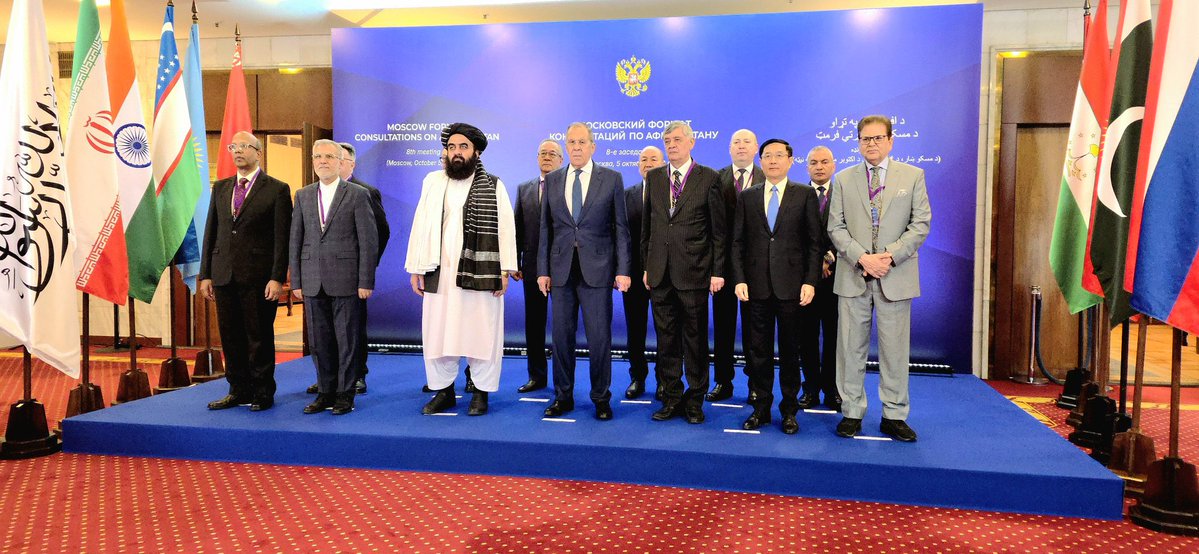
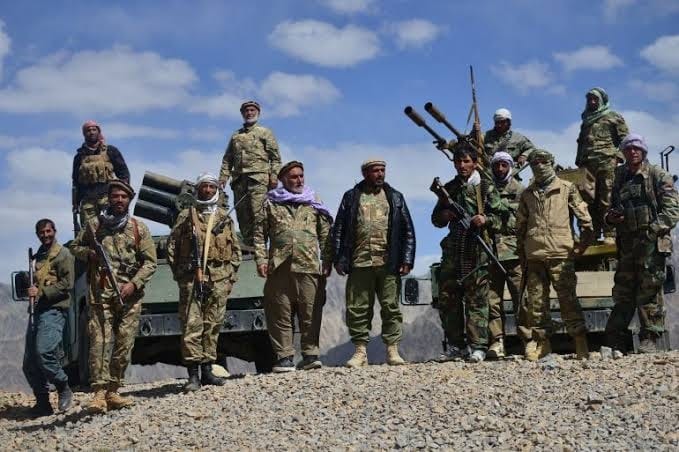
A transformative shift is emerging in Afghan political discourse as leaders like Mohammad Tahir Zuhair and the National Resistance Front (NRF) move toward formal recognition of the Durand Line. By prioritizing “historical realism” over populist rhetoric, these voices suggest that nearly 80% of Afghans seek peace and trade over territorial disputes. This shift offers a rare opportunity to transition Pak-Afghan relations from decades of suspicion to a strategic partnership rooted in internationally recognized boundaries. A transformative shift is emerging in Afghan political discourse as leaders like Mohammad Tahir Zuhair and the National Resistance Front (NRF) move toward formal recognition of the Durand Line. By prioritizing “historical realism” over populist rhetoric, these voices suggest that nearly 80% of Afghans seek peace and trade over territorial disputes. This shift offers a rare opportunity to transition Pak-Afghan relations from decades of suspicion to a strategic partnership rooted in internationally recognized boundaries.

Read More »
Pakistan's diplomacy on the rise

The New Architect of Peace: Pakistan’s Strategic Rise in a Changing Middle East

Pakistan has transitioned from a regional player to a central architect of Middle East peace and security. By facilitating the historic U.S.-Iran ceasefire talks in Islamabad, the nation has proven the efficacy of its “military diplomacy.” Leveraging strategic ties with key global and regional powers, Pakistan is now filling a critical diplomatic vacuum and asserting itself as a credible, indispensable mediator on the world stage.

Read More »
Iran war is exposing world order that is shifting away from US economic dominance

The Islamabad Bridge: Navigating the Ruins of a Unipolar Order

The 2026 US-Iran conflict serves as a “Suez Moment” for American hegemony, exposing the terminal decline of the post-1945 rules-based order. As US security guarantees fracture, global allies are shifting toward “major hedging” and regional autonomy to protect their own energy and economic interests. In this vacuum, Pakistan has transitioned from a frontline state to a pivotal mediator, leveraging the Islamabad Talks to define a new era of transactional multipolarity. This shift prioritizes terrestrial connectivity and local stabilization over the unilateral dictates of a distant hegemon.

Read More »
The flag of the International Atomic Energy Agency IAEA waves in front of the IAEA

The Mirage of “Nuclear Islamism”: Why the Pakistan-Iran Comparison Fails

This commentary critiques Brahma Chellaney’s “nuclear Islamism” narrative, arguing that grouping Pakistan and Iran ignores critical legal and strategic realities. It highlights the disparity in non-proliferation enforcement, specifically contrasting the treatment of NPT signatories with the strategic exceptions granted to India. By deconstructing ideological framing, the text advocates for a foreign policy analysis rooted in treaty architecture rather than religious identity.

Read More »