![US Embassy in Riyadh, Saudi Arabia, amid heightened regional tensions following the Iran crisis. [Image via AFP]. US Embassy in Riyadh, Saudi Arabia, amid heightened regional tensions following the Iran crisis. [Image via AFP].](https://southasiatimes.org/wp-content/uploads/2026/03/image-3-3-scaled-1.webp)
The Iran Crisis Is Not Just About Iran
The 2026 Iran crisis reveals deeper geopolitical ambitions behind US escalation and its impact on Middle Eastern power dynamics.
![US Embassy in Riyadh, Saudi Arabia, amid heightened regional tensions following the Iran crisis. [Image via AFP]. US Embassy in Riyadh, Saudi Arabia, amid heightened regional tensions following the Iran crisis. [Image via AFP].](https://southasiatimes.org/wp-content/uploads/2026/03/image-3-3-scaled-1.webp)
The 2026 Iran crisis reveals deeper geopolitical ambitions behind US escalation and its impact on Middle Eastern power dynamics.

Is the conflict with Iran a strategic necessity or a “divine plan”? Analyze how messianic imperatives in the US military are threatening global stability.

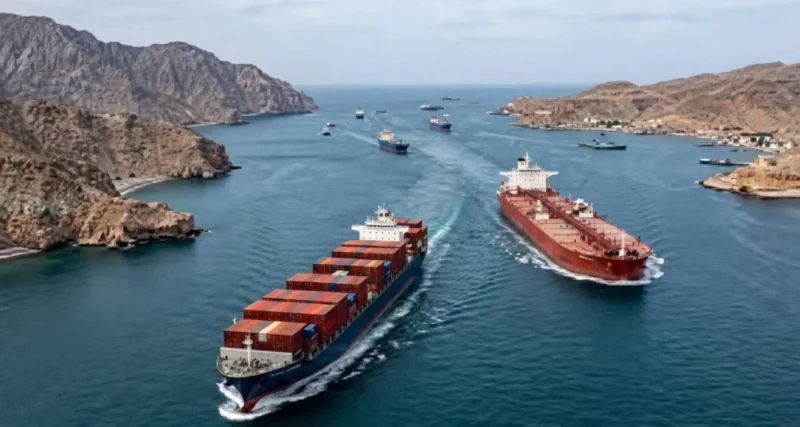
Explore the global fallout of the blockade of the Strait of Hormuz following Operation Epic Fury. Analyse the surge in oil prices, US struggle for energy hegemony, and the risk of a global recession

The escalating tensions between US-Israel and Iran threaten Pakistan’s economy, security, oil imports, remittances, and regional stability amid border conflicts.

Discover why US-Israel air strikes on Iran during Operation Epic Fury will fail to force regime change due to airpower limitations
Content Category: Commentary

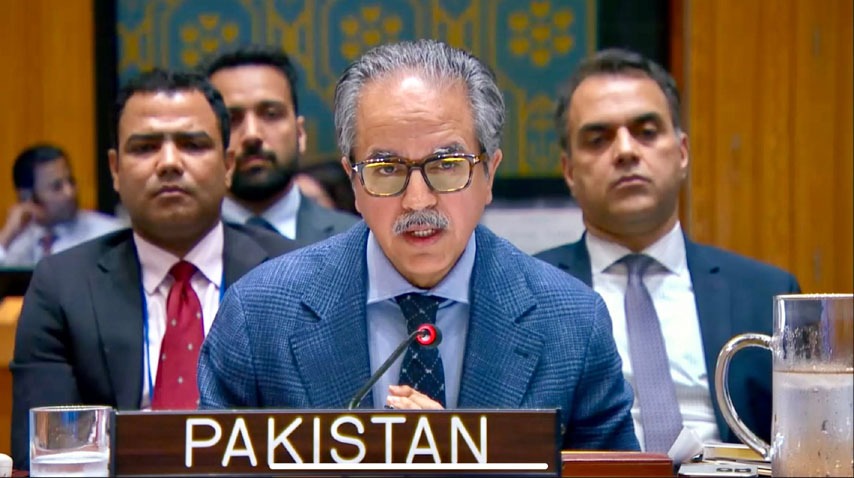
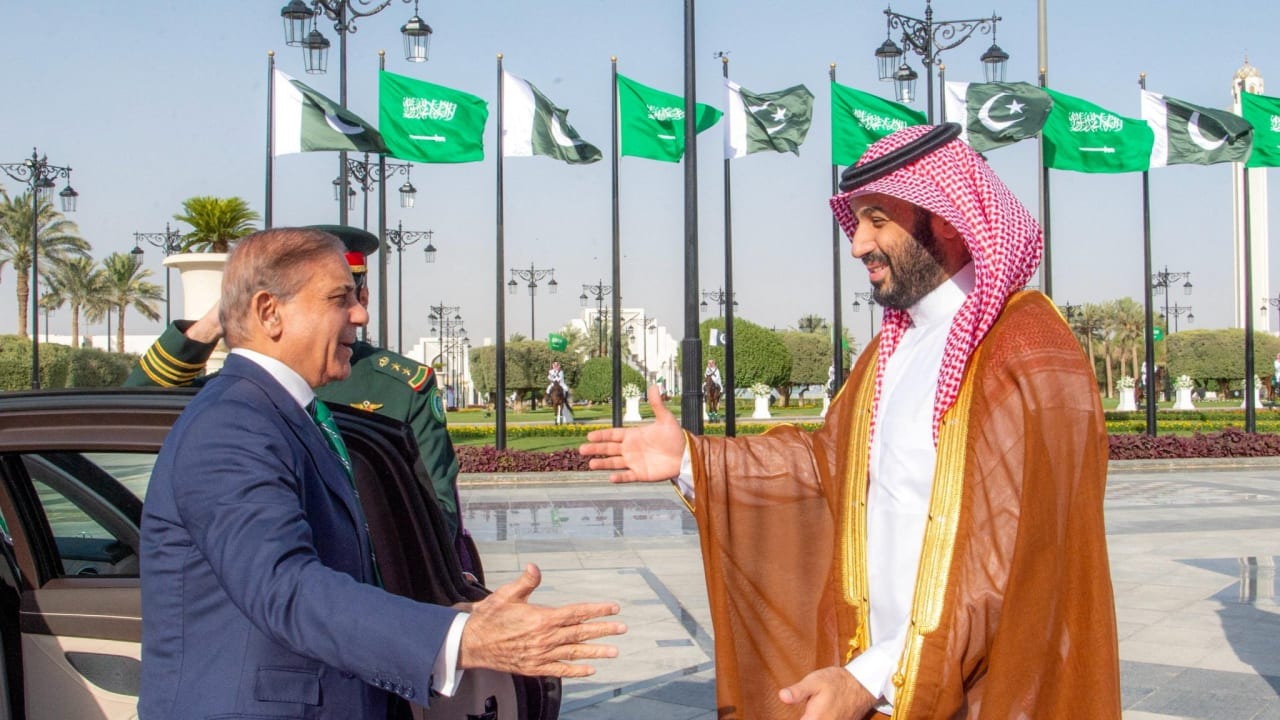
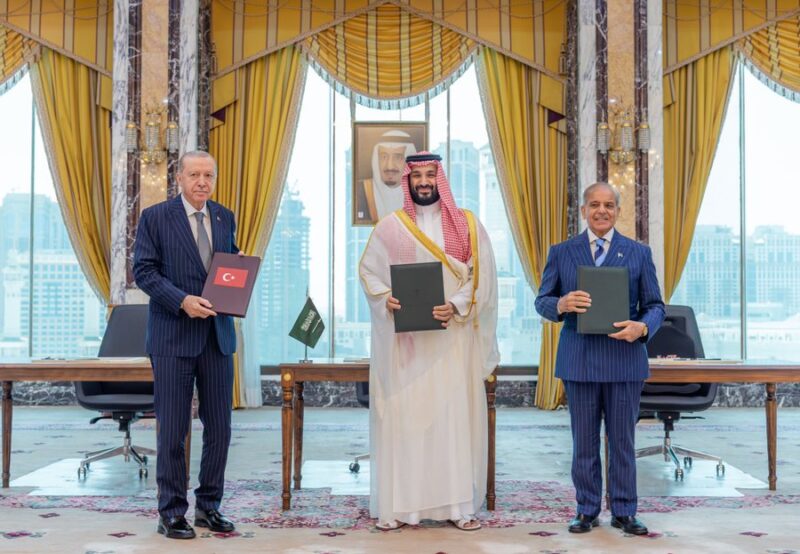
In a rapidly fragmenting global order, Pakistan, Turkey, and Saudi Arabia are exploring a trilateral defense arrangement that could redefine regional security architectures. Often dubbed an Islamic NATO, the proposed pact reflects a broader shift by middle powers toward strategic autonomy as US security guarantees wane. This convergence signals the merging of Middle Eastern and South Asian strategic theaters into a single geopolitical map.

Iran’s 2026 currency crash was not a sudden shock but the result of sanctions, IRGC-dominated economics, and institutional decay undermining trust in the rial.

Iran’s 2025–26 unrest reflects simultaneous pressure on economic stability, political legitimacy, and state coercive capacity, marking a critical juncture for the Islamic Republic.

Ayatollah Ali Khamenei’s January 3, 2026 address reflects an Islamic Republic under acute economic and social strain. By validating bazaar grievances while condemning protest tactics, the leadership seeks to divide dissent and preserve regime authority amid a collapsing Rial.

Renewed hostilities in Yemen’s eastern Hadramout governorate signal more than a local power struggle—they reveal a deep structural fracture within the anti-Houthi camp. As UAE-backed Southern Transitional Council forces push into areas held by Saudi-supported government units, the collapse of the Riyadh Agreement risks reviving extremist sanctuaries, destabilizing Red Sea security, and accelerating Yemen’s slide toward permanent partition.