South Asia

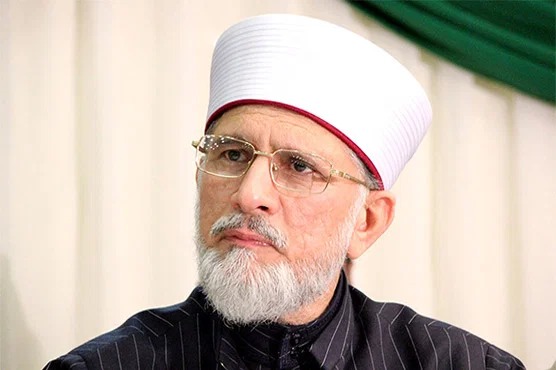
US diplomat Zalmay Khalilzad’s recent critique of Pakistan’s counterterrorism operations in Balochistan misrepresents ground realities, conflating state action with terrorism and ignoring the legacy of his own diplomatic failures.

Zalmay Khalilzad’s Distortion of Pakistan’s Security Realities

Zalmay Khalilzad’s recent tweets portray Pakistan as collapsing, criticizing counterterrorism operations while ignoring the real drivers of instability in Balochistan: foreign-backed terrorism, criminal networks, and the civilian and security force toll. By conflating state action with militancy, he misrepresents ground realities and obscures the failures of his own Afghan diplomacy. This commentary exposes the gap between his rhetoric and Pakistan’s efforts to maintain law, order, and development under complex security challenges.

Read More »
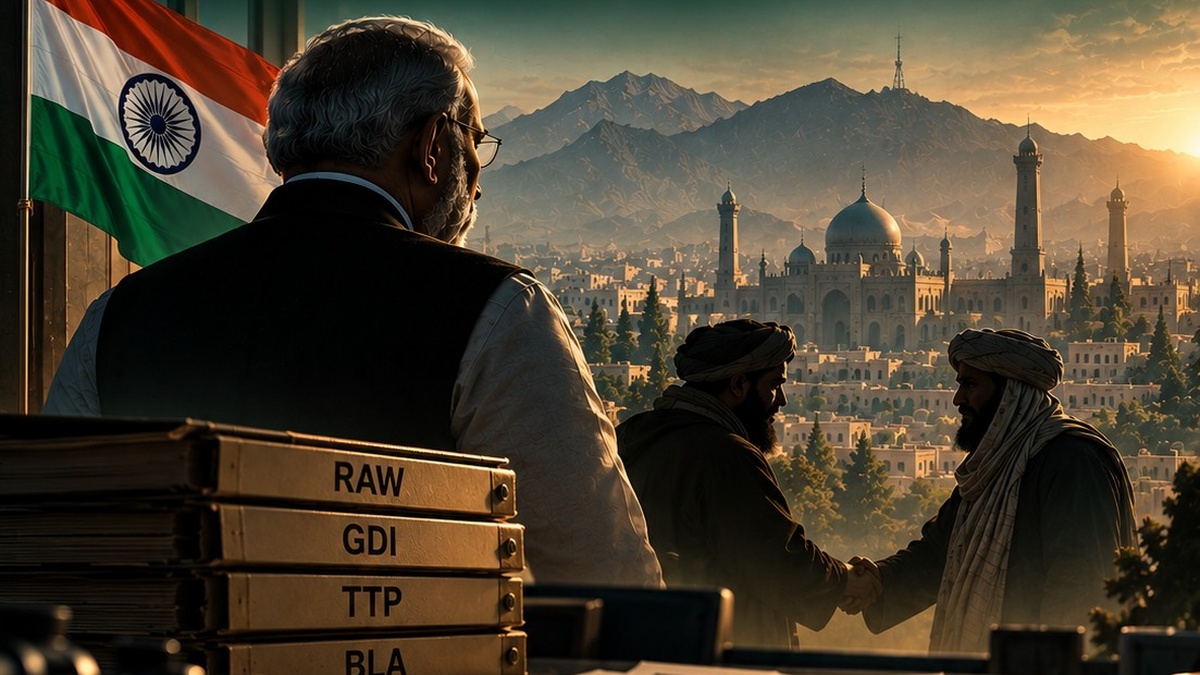
A critical examination of how selective activism, misinformation, and glorification of militancy are weaponized to portray Pakistan as a colonial aggressor, undermining state legitimacy and security.

Playing the Victim While Undermining the State

The case of Imaan Mazari highlights a troubling pattern where deliberate misrepresentation of Pakistan as an occupying or genocidal state is framed as dissent, while rhetoric that normalizes violence is shielded behind the language of human rights.

Read More »
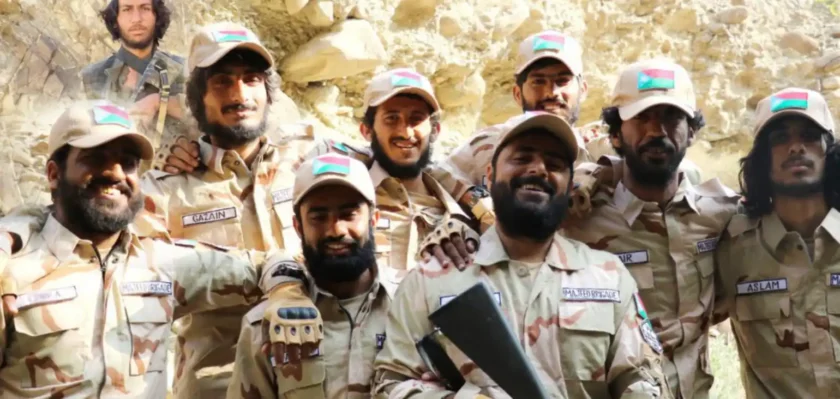
The Islamabad court

When Advocacy Aligns With Proscribed Narratives

The Islamabad court’s ruling against Imaan Mazari and Hadi Ali underscores the tension between free expression and national security. Advocacy that aligns with proscribed terrorist narratives risks legitimizing terrorism while overlooking civilian suffering, emphasizing the need for responsible engagement with sensitive issues.

Read More »