Pakistan’s Resource Paradox
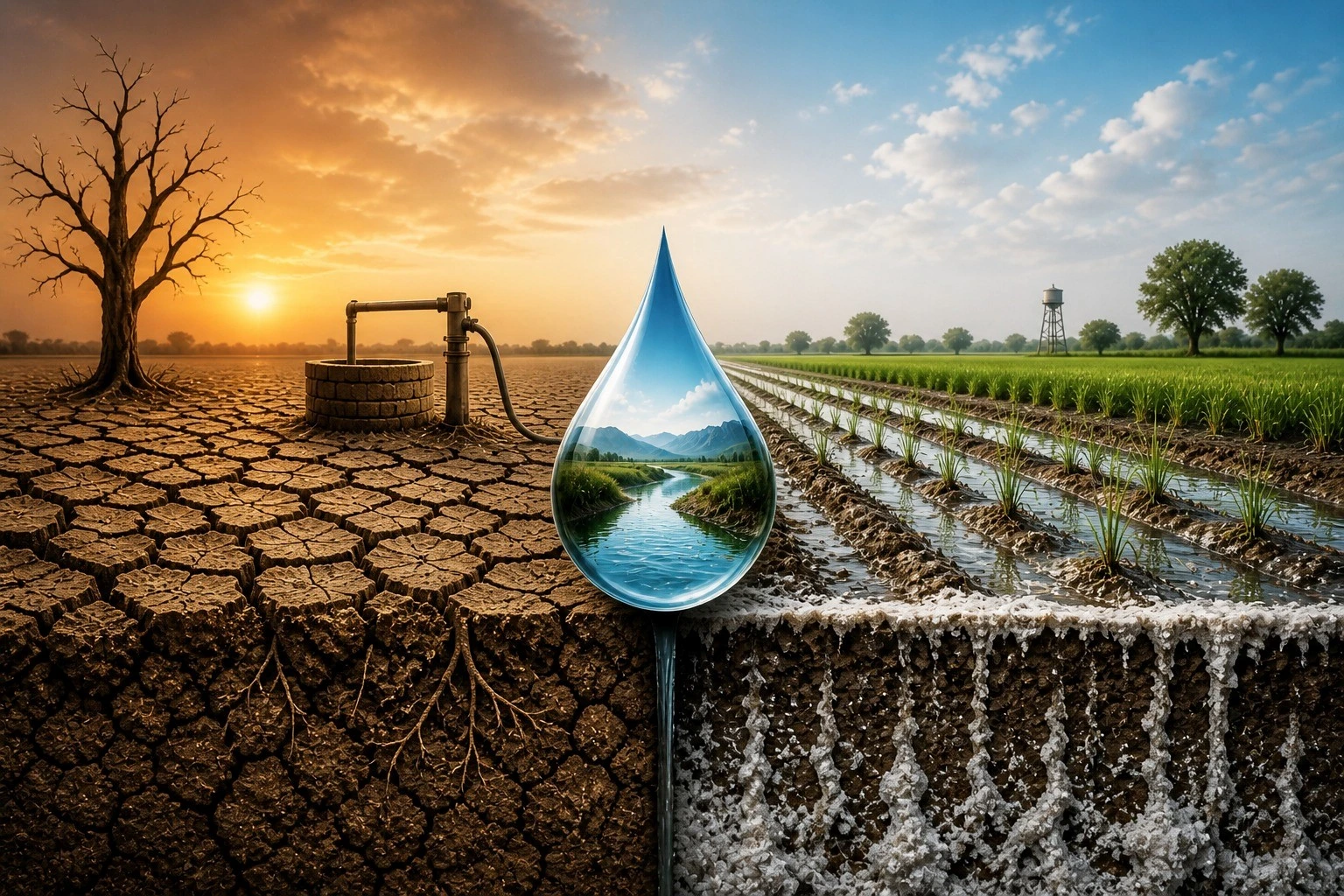
Pakistan faces a growing water crisis despite vast natural resources. Exploring the Indus Basin, energy potential, and urgent reforms for sustainable growth.

Pakistan faces a growing water crisis despite vast natural resources. Exploring the Indus Basin, energy potential, and urgent reforms for sustainable growth.

pakistan’s solar boom and the US-Pakistan Green Alliance are reshaping the country’s energy future through renewables, grid modernization, and strategic cooperation.

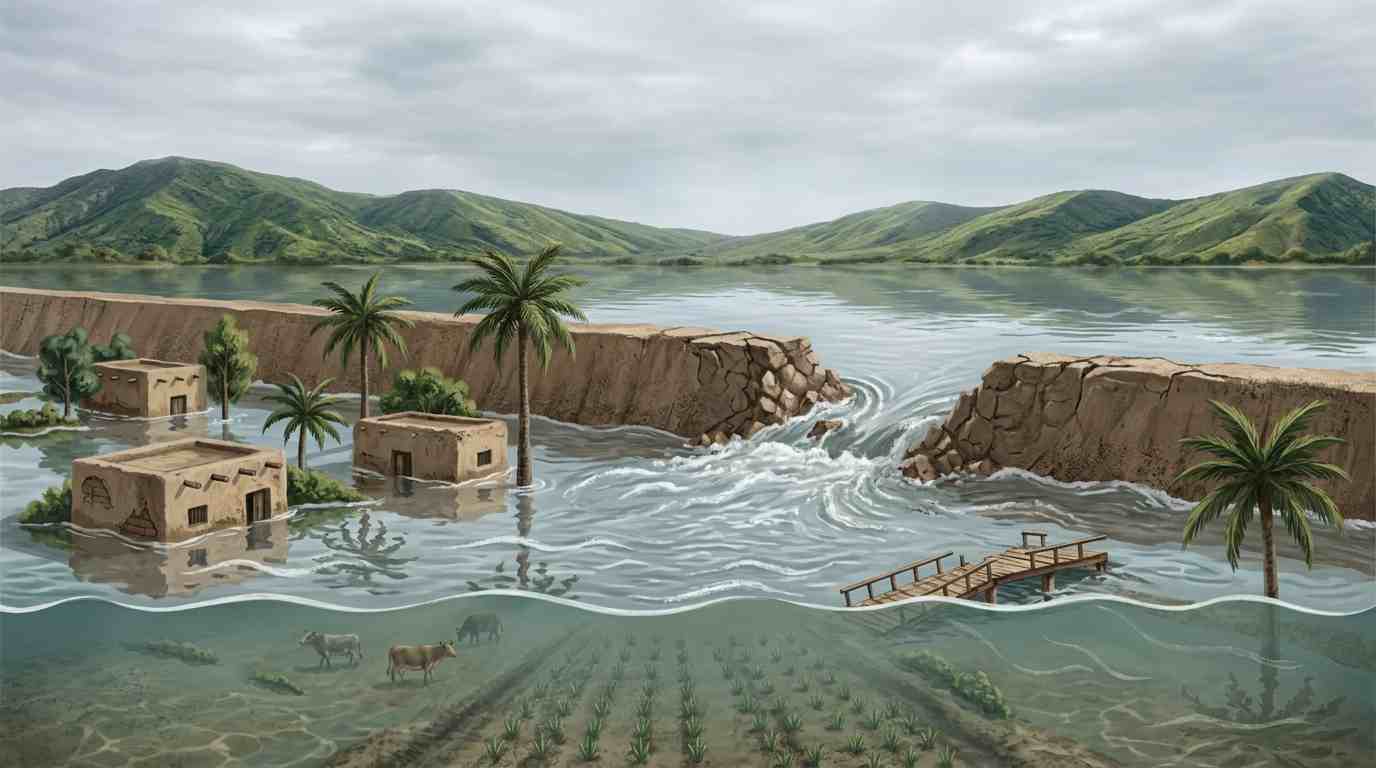
The Indus Waters Treaty is facing its gravest test as India’s unilateral actions on the Chenab transform water from a shared resource into a tool of coercion. In a climate-stressed region, disrupted river flows and suspended data sharing threaten Pakistan’s agrarian economy, food security, and regional stability.

Despite being one of the world’s most climate-vulnerable regions, South Asia remains deeply fragmented. From failed COP coordination to weak regional institutions, political rivalries and elite interests undermine collective climate action, leaving millions exposed to escalating environmental risks

At COP30, nuclear energy emerged as a key solution for global clean-energy transitions. For Pakistan, expanding nuclear power, especially through Small Modular Reactors (SMRs), offers a path to cleaner, reliable electricity, despite challenges like high costs and restricted technology access.

From ancient rivers to modern disputes, the Indus highlights how upstream projects and treaty tensions jeopardize Pakistan’s economy, environment, and food security.

India’s Net Zero 2070 target reflects a delicate balance between development equity and climate urgency. While progress in renewables, green finance, and adaptation is visible, the absence of clear interim milestones risks turning ambition into delay. The real challenge lies in translating a distant horizon into measurable, near-term climate action before 2030.

Pakistan’s National Climate Change Policy (NCCP) presents a comprehensive roadmap to tackle the country’s growing climate challenges. From managing water resources and protecting biodiversity to empowering women and promoting renewable energy, the NCCP blends adaptation and mitigation for a sustainable future. Yet, implementation gaps: limited funding, institutional weaknesses, and policy incoherence, threaten its potential. Strengthened governance, transparency, and international cooperation remain key to turning this vision into climate resilience for Pakistan.

Pakistan faces an existential crisis from climate change, despite contributing less than 1% to global emissions. Reimagining US-Pakistan relations through climate change cooperation offers a pathway to resilience, climate finance, and regional stability while advancing US global climate leadership.

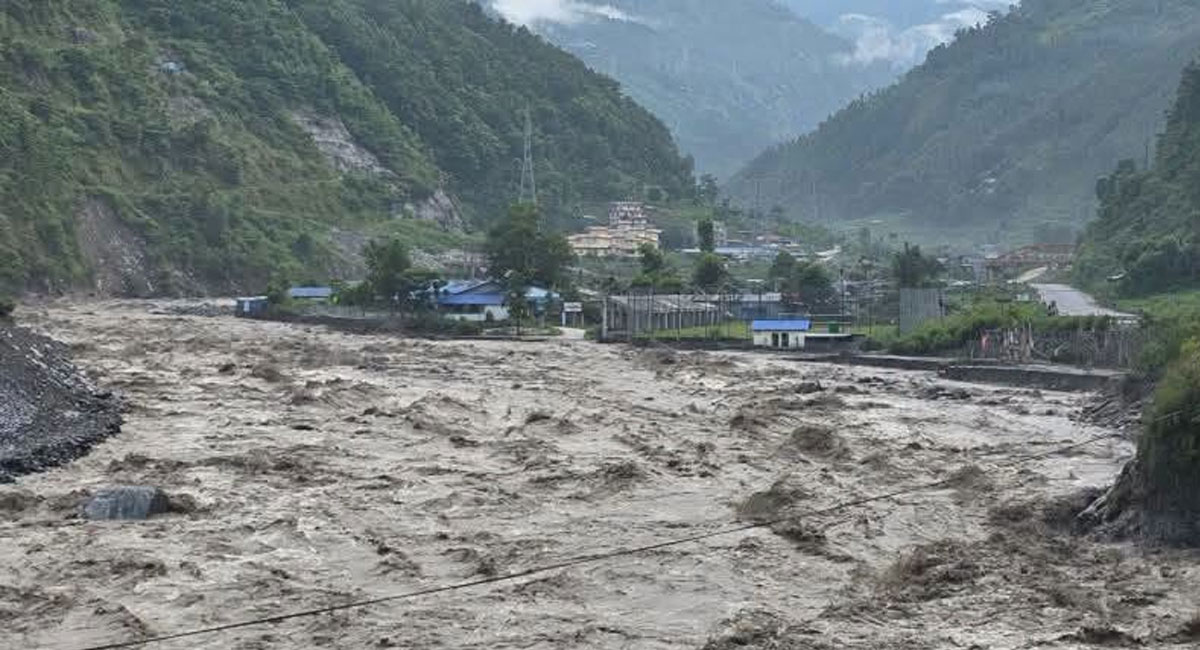
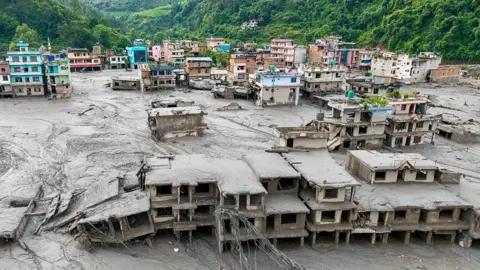
Pakistan is facing a new environmental reality where floods, glacier melts, and devastating cloudbursts are no longer rare but routine. Despite contributing less than 1% of global emissions, the country bears the brunt of climate change, with fragile infrastructure and limited resources leaving millions vulnerable to recurring disasters.