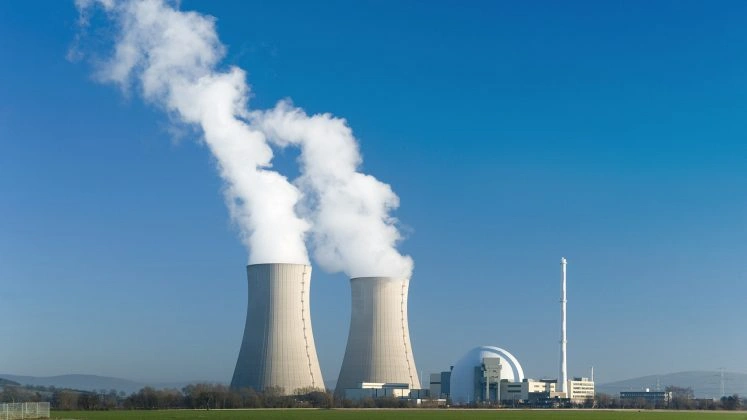
At COP30 in Brazil, world leaders are focusing on nuclear energy as a solution for clean energy. For Pakistan, this raises an important question: can nuclear power help shape a cleaner and sustainable energy future?
Pakistan has used nuclear energy for years to meet its growing electricity needs. Initially, nuclear power was developed for civilian purposes to support the country’s energy security. But after India developed nuclear weapons Pakistan expanded its nuclear program for both energy and security reasons. Today, nuclear power plays an important role in Pakistan’s energy mix.
At COP30, the International Atomic Energy Agency (IAEA) highlighted nuclear energy’s potential to help countries reduce carbon emissions and support sustainable development. Countries like China, the USA, and France are increasing their use of nuclear power.
In 2024, Pakistan reached 21.7 terawatt-hours (TWh) of nuclear electricity, which made up 17% of its total energy consumption. This is a significant achievement. China has played a major role in helping Pakistan expand its nuclear capacity, with projects like the Chashma-5 plant (1200 MW) scheduled to be completed by 2030. Despite these achievements, Pakistan faces several challenges in expanding its nuclear energy capacity. One of the biggest obstacles is that Pakistan is not a member of the Nuclear Suppliers Group (NSG), which restricts its access to nuclear technology and equipment from other countries. As a result, acquiring the necessary materials and expertise becomes difficult. This limitation makes it harder for Pakistan to achieve its nuclear energy goals. Moreover, the high capital costs of nuclear projects place further strain on Pakistan’s financial resources.
Also at COP30, Small Modular Reactors (SMRs) were discussed as a future solution. SMRs are compact, affordable nuclear reactors that are ideal for smaller grids and energy intensive industries. These reactors could provide Pakistan with affordable and flexible energy. SMRs could help Pakistan meet its energy needs while supporting global efforts to transition to cleaner energy. SMRs also face challenges. These include funding, regulatory issues, and the need for strong infrastructure.
The future of Pakistan’s energy mix should combine both nuclear and renewable energy. While nuclear power can provide the stability needed for a reliable energy grid, renewable energy sources like solar and wind .By integrating nuclear energy with renewable sources, Pakistan can build a secure, sustainable energy system. Nuclear energy can provide the reliability and base-load power needed, while solar and wind energy can offer clean and scalable alternatives.
Pakistan’s energy future depends on balancing nuclear power and renewable energy. Nuclear energy, especially through Small Modular Reactors (SMRs), offers a solution to meet Pakistan’s growing energy demand. At the same time, solar and wind energy offer cost-effective alternatives.
By combining both nuclear and renewable energy, Pakistan can reduce its reliance on fossil fuels, lower carbon emissions, and ensure a reliable energy supply. With the right investments, Pakistan can create a clean, sustainable energy future for its people and contribute to global climate goals.

Hira Bashir is an Associate Research Officer at the Center for International Strategic Studies, Azad Jammu & Kashmir. Her research focuses on the peaceful uses of nuclear technology. She can be reached on X at @HiraBK5090.