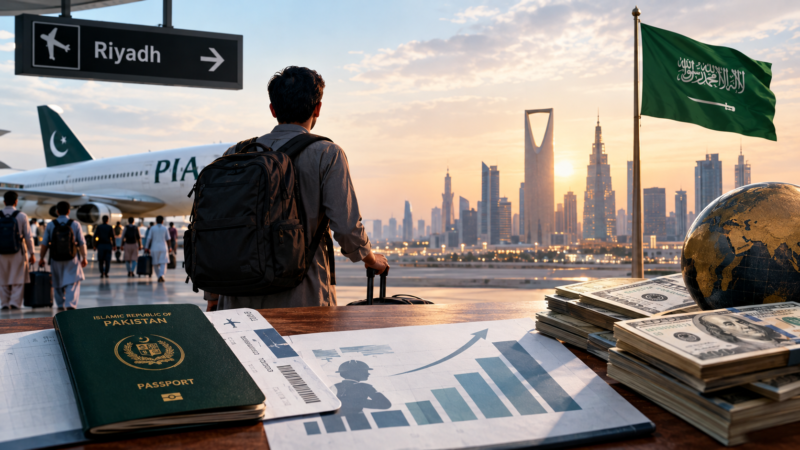
Rising to the Challenge: Why Pakistan’s Youth Must Lead the Way
Pakistan’s youth must reclaim purpose and leadership to counter apathy, brain drain, and drive national progress through action.

Pakistan’s youth must reclaim purpose and leadership to counter apathy, brain drain, and drive national progress through action.

Water scarcity is reshaping South Asia as climate change, outdated treaties, and rising demand turn rivers into sources of conflict.

International law was never truly independent. Once the guarantor of the system breaks the rules, the law becomes a tool for power, not principle.

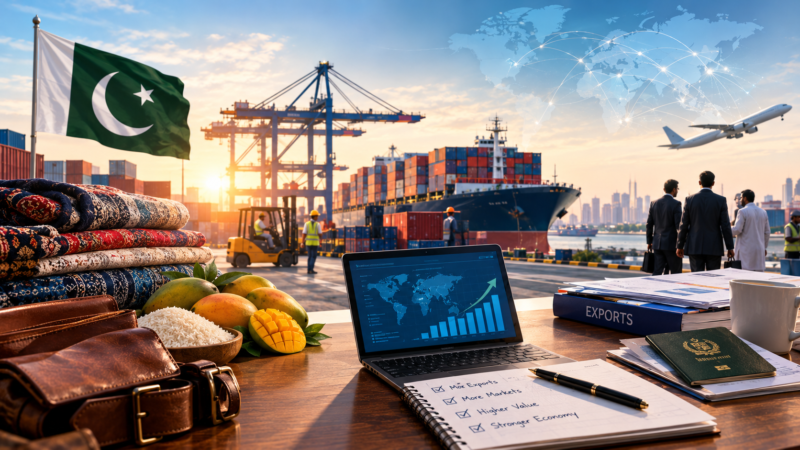
Pakistan and Bangladesh explore a shared maritime corridor to boost trade, rebuild trust, and shape South Asia’s economic future

Midnight Islamabad is when Pakistan civil–military relations and legitimacy vacuum watches, and governments fall until survival wins.

US–China rivalry in the Indo-Pacific is reshaping security, economics, and diplomacy, forcing nations to balance power and alliances.

Censoring information creates the illusion of control, but transparency, access, and critical thinking are key to combating disinformation.

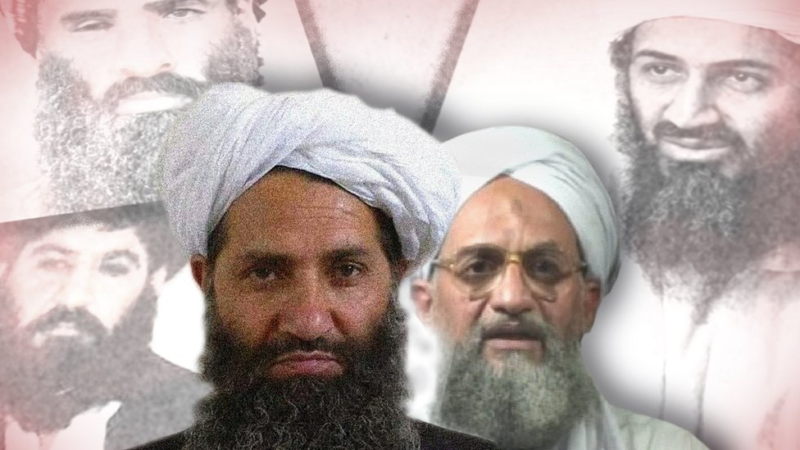
The killing of General Ikramuddin Saree in Tehran was not an isolated act but part of a broader Taliban strategy to hunt opponents beyond Afghanistan, exposing the fragility of exile as protection.

From the Sundarji Doctrine to Cold Start and 2025’s Operation Sindoor, India’s offensive doctrines aimed at rapid strikes against Pakistan repeatedly backfired, exposing operational gaps and narrowing its strategic options in multi-domain warfare.

Despite being one of the world’s most climate-vulnerable regions, South Asia remains deeply fragmented. From failed COP coordination to weak regional institutions, political rivalries and elite interests undermine collective climate action, leaving millions exposed to escalating environmental risks