Afghanistan’s Post-2021 Economic Model
Afghanistan’s post-2021 economic model reflects a sharp break from the aid-backed past, defined by informality, fiscal fragility, and regional economic isolation under Taliban rule.

Afghanistan’s post-2021 economic model reflects a sharp break from the aid-backed past, defined by informality, fiscal fragility, and regional economic isolation under Taliban rule.

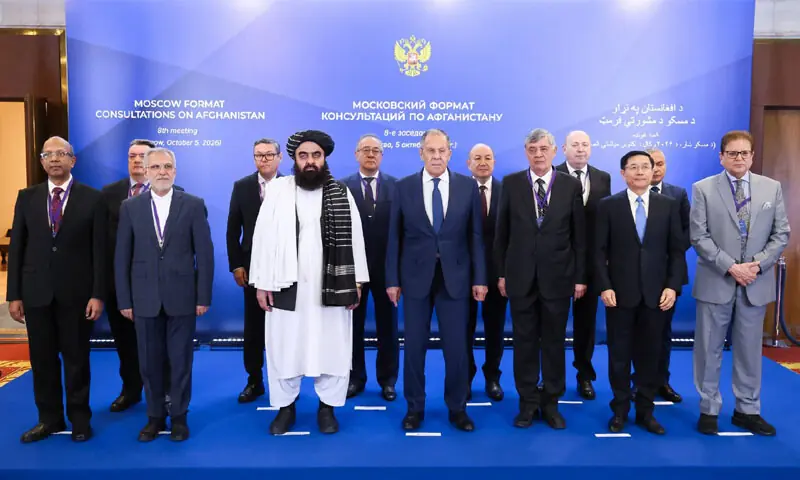
A series of cross-border incidents along the Afghanistan–Tajikistan frontier has raised fears of a renewed insurgent threat in Central Asia. As militant networks regroup in northern Afghanistan, regional governments are questioning long-held assumptions about Taliban governance, Russian security guarantees and the durability of the post-Soviet order.

In a rapidly fragmenting global order, Pakistan, Turkey, and Saudi Arabia are exploring a trilateral defense arrangement that could redefine regional security architectures. Often dubbed an Islamic NATO, the proposed pact reflects a broader shift by middle powers toward strategic autonomy as US security guarantees wane. This convergence signals the merging of Middle Eastern and South Asian strategic theaters into a single geopolitical map.

International law was never truly independent. Once the guarantor of the system breaks the rules, the law becomes a tool for power, not principle.

The Durand Line’s transformation from a porous frontier to a fenced border is altering militant strategies, funding, and regional security. Jihadist networks like TTP and IS-K are adapting to these changes while local populations face social and economic pressures.

Iran’s 2026 currency crash was not a sudden shock but the result of sanctions, IRGC-dominated economics, and institutional decay undermining trust in the rial.

Social media platforms are not neutral arenas of free expression. Powered by opaque algorithms and AI-driven amplification, they increasingly shape political narratives and public perception, prompting non-Western states to frame platform regulation not as censorship, but as a question of digital and cognitive sovereignty.

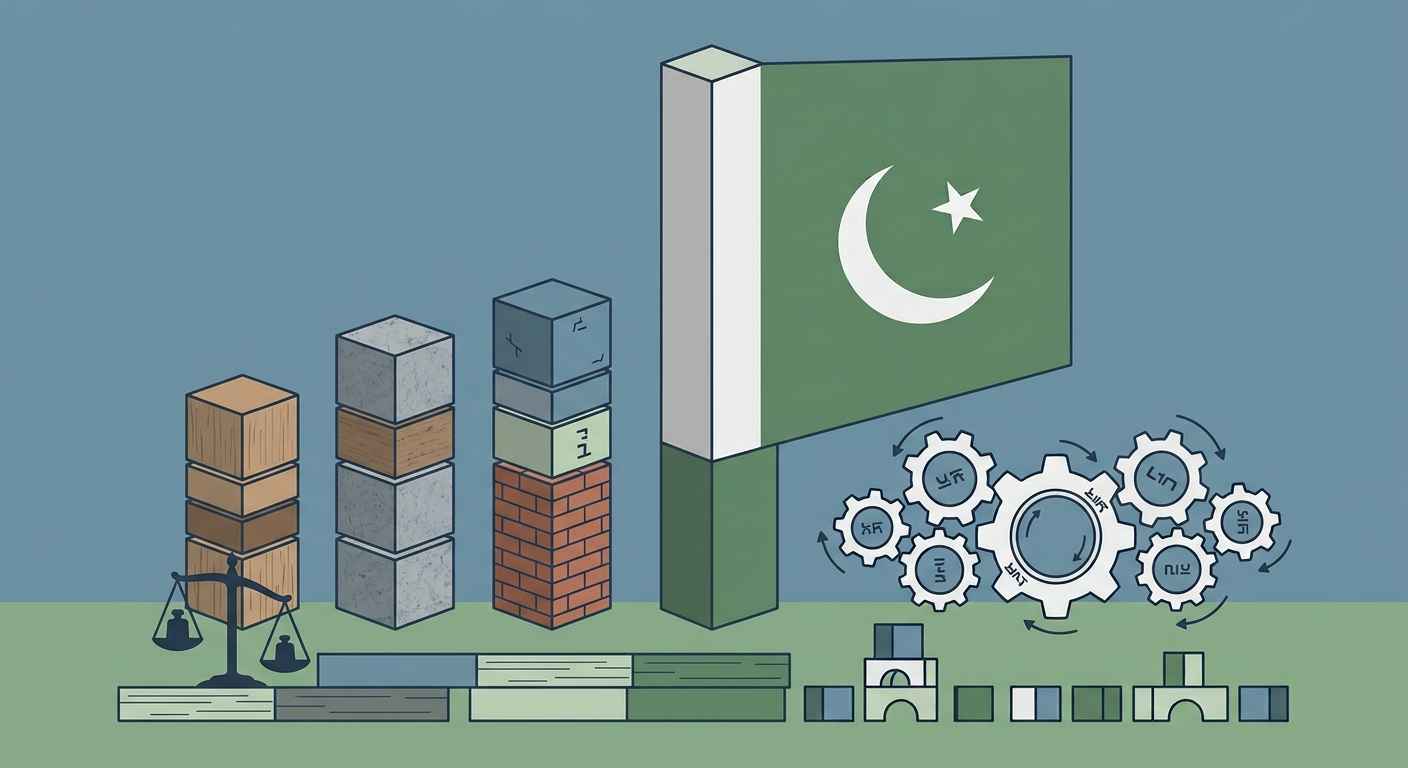
As the liberal international order fragments, Pakistan has executed a decisive shift from defense dependency to indigenous production. Through exports, combat validation, and joint industrialization, Islamabad is redefining sovereignty as an industrial and diplomatic asset.

Iran’s 2025–26 unrest reflects simultaneous pressure on economic stability, political legitimacy, and state coercive capacity, marking a critical juncture for the Islamic Republic.

The Dutch Disease has evolved. In today’s Global South, it is no longer driven only by oil and gas but by aid, remittances, and strategic rents that create fragile, consumption-led economies while eroding state capacity, productivity, and social trust.