Governance & Public Policy

Zohran Mamdani calls out Modi and Netanyahu as war criminals, linking Gujarat 2002 and Gaza, and demands global justice and accountability.

Zohran Mamdani Stands Up for Justice: Holding Modi and Netanyahu Accountable

Zohran Mamdani, a rising progressive voice in the U.S., has boldly equated Indian Prime Minister Narendra Modi and Israeli Prime Minister Benjamin Netanyahu with war crimes. Drawing on global principles like the Responsibility to Protect (R2P) and ICC indictments, Mamdani challenges the immunity of influential leaders and advocates for accountability for mass atrocities in Gujarat (2002) and Gaza.

Read More »
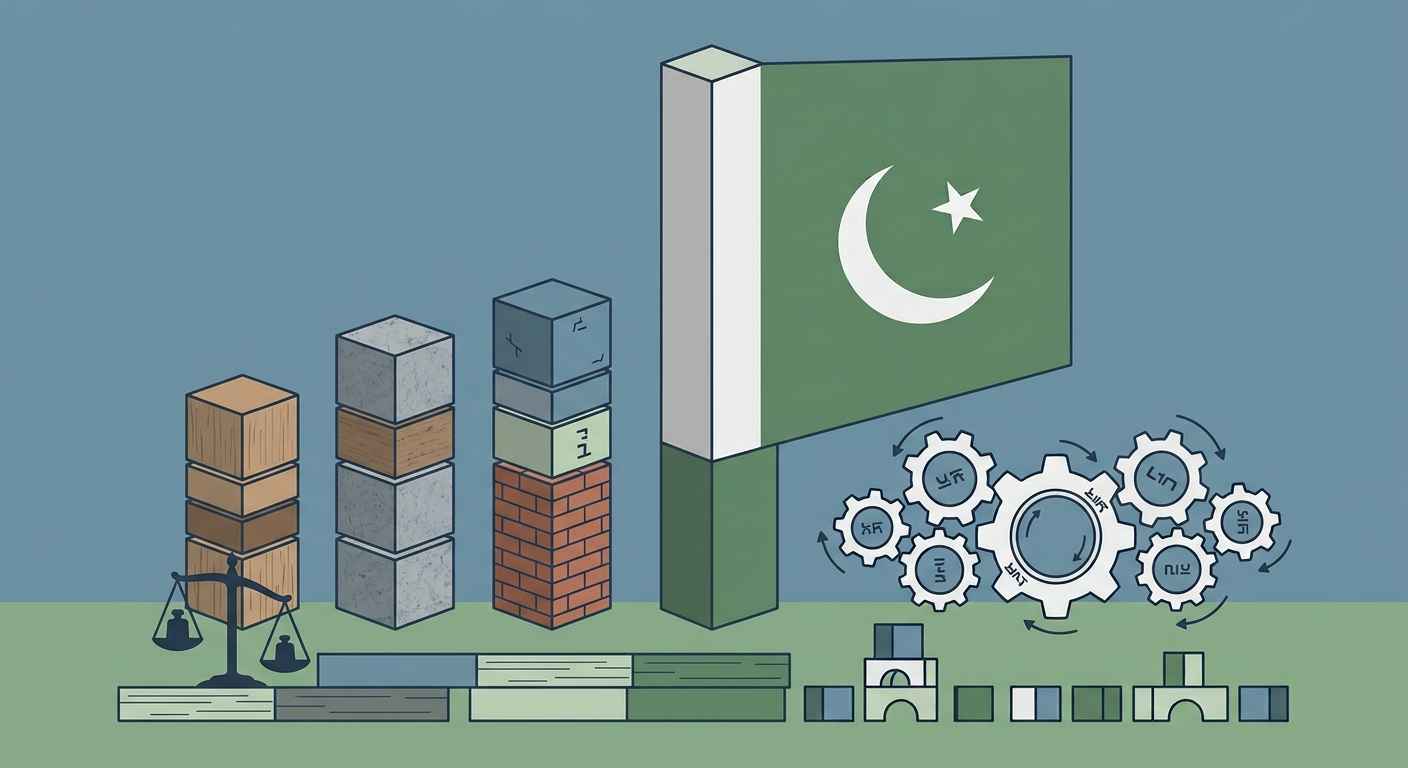
How Pakistan can benefit from the World Bank’s New Nuclear Policy

How Pakistan can Benefit from the World Bank’s New Nuclear Policy

The World Bank’s decision to lift its decades-old ban on nuclear energy financing marks a turning point for developing nations. For Pakistan, this policy shift offers a rare opportunity to tackle its chronic energy crisis through clean, affordable, and reliable nuclear power. By aligning with the IAEA’s safety standards, engaging with World Bank institutions like IFC and MIGA, and integrating nuclear expansion into its national climate goals, Pakistan can position itself at the forefront of sustainable energy transformation.

Read More »
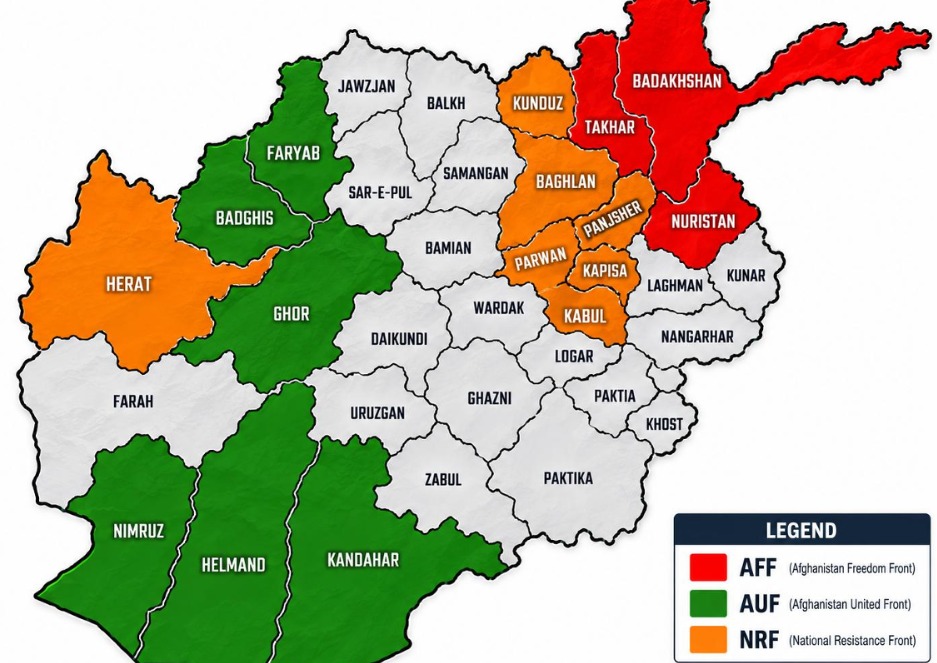
Centralized Power and the Core–Periphery Divide in Afghanistan

Centralized Power and the Core–Periphery Divide in Afghanistan

The Islamic Emirate of Afghanistan’s return in 2021 brought rapid consolidation of power, but also the revival of a historical flaw. By concentrating authority in the hands of southern Pashtun elites, the Taliban have recreated the core–periphery divide that has destabilized every Afghan regime since the 19th century. This hyper-centralization, rooted in ethnic exclusivity and Kandahar dominance, risks a repeat of past collapses as non-Pashtun regions turn toward functional autonomy.

Read More »
When Insurgents Rule: The Taliban’s Crisis of Governance

When Insurgents Rule: The Taliban’s Crisis of Governance

The Taliban’s confrontation with Pakistan reveals a deeper failure at the heart of their rule: an insurgent movement incapable of governing the state it conquered. Bound by rigid ideology and fractured by internal rivalries, the Taliban have turned their military victory into a political and economic collapse, exposing the limits of ruling through insurgent logic.

Read More »
09b726ad-e4a9-4af1-8c74-b19d998c0fc3-istock-155309026

Kashmir’s Fading Legacy: Mythology, Etymology, and the Erosion of Cultural Identity under Indian Occupation

Jammu and Kashmir, once celebrated as the “paradise on Earth,” carries a 4,500-year legacy of diverse civilizations, faiths, and cultures. From ancient myths of “Kashyap Mar” to the enduring spirit of Kashmiriyat, every era has left an imprint on its identity. Yet, decades of Indian occupation and demographic manipulation under the Hindutva agenda now threaten to erase this timeless heritage. Preserving Kashmir’s culture is not just a regional necessity, it’s a global responsibility.

Read More »
Deconstructing Leadership in modern times.

Deconstructing Leadership in Modern Times.

Deconstructing leadership in modern times requires exploring the wisdom of Plato, Machiavelli, and Confucius alongside modern thinkers like John Maxwell and Ronald Heifetz. Loyalty, empathy, innovation, and purpose emerge as essential traits, shaping transformational leaders for a rapidly changing and unequal world.

Read More »
Between Security and Privacy: Contextualizing Amnesty’s Claims on Pakistan’s Surveillance

Between Security and Privacy: Contextualizing Amnesty’s Claims on Pakistan’s Surveillance

Amnesty International’s Shadows of Control paints a bleak picture of Pakistan’s digital surveillance. Yet by sidelining the country’s acute security challenges, dismissing existing legal safeguards, and overlooking its own credibility issues, the report offers a partial and misleading narrative. A more balanced approach requires situating surveillance within Pakistan’s counterterrorism imperatives and recognizing the global double standards at play.

Read More »
Colonial Legacies of Bombay and Calcutta

Colonial Legacies of Bombay and Calcutta

Bombay and Calcutta were more than colonial capitals, they embodied imperial urban planning, economic integration, and cultural hybridity. From segregated ‘white’ and ‘black’ towns to thriving ports, industries, and nationalist thought, these cities reveal how British rule reshaped India’s urban life while leaving enduring legacies still visible today.

Read More »