Pakistan’s Urbanization Problem
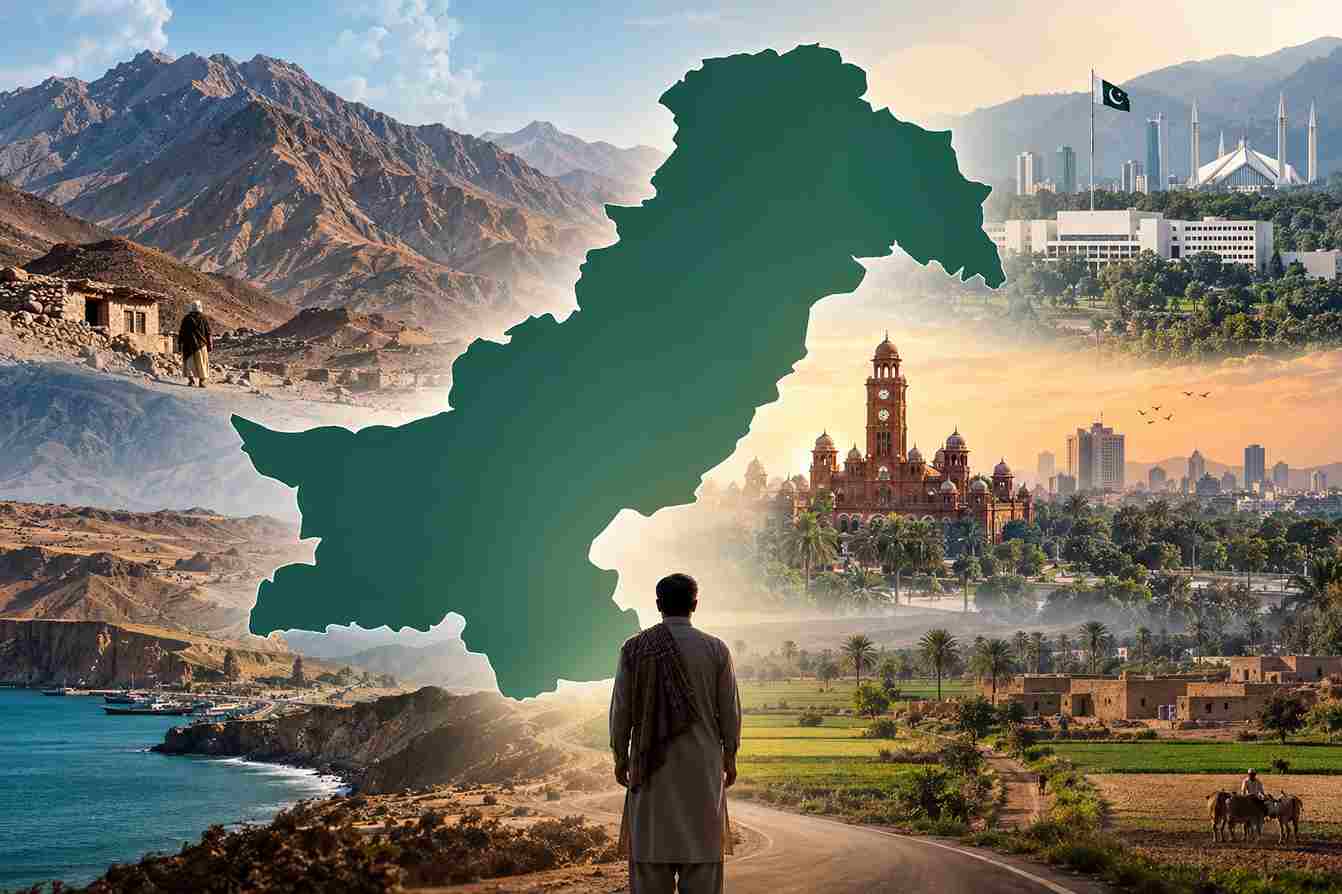
Pakistan’s urbanization is not a development story but a warning. Hyper-concentration in three metros is hollowing out the economy, ecology, and state capacity.

Pakistan’s urbanization is not a development story but a warning. Hyper-concentration in three metros is hollowing out the economy, ecology, and state capacity.

Once imagined as a neutral steel frame, India’s bureaucracy is undergoing a profound mutation. As faith becomes an instrument of alignment and fear a tool of discipline, the administrative state is drifting from constitutional neutrality toward ideological enforcement, with lasting consequences for democracy, governance, and state capacity.

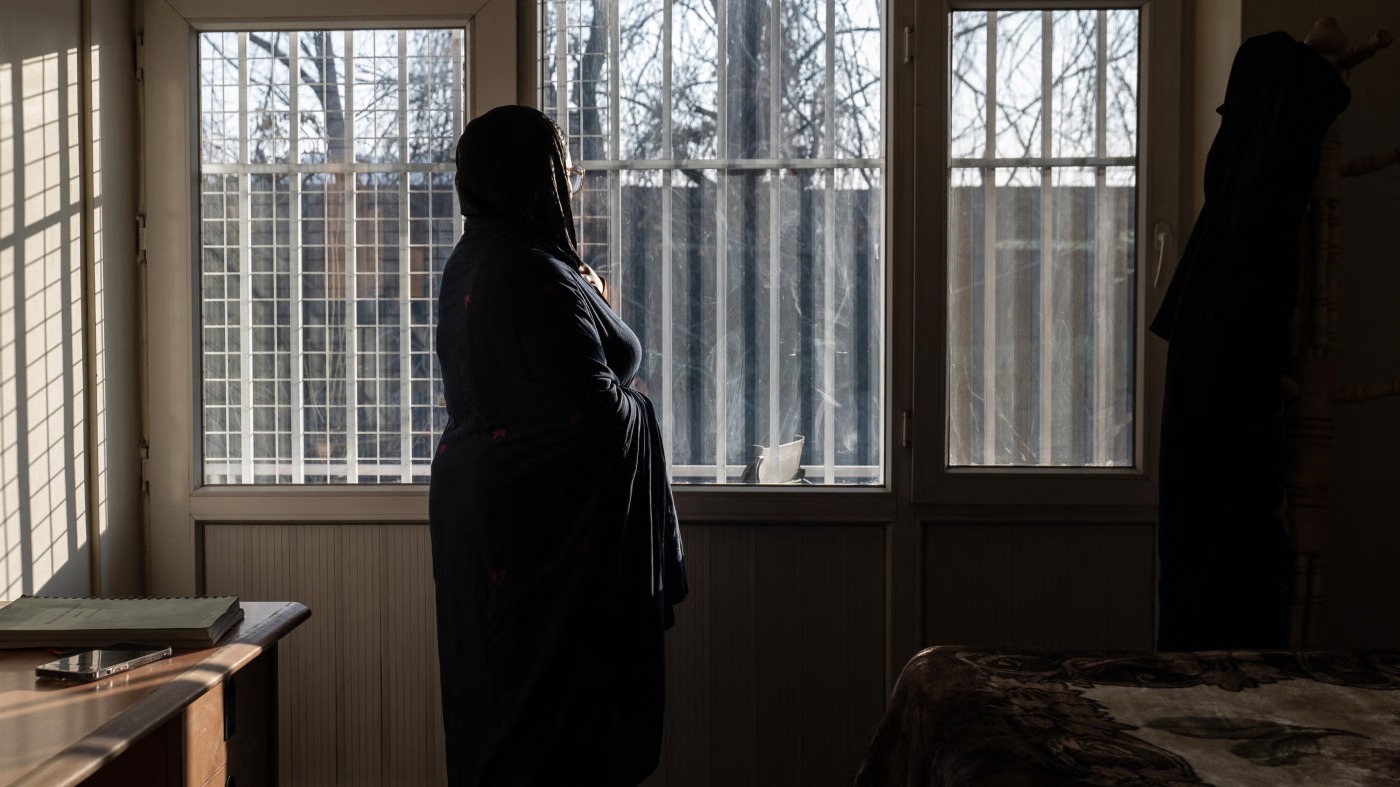
The Taliban’s new Criminal Procedure Code formalizes a four-tiered justice system that shields clerics and elites while subjecting ordinary Afghans to imprisonment and public flogging. By codifying social hierarchy into law, the regime violates international human rights norms and subverts Islam’s foundational promise of equality before the law, turning justice into an instrument of control rather than accountability.

The Durand Line’s transformation from a porous frontier to a fenced border is altering militant strategies, funding, and regional security. Jihadist networks like TTP and IS-K are adapting to these changes while local populations face social and economic pressures.

Iran’s 2026 currency crash was not a sudden shock but the result of sanctions, IRGC-dominated economics, and institutional decay undermining trust in the rial.

Social media platforms are not neutral arenas of free expression. Powered by opaque algorithms and AI-driven amplification, they increasingly shape political narratives and public perception, prompting non-Western states to frame platform regulation not as censorship, but as a question of digital and cognitive sovereignty.

The Dutch Disease has evolved. In today’s Global South, it is no longer driven only by oil and gas but by aid, remittances, and strategic rents that create fragile, consumption-led economies while eroding state capacity, productivity, and social trust.

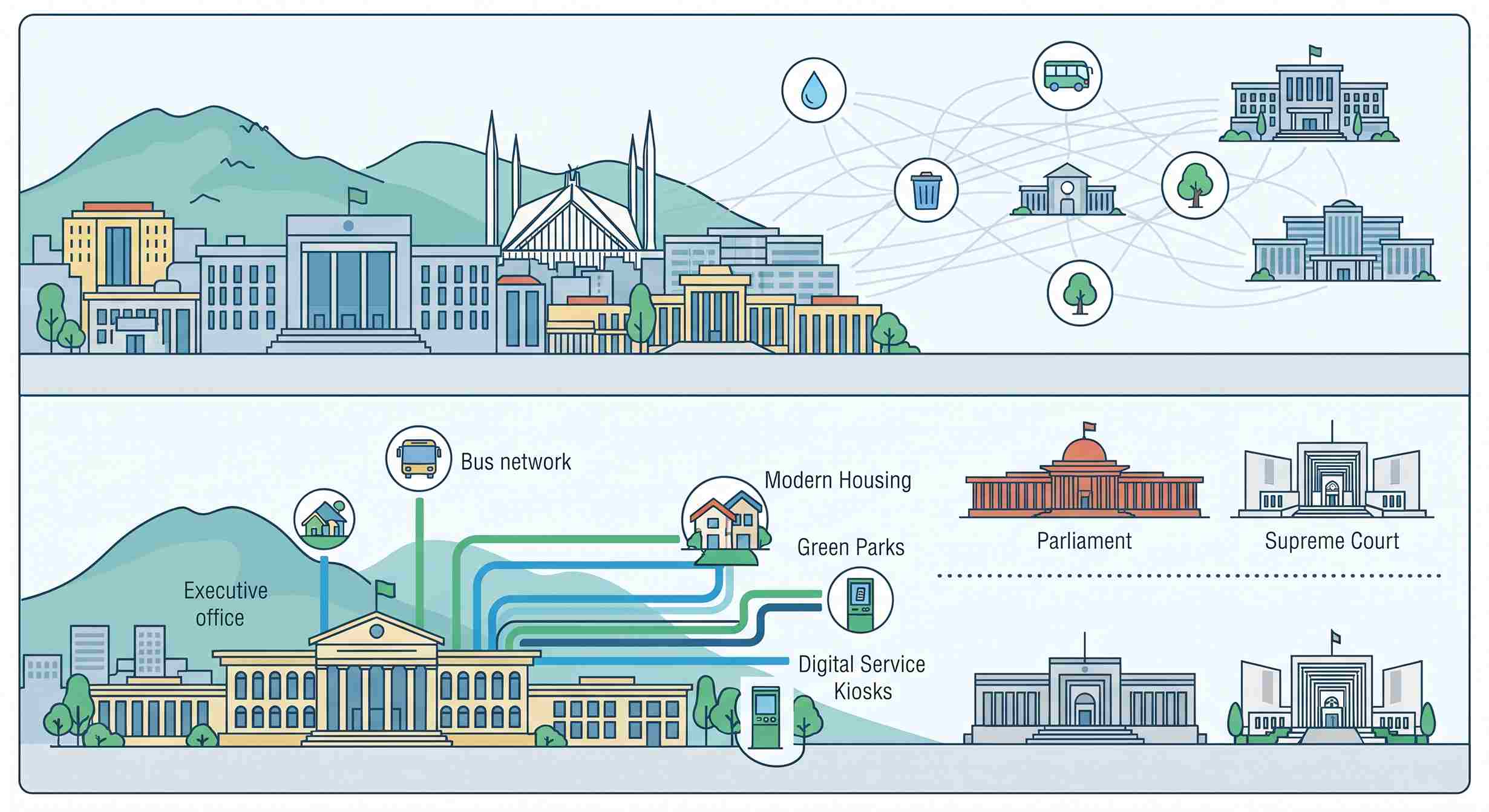
The 27th Amendment reforms Pakistan’s judiciary with specialized courts and accountable appointments, reflecting global democratic practices.

India’s shift toward Hindutva governance has transformed identity into policy. As citizenship, culture, and power merge, over 28 crore minorities are pushed to the margins—fracturing institutions, normalising exclusion, and leaving long-term scars on the republic’s social fabric.

Behind Taliban social media showcases of female factory work lies a Potemkin model of governance. Selective visibility and performative economics obscure a system of gender apartheid, educational exclusion, and long-term economic decline. Drawing on UN and rights-group data, this analysis exposes how propaganda-driven inclusion narratives collapse under empirical scrutiny.