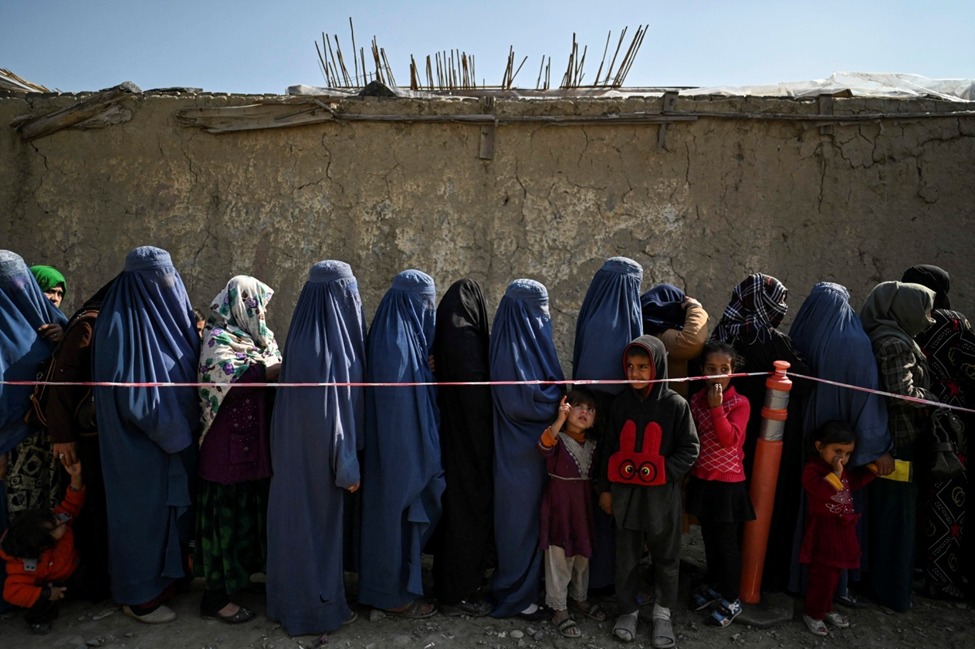
Kabul experienced unprecedented rainfall on Tuesday, causing widespread flooding in several districts. The downpour, which began early in the morning, continued for several hours, inundating roads and disrupting normal life. The Afghanistan Meteorological Department has warned of more rain in the coming days. Residents in low-lying areas have been advised to take precautionary measures and move to safer locations. Emergency services have been deployed to assist those affected by the flooding.
Ambassador-designate of Pakistan to the Islamic Republic of Iran, Mr. Imran Ahmed Siddiqui, commenced his assignment with visits to the holy cities of Qom and Mashhad. The visits underscored the deep bonds of spirituality, scholarship, and culture that have long connected the… pic.twitter.com/7mxzwpnTh8
— Pakistan Embassy Iran (@PakinIran) June 1, 2026

The paper trail runs from a US inspector general’s report to forty million dollars a week to training camps sheltering the TTP, Al Qaeda, and a growing list of anti-Pakistan militant networks.
Start with the part that nobody in Kabul or Washington can spin away, because it is not coming from Islamabad. It is coming from SIGAR, the Special Inspector General for Afghanistan Reconstruction, the US government’s own watchdog for its Afghanistan spending. SIGAR’s own reporting confirms that roughly forty million dollars in cash has continued arriving in Afghanistan on a near-weekly basis since the Taliban takeover, with the United States remaining the largest single donor behind the flow. This is not an accusation. It is an audit.
Once that cash lands in Kabul, it enters a financial system SIGAR itself has flagged as compromised at the source, run through a Da Afghanistan Bank under the direct control of senior Taliban officials, with no operating safeguards against money laundering or terrorism financing. So the same US inspector general confirming the money exists is also the one confirming there is no functioning mechanism to stop it from being captured by the regime sitting on top of the banking system. Congress has heard this directly, lawmakers citing SIGAR’s own findings that the aircraft carrier-sized sums moving through this pipeline cannot be fully tracked once they cross into Taliban controlled territory.
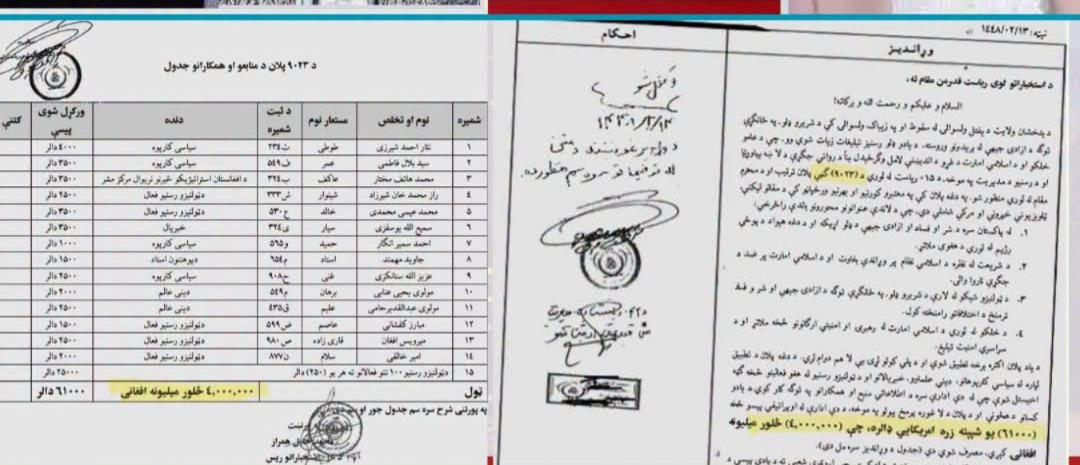
That is where the humanitarian branding stops meaning anything because the same forty million dollars a week that keeps the Taliban’s central bank liquid is propping up a state whose own leaked budget shows nearly half its revenue funneled into defense, interior affairs, and intelligence, the exact ministries responsible for what comes next.
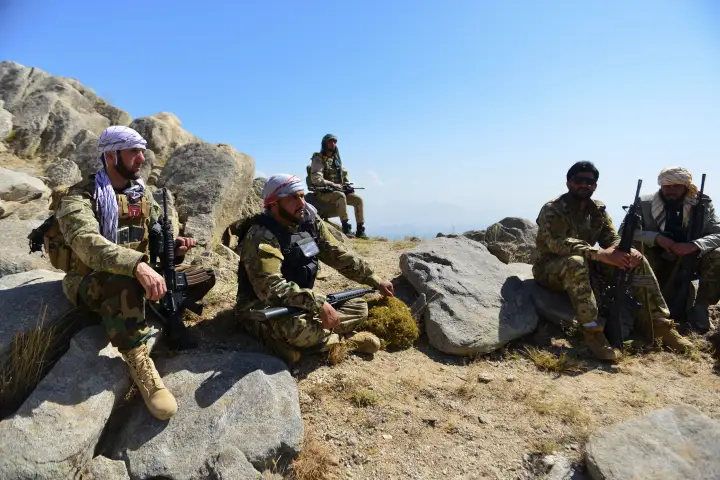
What comes next is not contained to Afghanistan. The United Nations Security Council’s own Analytical Support and Sanctions Monitoring Team has documented, report after report, that the Taliban continues providing sustained financial and logistical support to the Tehrik-e-Taliban Pakistan, a UN-sanctioned affiliate of Al Qaeda. The Monitoring Team’s assessment puts the number of TTP fighters sheltered inside Afghan territory at around six thousand, operating with training camps, safe houses, and freedom of movement the Taliban has never seriously restricted. The result, documented in the same reporting, was over six hundred TTP attacks on Pakistani soil in a single year, the deadliest run of cross-border terrorism this region has seen since the US withdrawal.
Al Qaeda has not gone anywhere either. Independent monitoring places its training infrastructure across a dozen Afghan provinces, from Kandahar to Kunar to Nangarhar, operating alongside the Haqqani Network and Al Qaeda in the Indian Subcontinent, all sharing the same territory the Taliban insists it fully controls when convenient and cannot be held responsible for when it isn’t. The UN’s own language leaves no ambiguity, describing TTP as having been accorded greater liberty and support from the Taliban’s de facto authorities, support that directly correlates with the surge in attacks against Pakistan.
So walk the chain in order. Washington sends aid under a humanitarian label. SIGAR confirms the cash keeps moving weekly, unable to guarantee it bypasses the Taliban. That liquidity flows into a state budget that spends nearly half its revenue on security and intelligence services rather than public welfare. That same security apparatus coexists, by the UN’s own documentation, with training camps and safe houses for TTP, Al Qaeda, and their affiliates. And that infrastructure produces a body count on the Pakistani side of the border that has forced Islamabad into open military confrontation with Kabul as of this year.
None of this required Pakistani intelligence to expose. It required reading SIGAR’s own reports and the UN Security Council’s own Monitoring Team findings, both Western institutions, both confirming the same uncomfortable arithmetic the Taliban would rather nobody added up out loud. The emirate takes the money in the name of feeding its people and spends it protecting the networks that attack its neighbors. If Kabul disputes any link in this chain, it can start by explaining why UN monitors keep finding TTP training camps on territory it claims to fully govern.