“We are the first generation to feel the impact of Climate Change and perhaps the last generation that can do something about it”
-Barack Obama
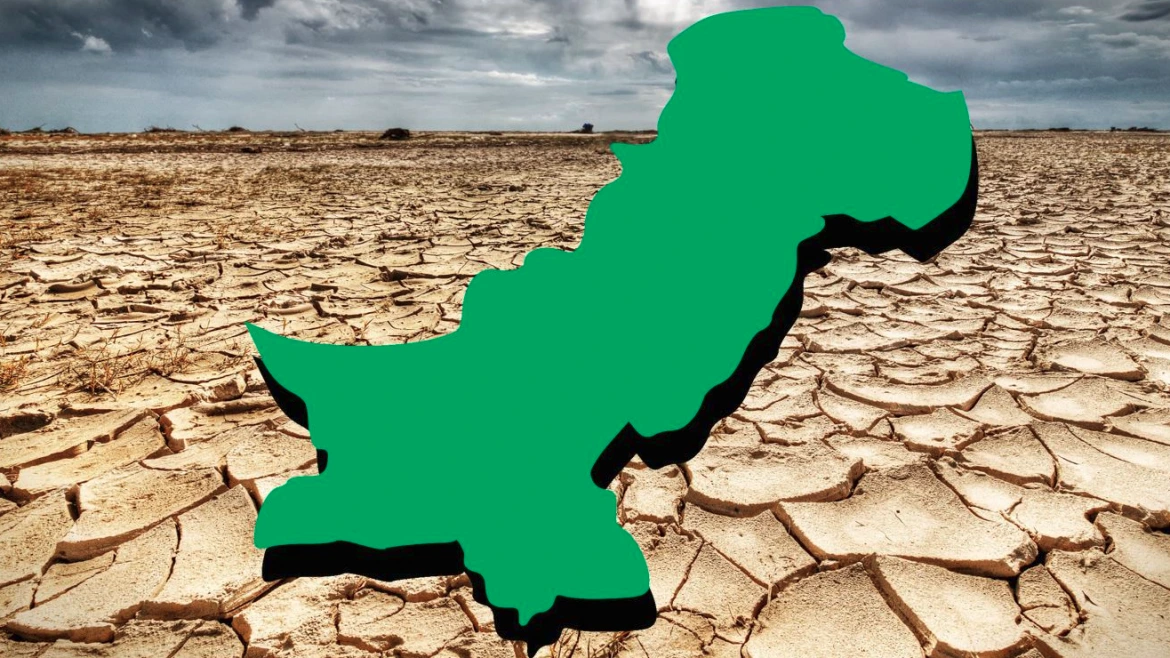
Napoleon Bonaparte once said, “Geography is destiny.” Pakistan, a nation that is at the forefront of climate risk, finds great resonance in this statement. Pakistan’s geography, which includes melting glaciers in the north and increasing sea levels in the south, portrays both its natural beauty and its vulnerability to natural calamities. The National Climate Change Policy (NCCP), which was revised in 2021, was created by the government in 2012 in response to these growing risks. With more than 120 initiatives centered on both mitigation and adaptation tactics, this policy offers a thorough framework. It places a strong emphasis on managing water resources sustainably by using rainwater collection, advanced irrigation methods, and upgraded storage facilities. Additionally, by encouraging afforestation, conservation efforts, and community involvement, particularly among indigenous groups who have traditionally protected ecosystems, the strategy tackles the mounting danger to forestry and biodiversity. Given that Pakistan is becoming more and more threatened by the negative consequences of climate change, the National Climate Change Policy (NCCP) is very important. Pakistan confronts significant environmental, economic, and social issues as a result of its geographic vulnerability to floods, droughts, and glacial melt. By emphasizing both adaptation and mitigation, the NCCP provides a strategic and practical road map to combat these risks. Given that agriculture, Pakistan’s main economic sector, depends so significantly on steady water supply, its emphasis on sustainable water resource management is especially important. Additionally, the policy encourages environmental stewardship at the local level by supporting afforestation, biodiversity conservation, and community involvement, guaranteeing that traditionally diminished voices are heard in climate action.
In addition to that, The NCCP also acknowledges the negative effects of climate change on coastal regions, desert zones, and wetlands. Building protective barriers, preserving wetland ecosystems, and growing salt-tolerant plants are some of the integrated management techniques it suggests. Notably, the policy specifies certain actions to lower marine pollution and guarantee sediment flow continuity in order to maintain aquatic biodiversity. The strategy also recommends improved urban drainage systems, early warning systems, and community-based risk reduction programs as ways to prepare for disasters. Important elements of this strategy include managing flood hazards and keeping an eye on glaciers, as well as boosting institutional responsibilities and financial resources for efficient disaster response. A critical analysis of this NCCP component draws attention to the inconsistency between execution and policy. Even though the suggested strategies, which include ecosystem preservation, early warning systems, and protective infrastructure, are comprehensive, Pakistan still faces major implementation obstacles because of a lack of institutional capacity, insufficient funding, and ineffective bureaucracy. Furthermore, there is frequently a lack of coherence in the collaboration between federal and provincial organizations, which compromises environmental management and disaster preparedness. These benevolent policies run the risk of remaining on paper if there isn’t sufficient political will, openness, and community involvement in their implementation. This would leave vulnerable areas, particularly dry and coastal areas, exposed to growing climate challenges with little ability to adapt.
Equally important, the NCCP incorporates socio-economic dimensions, recognizing the uneven impact of climate change on marginalized communities and women. It advocates for integrating climate concerns into poverty alleviation and population planning strategies, improving technological access for vulnerable populations, and ensuring gender-sensitive adaptation policies. The policy encourages active participation of women in environmental decision-making, underlining their essential role in resource management. Meanwhile, mitigation strategies are focused on transitioning to clean energy by expanding renewable sources such as hydropower, solar, and wind energy. The policy also supports the development of safe nuclear power, the imposition of carbon taxes, and the promotion of cleaner fossil fuel technologies to reduce overall greenhouse gas emissions. Using inclusive and participatory government to successfully implement the NCCP’s socioeconomic and mitigation initiatives provides a hopeful path forward. Pakistan may lessen its dependency on fossil fuels and generate green jobs, especially for young people and underserved communities, by giving priority to investments in renewable energy infrastructure, such as wind and solar farms. At the local level, empowering women via education, training, and leadership positions in climate governance can improve resilience and guarantee that adaption strategies are sustainable and pertinent to local communities. Furthermore, addressing fundamental liabilities can be facilitated by incorporating climate concerns into population and poverty reduction initiatives. Through the provision of money and technical assistance, international climate financing institutions and partnerships can further support these projects. Pakistan has the ability to reduce climate risks and serve as a regional model for just and sustainable climate action by coordinating its national policies with international frameworks and guaranteeing their transparent and accountable execution.
Finally, the NCCP expands its mitigation agenda to include urban development, transportation, and energy efficiency. It emphasizes the necessity of better transmission infrastructure, energy-saving legislation, and incentives for environmentally friendly technologies. Fuel-efficient automobiles, improved public transportation, and the encouragement of green transportation are all recommended by the policy in the transportation sector. With suggestions for wastewater treatment, appropriate waste disposal, and the construction of zero-emission buildings, sustainable city planning is also considered crucial. The NCCP demonstrates a determined attempt to handle climate hazards holistically by coordinating national efforts with the scientific recommendations of the Intergovernmental Panel on Climate Change (IPCC). To ensure that Pakistan has a future that is climate resilient, this strategy must be implemented with coordination among institutions, consistent funding, and international cooperation. The NCCP can be used as a blueprint for climate-smart development if it is supported by robust governance and international collaborations. It is a commitment to future generations for a secure and sustainable Pakistan, not merely a set of policies. Pakistan has the capacity to change climate vulnerability into climate resilience with careful execution and persistent dedication. As they say, “The best way to predict the future is to create it”, and with a coordinated effort, a greener, safer and promising future is within reach.
The views expressed in this article are the author’s own. They do not necessarily reflect the editorial policy of the South Asia Times.

Aiza Jaffery is a graduate in International Relations from the University of Peshawar, where she was recognized by the Vice Chancellor for academic excellence. She is currently serving as a Research Assistant in the Department of International Relations and specializes in climate change and environmental security in South Asia. Aiza has contributed to the field through publications in the departmental research journal and is passionate about advancing sustainable policy solutions.