How Sanctions, Militarized Economics, and Institutional Decay Broke Iran’s Currency
Iran’s 2026 currency crash was not a sudden shock but the result of sanctions, IRGC-dominated economics, and institutional decay undermining trust in the rial.

Iran’s 2026 currency crash was not a sudden shock but the result of sanctions, IRGC-dominated economics, and institutional decay undermining trust in the rial.

Iran’s 2025–26 unrest reflects simultaneous pressure on economic stability, political legitimacy, and state coercive capacity, marking a critical juncture for the Islamic Republic.

Ayatollah Ali Khamenei’s January 3, 2026 address reflects an Islamic Republic under acute economic and social strain. By validating bazaar grievances while condemning protest tactics, the leadership seeks to divide dissent and preserve regime authority amid a collapsing Rial.

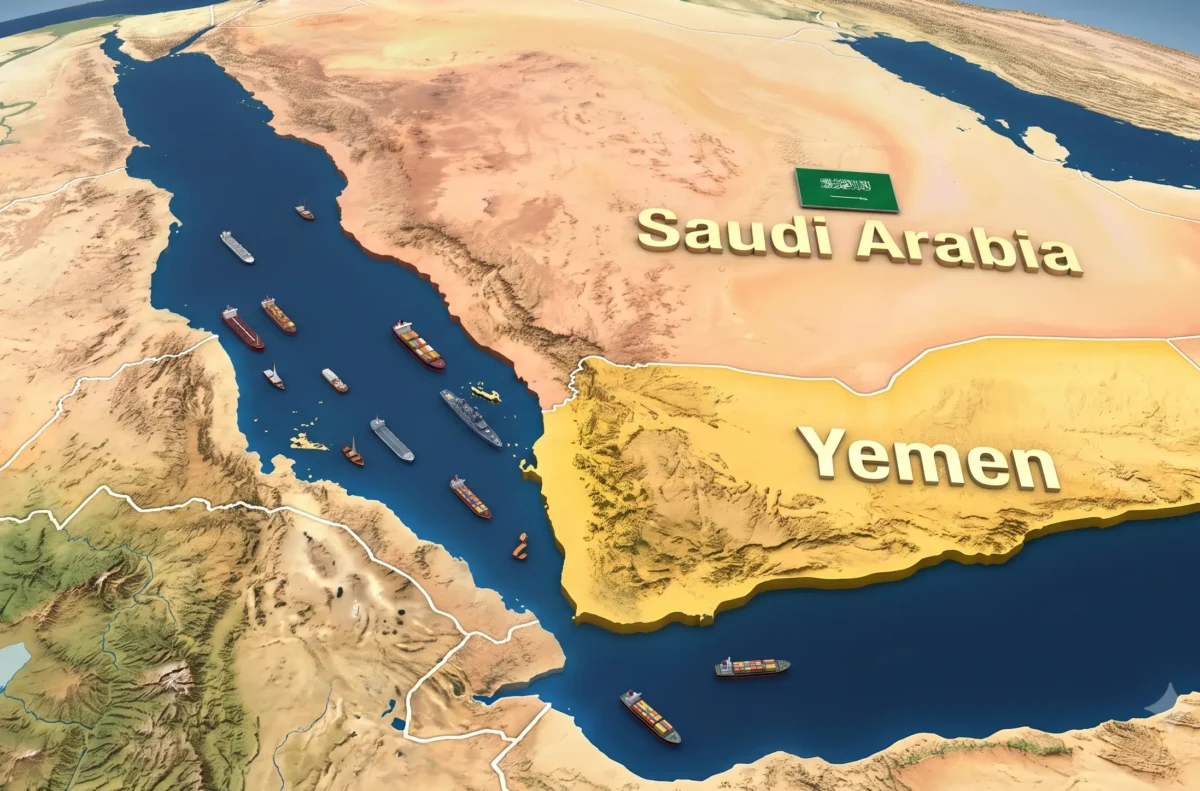
Renewed hostilities in Yemen’s eastern Hadramout governorate signal more than a local power struggle—they reveal a deep structural fracture within the anti-Houthi camp. As UAE-backed Southern Transitional Council forces push into areas held by Saudi-supported government units, the collapse of the Riyadh Agreement risks reviving extremist sanctuaries, destabilizing Red Sea security, and accelerating Yemen’s slide toward permanent partition.

As 2025 ends, Yemen’s anti-Houthi coalition collapses. The Saudi-UAE split leaves rival militias and foreign powers vying for control, deepening the humanitarian crisis.

Qatar’s diplomacy has long been framed as pragmatic engagement, but its mediation model has increasingly blurred into political patronage. By hosting and legitimizing groups such as the Taliban and Hamas without enforceable conditions, Doha has helped normalize armed movements in international politics, weakening counterterrorism norms and reshaping regional stability.

The expulsion of Saudi-backed forces from Hadhramawt by UAE-aligned proxies signals the collapse of the Riyadh-Abu Dhabi alliance. In Yemen and Sudan, Abu Dhabi leverages non-state actors to secure ports, resources, and influence, while Riyadh prioritizes state stability and territorial consolidation. The result: a regional realignment where Gulf unity gives way to fierce intra-Gulf competition.

The Gulf’s air-power evolution is increasingly shaped by the fusion of advanced platforms with modern doctrine and faster decision cycles. As regional forces adapt to complex threat environments, partners like Pakistan, whose operational experience spans multiple domains, are becoming part of the broader conversation on future air-power thinking.

A new Gaza peace plan by Donald Trump has international backing and a surprising partial acceptance from Hamas. However, its journey toward lasting peace is threatened by critical deal-breakers and the unresolved core question of Palestinian political sovereignty.

A 20-point Gaza peace plan, initially hailed by a coalition of eight Muslim-majority nations, represented a rare moment of consensus in Middle East diplomacy. But this optimism was short-lived. Following a pivotal meeting between US and Israeli leaders, the plan was radically altered, transforming a multilateral framework into a security-centric arrangement that alienated its initial backers and triggered a crisis of trust. This is the story of how a potential breakthrough unraveled into a diplomatic failure.