The Iran War Beyond the Military Front
The Israel-Iran conflict is not just limited to military front, the spillover effect of war is directly impacting food, water and fertilizer security.

The Israel-Iran conflict is not just limited to military front, the spillover effect of war is directly impacting food, water and fertilizer security.

Explore how the 2025 Saudi-Pakistan Strategic Mutual Defense Agreement (SMDA) signals a return to “organized ambiguity” in the Gulf, challenging India’s diplomatic assumptions and reshaping South Asian geopolitics.

Netanyahu’s press conference merged military triumphs with religious rhetoric, signaling a dangerous escalation across the Middle East.

Explore how classical and structural realism explain the Iran-Israel rivalry. Discover how the pursuit of power and the “security dilemma” shape the volatile Middle East.
![US Embassy in Riyadh, Saudi Arabia, amid heightened regional tensions following the Iran crisis. [Image via AFP]. US Embassy in Riyadh, Saudi Arabia, amid heightened regional tensions following the Iran crisis. [Image via AFP].](https://southasiatimes.org/wp-content/uploads/2026/03/image-3-3-scaled-1.webp)
The 2026 Iran crisis reveals deeper geopolitical ambitions behind US escalation and its impact on Middle Eastern power dynamics.

Is the conflict with Iran a strategic necessity or a “divine plan”? Analyze how messianic imperatives in the US military are threatening global stability.

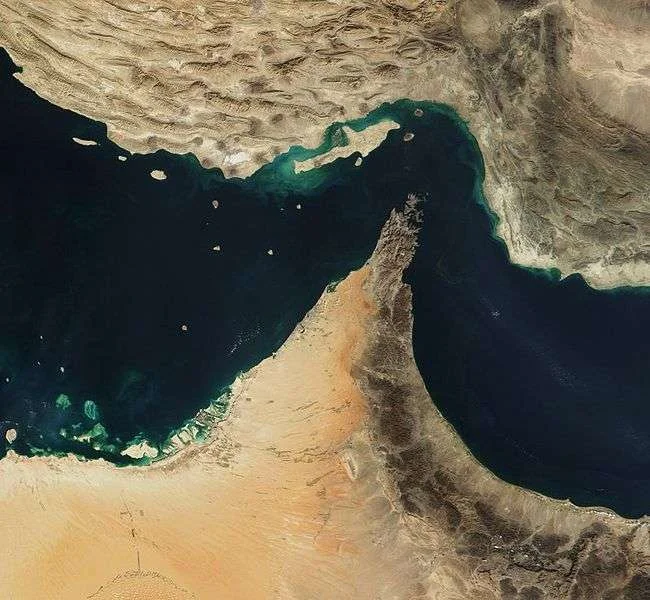
Explore the global fallout of the blockade of the Strait of Hormuz following Operation Epic Fury. Analyse the surge in oil prices, US struggle for energy hegemony, and the risk of a global recession

The escalating tensions between US-Israel and Iran threaten Pakistan’s economy, security, oil imports, remittances, and regional stability amid border conflicts.

Discover why US-Israel air strikes on Iran during Operation Epic Fury will fail to force regime change due to airpower limitations
Content Category: Commentary

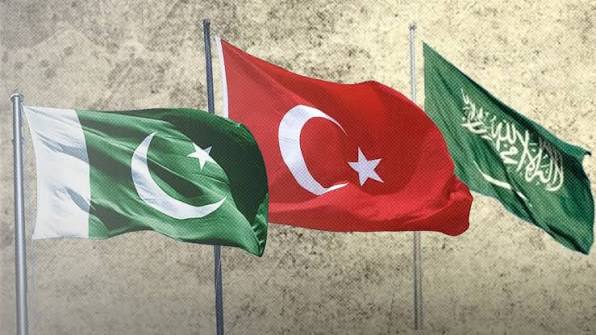
In a rapidly fragmenting global order, Pakistan, Turkey, and Saudi Arabia are exploring a trilateral defense arrangement that could redefine regional security architectures. Often dubbed an Islamic NATO, the proposed pact reflects a broader shift by middle powers toward strategic autonomy as US security guarantees wane. This convergence signals the merging of Middle Eastern and South Asian strategic theaters into a single geopolitical map.