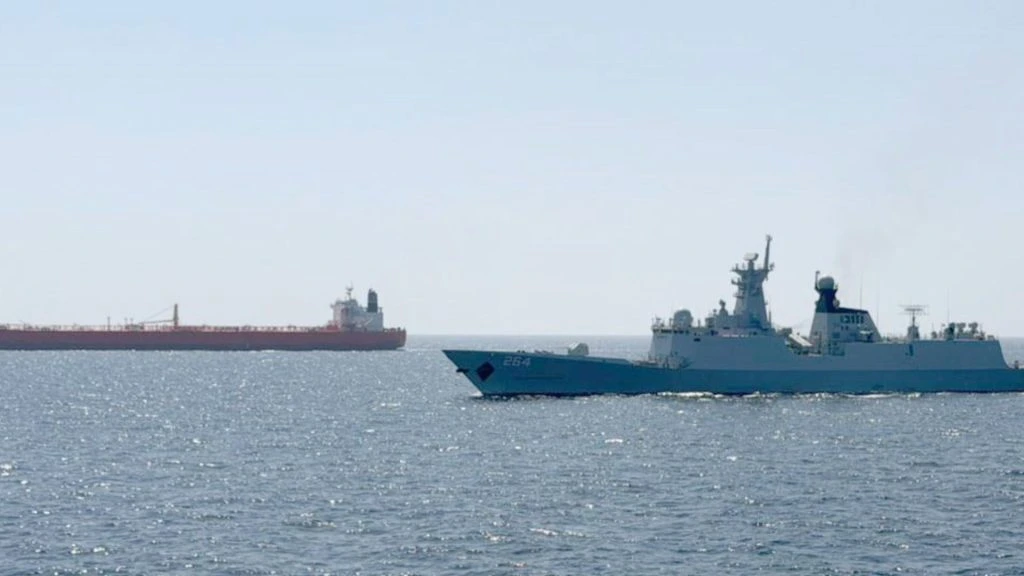
Operation “Epic Fury” and the Limitations of Air Power
Discover why US-Israel air strikes on Iran during Operation Epic Fury will fail to force regime change due to airpower limitations
Content Category: Commentary

Discover why US-Israel air strikes on Iran during Operation Epic Fury will fail to force regime change due to airpower limitations
Content Category: Commentary

In a rapidly fragmenting global order, Pakistan, Turkey, and Saudi Arabia are exploring a trilateral defense arrangement that could redefine regional security architectures. Often dubbed an Islamic NATO, the proposed pact reflects a broader shift by middle powers toward strategic autonomy as US security guarantees wane. This convergence signals the merging of Middle Eastern and South Asian strategic theaters into a single geopolitical map.

Sources suggest the Taliban has offered immediate access to Bagram Airbase for potential strikes against Iran in exchange for continued U.S. aid. Beyond military leverage, the offer underscores Afghanistan’s acute humanitarian crisis and the Taliban’s reliance on external support, highlighting the complex interplay between strategy, politics, and survival in a fragile state.

As the liberal international order fragments, Pakistan has executed a decisive shift from defense dependency to indigenous production. Through exports, combat validation, and joint industrialization, Islamabad is redefining sovereignty as an industrial and diplomatic asset.

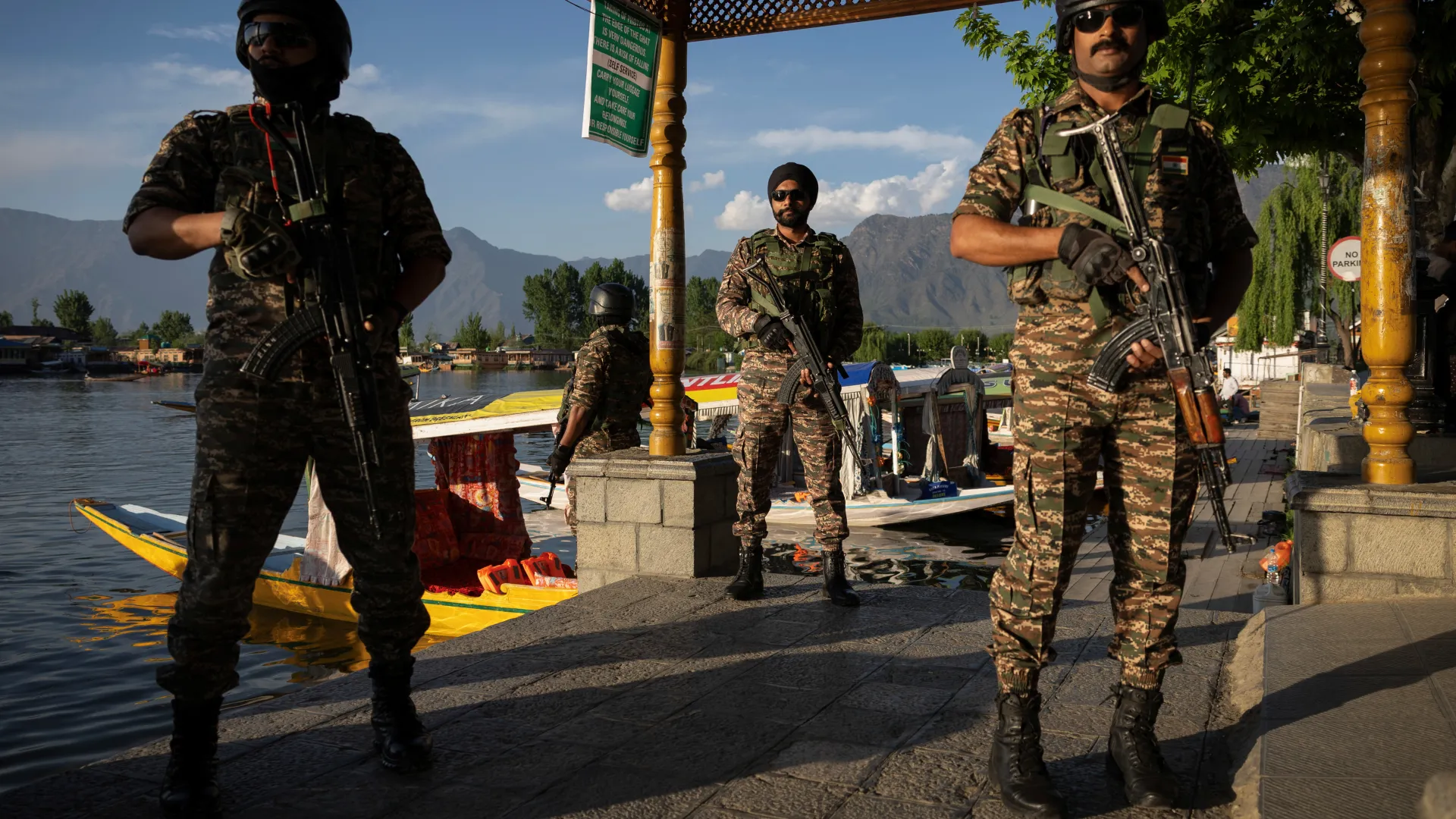
From the Sundarji Doctrine to Cold Start and 2025’s Operation Sindoor, India’s offensive doctrines aimed at rapid strikes against Pakistan repeatedly backfired, exposing operational gaps and narrowing its strategic options in multi-domain warfare.

December 2025 marked a turning point in Afghanistan’s post-2021 resistance. Coordinated, intelligence-driven attacks across Kunduz and Badakhshan signaled that anti-Taliban forces have moved beyond symbolic defiance into a sustained campaign of urban-centric insurgency. Deprived of territory, external patrons, and conventional warfare options, groups like the NRF and AFF are adapting through mobility, information warfare, and selective strikes, pointing toward a long war defined by endurance rather than frontlines.

Rare earth metals have become the backbone of modern military power and clean-energy technology. As China dominates nearly every stage of the REE supply chain, Western states scramble to secure alternatives, transforming mineral access into the defining battleground of a new global Cold War.

The crash of a Tejas fighter at the Dubai Air Show has exposed deep structural flaws in India’s flagship indigenous aircraft program. With two airframes lost in under two years and only a few hundred verifiable flying hours, the incident raises fresh questions about the LCA’s safety, its decades-long delays, and the strategic vulnerability created by India’s dependence on aging fleets. This piece explores how the Dubai crash fits into the broader struggle of a project that was meant to symbolize self-reliance but now risks becoming a cautionary tale.

The USCC’s 2025 report delivered a rare moment of clarity in South Asian geopolitics. By openly describing Pakistan’s military success over India, the Commission broke with years of cautious Western language and confirmed a shift many analysts had only hinted at. The report’s wording, and the global reactions that followed, mark a turning point in how the 2025 clash is being understood.

The Gulf’s air-power evolution is increasingly shaped by the fusion of advanced platforms with modern doctrine and faster decision cycles. As regional forces adapt to complex threat environments, partners like Pakistan, whose operational experience spans multiple domains, are becoming part of the broader conversation on future air-power thinking.