US And India Plan on Opening Top Universities in Both Countries

Possible Transfer of Education between India and America

The United States and India seem to be on the verge of a possible transfer of education scheme. Whereupon the setting up of top foreign universities in India is being finalized. Additionally, the two countries are also looking forward to greater cooperation between American and Indian universities to partner on the research front.

Taking to Twitter, the U.S State Department’s handle for Bureau of South and Central Asian Affairs said, “Welcome news that foreign universities may establish campuses in India & that Indian universities may do the same overseas. We look forward to opportunities for American and Indian universities to partner & collaborate on research to advance our understanding of the world.”

The details regarding the policy in question

According to an official statement, the Union Cabinet chaired by the Prime Minister Narendra Modi approved the National Education Policy (NEP) 2020 on July 29, making way for large scale, transformational reforms in both school and higher education sectors.

Salient Features

High performing Indian universities will set up campuses in other countries. The Top 100 universities in the world will operate in India. Moreover, universities will be given special dispensation regarding regulatory, governance, and content norms on par with other autonomous institutions of India.

Furthermore, research collaboration and student exchanges between Indian institutions and global institutions will be promoted through special efforts. Similarly, a transfer of credits scheme will allow credits acquired in foreign universities to go towards a degree completed in India.

Lessons for Pakistan

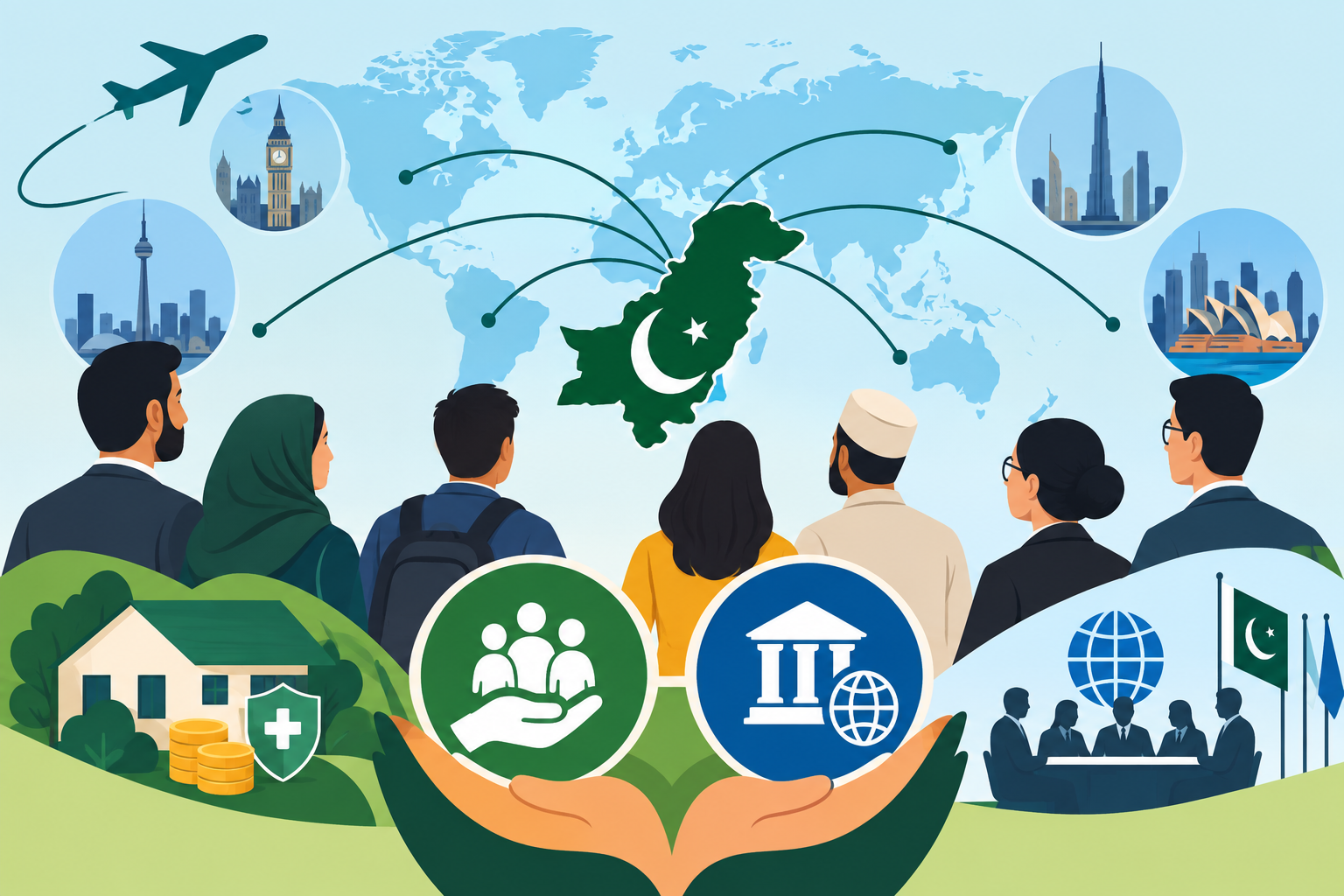
Pakistan needs to follow this issue closely. We need to understand how developments in the arena of education take place between India and America. If world-class universities are to open in India than the overall standard of education in the country will increase greatly. This means much more competition for jobs abroad against better qualified skilled labor from our neighbors.

Education scheme

Pakistan’s first step should be to ensure the appointment of relevant people in its national seats in foreign universities. Throughout the tenure for which they are available. Only if we make full use of those seats can we put forward our agenda at a global level? India has made great use of its educational ambassadors in similar seats. Owing to which such partnerships are now coming through.

News Desk

Your trusted source for insightful journalism. Stay informed with our compelling coverage of global affairs, business, technology, and more.
Recent

Centralized Power and the Core–Periphery Divide in Afghanistan

Centralized Power and the Core–Periphery Divide in Afghanistan

The Islamic Emirate of Afghanistan’s return in 2021 brought rapid consolidation of power, but also the revival of a historical flaw. By concentrating authority in the hands of southern Pashtun elites, the Taliban have recreated the core–periphery divide that has destabilized every Afghan regime since the 19th century. This hyper-centralization, rooted in ethnic exclusivity and Kandahar dominance, risks a repeat of past collapses as non-Pashtun regions turn toward functional autonomy.

Read More »
Broken Promises: The Taliban’s Betrayal of Global Commitments

Broken Promises: The Taliban’s Betrayal of Global Commitments

Nearly three years after seizing power, the Taliban’s systematic violation of their international commitments under the 2020 Doha Accord has transformed Afghanistan into a sanctuary for terrorism, entrenched an autocratic regime, and institutionalized gender apartheid. Beyond moral failure, this deceit poses a grave threat to regional stability, international counterterrorism efforts, and the credibility of global diplomacy. Holding the regime accountable is now a strategic necessity, not a choice.

Read More »
Do You Remember 6/11/ 1947?: A Forgotten Jammu Genocide and the Continuing Erasure of Kashmiriyat

Do You Remember 6/11/ 1947?: A Forgotten Jammu Genocide and the Continuing Erasure of Kashmiriyat

On November 6, 1947, one of South Asia’s earliest genocides unfolded in Jammu, where hundreds of thousands of Muslims were massacred or forced to flee. Yet, unlike other global tragedies, this atrocity remains buried in silence. The Jammu Genocide not only reshaped the region’s demography but laid the foundation for India’s ongoing campaign of identity erasure in Kashmir. From demographic engineering to cultural censorship, the spirit of Kashmiriyat continues to face systematic annihilation.

Read More »
India’s Climate Policy after COP28: Net Zero 2070 — A Fair Promise or a Risky Postponement?

India’s Climate Policy after COP28: Net Zero 2070 — A Fair Promise or a Risky Postponement?

India’s Net Zero 2070 target reflects a delicate balance between development equity and climate urgency. While progress in renewables, green finance, and adaptation is visible, the absence of clear interim milestones risks turning ambition into delay. The real challenge lies in translating a distant horizon into measurable, near-term climate action before 2030.

Read More »
The Tehreek-e-Hijrat of 1920 and Its Parallels with Contemporary Refugee Politics

The Tehreek-e-Hijrat of 1920 and Its Parallels with Contemporary Refugee Politics

The Tehreek-e-Hijrat of 1920 saw thousands of Indian Muslims migrate to Afghanistan, only to be turned away when Kabul could no longer cope. A century later, Afghan officials criticise Pakistan’s refugee policies while ignoring their own historical refusal to host Muslim migrants. The parallel reveals not just irony, but the enduring challenge of compassion, capacity, and collective responsibility.

Read More »