![Chess pieces with Pakistan and India symbols face off amid an explosion, symbolizing rising tensions and Pakistan’s full-spectrum diplomacy manoeuvre. [Image via The Diplomat].](https://southasiatimes.org/wp-content/uploads/2025/05/thediplomat-2020-02-26-7.jpg)
In the silent theater of international relations, where every handshake is a calculated gambit and every whisper carries the weight of empires, Pakistan orchestrated a diplomatic ballet. It was a spectacle of strategic brilliance, a subtle waltz that shifted the very currents of influence from the sun-drenched plains of the East to the rugged horizons of the West.
The Eastern Tempest: India’s Aerial Bruising
The opening scene unfolded on April 22, 2025, with India’s familiar bluster emanating from Pahalgam. Like a character caught in a fading Bollywood epic, India bellowed threats, their words a grand but hollow echo against the backdrop of their rapidly diminishing air superiority. By the second week of May, the true cost of their bravado was etched in the skies: six of their jets had fallen, a brutal tally leaving their air defense system in tatters. This aerial bruising, a clear indicator of strategic miscalculation, set the stage for Pakistan’s next move.
The Western Gambit: A Diplomatic Overture
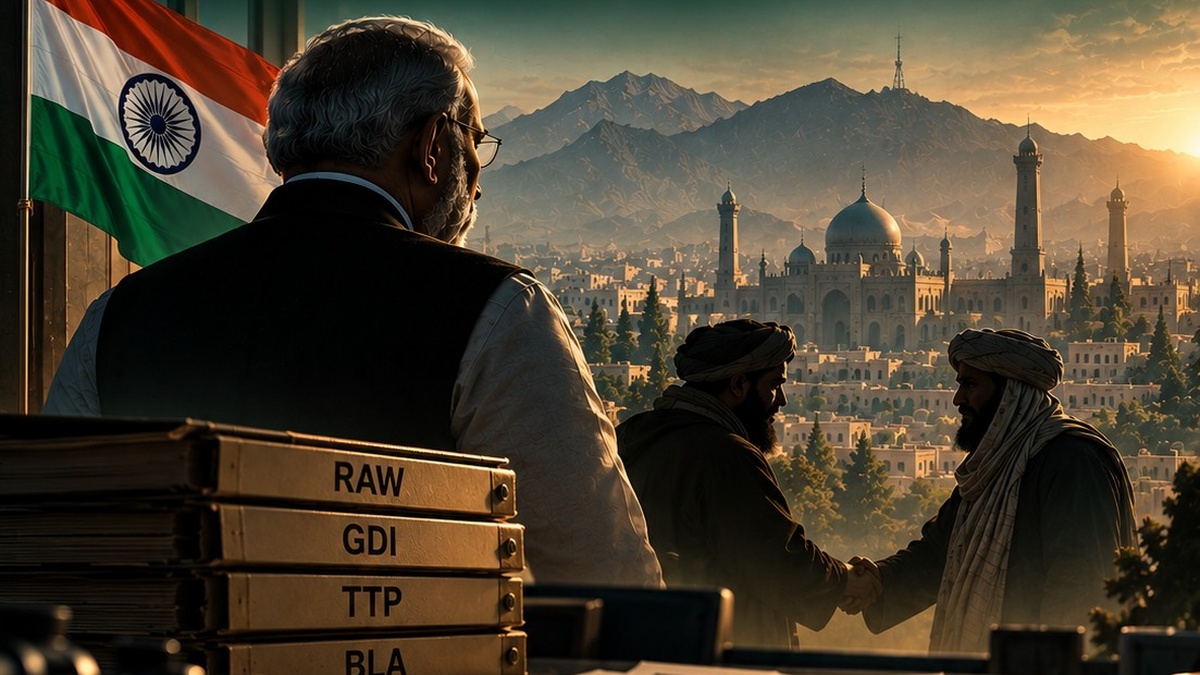
It was then, as India reeled from its losses, that Pakistan made its decisive move on the western stage. Like a master chess player, Pakistan dispatched its special envoy, Ambassador Sadiq, to Kabul. He arrived not alone, but with the quiet, formidable presence of Beijing’s special representative; China, a steadfast anchor in turbulent waters, lending its gravitas to the encounter. Kabul, a city long scarred by conflict, responded with the pragmatic grace of a seasoned diplomat. Even the Haqqani network, a wild card in regional affairs, offered assurances of tranquility, a testament to the meticulous groundwork laid, like hidden springs feeding a diplomatic river. This wasn’t merely a fleeting visit; it was the delicate blueprint for a sixth round of Trilateral talks in June, daringly scheduled amidst the very crucible of escalating tensions. Ambassador Sadiq, truly, was a maestro conducting a silent, yet powerful, symphony.
Unmasking the Illusions: A Strategic Counterpoint
India’s reaction was a predictable, clumsy echo of past missteps like “Op Sindoor.” Their Foreign Minister, Jaishankar, rushed to speak with Muttaqi, then took to social media, posting on the social media platform X, with the fervent dramatic flair of a manufactured crisis. The aim was clear: to sow discord, to cast shadows over the nascent gains of Pakistan and China. But such transparent theatrics demanded a response, one imbued with the unyielding strength of “Op Bunyan um Marsoos,” a solid rampart against manufactured chaos. And as the dramatic tension reached its zenith, Jaishankar’s performative bluff was, with quiet precision, called out.
Beijing, moving with the measured grace of a grandmaster, shifted its pieces. Invitations were extended, not only to Islamabad’s Foreign Minister, Ishaq Dar, but, crucially, to Kabul’s Muttaqi. This meeting, seemingly a spontaneous bloom, was in truth a deeply embedded seed within the meticulously cultivated diplomatic garden. Pleasantries were exchanged, new covenants forged, and then, a photograph. It wasn’t just an image; it was a silent, potent declaration, subtly rubbing salt into Jaishankar’s already stinging wound.
The consequences rippled swiftly: ambassadors were to be exchanged, and the China-Pakistan Economic Corridor (CPEC) was to extend its tendrils towards the ancient, arterial routes of Afghanistan. The vision, now boundless, reached further still. Tehran emerged as the next inevitable nexus, with Baku, Tashkent, and Dushanbe already poised to join this burgeoning regional constellation—a shared destiny, shimmering into existence.
The Unseen War: Triumph of Light
Today’s visit by Pakistan’s Prime Minister is not merely a victory procession; it is a profound follow-up, a reinforcing of these monumental diplomatic accretions. It carries a silent, yet resonant, message: those who stood in solidarity with Pakistan will find Pakistan standing with them, always, an unwavering beacon in the shared journey. India, observing these calibrated maneuvers, finds itself in a state of disquietude, a disorienting realization of a shifting world.
And the narrative’s reach extends beyond the western horizons. From the eastern front, a subtle yet significant victory was quietly claimed. Twenty Bangladeshi Chief Executive Officers (CEOs) were slated to journey to Baku for the culminating moot of the South Asian Microfinance Network (SAMFN). While the Indian President of SAMFN attempted to cast shadows, Pakistan swiftly moved to illuminate their path, providing unwavering assistance. They are all now in Baku, the moot commenced, a clear, unequivocal message transmitted: South Asia can indeed flourish, and perhaps even soar, unburdened by India’s lingering, sometimes overbearing, shadow.
This is the ongoing war, fought not amidst the clangor of visible conflict, but in the hushed chambers of diplomacy, away from the glittering glamour of our digital screens. It is a story of meticulous foresight, of perfectly timed interventions, and of the quiet, undeniable triumph of strategic light over the encroaching darkness of regional stasis.

Salman Javed is the CEO of South Asia Times (SAT) and a strategic communications professional with over 15 years of experience in research, media, public diplomacy, and geopolitical analysis. His areas of expertise include Pak-Afghan affairs, regional security, strategic narratives, and South Asian geopolitics. He has led multiple research and media initiatives aimed at bridging policy analysis with informed public discourse.