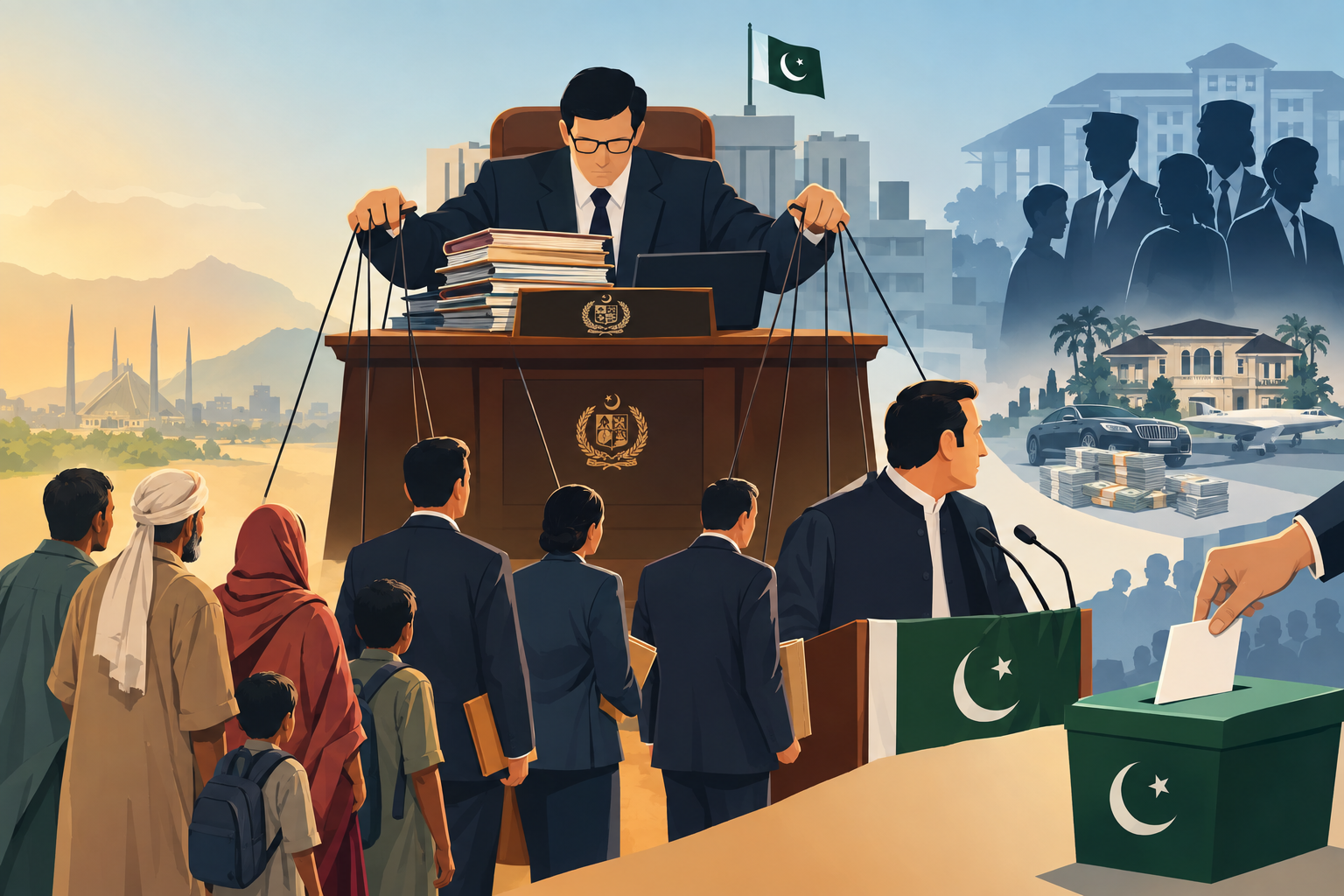
The Coordination Council of the Diplomatic and Consular Missions of the Islamic Republic of Afghanistan has issued a formal statement expressing profound concern over the Taliban’s recently promulgated criminal procedure code. According to the Council, the new legal framework represents a stark departure from Afghanistan’s previously established legal architecture, international obligations, and universally recognized human rights norms. Far from being a mechanism to ensure justice and equality, the code enforces a rigid, pre-modern order that entrenches discrimination, curtails fundamental freedoms, and undermines the principles of a pluralistic Afghan society.
Afghanistan remains a signatory to key international human rights instruments, including the International Covenant on Civil and Political Rights (ICCPR), the International Covenant on Economic, Social and Cultural Rights (ICESCR), the Convention on the Elimination of All Forms of Discrimination Against Women (CEDAW), and the Convention on the Rights of the Child (CRC). The Taliban’s criminal code violates these obligations by institutionalizing gender-based discrimination, criminalizing peaceful expression, dissent, and assembly, and facilitating arbitrary detention without due process. The law systematically undermines protections for women, children, minorities, and other vulnerable groups, thereby dismantling the social fabric necessary for stability, inclusion, and equality.
The Coordination Council emphasizes that the code replaces legal safeguards with arbitrary authority, effectively creating a clerical hierarchy above the law. Legal accountability is subordinated to status and loyalty: those aligned with the Taliban’s ideological framework gain de facto immunity, while dissenters face criminalization. The Council notes that this arrangement transforms criminal law into a mechanism for consolidating power rather than administering justice. The code rewards insiders, marginalizes outsiders, and freezes social hierarchies, operating as a tool of fear management and loyalty enforcement, hallmarks of authoritarian governance rather than legitimate jurisprudence.
The consequences for Afghan women and girls are severe and multi-dimensional. Between 2022 and 2024, the country recorded 840 incidents of gender-based violence, including the killings of 332 women, while public floggings, torture, and domestic abuse became normalized. Protections for survivors have been systematically dismantled. From 2025 to 2026, 2.2 million girls have been denied secondary and higher education. Projections from UN Women indicate child marriage may rise by 25%, adolescent childbirth by 45%, and maternal deaths by 50% in 2026. Women currently exercise only 17.3% of their basic rights, reflecting an unprecedented curtailment of freedoms and a deepening mental health crisis characterized by widespread anxiety, despair, and hopelessness.
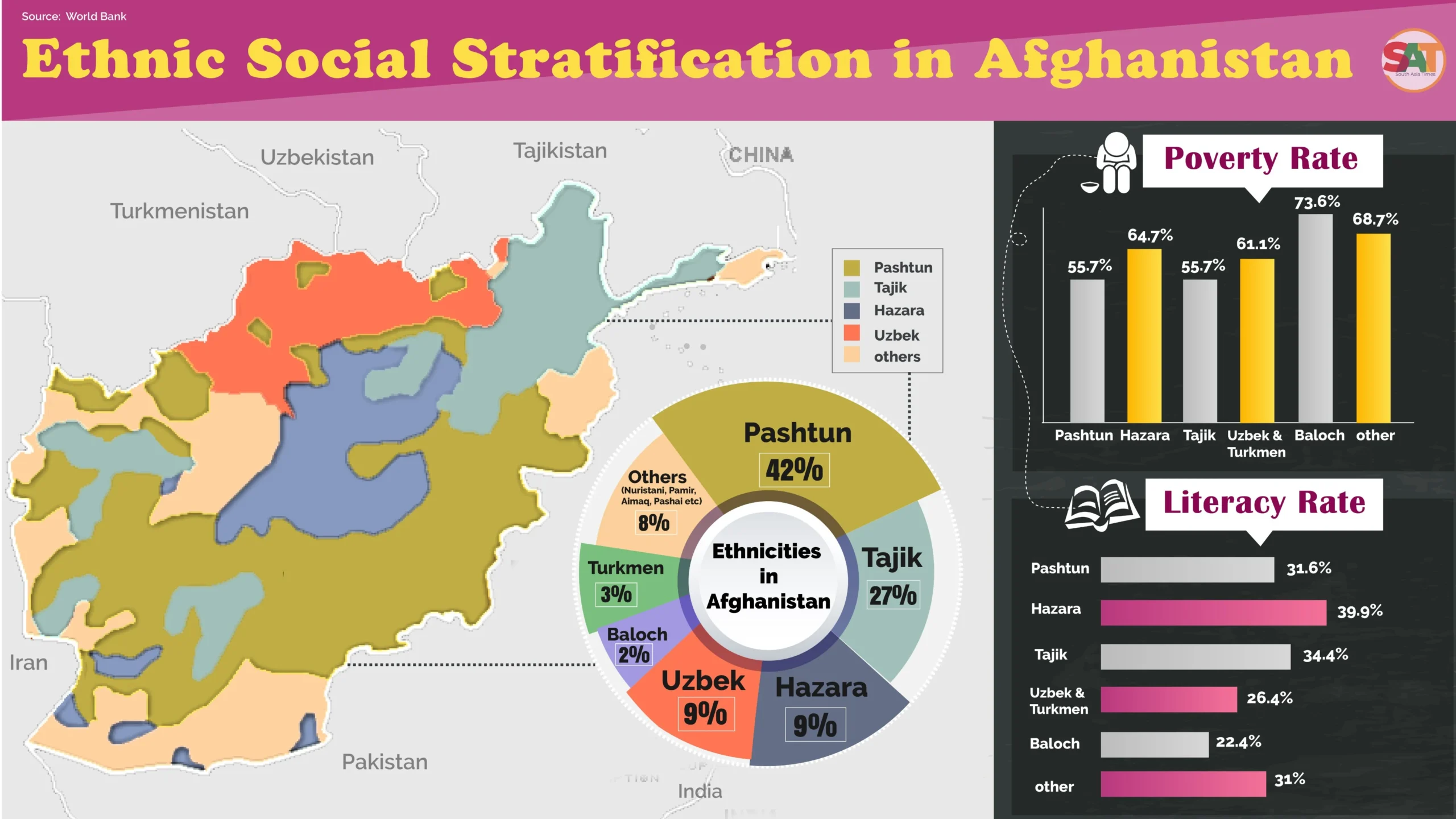
Ethnic and religious minorities also face intensified marginalization under this framework. Shias, Ismailis, and Salafis encounter systemic discrimination, while social and political structures are reorganized to favor Taliban loyalists. The code’s architecture deliberately consolidates authority among a narrow ideological elite, discouraging political competition, suppressing pluralism, and undermining Afghanistan’s historically diverse social fabric.
The Coordination Council calls on the United Nations, Organization of Islamic Cooperation, international partners, and human rights institutions to monitor these developments and support accountability measures. Afghanistan’s future, the Council asserts, must be grounded in popular sovereignty, equal rights, inclusive governance, and legal systems aligned with international human rights standards. Without external oversight and pressure, the Taliban’s criminal code threatens to institutionalize inequality, erode human dignity, and perpetuate social and political regression. The Taliban’s criminal procedure code is legally indefensible, socially corrosive, and historically regressive. It represents a systematic attempt to transform criminal law into a tool of power consolidation, embedding fear, loyalty, and hierarchical privilege into the legal system. Afghanistan’s citizens, particularly women, children, and minorities—bear the brunt of these measures, highlighting the urgent need for sustained international scrutiny and advocacy for a just, inclusive, and modern Afghan state.
Afghanistan under the Taliban: Law, Power, and Systemic Inequality
The Coordination Council of the Diplomatic and Consular Missions of the Islamic Republic of Afghanistan has issued a formal statement expressing profound concern over the Taliban’s recently promulgated criminal procedure code. According to the Council, the new legal framework represents a stark departure from Afghanistan’s previously established legal architecture, international obligations, and universally recognized human rights norms. Far from being a mechanism to ensure justice and equality, the code enforces a rigid, pre-modern order that entrenches discrimination, curtails fundamental freedoms, and undermines the principles of a pluralistic Afghan society.
Afghanistan remains a signatory to key international human rights instruments, including the International Covenant on Civil and Political Rights (ICCPR), the International Covenant on Economic, Social and Cultural Rights (ICESCR), the Convention on the Elimination of All Forms of Discrimination Against Women (CEDAW), and the Convention on the Rights of the Child (CRC). The Taliban’s criminal code violates these obligations by institutionalizing gender-based discrimination, criminalizing peaceful expression, dissent, and assembly, and facilitating arbitrary detention without due process. The law systematically undermines protections for women, children, minorities, and other vulnerable groups, thereby dismantling the social fabric necessary for stability, inclusion, and equality.
The Coordination Council emphasizes that the code replaces legal safeguards with arbitrary authority, effectively creating a clerical hierarchy above the law. Legal accountability is subordinated to status and loyalty: those aligned with the Taliban’s ideological framework gain de facto immunity, while dissenters face criminalization. The Council notes that this arrangement transforms criminal law into a mechanism for consolidating power rather than administering justice. The code rewards insiders, marginalizes outsiders, and freezes social hierarchies, operating as a tool of fear management and loyalty enforcement, hallmarks of authoritarian governance rather than legitimate jurisprudence.
The consequences for Afghan women and girls are severe and multi-dimensional. Between 2022 and 2024, the country recorded 840 incidents of gender-based violence, including the killings of 332 women, while public floggings, torture, and domestic abuse became normalized. Protections for survivors have been systematically dismantled. From 2025 to 2026, 2.2 million girls have been denied secondary and higher education. Projections from UN Women indicate child marriage may rise by 25%, adolescent childbirth by 45%, and maternal deaths by 50% in 2026. Women currently exercise only 17.3% of their basic rights, reflecting an unprecedented curtailment of freedoms and a deepening mental health crisis characterized by widespread anxiety, despair, and hopelessness.
Ethnic and religious minorities also face intensified marginalization under this framework. Shias, Ismailis, and Salafis encounter systemic discrimination, while social and political structures are reorganized to favor Taliban loyalists. The code’s architecture deliberately consolidates authority among a narrow ideological elite, discouraging political competition, suppressing pluralism, and undermining Afghanistan’s historically diverse social fabric.
The Coordination Council calls on the United Nations, Organization of Islamic Cooperation, international partners, and human rights institutions to monitor these developments and support accountability measures. Afghanistan’s future, the Council asserts, must be grounded in popular sovereignty, equal rights, inclusive governance, and legal systems aligned with international human rights standards. Without external oversight and pressure, the Taliban’s criminal code threatens to institutionalize inequality, erode human dignity, and perpetuate social and political regression. The Taliban’s criminal procedure code is legally indefensible, socially corrosive, and historically regressive. It represents a systematic attempt to transform criminal law into a tool of power consolidation, embedding fear, loyalty, and hierarchical privilege into the legal system. Afghanistan’s citizens, particularly women, children, and minorities—bear the brunt of these measures, highlighting the urgent need for sustained international scrutiny and advocacy for a just, inclusive, and modern Afghan state.
SAT Commentary
SAT Commentary
SAT Commentaries, a collection of insightful social media threads on current events and social issues, featuring diverse perspectives from various authors.
Recent
ISSI-UWC Joint Webinar Examines Pakistan-Russia Bilateral Relations Amid Shifting Global Order
The joint webinar organized by the Institute of Strategic Studies Islamabad and the University of World Civilizations named after V.V. Zhirinovsky, scheduled for 9 June
UK MPs Amplify Activist Claims Over Facts
When over thirty British Members of Parliament, led by Imran Hussain, wrote to the UK Foreign Secretary expressing concern over developments in Azad Jammu and
Taliban’s Broken Amnesty: A Promise Written in Sand
When the Taliban swept back into Kabul in August 2021, one of their earliest and most loudly broadcast assurances was a general amnesty for all
Afghan Diaspora Rejects Taliban Legitimacy Drive
On 4 June 2026, former Afghan Deputy Speaker Mohammad Asif Siddiqi led a demonstration outside the European Parliament Office in Madrid, joined by Afghan expatriates,
The Unlikely Broker: How Pakistan Rewrote Its Place in Washington’s World
There is a particular irony in watching Pakistan , a country Donald Trump once accused of harbouring terrorists while pocketing American aid, emerge as one