ISKP, the Taliban, and TTP: Leadership, Recruitment, and Regional Security Dynamics in South Asia
ISKP Taliban TTP dynamics explain post-2021 militancy, leadership rivalries, recruitment shifts, and regional security risks in South Asia.

ISKP Taliban TTP dynamics explain post-2021 militancy, leadership rivalries, recruitment shifts, and regional security risks in South Asia.

India’s democracy was born without a revolution. As electoral integrity weakens and institutions hollow out, this absence of a popular rupture may now be returning as a structural crisis—one that could yet provoke mass political upheaval.

As the U.S. unwinds decades of technological interdependence with China, a new industrial and strategic order is emerging. Through selective decoupling, focused on chips, AI, and critical supply chains, Washington aims to restore domestic manufacturing, secure data sovereignty, and revive the Hamiltonian vision of national self-reliance. This is not isolationism but a recalibration of globalization on America’s terms.

India’s rapid economic growth hides a deepening crisis of inequality, unemployment, and poverty. As corporate wealth expands, millions struggle for basic survival—exposing the fragility of the country’s neoliberal growth model.

Bombay and Calcutta were more than colonial capitals, they embodied imperial urban planning, economic integration, and cultural hybridity. From segregated ‘white’ and ‘black’ towns to thriving ports, industries, and nationalist thought, these cities reveal how British rule reshaped India’s urban life while leaving enduring legacies still visible today.

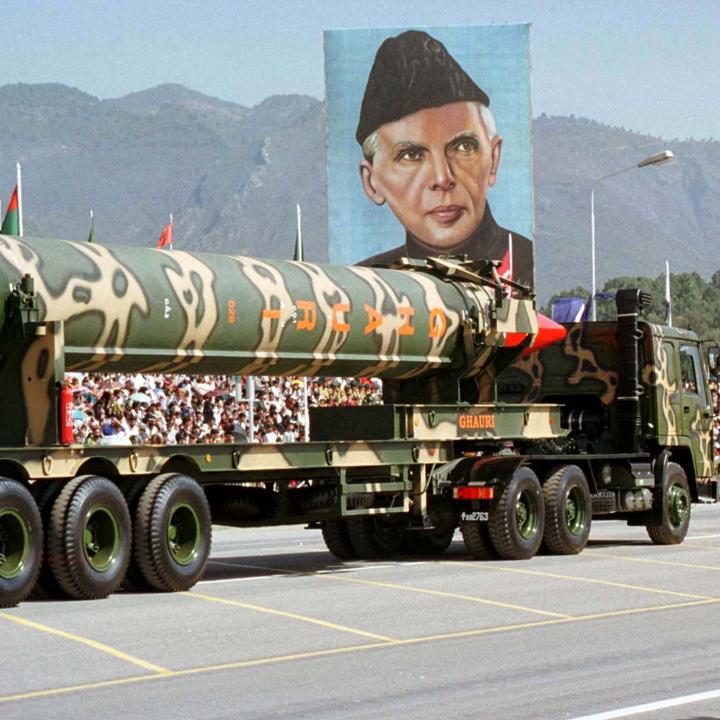
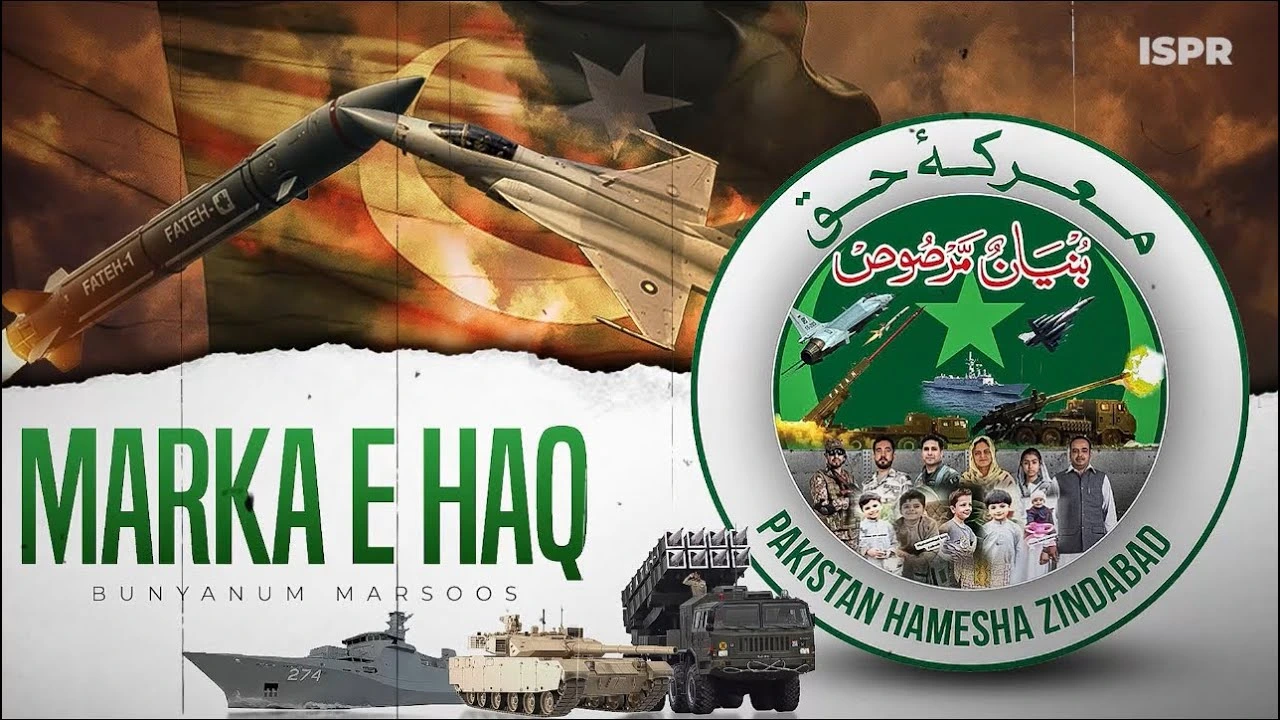
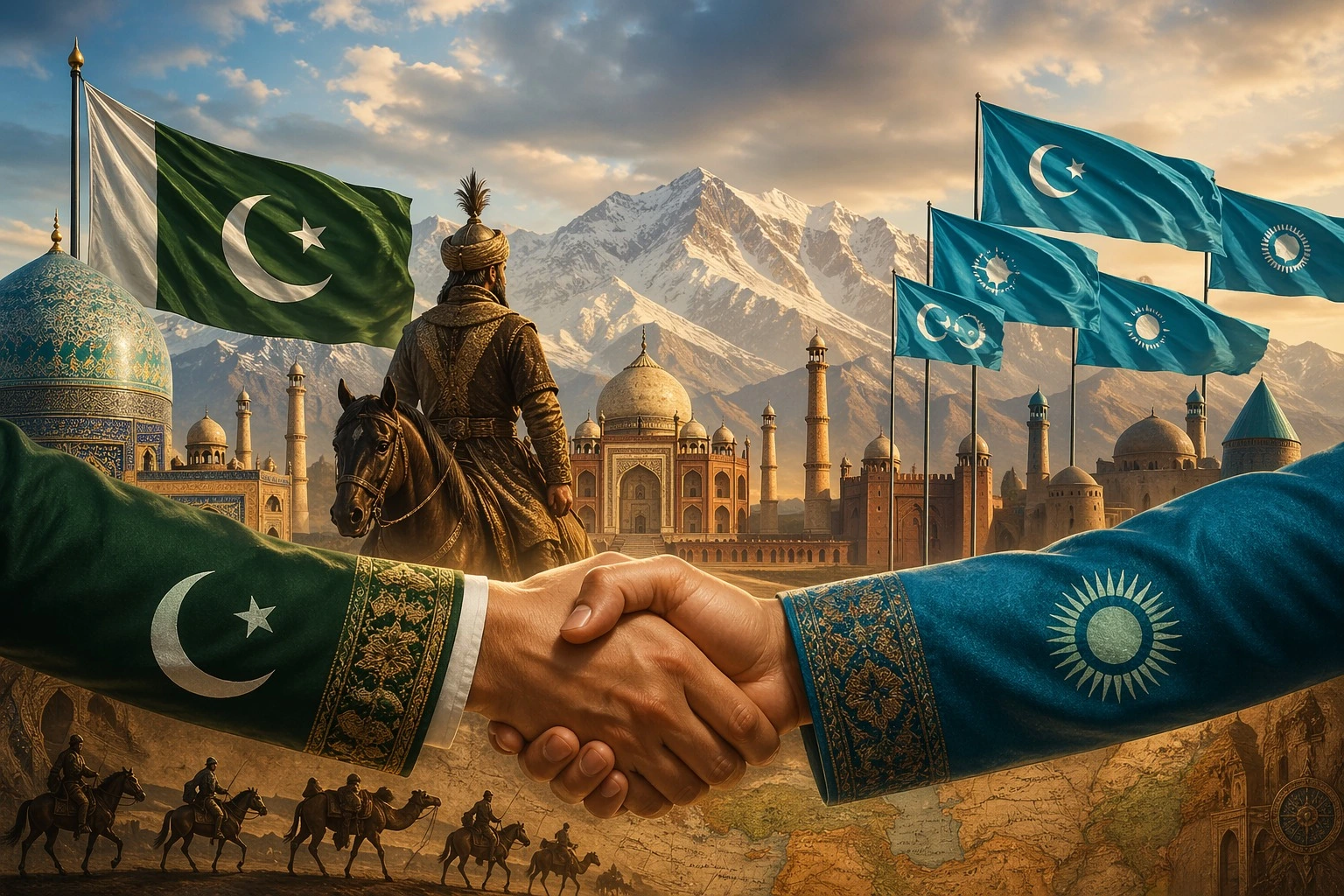
Pakistan has the military capacity to challenge Israel’s siege on Gaza, but not the strategic insulation of Iran. Its real role is not war posturing but disrupting the default — building structures, alliances, and deterrence frameworks that restore coherence to a fragmented Muslim world.

The Gaza war highlights how Zionism functions as a structural contradiction within the Western-led order, exposing its exhaustion and accelerating a wider civilisational crisis. What is unfolding is not simply another regional conflict but evidence that the very system once projected as the “endpoint of history” is unable to enforce norms, restrain its clients, or reconcile its internal contradictions.

Sindh is home to at least 16 distinct languages, yet official recognition remains limited to Vicholi Sindhi. This marginalization threatens cultural heritage, deepens social inequalities, and obscures the province’s rich linguistic mosaic. Reforming policies to include all regional tongues is essential for inclusivity and unity.

From classrooms to conflict zones, language has always shaped empires. For Pakistan, ignoring it as a strategic asset may be its gravest miscalculation yet.

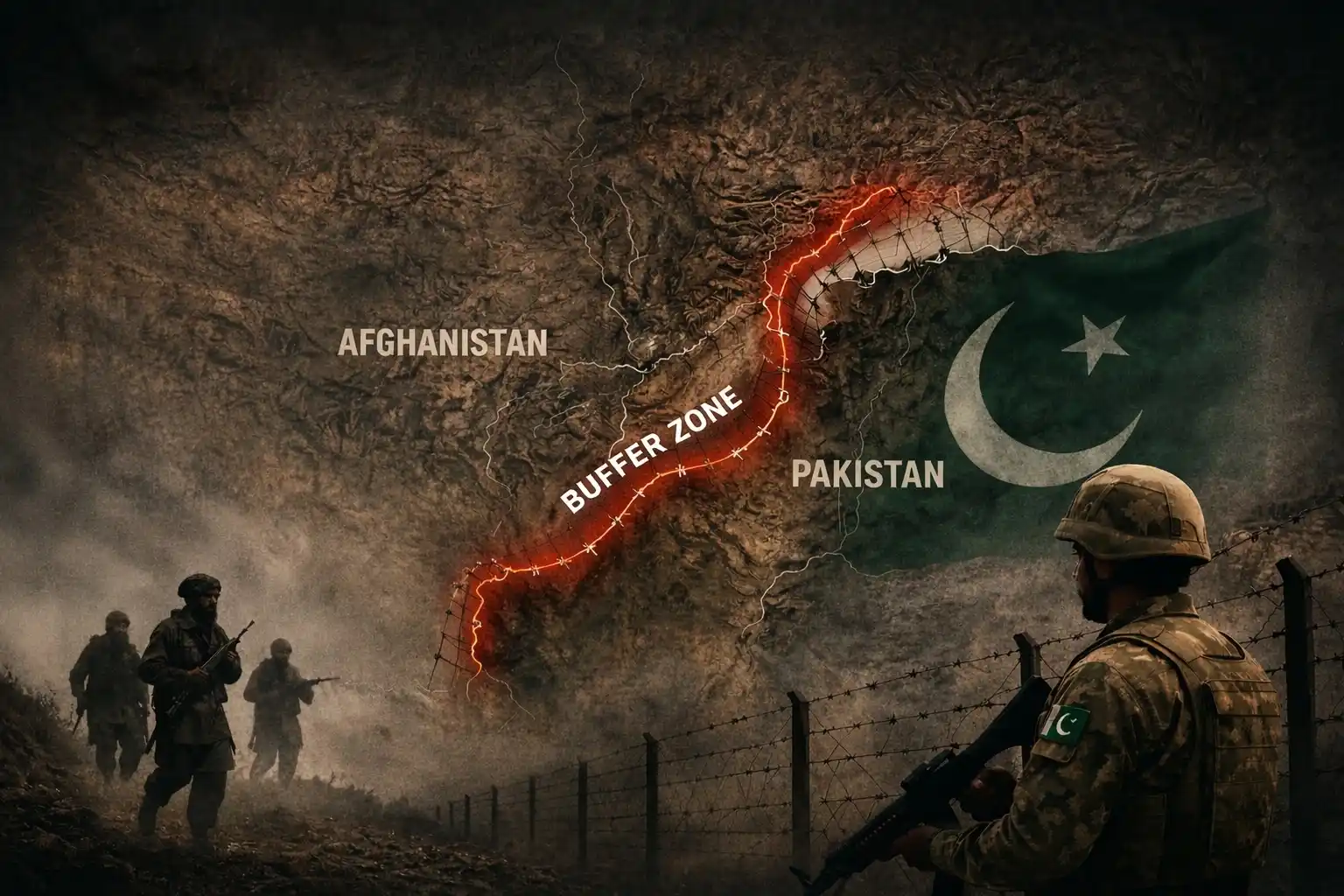
The Afghan Taliban promised peace to the world, but their return to power has fuelled a surge of TTP violence in Pakistan. Why does a government seeking legitimacy refuse to act against its terrorist allies, and what complex forces shape this dangerous and calculated decision?