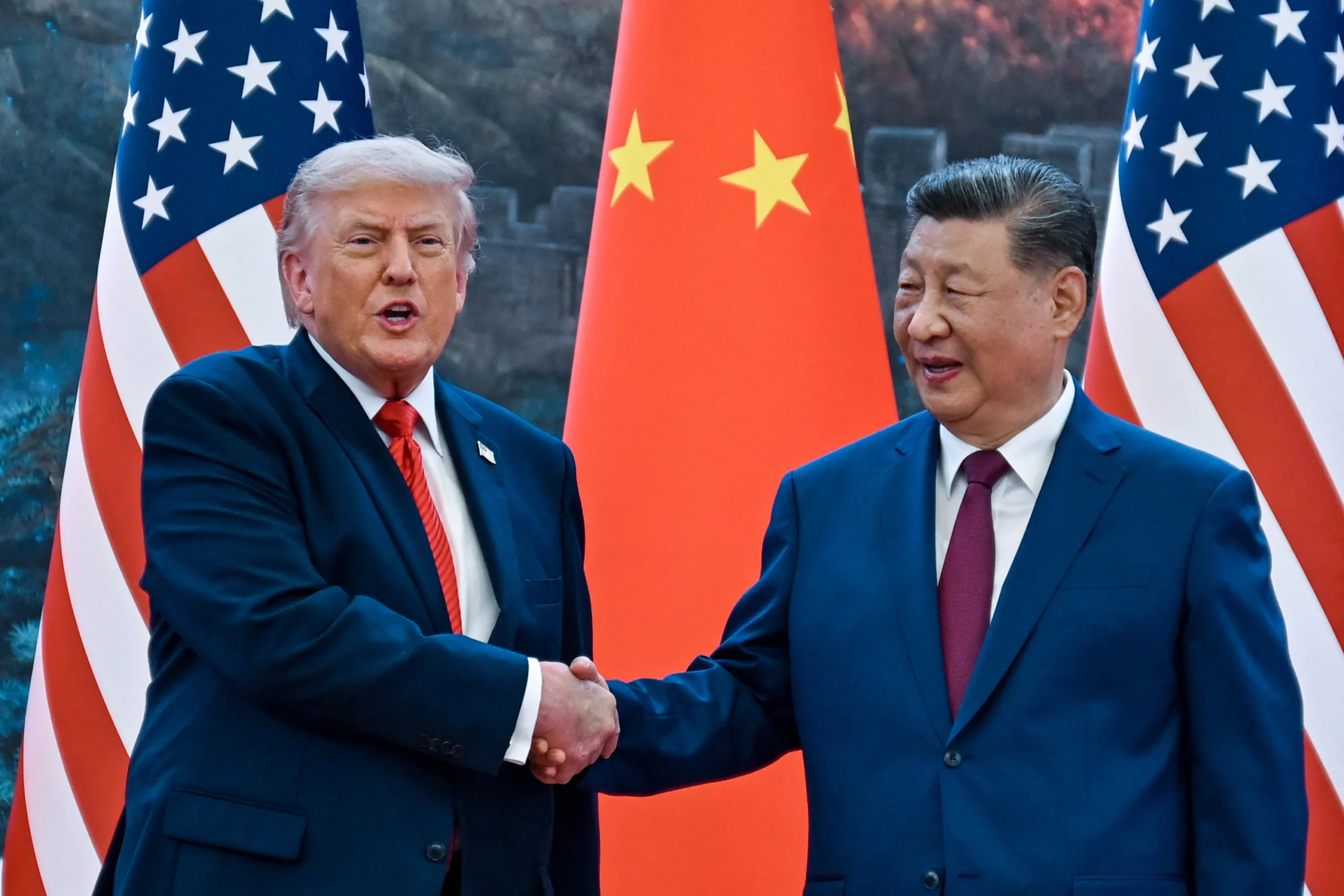
Dr. Aslam, Assistant Professor at NUST, shared his viewpoints noting that President Trump’s visit to Beijing for high-stakes talks with Xi Jinping comes at a critical juncture as the US-Iran war fuels a global energy crisis. While the visit was publicly framed by a team of business tycoons as a trade-focused mission to strengthen economic ties, the strategic narrative shifted before meetings even began; the mission is now clearly overshadowed by the ongoing Middle East crisis.
The visit takes place under a fragile US-Iran ceasefire, exposing an uncomfortable reality for Washington. China holds a level of diplomatic and economic influence over Iran that the United States does not. Despite public statements claiming the U.S. does not need assistance, the reality of the Iran war casts a long shadow over the summit. As Iran’s largest economic customer and a permanent member of the UN Security Council, Beijing holds the leverage to either stabilize or prolong the conflict.
By traveling to Beijing now, the United States is signaling that global crises can no longer be managed unilaterally an implicit admission of the limits of American power and a strategic invitation for China to act as a co-manager of global stability. This trip signifies a redefinition of the US-China relationship, moving away from a narrative of decoupling and confrontation toward a new phase of “competitive coexistence”.
Under this doctrine, the two powers will compete structurally but cooperate tactically where their interests overlap, such as in managing energy shocks and supply chain disruptions. Furthermore, the visit sends a clear message of “burden sharing” to US allies in Europe and the Gulf, indicating that China must now share responsibility for global stability. It also warns Russia that US-China cooperation on energy could significantly reduce Moscow’s leverage and the benefits it reaps from high oil prices.
Ultimately, the symbolism of this trip marks a transition from a period of confrontation to one of managed rivalry, where China is no longer merely a challenger to the international order but an unavoidable participant in its management