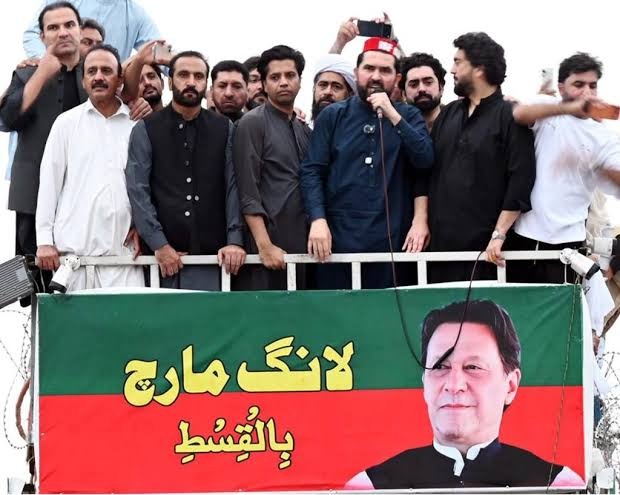
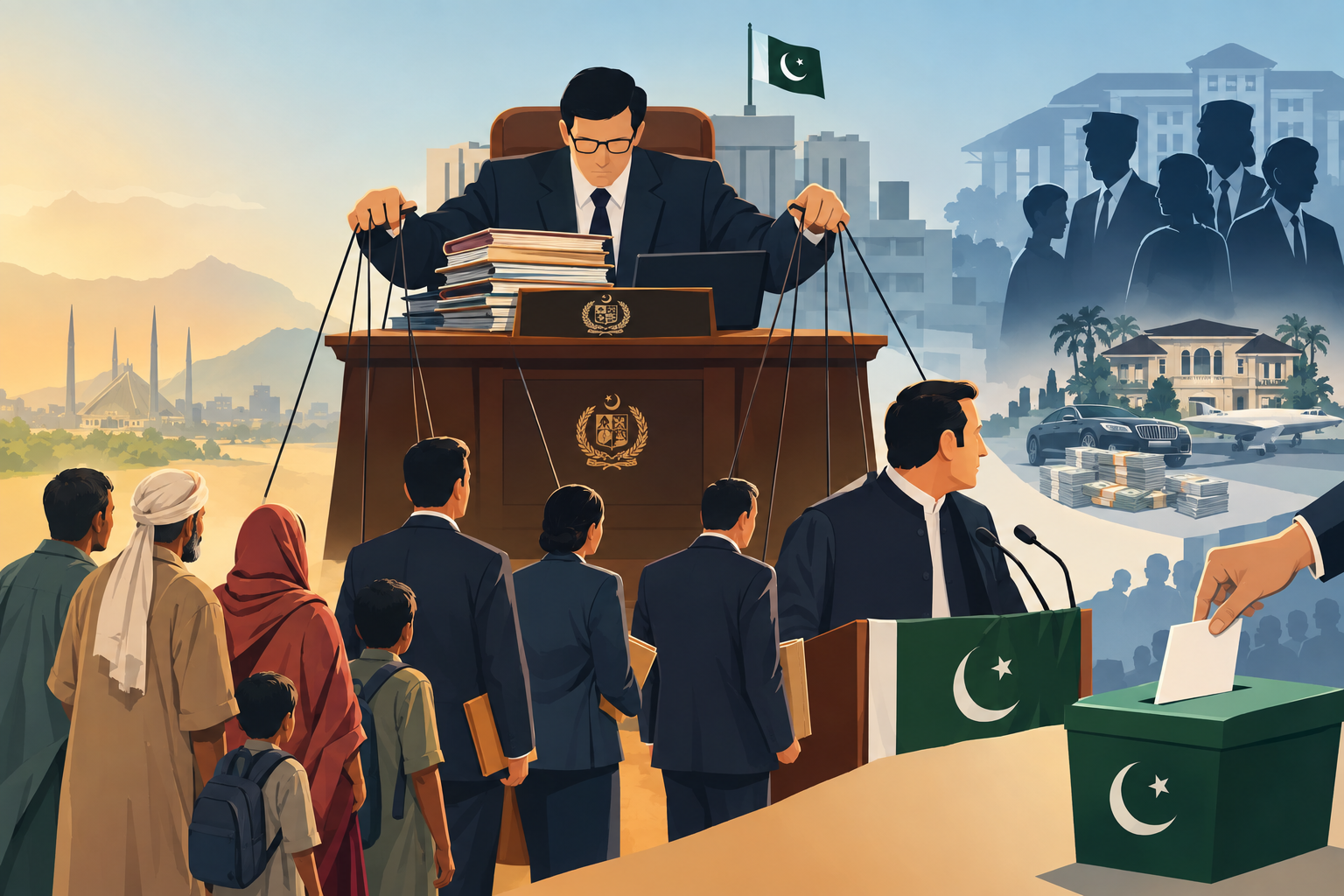
Black flags will be raised across Pakistan today, and rallies will move through cities from Muzaffarabad to Karachi, as the nation observes what has become one of its most solemn annual rituals of protest. Youm-e-Istehsal, the Day of Exploitation, commemorates the fifth of August 2019, when India dismantled the special constitutional status of Jammu and Kashmir and, in doing so, discarded decades of legal commitments made before the world.
The black armbands and shuttered markets are not theatre. They are a visible reminder that a dispute the United Nations itself has called unresolved cannot be wished away by a parliamentary vote in New Delhi.
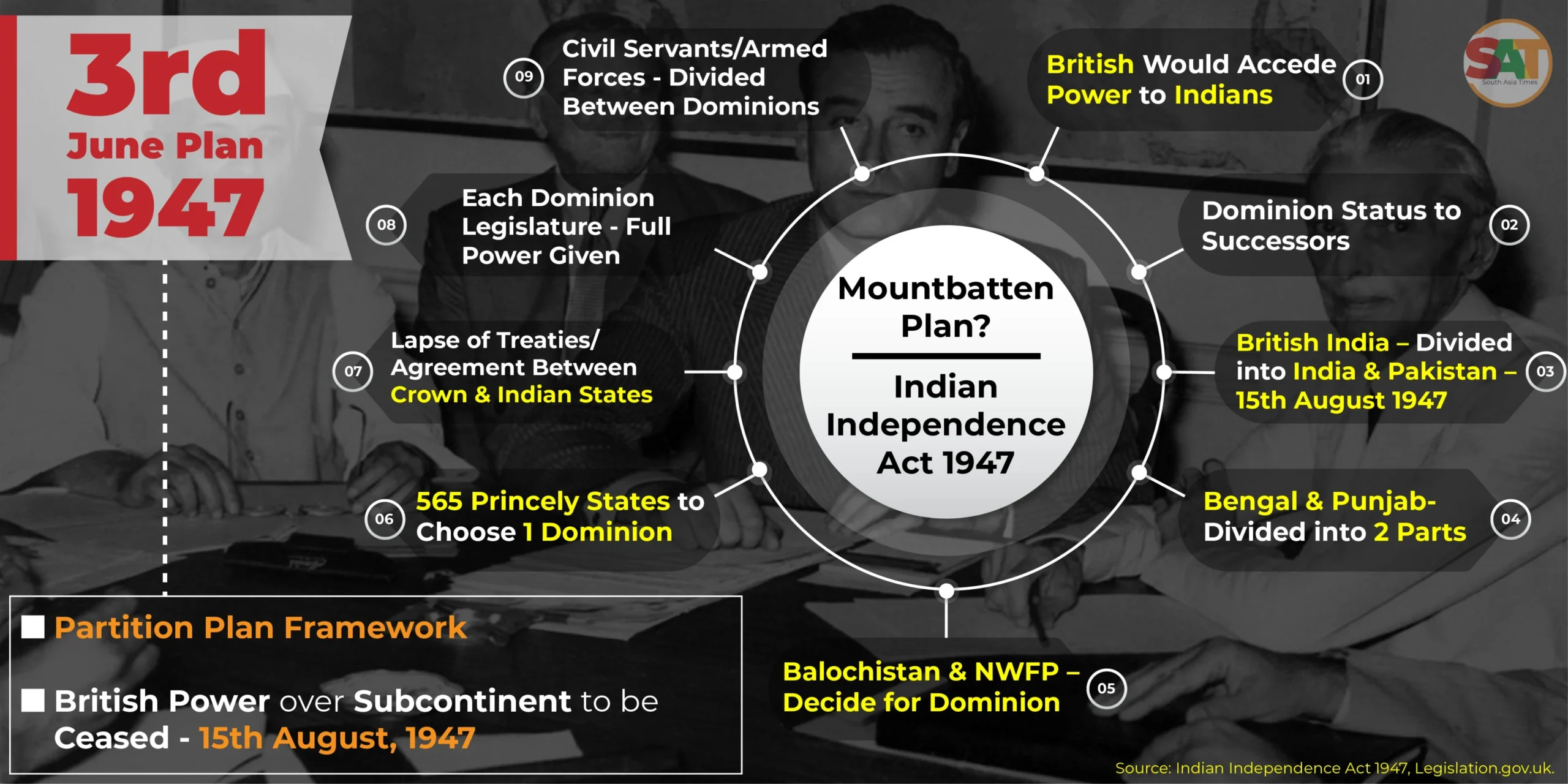
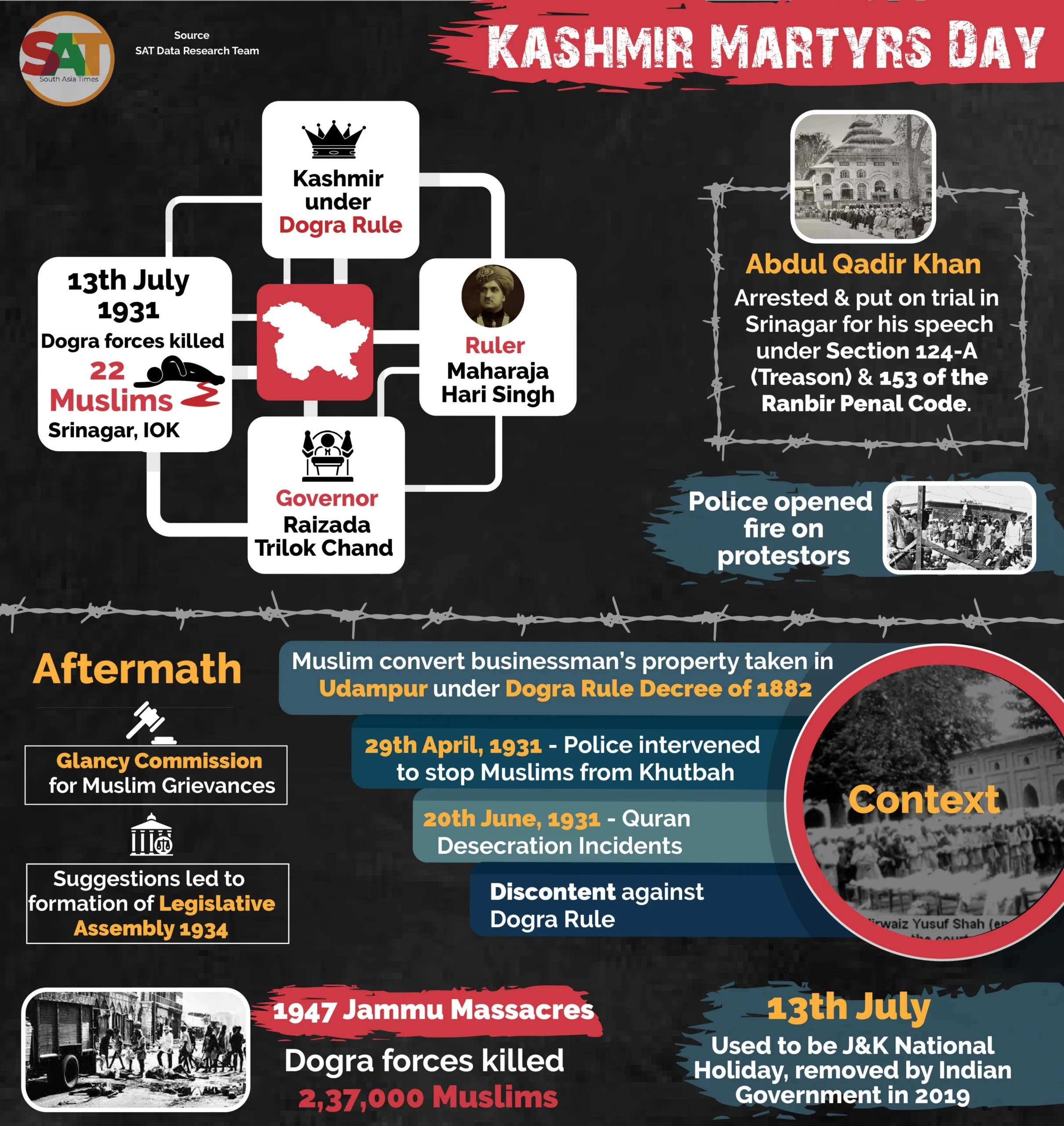
To understand why this day still commands such attention, one has to look past the headlines of 2019 and toward the promises that preceded them. When the princely states of British India were dissolving into two new nations, Kashmir’s ruler and its population were assured, through the Instrument of Accession and the resolutions that followed at the United Nations, that the region’s final status would rest with its people.
Resolution after resolution, passed by the Security Council between 1948 and 1957, called for a plebiscite free of coercion, to be held once conditions allowed. That plebiscite never came. Instead, decade after decade, Kashmir remained divided by a Line of Control, governed on the Indian side through an arrangement that at least nominally preserved a measure of autonomy under Article 370 of the Indian constitution.
That arrangement, imperfect as it was, functioned as an acknowledgment that Kashmir’s integration into India was conditional, not absolute. Its removal in August 2019 was therefore not a routine administrative reform, whatever language New Delhi chose to use. It was a repudiation of the very premise on which India’s claim to the region had rested.
The manner of its removal compounds the offence: the state assembly had been suspended, its elected representatives sidelined, and the “consent” required by India’s own constitution supplied instead by a governor answerable directly to the central government. Few episodes illustrate more starkly how a legal process can be hollowed out while its outer form is kept intact.
None of this occurred in a vacuum of law. India remains bound by the UN Charter’s guarantee of self-determination and by the International Covenant on Civil and Political Rights, both of which recognise the right of peoples to determine their own political future without external imposition.
It remains bound, too, by the Fourth Geneva Convention’s prohibition on an occupying power altering the demographic composition of the territory it controls.
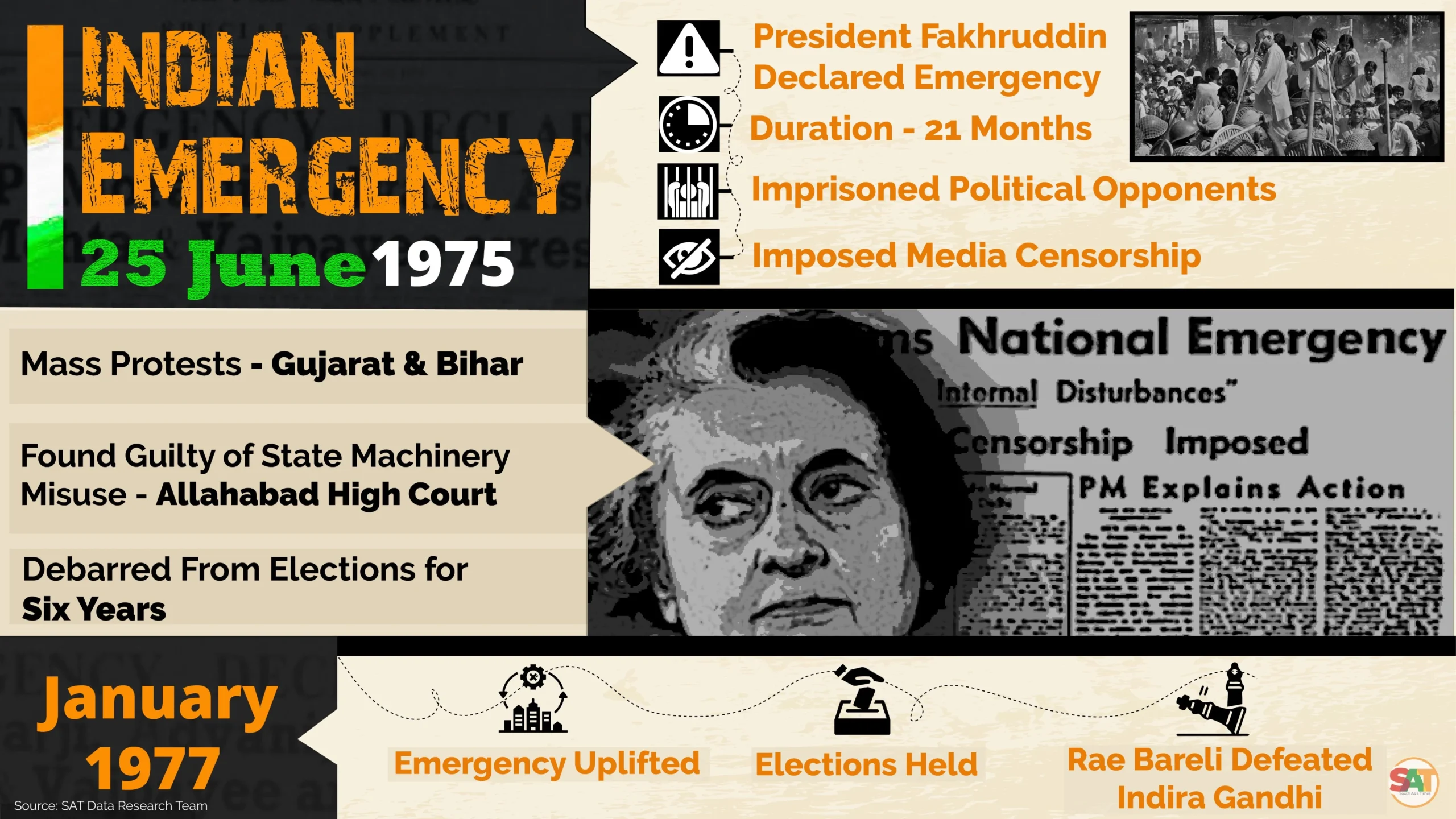
The domicile laws introduced after 2019, which have opened Kashmiri land and government jobs to outsiders on a scale never before permitted, sit uneasily beside that prohibition. Legal scholars outside Pakistan, not only within it, have raised the same objection: territory under active international dispute is not the proper subject of unilateral annexation by any party to that dispute.
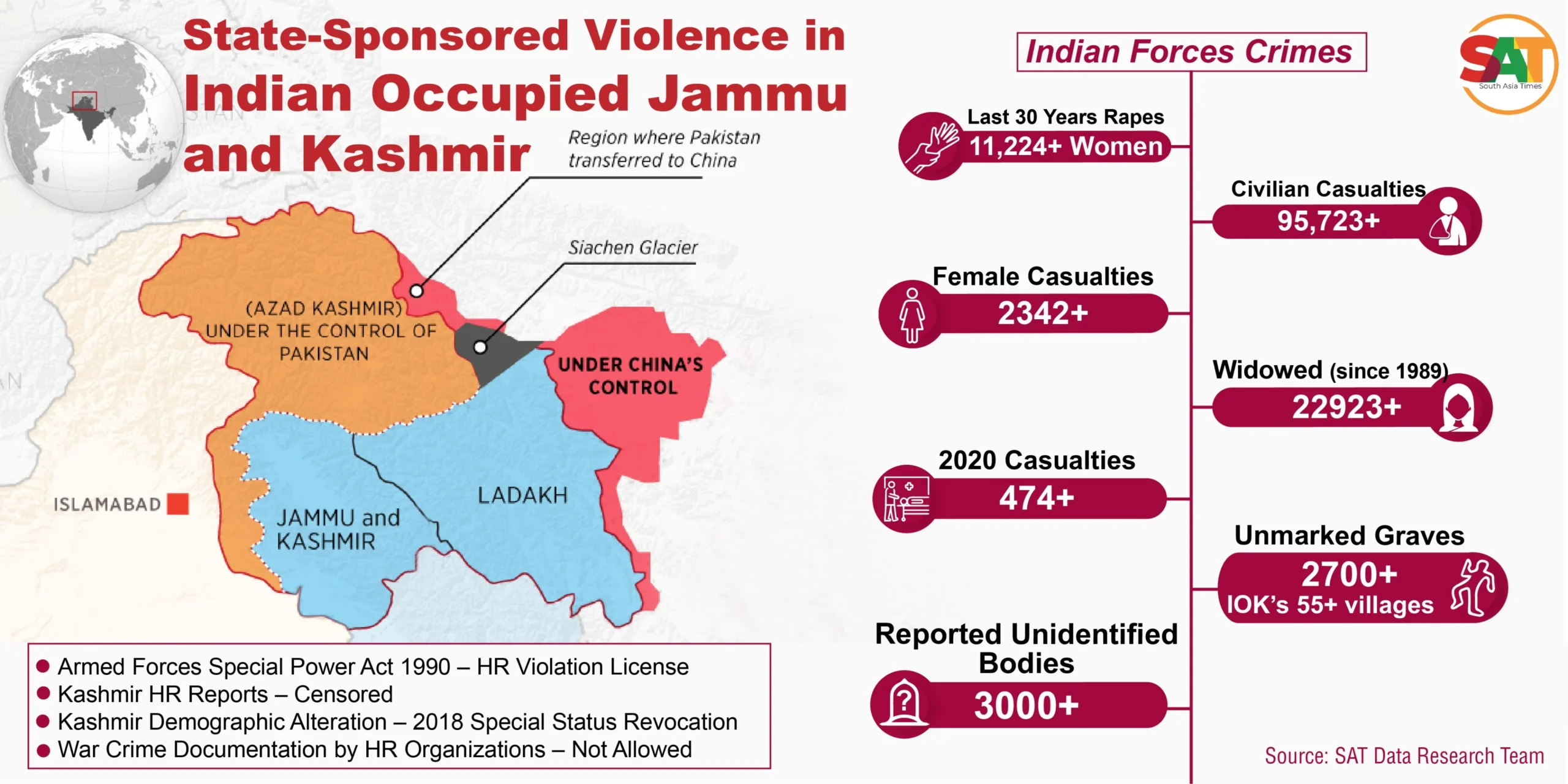
The years since have supplied grim confirmation of what many feared at the time. The world’s longest internet shutdown imposed by any democratic government left millions of Kashmiris cut off from family, from commerce, from basic information, for months on end. Preventive detention swept up not just suspected militants but sitting politicians, lawyers, and journalists, many held for extended periods without formal charge under laws that permit exactly that.
Kashmir’s press, once vibrant despite the conflict around it, now operates under an accreditation regime that can revoke a reporter’s credentials for coverage the authorities dislike. Even the limited exercise of assembly elections held in 2024 changed little of the underlying architecture: statehood remains withheld, security policy remains centralised, and a Lieutenant Governor appointed in Delhi retains powers that dwarf those of the elected chief minister.
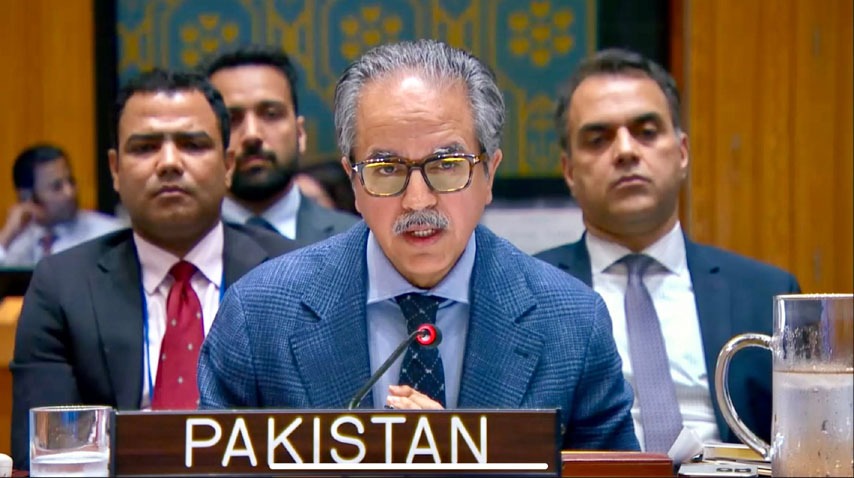
Pakistan’s position on all of this has sometimes been dismissed abroad as the predictable complaint of a rival claimant. That framing conveniently ignores that Pakistan is not inventing a grievance but pointing to commitments India itself accepted when it first brought the Kashmir question to the United Nations in 1948.
A state does not get to abandon the forum it once chose, once that forum’s likely verdict becomes inconvenient. If India believes its claim to Kashmir is so self-evidently just, the path of a UN-supervised plebiscite, the very mechanism it once agreed to, remains open. Its consistent refusal to walk that path in seventy-five years says more than any diplomatic statement could.
What Youm-e-Istehsal ultimately asks of those who observe it is not nostalgia for old resolutions but attention to a live and ongoing injustice. Kashmiris today live under a security presence numbering in the hundreds of thousands, in a region where peaceful dissent routinely draws detention and where basic freedoms of press and assembly exist at the discretion of the administration rather than as a matter of right. Families of the disappeared still search for answers that never arrive. Students still grow up under curfews that have become so routine they barely make international news anymore.
Pakistan will continue to mark this day for as long as the dispute remains open, because closing one’s eyes to an injustice does not resolve it, it only makes the silence complicit. Seven years after Article 370’s abrogation, the essential facts have not changed: a people’s future was decided without them, in violation of commitments made in their name, and the world’s mechanisms for correcting that decision have gone unused not because they are unavailable but because one side has refused, year after year, to let them be tried.