Kashmir after Article 370: Between Constitutional Change and Political Reality

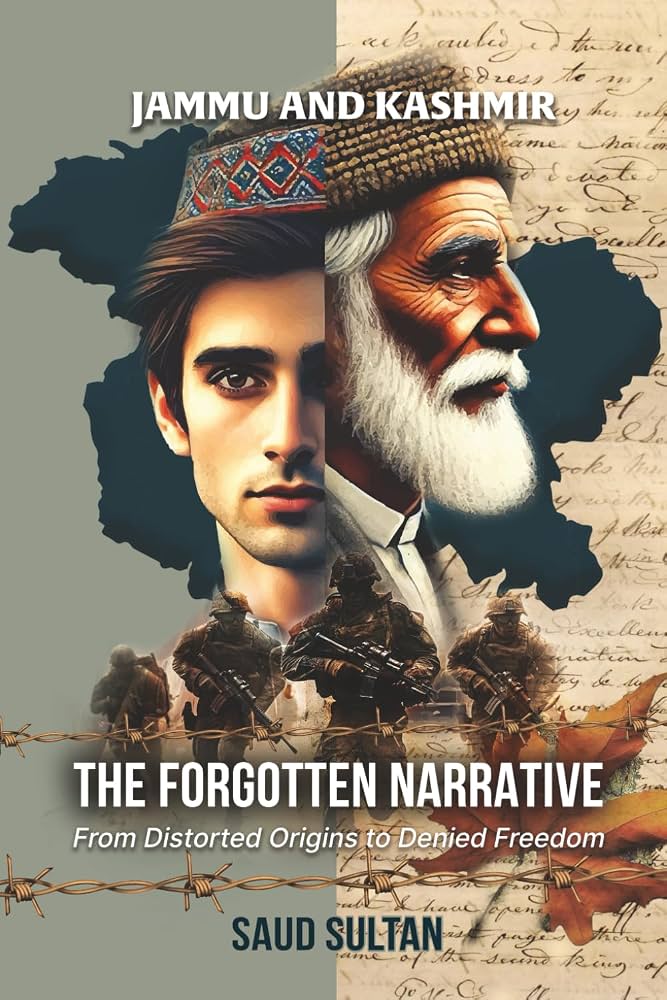
The Indian government’s decision to revoke Article 370 and Article 35A on 5 August 2019 was presented as a historic constitutional reform that would integrate Jammu and Kashmir into the Indian Union, eliminate militancy, and usher in an era of peace and development. Nearly seven years later, however, the region remains marked by political contestation, recurring security incidents, and competing narratives over whether the move resolved or deepened the Kashmir dispute.

Before August 2019, Jammu and Kashmir enjoyed a special constitutional status under Article 370, which granted the region limited autonomy over its internal affairs, while Article 35A empowered the local legislature to define permanent residency and associated rights.

Although the region had long experienced insurgency, political instability, brutality, and cross-border tensions, many Kashmiris regarded these constitutional provisions as symbols of their distinct political identity. At the same time, India maintained that the special status hindered integration and economic development.

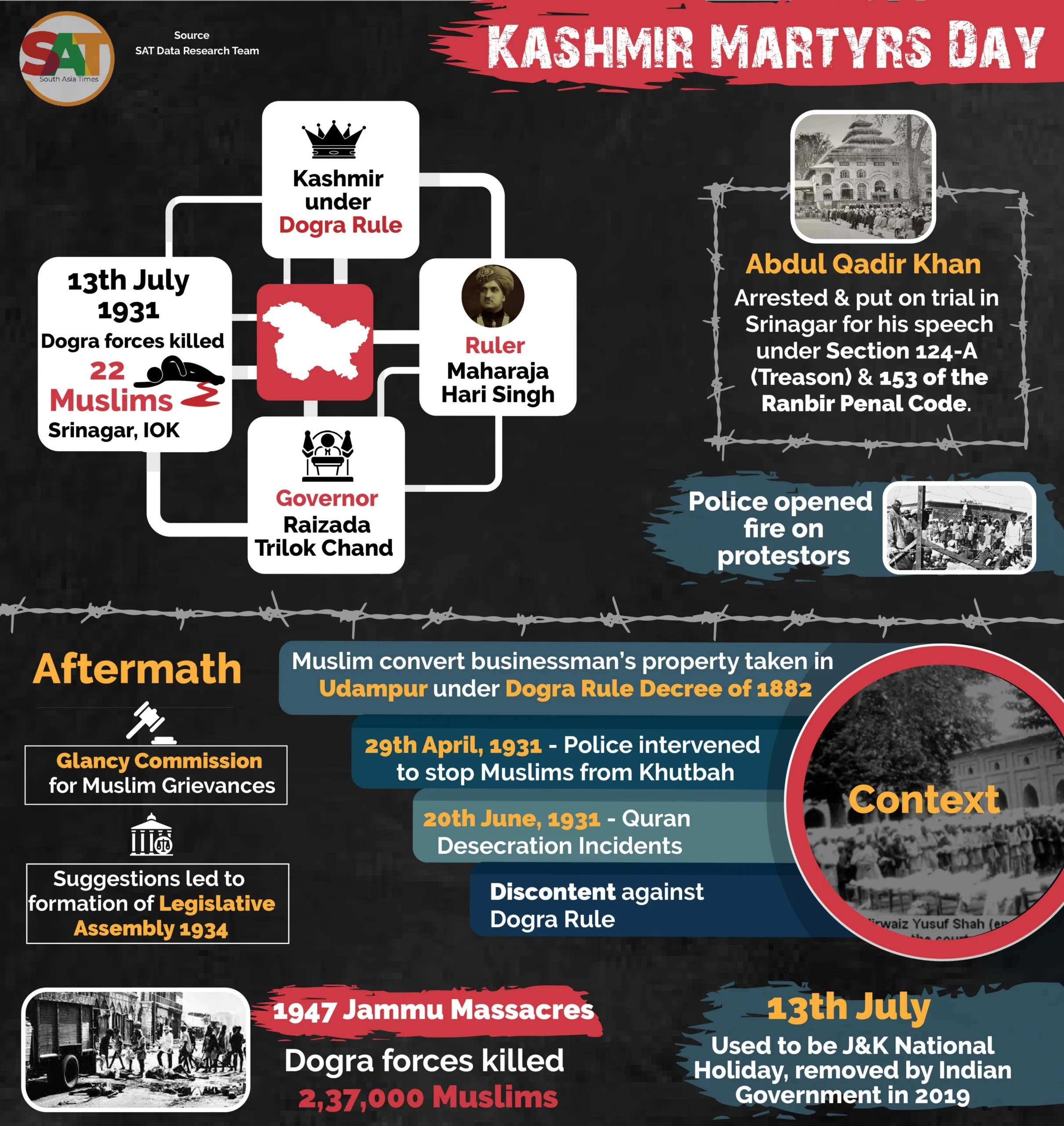
Even before the revocation, resistance movements had shaped Kashmir’s political landscape for decades. Cycles of protests, militant violence, strikes, and security operations reflected unresolved grievances and the absence of a durable political settlement. Rather than viewing these tensions solely through a security lens, many observers argued that they also reflected longstanding political and constitutional disputes. The people of Jammu and Kashmir had not wanted to join India since the time of Maharaja Manmohan Singh.
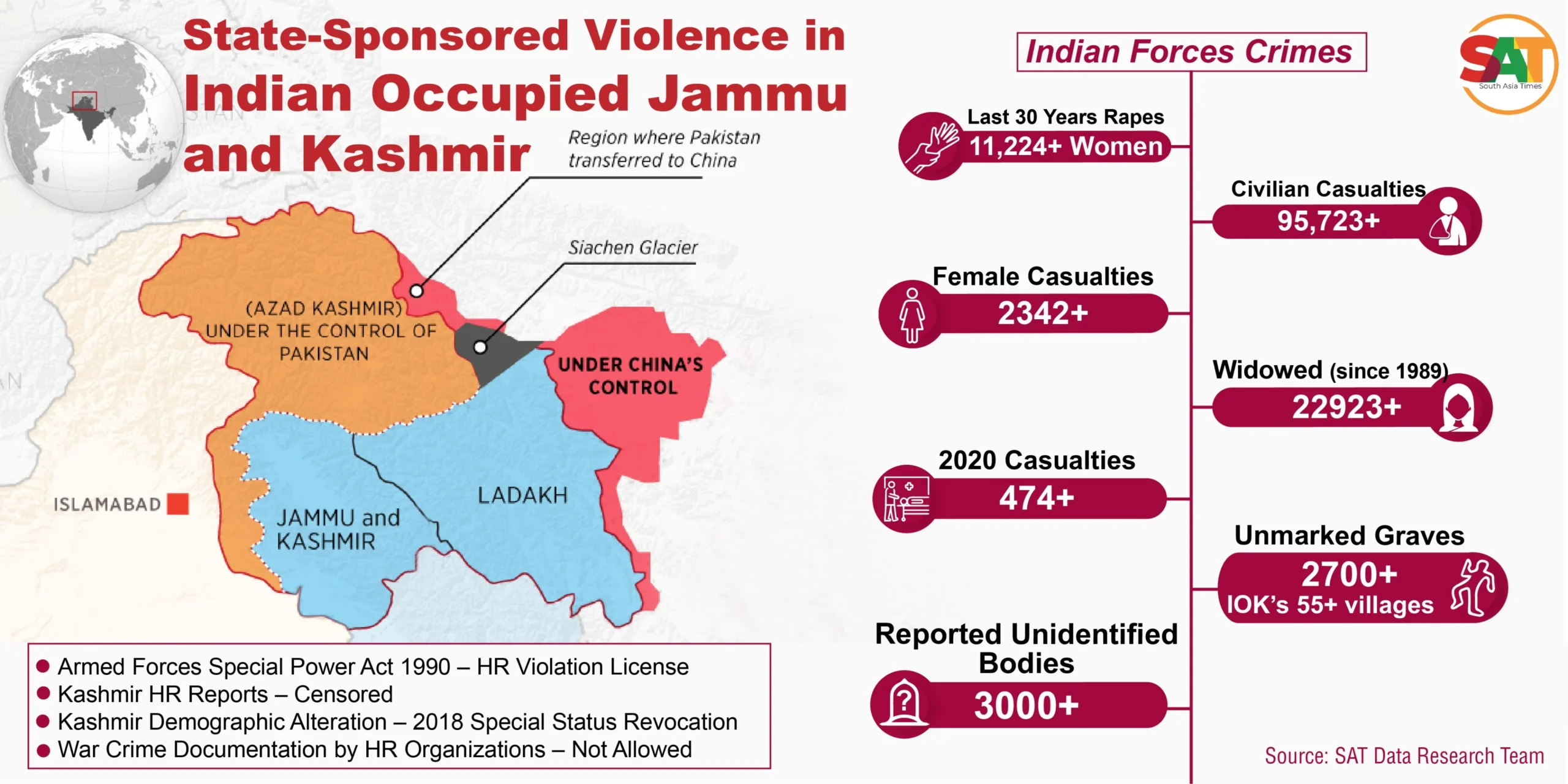
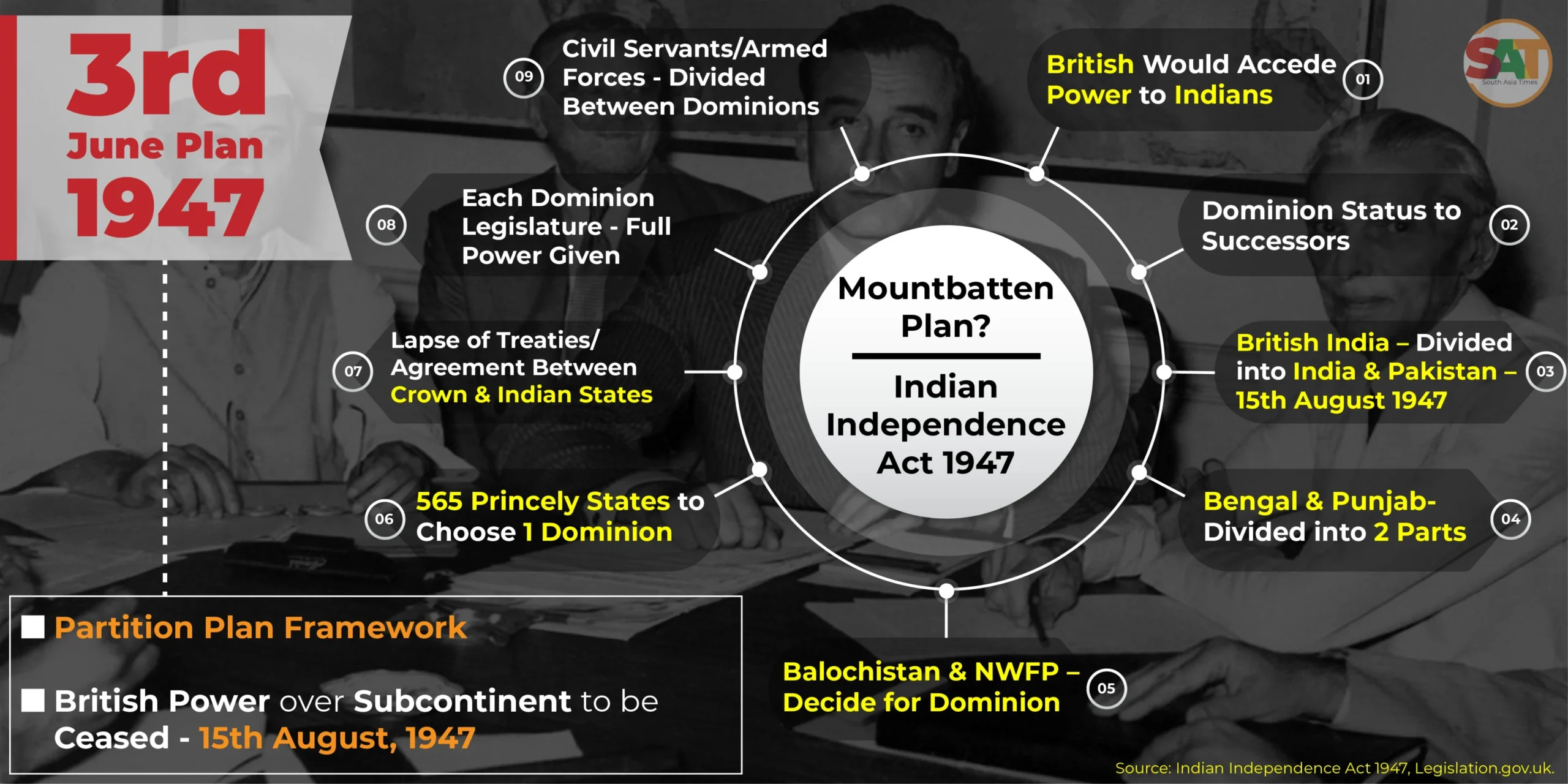
The revocation of Article 370 fundamentally altered this arrangement. The former state was reorganised into two Union Territories and brought under greater direct control from New Delhi. India described these changes as a sovereign constitutional decision intended to strengthen governance and extend equal rights under the Indian Constitution.  The decision of revocation was against the will of the Kashmiri people.

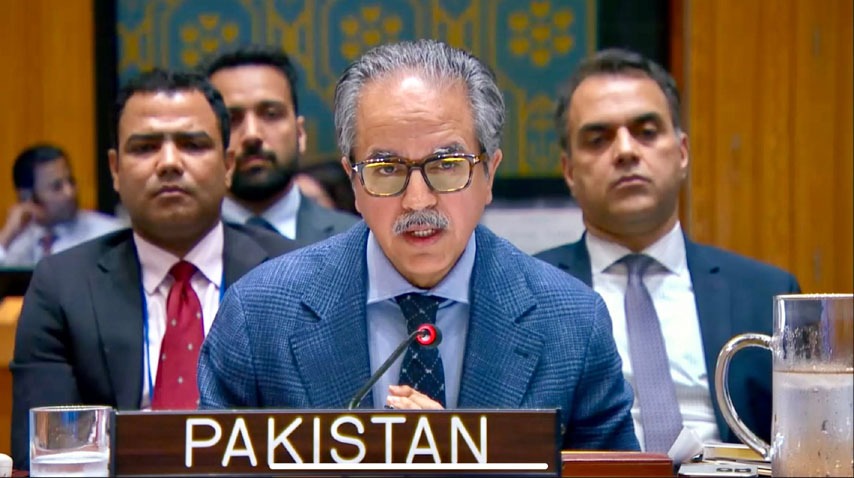
Pakistan, however, rejected the move as a unilateral alteration of the status of a disputed territory, arguing that it was undertaken without the consent of the Kashmiri people and was inconsistent with relevant United Nations Security Council resolutions on Kashmir.

The period following August 2019 witnessed an unprecedented security lockdown. Thousands of additional security personnel were deployed, communication services were suspended, political leaders were detained, and restrictions on movement affected everyday life across the region.

While many of these emergency measures were later eased, concerns have continued to be raised by international human rights organisations regarding preventive detentions, restrictions on freedom of expression, and limitations on political activity.

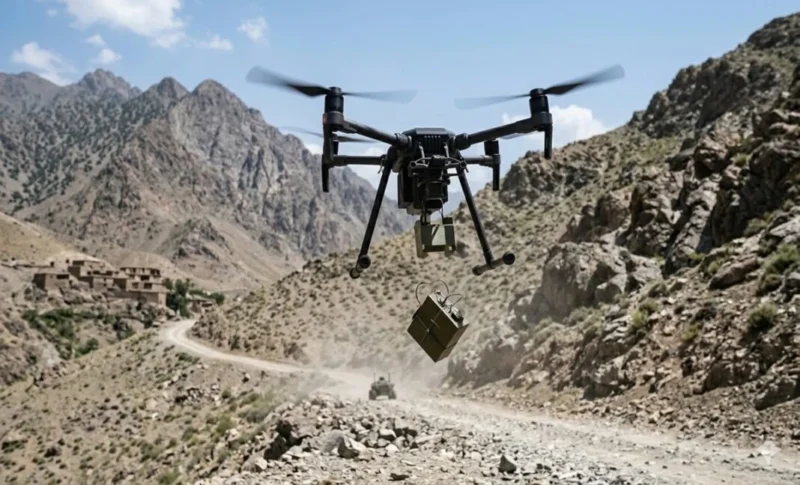
Despite India’s repeated assertions that normality has returned through improved infrastructure, economic initiatives, and increased tourism, protests, security operations, and militant attacks have continued to occur. Critics argue that recurring arrests, restrictions on public assembly, and allegations of excessive use of force indicate that political grievances remain unresolved. The people of Jammu and Kashmir are still deprived of their necessities and freedom.

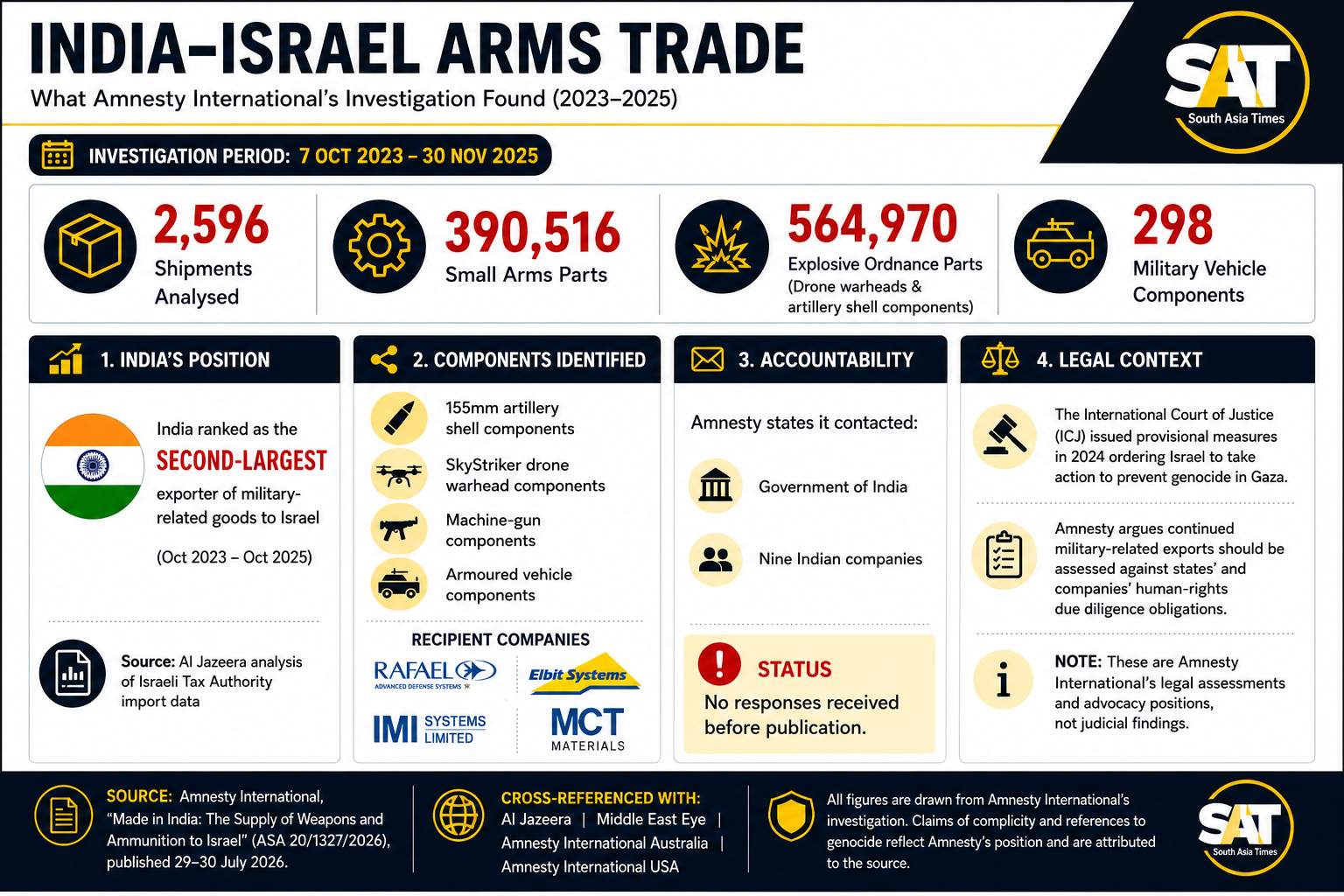
Indian administration is infiltrating the land of Jammu and Kashmir by increasing the popularity of Hindu people, by allotting free land and homes as the pattern of the Israeli government while creating settlements in the West Bank.  India’s position, meanwhile, is that these measures are necessary to maintain law and order and combat terrorism.

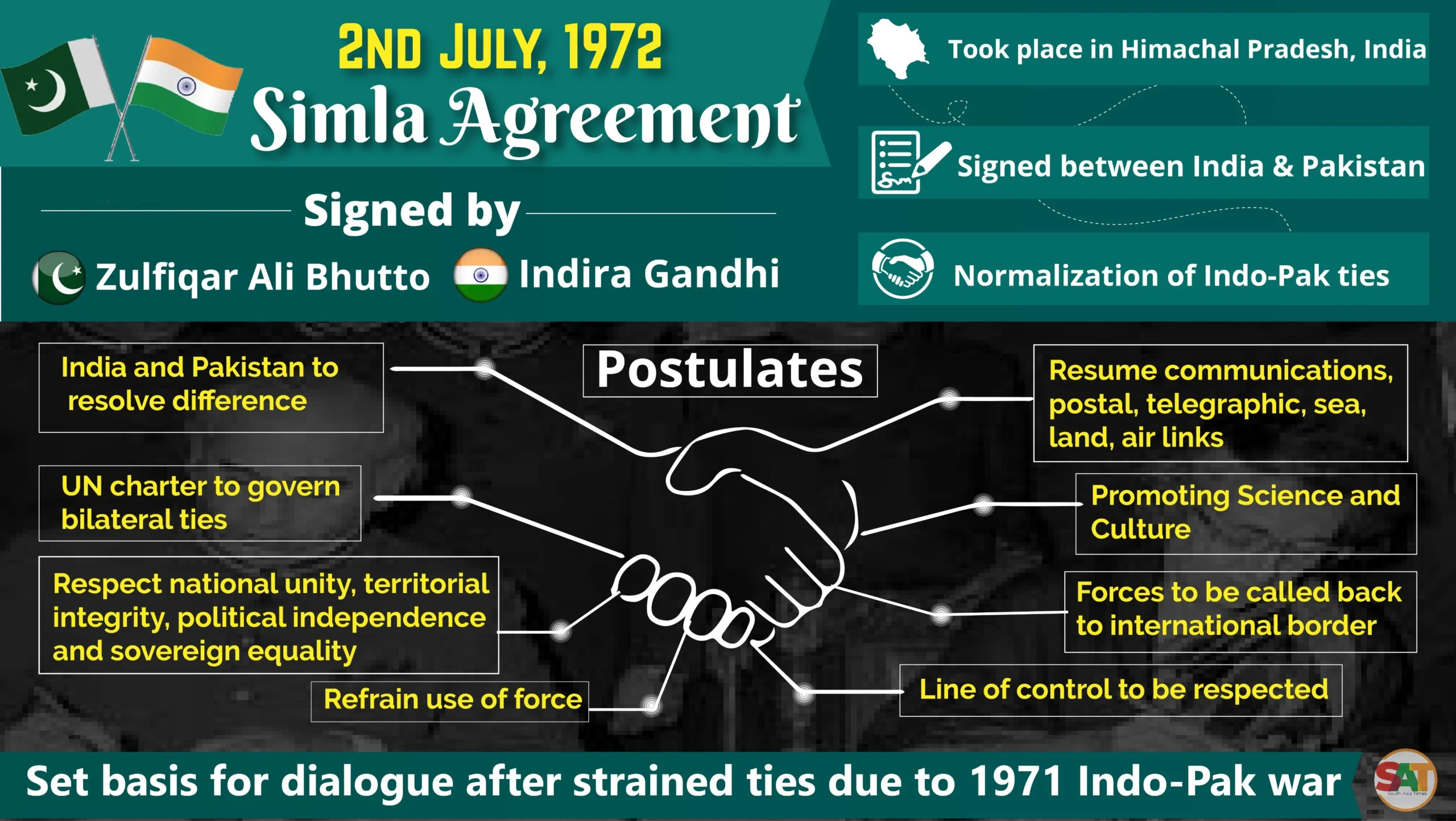
Pakistan continues to maintain that the revocation of Article 370 neither changes the internationally disputed status of Jammu and Kashmir nor replaces the need for a political settlement. Islamabad consistently argues that the issue should be resolved in accordance with relevant United Nations Security Council resolutions and through a process that reflects the aspirations of the Kashmiri people.

India, by contrast, considers Jammu and Kashmir an integral part of the country and maintains that constitutional changes fall exclusively within its domestic jurisdiction.

Nearly seven years after Article 370 was revoked, Kashmir remains at the centre of one of South Asia’s most enduring disputes. It remains a bone of contention between India and Pakistan and became a reason for major armed  Constitutional integration has not ended competing political claims or eliminated tensions on the ground. Lasting peace is unlikely to emerge through constitutional measures or security policies alone.

A sustainable future for the region will ultimately require dialogue, respect for human rights, and a peaceful resolution that addresses the concerns of all stakeholders while contributing to long-term regional stability.

SAT Commentary

SAT Commentary

SAT Commentaries, a collection of insightful social media threads on current events and social issues, featuring diverse perspectives from various authors.

Recent