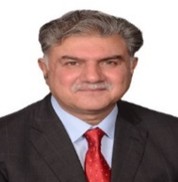
Zabihullah Amiri, the Taliban’s Director of Information and Culture in Badakhshan, was shot dead this morning by unidentified gunmen riding motorcycles on the Faizabad–Baharak road. Local sources reported the attack while authorities in Kabul had issued no official statement by the time of writing, and no group had claimed responsibility.
Amiri’s profile makes this killing unusual. He was not a field commander leading border brigades or manning checkpoints. His office issued press permits and managed state media messaging in a province that has spent much of this year at war with itself.
Gunning him down on an open highway, in daylight, without any claim of responsibility, suggests the conflict is shifting away from remote highland outposts and into administrative centers and the roads that connect them.
Set against the province’s recent trajectory, the killing reads less like an isolated crime and more like the latest point on a rising curve. Just days ago, a Taliban commander was killed in clashes with anti-government fighters in Badakhshan, part of a pattern of direct, sustained engagements in Zebak district that marked a departure from the sporadic ambushes of earlier years.
Around the same period, the Afghanistan Freedom Front destroyed a Taliban convoy as resistance expanded into Baghlan, with the fighting spilling back into Badakhshan and several Taliban field commanders killed within two days.
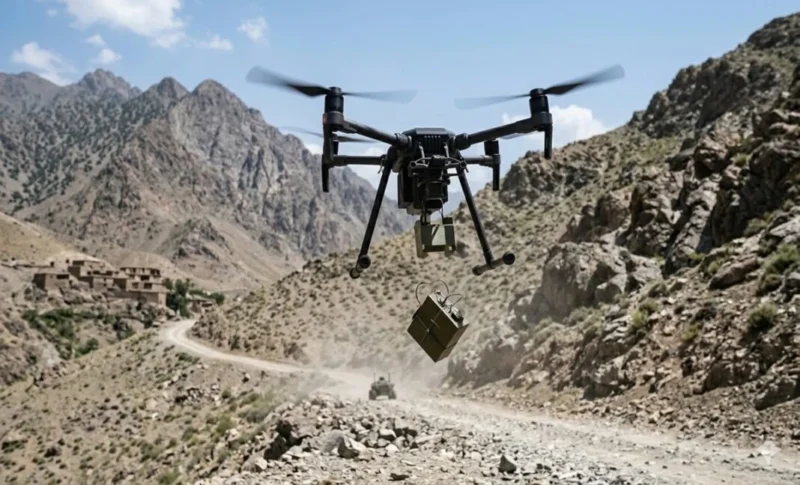
Further back, the downing of Taliban drones by freedom fighters pointed to a resistance movement acquiring the technical means to contest Taliban surveillance and air assets, evidence of a war increasingly fought in the shadows, with deniability built into its design.
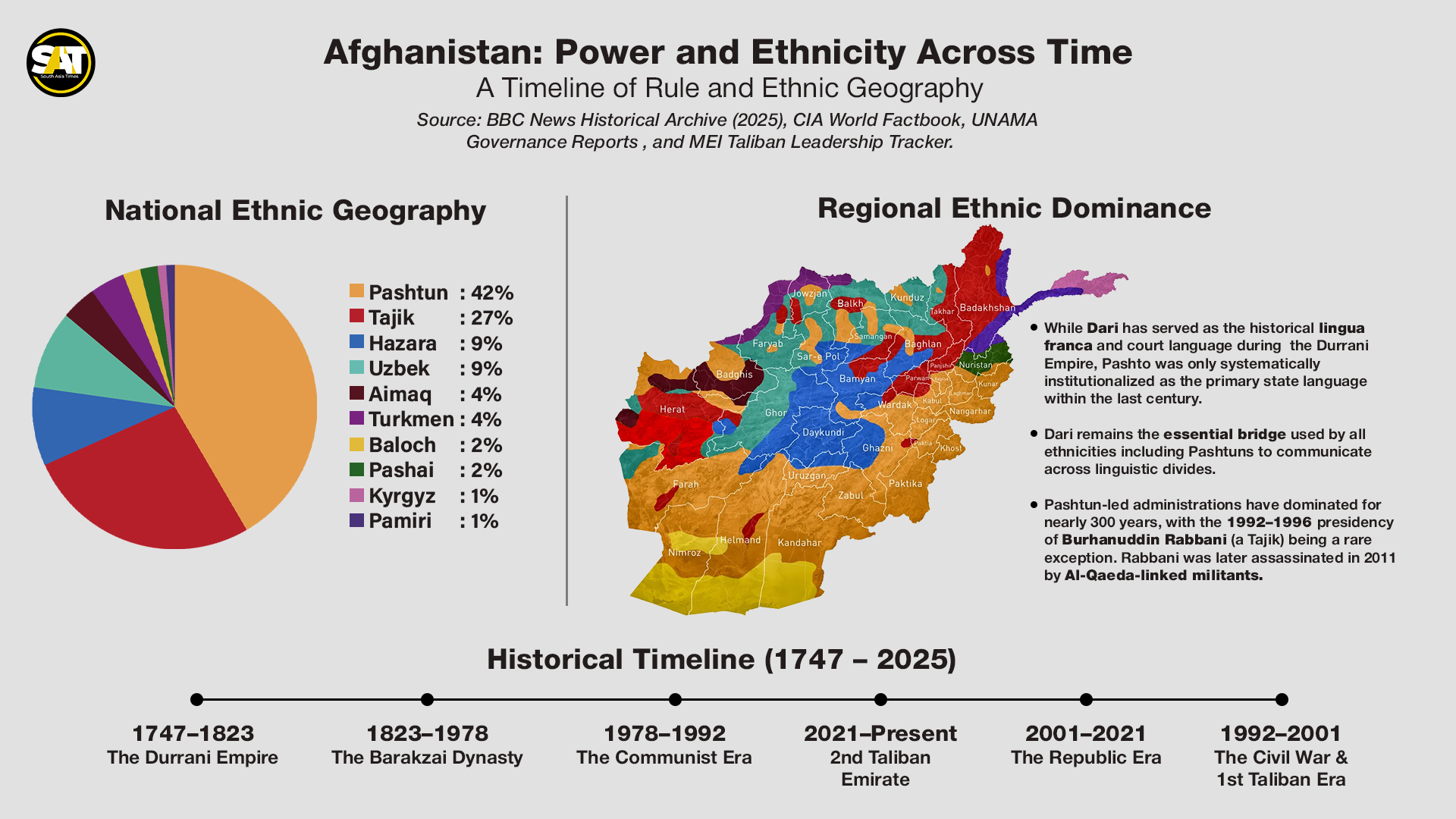
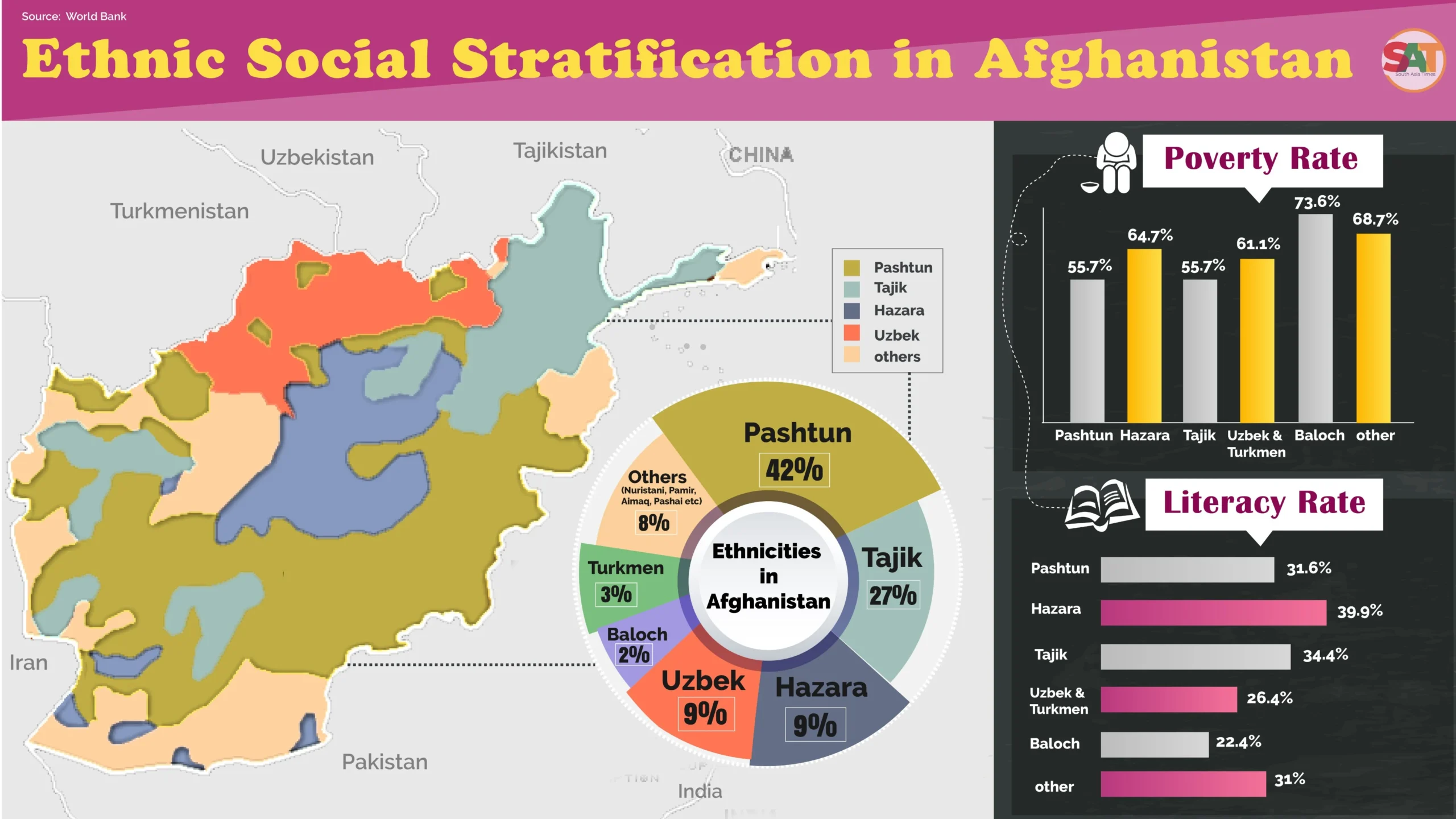
These threads connect to a broader question raised in an earlier analysis of whether Badakhshan is becoming the epicentre of Afghanistan’s next ethnic crisis. The province’s Tajik-majority population chafes against a Pashtun-dominated Taliban leadership. Disputes over gold and lapis lazuli mining rights simmer alongside the emergence of new anti-Taliban formations working in parallel with the AFF.
Together, these pressures have made Badakhshan one of the most combustible corners of the country, and Amiri’s killing fits uneasily but plausibly within that frame. Information officials play an outsized role in contested provinces, managing the narrative war, countering resistance propaganda, and shaping how Kabul’s messaging lands with a skeptical local population. Targeting one carries symbolic weight that a routine ambush on a checkpoint does not.
Other possible authors of the attack deserve consideration too. Islamic State-Khorasan Province has a documented history of targeted killings against Taliban officials in Badakhshan, and unclaimed attacks by motorcycle-riding gunmen fit its pattern as readily as they might fit the AFF’s or Sepahian-e Mihan’s.
Kabul’s silence carries its own weight here. Taliban authorities have historically been slow to publicize security failures in the northeast, wary that an honest accounting would only confirm how much ground the province has lost to instability.
Whoever carried out this attack, the target has moved from soldiers to civil administrators, and that shift matters more than the identity of the gunmen. It is the detail worth tracking as the province heads into what looks like an increasingly volatile season.
Taliban Director of Information in Badakhshan Shot as Insurgency Expands
Zabihullah Amiri, the Taliban’s Director of Information and Culture in Badakhshan, was shot dead this morning by unidentified gunmen riding motorcycles on the Faizabad–Baharak road. Local sources reported the attack while authorities in Kabul had issued no official statement by the time of writing, and no group had claimed responsibility.
Amiri’s profile makes this killing unusual. He was not a field commander leading border brigades or manning checkpoints. His office issued press permits and managed state media messaging in a province that has spent much of this year at war with itself.
Gunning him down on an open highway, in daylight, without any claim of responsibility, suggests the conflict is shifting away from remote highland outposts and into administrative centers and the roads that connect them.
Set against the province’s recent trajectory, the killing reads less like an isolated crime and more like the latest point on a rising curve. Just days ago, a Taliban commander was killed in clashes with anti-government fighters in Badakhshan, part of a pattern of direct, sustained engagements in Zebak district that marked a departure from the sporadic ambushes of earlier years.
Around the same period, the Afghanistan Freedom Front destroyed a Taliban convoy as resistance expanded into Baghlan, with the fighting spilling back into Badakhshan and several Taliban field commanders killed within two days.
Further back, the downing of Taliban drones by freedom fighters pointed to a resistance movement acquiring the technical means to contest Taliban surveillance and air assets, evidence of a war increasingly fought in the shadows, with deniability built into its design.
These threads connect to a broader question raised in an earlier analysis of whether Badakhshan is becoming the epicentre of Afghanistan’s next ethnic crisis. The province’s Tajik-majority population chafes against a Pashtun-dominated Taliban leadership. Disputes over gold and lapis lazuli mining rights simmer alongside the emergence of new anti-Taliban formations working in parallel with the AFF.
Together, these pressures have made Badakhshan one of the most combustible corners of the country, and Amiri’s killing fits uneasily but plausibly within that frame. Information officials play an outsized role in contested provinces, managing the narrative war, countering resistance propaganda, and shaping how Kabul’s messaging lands with a skeptical local population. Targeting one carries symbolic weight that a routine ambush on a checkpoint does not.
Other possible authors of the attack deserve consideration too. Islamic State-Khorasan Province has a documented history of targeted killings against Taliban officials in Badakhshan, and unclaimed attacks by motorcycle-riding gunmen fit its pattern as readily as they might fit the AFF’s or Sepahian-e Mihan’s.
Kabul’s silence carries its own weight here. Taliban authorities have historically been slow to publicize security failures in the northeast, wary that an honest accounting would only confirm how much ground the province has lost to instability.
Whoever carried out this attack, the target has moved from soldiers to civil administrators, and that shift matters more than the identity of the gunmen. It is the detail worth tracking as the province heads into what looks like an increasingly volatile season.
SAT Web Administrator
SAT Commentary
SAT Commentaries, a collection of insightful social media threads on current events and social issues, featuring diverse perspectives from various authors.
Recent
US Citizen Forcibly Disappeared from Taliban Detention
The reported detention of an American citizen Todd Adam Baker on 17 July has reignited the debate on Taliban’s international legitimacy. Beyond the disappearance of
Taliban Director of Information in Badakhshan Shot as Insurgency Expands
Zabihullah Amiri, the Taliban’s Director of Information and Culture in Badakhshan, was shot dead this morning by unidentified gunmen riding motorcycles on the Faizabad–Baharak road.
Book Review: Nuclear Arms Control in South Asia: Politics, Postures & Practices
Author: Dr. Zafar Nawaz Jaspal Publisher: Paramount Books (Pvt.) Ltd. Nuclear Arms Control in South Asia: Politics, Postures & Practices written by Dr. Zafar Nawaz
Taliban’s Denials Cannot Conceal Growing Resistance
A regime that must lie about its own battlefield reality has already conceded the argument. On 26 July, the Afghanistan Freedom Front released video evidence
Fazl-ur-Rehman’s Further Claims Continue to Ignore Reality
Numbers can be a convenient shield. Say “ninety percent” often enough, and with enough conviction, and it starts to sound like a fact rather than