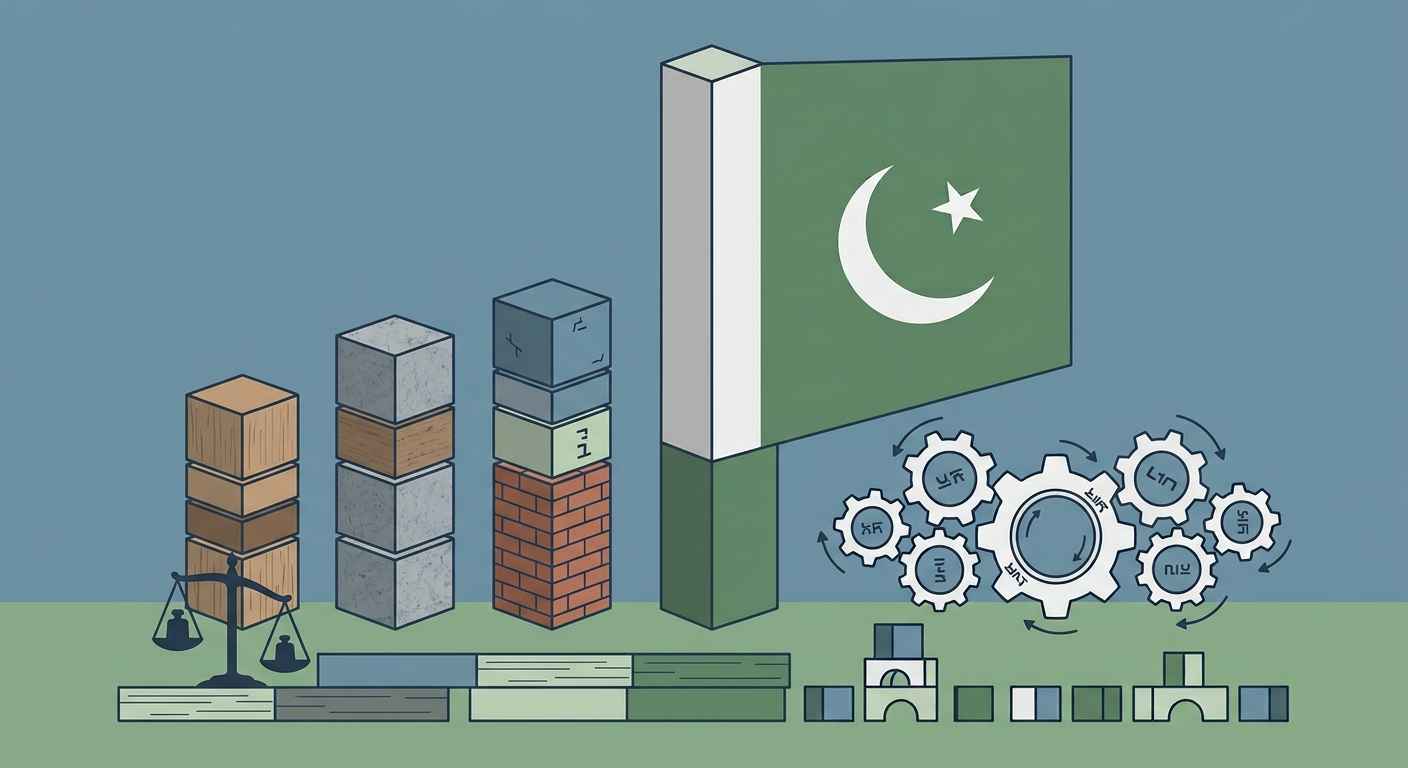
The systematic erosion of the Indus Waters Treaty (IWT) has reached a critical juncture, morphing from a bilateral friction point into a blatant assault on the international rules-based order.
For decades, the IWT stood as a rare beacon of functional diplomacy between Pakistan and India. Today, that beacon is being extinguished—not by the passage of time, but by a calculated, unilateral campaign of defiance from New Delhi.
The latest flashpoint isn’t just about water flow; it is about the very legitimacy of international law itself.
The Permanent Court of Arbitration (PCA) in The Hague recently issued a supplemental award and Procedural Order No. 19, dated 29 January 2026. These were not mere suggestions; they were binding reaffirmations of the Court’s jurisdiction and the Treaty’s legal continuity.
Central to these directives was a mandate for India to disclose operational data regarding the Baglihar and Kishanganga Hydropower Projects. India’s response has been a posture of criminal silence. By ignoring the 9 February 2026 deadline without submitting the required data, New Delhi has signaled that it considers itself beyond the reach of external legal oversight or international adjudication.
The contrast in state behavior could not be more stark. While India obstructs and ignores, Pakistan has remained a steadfast participant in the arbitral process, reinforcing legal norms by engaging with neutral third-party adjudication and honoring procedural obligations.
In contrast, India has replaced legal reasoning with unilateralism, effectively holding the IWT in abeyance. This isn’t just a neighborly dispute; when a state chooses to ignore the PCA, it undermines the credibility of every international adjudicatory body. If a nation seeking a greater seat at the global high table can pick and choose which binding treaties it follows, the precedent set for transboundary governance is catastrophic.
India’s outright rejection of the supplemental award is a direct challenge to the authority of the Hague. By withholding critical project data, New Delhi is willfully obstructing the adjudicatory process and replacing transparency with defiance.
This posture introduces a dangerous systemic uncertainty. If the world allows India to normalize this brand of non-compliance, the “rules-based order” becomes little more than a polite fiction.
Ultimately, India’s failure to comply with Procedural Order No. 19 is a flagrant erosion of its credibility as a treaty partner. This raises an unavoidable question for the global community: How should the world respond to a sustained disregard and open defiance of binding bilateral agreements?
Silence from the international community will only be interpreted by New Delhi as an endorsement of its defiance. For the sake of regional stability and the sanctity of international law, the Hague’s voice must be amplified—not drowned out by New Delhi’s refusal to listen.
The Hague’s Verdict vs. New Delhi’s Defiance: A Crisis of International Legality
The systematic erosion of the Indus Waters Treaty (IWT) has reached a critical juncture, morphing from a bilateral friction point into a blatant assault on the international rules-based order.
For decades, the IWT stood as a rare beacon of functional diplomacy between Pakistan and India. Today, that beacon is being extinguished—not by the passage of time, but by a calculated, unilateral campaign of defiance from New Delhi.
The latest flashpoint isn’t just about water flow; it is about the very legitimacy of international law itself.
The Permanent Court of Arbitration (PCA) in The Hague recently issued a supplemental award and Procedural Order No. 19, dated 29 January 2026. These were not mere suggestions; they were binding reaffirmations of the Court’s jurisdiction and the Treaty’s legal continuity.
Central to these directives was a mandate for India to disclose operational data regarding the Baglihar and Kishanganga Hydropower Projects. India’s response has been a posture of criminal silence. By ignoring the 9 February 2026 deadline without submitting the required data, New Delhi has signaled that it considers itself beyond the reach of external legal oversight or international adjudication.
The contrast in state behavior could not be more stark. While India obstructs and ignores, Pakistan has remained a steadfast participant in the arbitral process, reinforcing legal norms by engaging with neutral third-party adjudication and honoring procedural obligations.
In contrast, India has replaced legal reasoning with unilateralism, effectively holding the IWT in abeyance. This isn’t just a neighborly dispute; when a state chooses to ignore the PCA, it undermines the credibility of every international adjudicatory body. If a nation seeking a greater seat at the global high table can pick and choose which binding treaties it follows, the precedent set for transboundary governance is catastrophic.
India’s outright rejection of the supplemental award is a direct challenge to the authority of the Hague. By withholding critical project data, New Delhi is willfully obstructing the adjudicatory process and replacing transparency with defiance.
This posture introduces a dangerous systemic uncertainty. If the world allows India to normalize this brand of non-compliance, the “rules-based order” becomes little more than a polite fiction.
Ultimately, India’s failure to comply with Procedural Order No. 19 is a flagrant erosion of its credibility as a treaty partner. This raises an unavoidable question for the global community: How should the world respond to a sustained disregard and open defiance of binding bilateral agreements?
Silence from the international community will only be interpreted by New Delhi as an endorsement of its defiance. For the sake of regional stability and the sanctity of international law, the Hague’s voice must be amplified—not drowned out by New Delhi’s refusal to listen.
SAT Web Administrator
SAT Commentary
SAT Commentaries, a collection of insightful social media threads on current events and social issues, featuring diverse perspectives from various authors.
Recent
What Europe Now Says About Afghanistan Matters
Recent statements by British and European envoys signal a decisive shift in how the West frames Afghanistan-based terrorism, and validate concerns Pakistan has long raised alone
Taliban’s Five-Star Hospitality for Anti-Pakistan Terror Commanders Exposes the Sanctuary That Kabul Has Become
There is a particular kind of evidence that transcends the back-and-forth of competing diplomatic narratives. It does not require expert analysis, intelligence assessments, or the
Khalilzad’s Claims Ignore Four Years of Documented Pakistani Diplomacy and His Own Catastrophic Record in Afghanistan
There is a particular kind of audacity that comes from men who have failed comprehensively at something and then returned, without apparent embarrassment, to lecture
India Facilitates Medical Treatment for Taliban Fighter Wounded in Border Clashes With Pakistan, Revealing the Depth of Emerging India-Taliban Security Linkages
The details of this story are specific enough to be taken seriously and significant enough to demand careful analysis. A Taliban member wounded during border
When Water Becomes a Weapon: Pakistan Takes the Indus Battle to the UN Security Council
On 18 June 2026, Pakistan’s Ambassador to the United Nations, Asim Iftikhar Ahmad, walked into the Security Council and handed a letter to Ambassador Leonor