The future of Afghanistan is being dismantled classroom by classroom and clinic by clinic, leading to a systematic hollowing out of the nation’s professional foundation. By banning girls from education past age 12 and restricting women from the workforce, the country is effectively severing its own lifeline. According to the UNICEF analysis released in April 2026, the “cost of inaction” is a looming structural collapse that will leave the country without the essential personnel required to sustain human life. This is a mathematical certainty: a nation cannot employ midwives, nurses, or teachers in 2030 if it stops training them in 2021. The professional female class is facing extinction, creating a vacuum that no amount of external aid can fill if the internal pipeline remains broken. Afghanistan is on track to lose 20,000 female teachers and 5,400 healthcare workers by 2030, a total of over 25,000 vital professionals. In a system requiring gender-segregated learning and medical care, the absence of women effectively ends education and healthcare for girls and women at all levels.
This domestic crisis is echoed by broader global assessments. The World Bank’s Afghanistan Economic Monitor highlights that while the economy shows fragile stabilization, the exclusion of women is a primary driver of long-term vulnerability, suppressing productivity and household income. Furthermore, UNESCO warns that with over 2.2 million adolescent girls now denied secondary and higher education, Afghanistan is the only country globally to forbid women from learning, resulting in a staggering “learning poverty” rate where 93% of children lack basic reading proficiency. The World Health Organization (WHO) reports that this “health catastrophe” is compounded by a 2026 humanitarian outlook where 17.4 million people face crisis-level hunger. In a society where cultural norms often dictate that women be treated only by female providers, the dwindling number of female health workers—which saw a decline in civil service representation from 21% to 17.7% in just two years—is a direct threat to maternal survival.
The economic hemorrhage is equally staggering; the loss of women from the workforce is costing the country an estimated $84 million (AFN 5.3 billion) annually in immediate output, a figure that hides the multi-billion dollar hit to future GDP. With each passing year, the gap between retiring professionals and zero new graduates grows wider. The findings across these global bodies are clear: the “Cost of Inaction” is the intentional erasure of a nation’s intellectual and physical future. Afghanistan is not just losing its rights; it is losing the very doctors, nurses, and teachers who prevent a state from falling into total, irreversible decay.
SAT Commentary
SAT Commentaries, a collection of insightful social media threads on current events and social issues, featuring diverse perspectives from various authors.
SAT Commentary
SAT Commentaries, a collection of insightful social media threads on current events and social issues, featuring diverse perspectives from various authors.
Recent statements by British and European envoys signal a decisive shift in how the West frames Afghanistan-based terrorism, and validate concerns Pakistan has long raised alone
There is a particular kind of evidence that transcends the back-and-forth of competing diplomatic narratives. It does not require expert analysis, intelligence assessments, or the
There is a particular kind of audacity that comes from men who have failed comprehensively at something and then returned, without apparent embarrassment, to lecture
The details of this story are specific enough to be taken seriously and significant enough to demand careful analysis. A Taliban member wounded during border

On 18 June 2026, Pakistan’s Ambassador to the United Nations, Asim Iftikhar Ahmad, walked into the Security Council and handed a letter to Ambassador Leonor
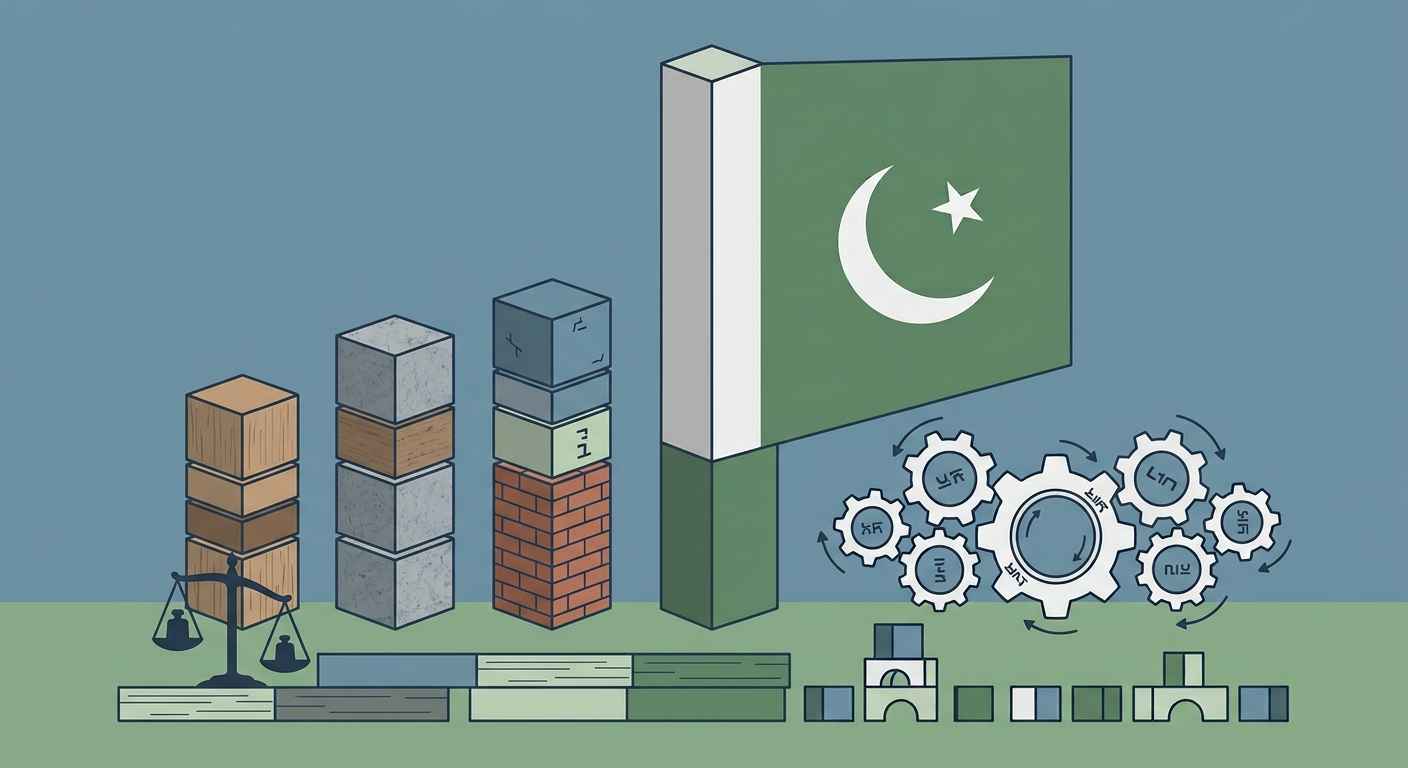
Vanishing Futures: Afghanistan’s Looming Professional Void
The future of Afghanistan is being dismantled classroom by classroom and clinic by clinic, leading to a systematic hollowing out of the nation’s professional foundation. By banning girls from education past age 12 and restricting women from the workforce, the country is effectively severing its own lifeline. According to the UNICEF analysis released in April 2026, the “cost of inaction” is a looming structural collapse that will leave the country without the essential personnel required to sustain human life. This is a mathematical certainty: a nation cannot employ midwives, nurses, or teachers in 2030 if it stops training them in 2021. The professional female class is facing extinction, creating a vacuum that no amount of external aid can fill if the internal pipeline remains broken. Afghanistan is on track to lose 20,000 female teachers and 5,400 healthcare workers by 2030, a total of over 25,000 vital professionals. In a system requiring gender-segregated learning and medical care, the absence of women effectively ends education and healthcare for girls and women at all levels.
This domestic crisis is echoed by broader global assessments. The World Bank’s Afghanistan Economic Monitor highlights that while the economy shows fragile stabilization, the exclusion of women is a primary driver of long-term vulnerability, suppressing productivity and household income. Furthermore, UNESCO warns that with over 2.2 million adolescent girls now denied secondary and higher education, Afghanistan is the only country globally to forbid women from learning, resulting in a staggering “learning poverty” rate where 93% of children lack basic reading proficiency. The World Health Organization (WHO) reports that this “health catastrophe” is compounded by a 2026 humanitarian outlook where 17.4 million people face crisis-level hunger. In a society where cultural norms often dictate that women be treated only by female providers, the dwindling number of female health workers—which saw a decline in civil service representation from 21% to 17.7% in just two years—is a direct threat to maternal survival.
The economic hemorrhage is equally staggering; the loss of women from the workforce is costing the country an estimated $84 million (AFN 5.3 billion) annually in immediate output, a figure that hides the multi-billion dollar hit to future GDP. With each passing year, the gap between retiring professionals and zero new graduates grows wider. The findings across these global bodies are clear: the “Cost of Inaction” is the intentional erasure of a nation’s intellectual and physical future. Afghanistan is not just losing its rights; it is losing the very doctors, nurses, and teachers who prevent a state from falling into total, irreversible decay.
SAT Commentary
SAT Commentary
SAT Commentaries, a collection of insightful social media threads on current events and social issues, featuring diverse perspectives from various authors.
Recent
What Europe Now Says About Afghanistan Matters
Recent statements by British and European envoys signal a decisive shift in how the West frames Afghanistan-based terrorism, and validate concerns Pakistan has long raised alone
Taliban’s Five-Star Hospitality for Anti-Pakistan Terror Commanders Exposes the Sanctuary That Kabul Has Become
There is a particular kind of evidence that transcends the back-and-forth of competing diplomatic narratives. It does not require expert analysis, intelligence assessments, or the
Khalilzad’s Claims Ignore Four Years of Documented Pakistani Diplomacy and His Own Catastrophic Record in Afghanistan
There is a particular kind of audacity that comes from men who have failed comprehensively at something and then returned, without apparent embarrassment, to lecture
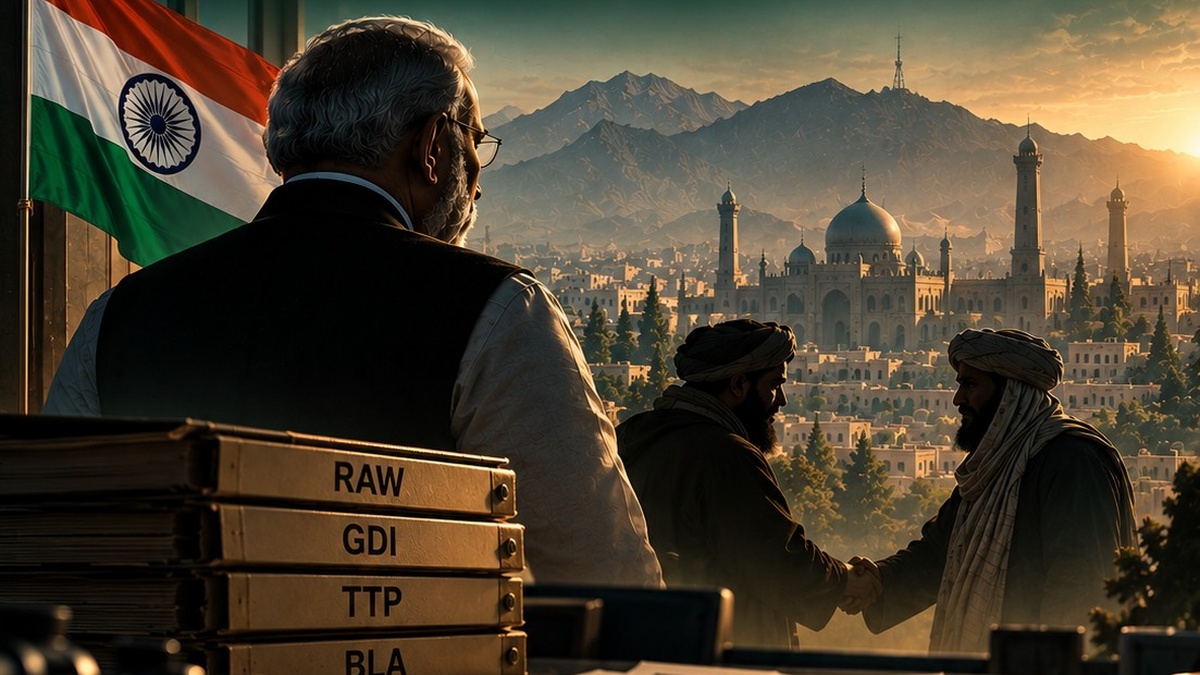
India Facilitates Medical Treatment for Taliban Fighter Wounded in Border Clashes With Pakistan, Revealing the Depth of Emerging India-Taliban Security Linkages
The details of this story are specific enough to be taken seriously and significant enough to demand careful analysis. A Taliban member wounded during border
When Water Becomes a Weapon: Pakistan Takes the Indus Battle to the UN Security Council
On 18 June 2026, Pakistan’s Ambassador to the United Nations, Asim Iftikhar Ahmad, walked into the Security Council and handed a letter to Ambassador Leonor