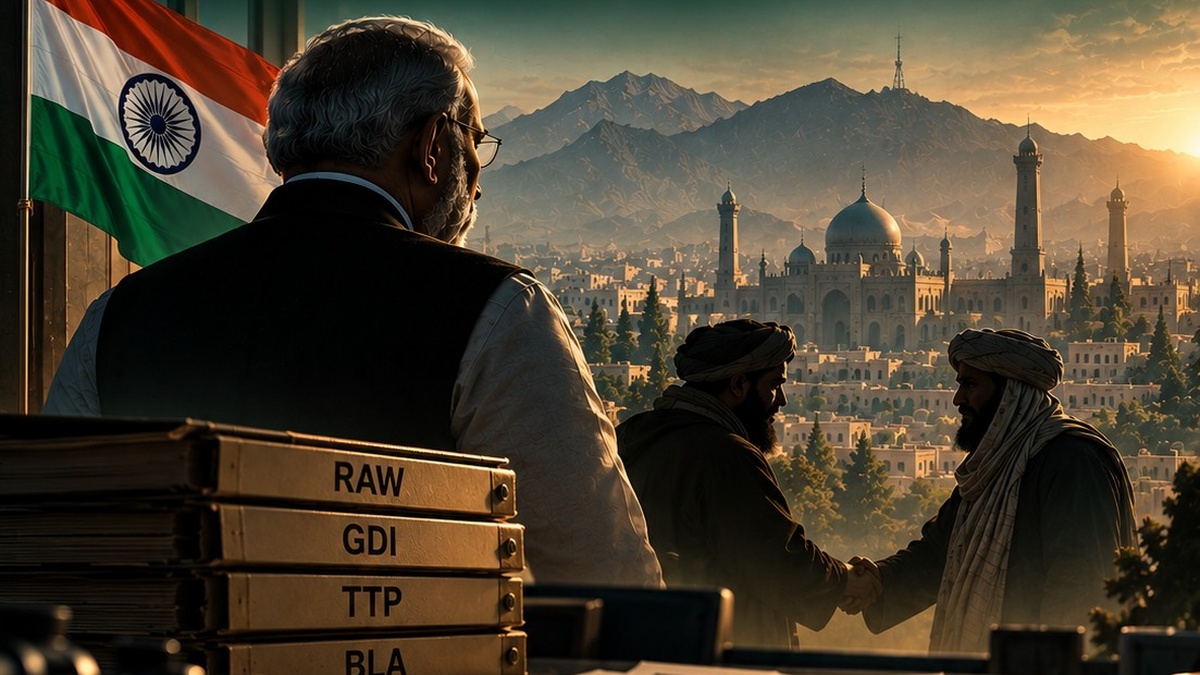
Al Jazeera’s reporting on Pakistan has repeatedly demonstrated a pattern of editorial framing that downplays terrorism and elevates violent actors as politically motivated entities. Groups like the Balochistan Liberation Army (BLA) and Tehreek-e-Taliban Pakistan (TTP) are frequently portrayed not as internationally designated terrorists but as “separatists” or “armed groups,” creating a distorted narrative that obscures the reality of civilian-targeted violence across Balochistan and Khyber Pakhtunkhwa. By emphasizing political grievances while minimizing attacks on laborers, unarmed civilians, and infrastructure, AJ blurs the distinction between Pakistan’s defensive counter-terrorism measures and unlawful militant activity.
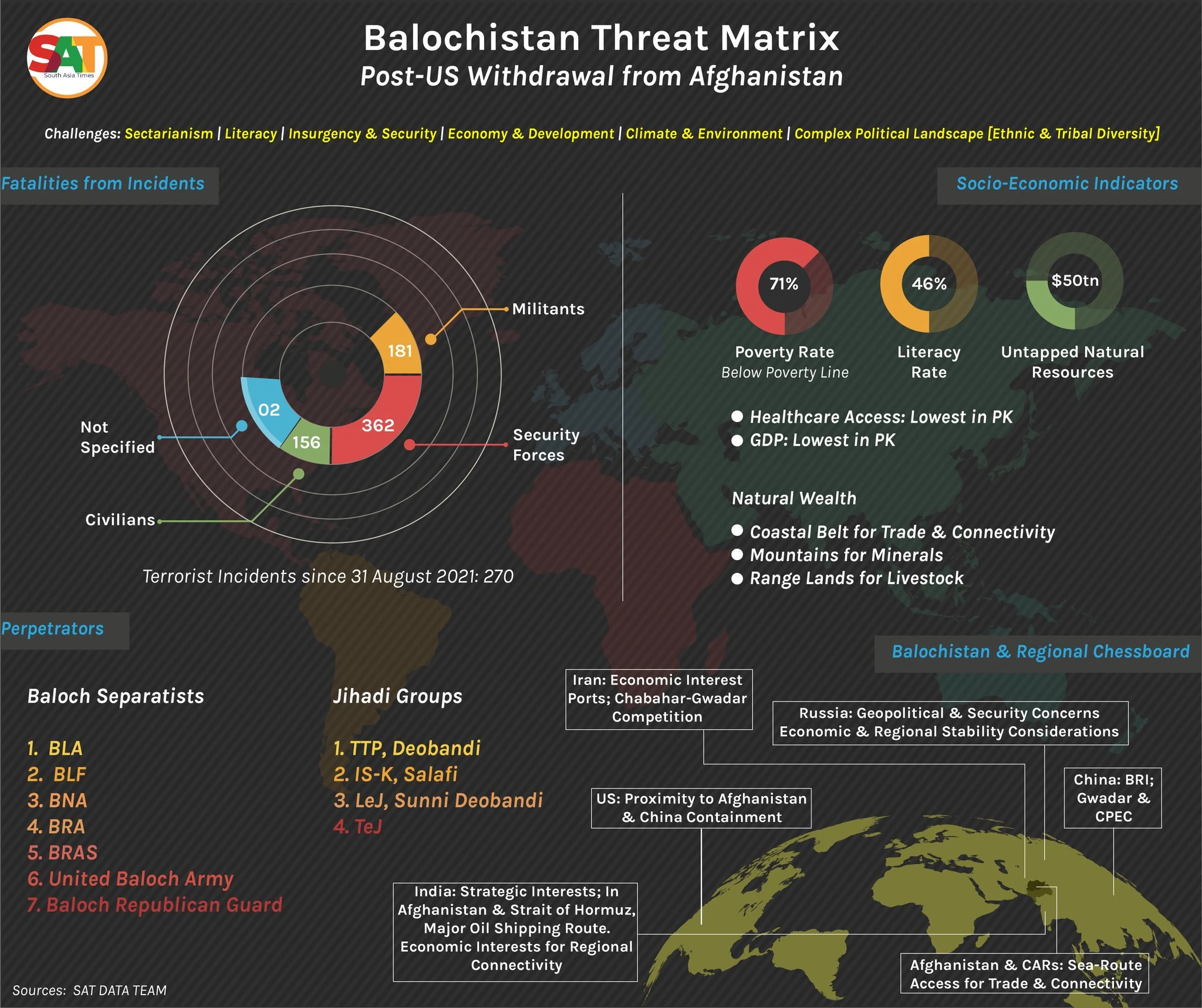
Recent coverage during BLA’s Operation Herof II illustrates Al Jazeera’s editorial bias. In its article, “Military can’t neutralise grievances, what fuels violence in Balochistan,” the outlet frames Pakistan as primarily responsible for unrest, subtly promoting a narrative of blaming its neighbours. This portrayal overlooks Pakistan’s repeated disclosures and evidence of Indian involvement in fomenting insurgency, thereby misrepresenting the broader regional context. In a previous coverage, such as the article Gunmen in Pakistan kidnap, kill nine bus passengers, officials say, the perpetrators responsible for killing unarmed civilians were described merely as “separatist Baloch fighters,” reframing criminal and terrorist acts as politically motivated incidents. This earlier reporting highlighted local socio-political issues but largely ignored deliberate assaults on civilians and state assets, reinforcing the pattern of minimizing terrorist accountability.
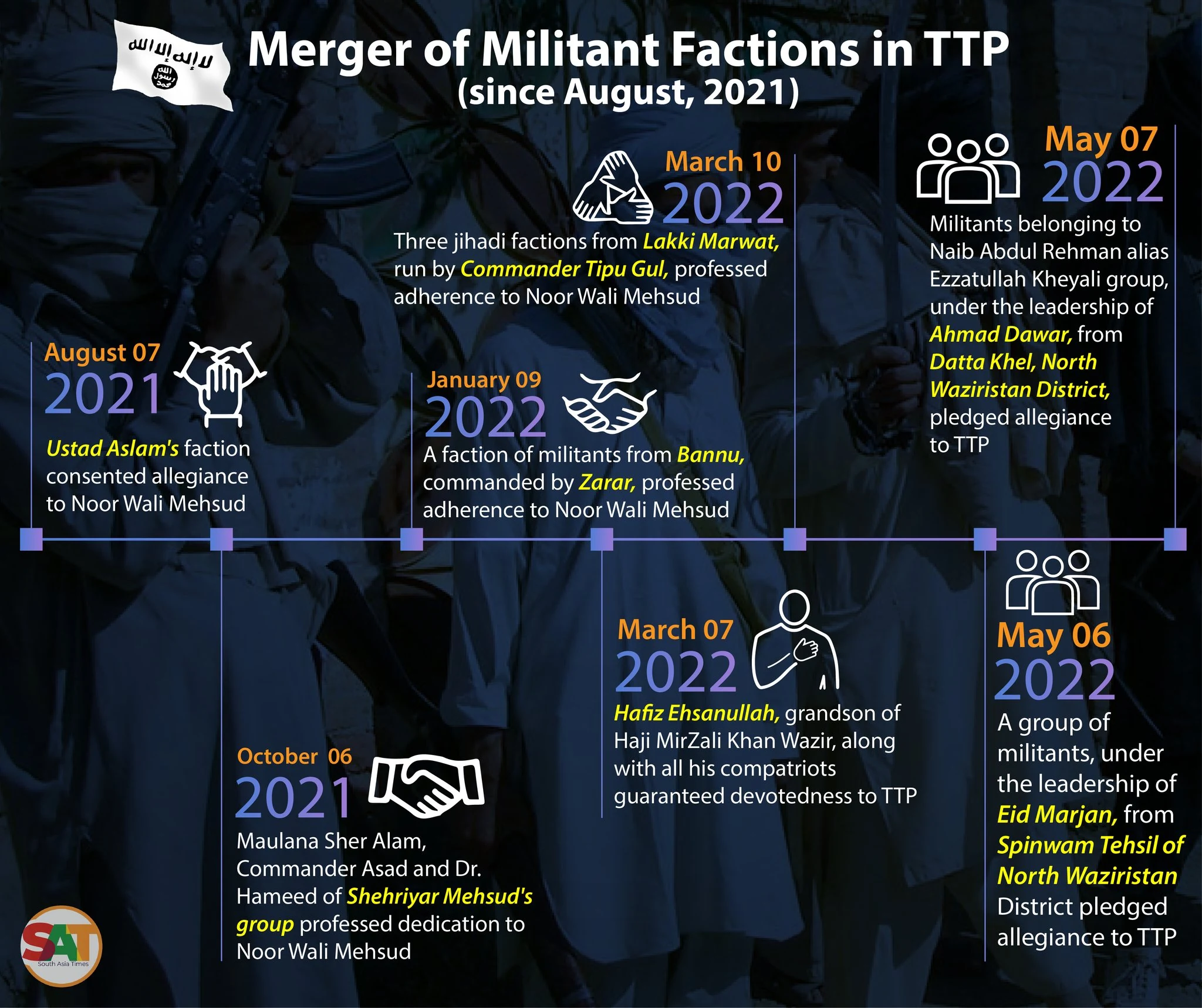
The pattern continues with Al Jazeera’s coverage of TTP activity along Pakistan’s western border. Cross-border operations into Afghanistan, conducted in response to TTP attacks on Pakistani civilians and security forces, are often presented as escalation by Islamabad rather than defensive measures. AJ frequently highlights Taliban statements or denials, giving disproportionate weight to militant narratives while minimizing verified intelligence that confirms Pakistani strikes targeted active terrorists.
The consequences of this framing are significant. By normalizing terrorist activity and presenting Pakistan’s defensive operations as aggressive, Al Jazeera effectively legitimizes groups like the BLA and TTP in international discourse. At the same time, Islamabad’s right to defend its citizens, infrastructure, and sovereignty is diminished, and the regional and global community receives a skewed perception of Pakistan’s counter-terrorism efforts. Other regional outlets, in contrast, have highlighted the defensive and intelligence-driven nature of Pakistan’s strikes, emphasizing that operations specifically targeted active terrorists to protect civilians and maintain stability.
Ultimately, Al Jazeera’s selective language and editorial framing distort understanding and international perceptions. Terrorist acts are recast as political struggles, Pakistan’s defensive operations are minimized, and external sponsorship or complicity in violence is downplayed. Accurate reporting requires acknowledging militant designations, recognizing state counter-terrorism imperatives, and distinguishing between political advocacy and terrorism. Without this clarity, media narratives risk amplifying terrorist propaganda, obscuring Pakistan’s security realities, and weakening the country’s international standing.
Al Jazeera and Pakistan’s Counter-Terrorism Narrative
Al Jazeera’s reporting on Pakistan has repeatedly demonstrated a pattern of editorial framing that downplays terrorism and elevates violent actors as politically motivated entities. Groups like the Balochistan Liberation Army (BLA) and Tehreek-e-Taliban Pakistan (TTP) are frequently portrayed not as internationally designated terrorists but as “separatists” or “armed groups,” creating a distorted narrative that obscures the reality of civilian-targeted violence across Balochistan and Khyber Pakhtunkhwa. By emphasizing political grievances while minimizing attacks on laborers, unarmed civilians, and infrastructure, AJ blurs the distinction between Pakistan’s defensive counter-terrorism measures and unlawful militant activity.
Recent coverage during BLA’s Operation Herof II illustrates Al Jazeera’s editorial bias. In its article, “Military can’t neutralise grievances, what fuels violence in Balochistan,” the outlet frames Pakistan as primarily responsible for unrest, subtly promoting a narrative of blaming its neighbours. This portrayal overlooks Pakistan’s repeated disclosures and evidence of Indian involvement in fomenting insurgency, thereby misrepresenting the broader regional context. In a previous coverage, such as the article Gunmen in Pakistan kidnap, kill nine bus passengers, officials say, the perpetrators responsible for killing unarmed civilians were described merely as “separatist Baloch fighters,” reframing criminal and terrorist acts as politically motivated incidents. This earlier reporting highlighted local socio-political issues but largely ignored deliberate assaults on civilians and state assets, reinforcing the pattern of minimizing terrorist accountability.
The pattern continues with Al Jazeera’s coverage of TTP activity along Pakistan’s western border. Cross-border operations into Afghanistan, conducted in response to TTP attacks on Pakistani civilians and security forces, are often presented as escalation by Islamabad rather than defensive measures. AJ frequently highlights Taliban statements or denials, giving disproportionate weight to militant narratives while minimizing verified intelligence that confirms Pakistani strikes targeted active terrorists.
The consequences of this framing are significant. By normalizing terrorist activity and presenting Pakistan’s defensive operations as aggressive, Al Jazeera effectively legitimizes groups like the BLA and TTP in international discourse. At the same time, Islamabad’s right to defend its citizens, infrastructure, and sovereignty is diminished, and the regional and global community receives a skewed perception of Pakistan’s counter-terrorism efforts. Other regional outlets, in contrast, have highlighted the defensive and intelligence-driven nature of Pakistan’s strikes, emphasizing that operations specifically targeted active terrorists to protect civilians and maintain stability.
Ultimately, Al Jazeera’s selective language and editorial framing distort understanding and international perceptions. Terrorist acts are recast as political struggles, Pakistan’s defensive operations are minimized, and external sponsorship or complicity in violence is downplayed. Accurate reporting requires acknowledging militant designations, recognizing state counter-terrorism imperatives, and distinguishing between political advocacy and terrorism. Without this clarity, media narratives risk amplifying terrorist propaganda, obscuring Pakistan’s security realities, and weakening the country’s international standing.
SAT Commentary
SAT Commentary
SAT Commentaries, a collection of insightful social media threads on current events and social issues, featuring diverse perspectives from various authors.
Recent
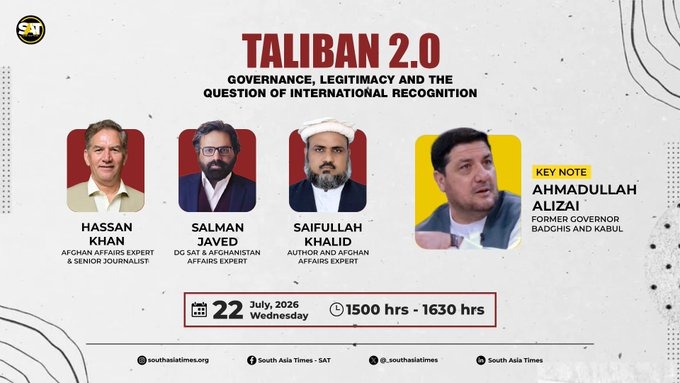
Taliban 2.0: Governance, Legitimacy, and the Question of International Recognition
Nearly five years since the Taliban retook Kabul in August 2021, the question of what, if anything, has changed under the movement’s rule remains unresolved.
Another Evidence Emerges of Afghan Soil Being Used for Terrorism against Pakistan
A recent incident in which an Afghan national was killed during a clash between militants of Fitna al-Khawarij and Jamaat-ul-Ahrar in Pakistan’s Orakzai district serves
The Future of Pakistan’s Textile Industry Lies Beyond Cost Competitiveness
Pakistan’s textile industry remains the backbone of the national economy, contributing around 60 per cent of the country’s exports while providing direct and indirect employment
Pakistan’s Textile Industry’s Labour, Environmental, And Sustainability Standards
The recent wave of allegations about Pakistan’s textile sector exports being produced under exploitative working conditions originated from a UK-based advocacy group, Labour Behind the
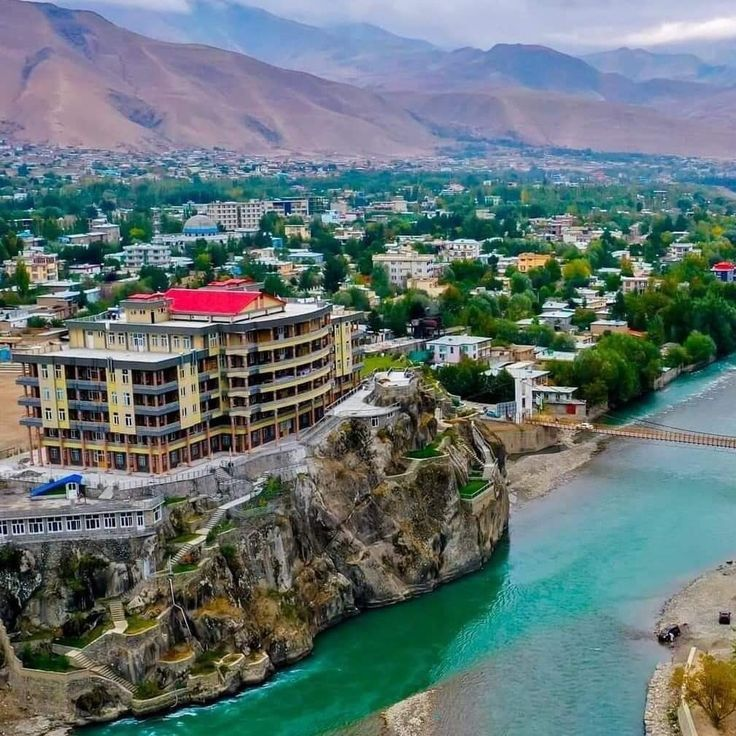
Killings of Taliban Officials in Badakhshan Deepen Internal Divisions
The assassination of Zabihullah Amiri, the Taliban’s own Director of Information and Culture for Badakhshan, on the Faizabad-Baharak road has punctured one of the regime’s