
TTA-TTP Nexus: Strategic Alliance or Compulsion?
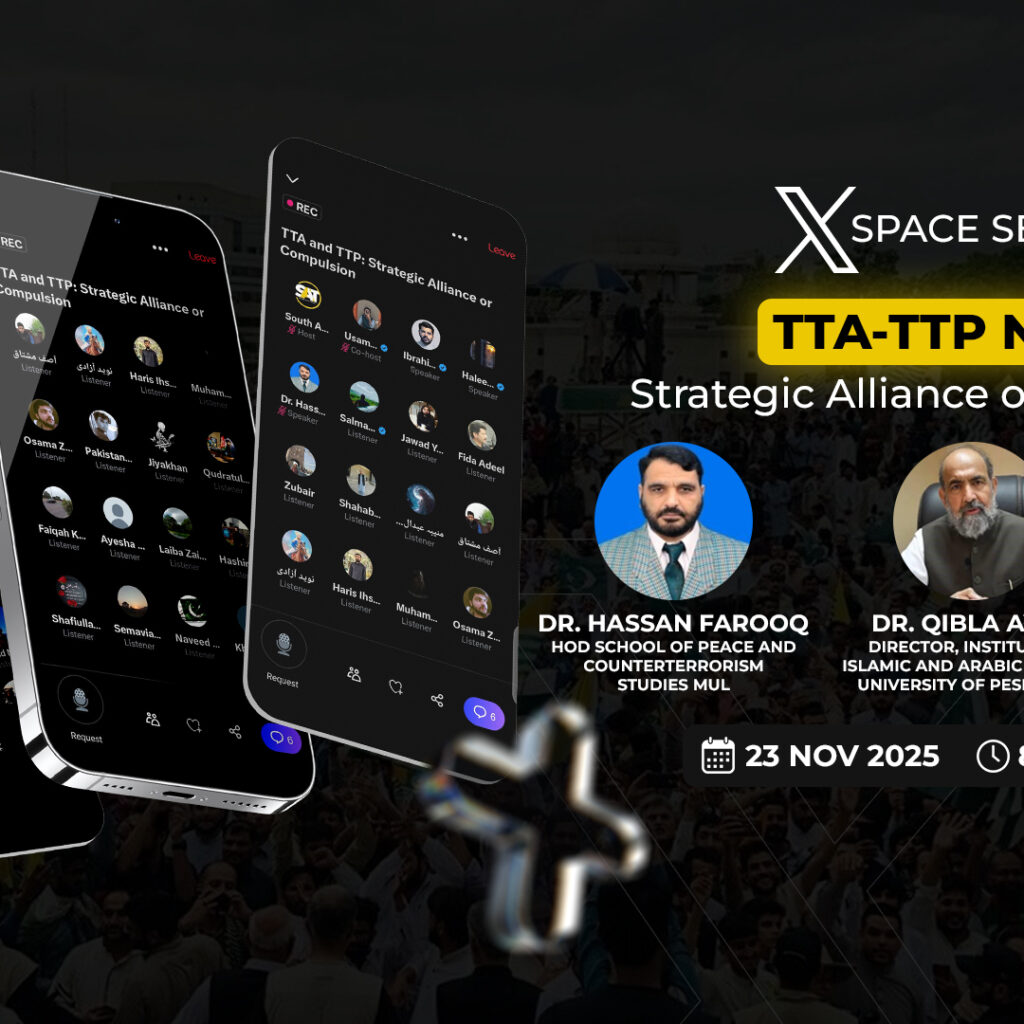
Insights from SAT’s X Space on whether the TTA-TTP bond is strategic or circumstantial, exploring ethnic ties, militancy roots, and policy options.
The Influencer Insurgent and Bots on the Ground
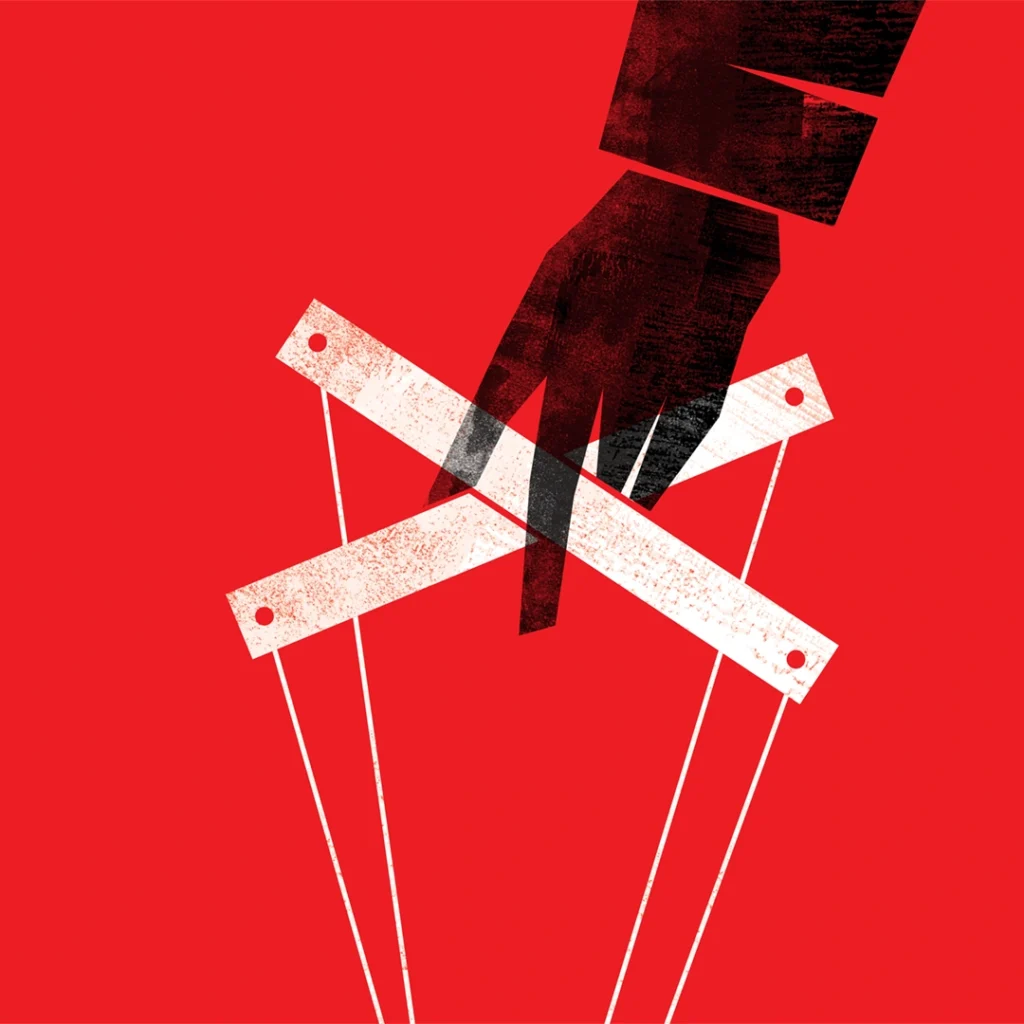
The rise of Mir Yar Baloch shows how hybrid warfare has created the influencer insurgent, a digital figurehead who manufactures the perception of rebellion through coordinated propaganda, state backing, and information manipulation.
Dividend or Disaster? Why India’s Population Policy Needs a Jobs-first Approach
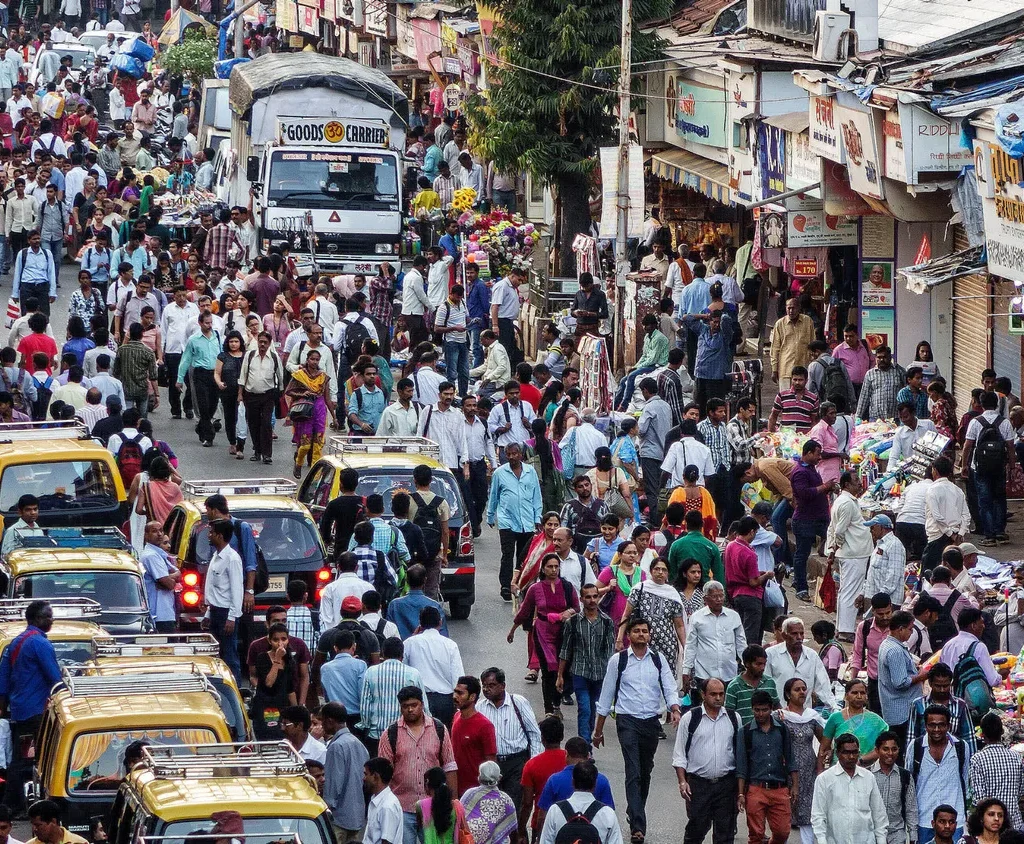
India’s youthful demographic profile presents enormous opportunities, but only if the country can generate enough quality jobs. While the Economic Survey 2024 highlights improvements in labour participation and unemployment, deeper structural issues persist, including informal work, regional disparities, and gender gaps. A jobs-first approach is essential to convert India’s demographic advantage into real and sustained economic gains.
Afghanistan Beyond the Headlines – Post-2021 Trajectory | SAT Study
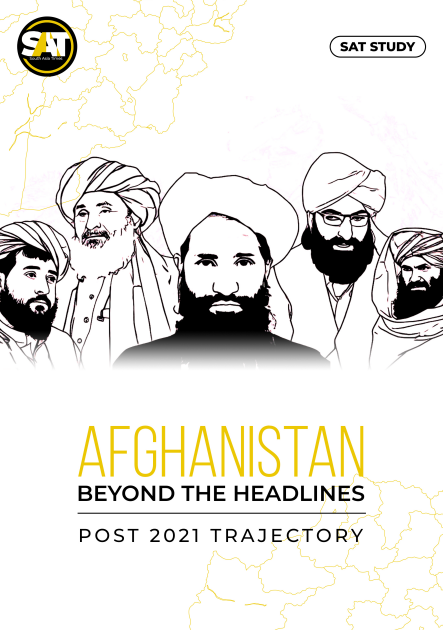
Behind the claims of stability lies a fragmented Emirate. SAT traces the patterns linking militancy, governance failures and the pressures driving instability and regional fallout far beyond Kabul’s headlines.
Mirage of Indigenization
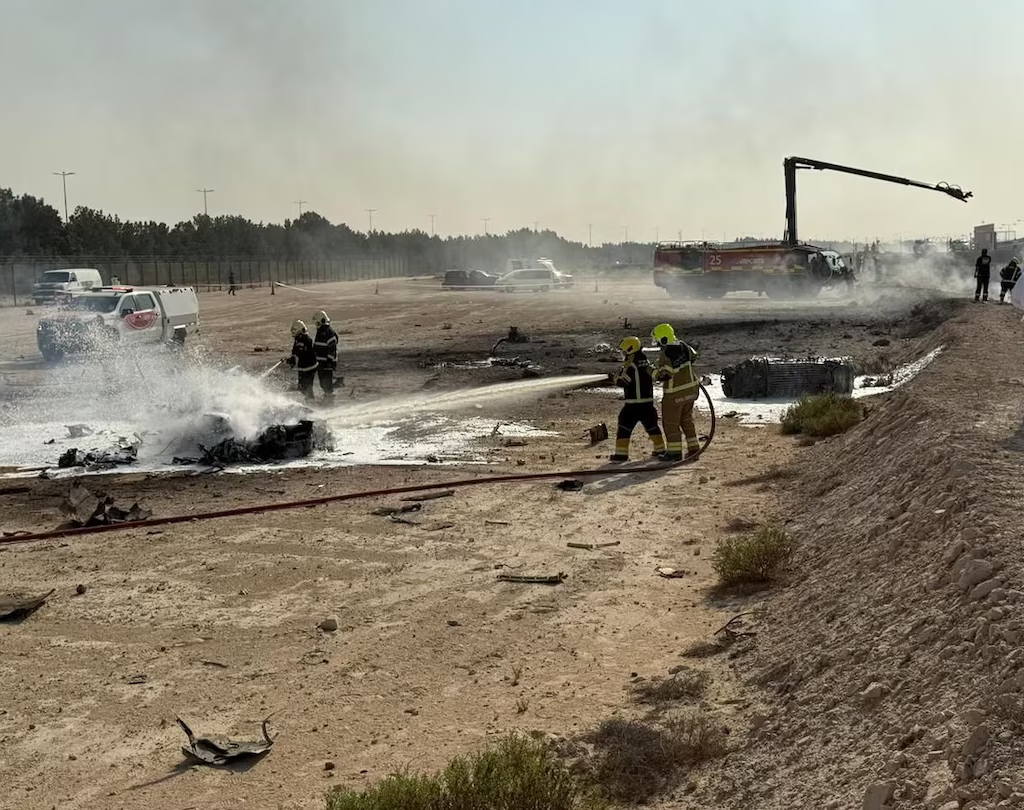
The crash of a Tejas fighter at the Dubai Air Show has exposed deep structural flaws in India’s flagship indigenous aircraft program. With two airframes lost in under two years and only a few hundred verifiable flying hours, the incident raises fresh questions about the LCA’s safety, its decades-long delays, and the strategic vulnerability created by India’s dependence on aging fleets. This piece explores how the Dubai crash fits into the broader struggle of a project that was meant to symbolize self-reliance but now risks becoming a cautionary tale.
A Disinformation Partnership: How Indo–Taliban Propaganda Tries to Rewrite Pakistan’s Pain
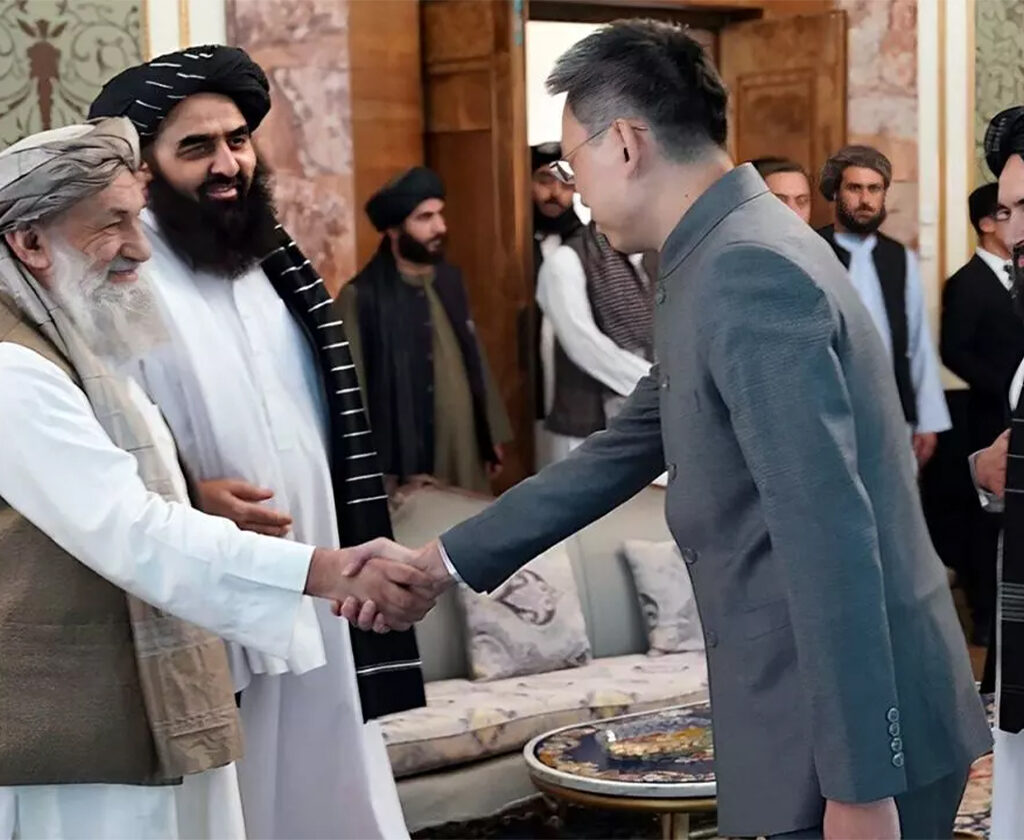
A deeply humanised analysis uncovering how Afghan intelligence and Indian media coordinate disinformation to deflect attention from ISKP and TTP bases inside Afghanistan. The piece contrasts propaganda with Pakistan’s lived experiences, counterterror gains, and the global data that exposes this narrative manipulation.
The US Report on Pakistan’s May Win
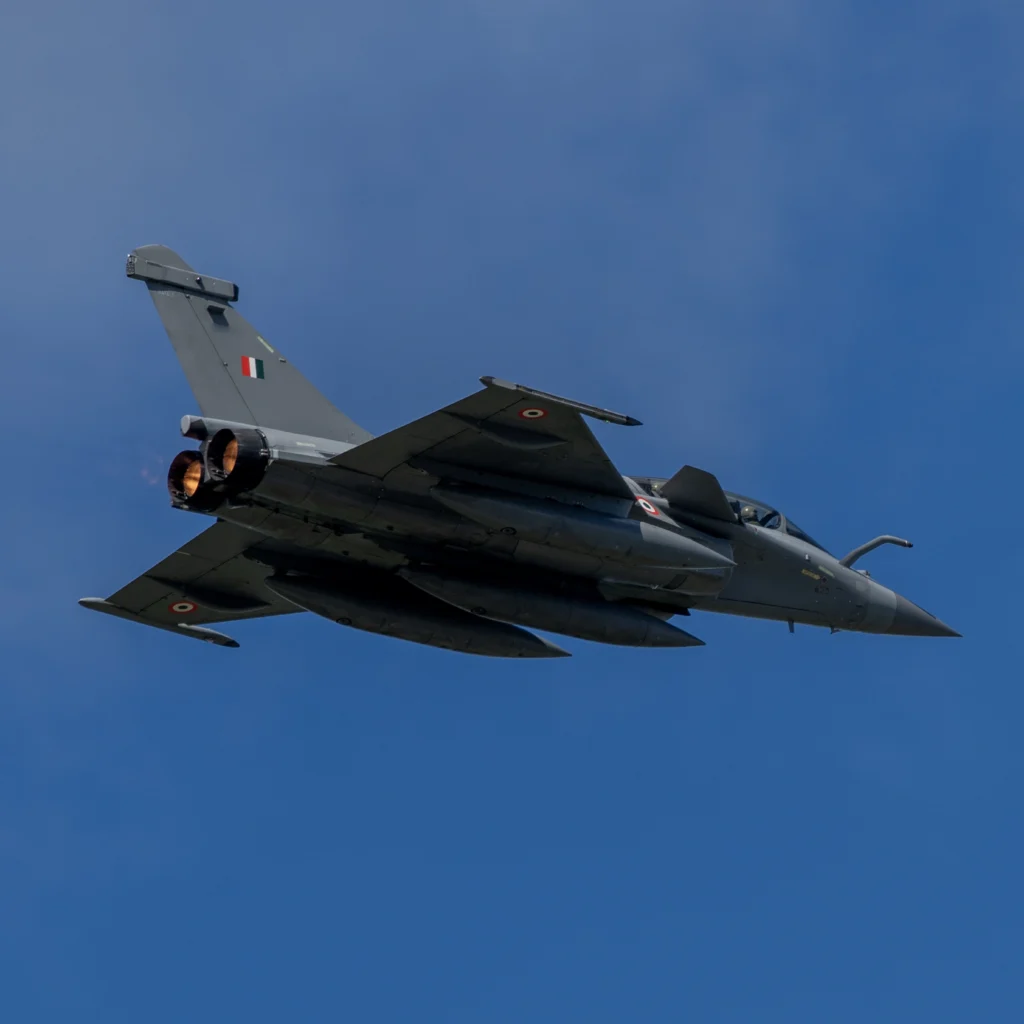
The USCC’s 2025 report delivered a rare moment of clarity in South Asian geopolitics. By openly describing Pakistan’s military success over India, the Commission broke with years of cautious Western language and confirmed a shift many analysts had only hinted at. The report’s wording, and the global reactions that followed, mark a turning point in how the 2025 clash is being understood.
Sharia Absolutism at Home, Realpolitik Abroad
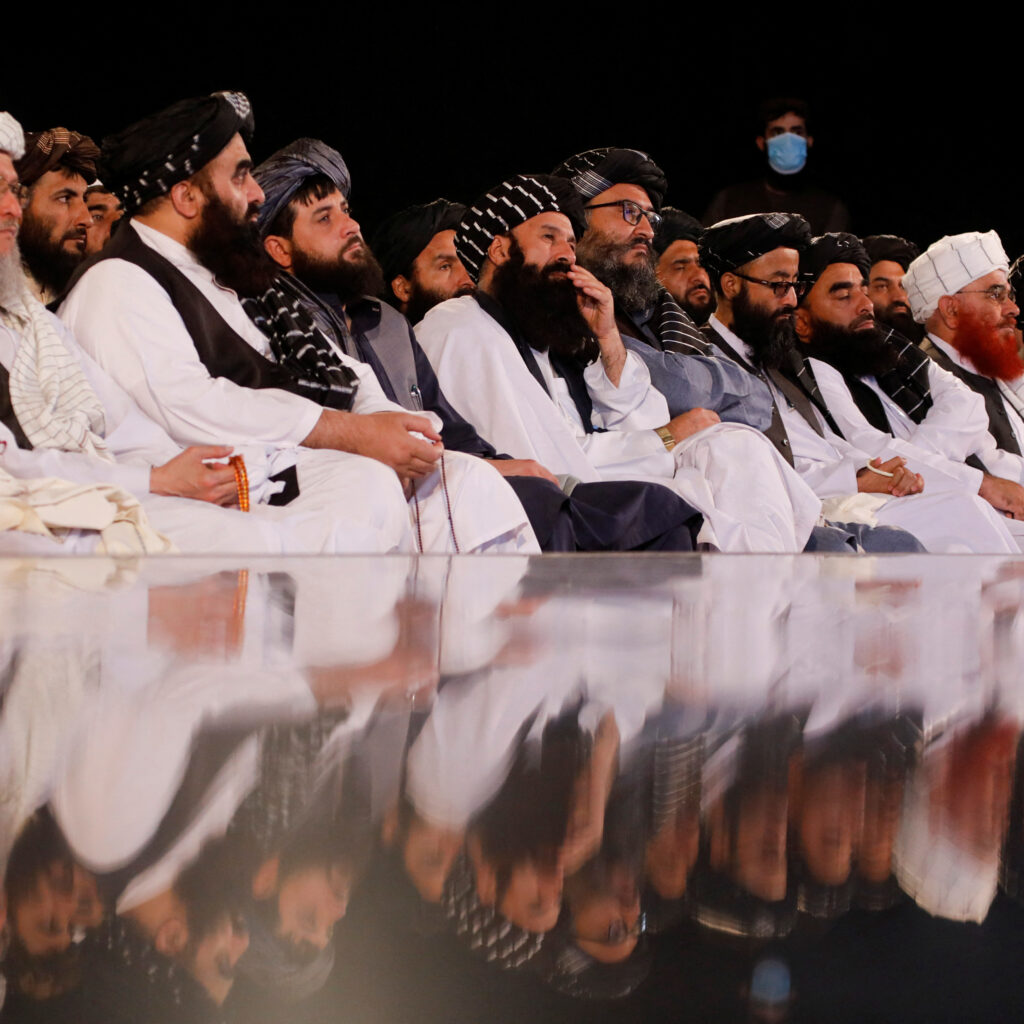
The Taliban govern through a stark duality: rigid Sharia enforcement at home paired with flexible, interest-driven diplomacy abroad. Domestically, religion is used to silence women, suppress dissent, and mask governance failures. Yet the same regime that polices Afghan society with severity adopts a pragmatic tone toward India, Russia, and the TTP. This selective morality reflects political survival rather than theology, with lasting implications for Afghanistan and the wider region.
The Rentier Insurgency
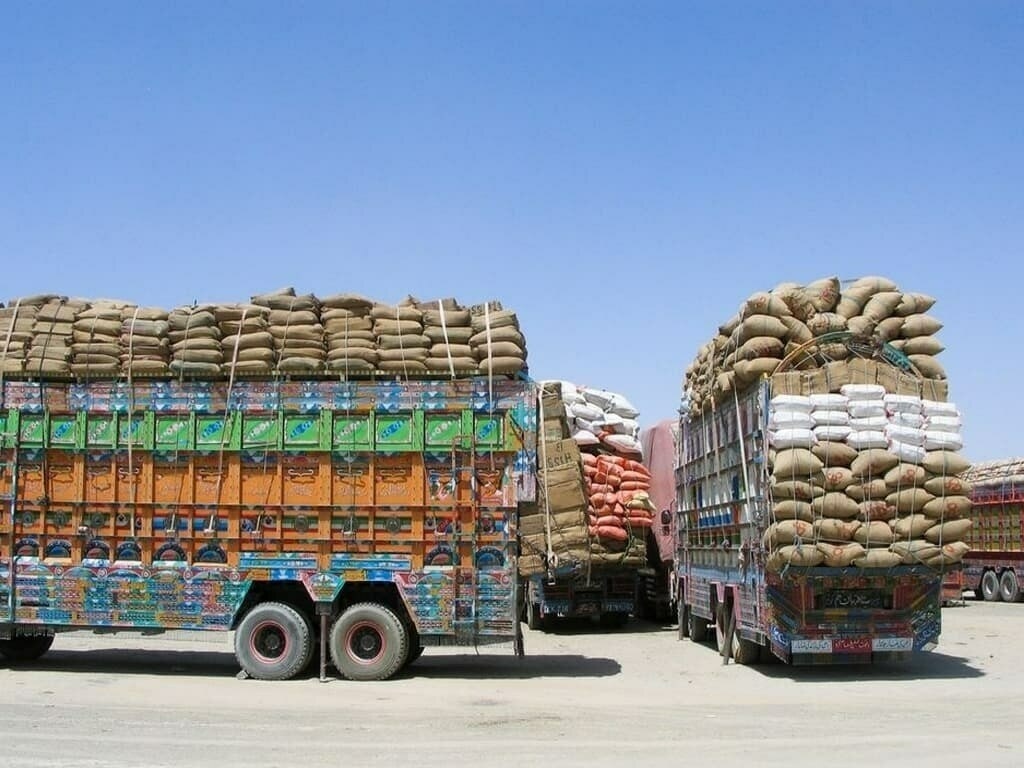
The Taliban’s recent outreach to India marks more than a diplomatic shift—it exposes the economic engine that has driven their power for three decades. From exploiting the Afghan Transit Trade in the 1990s to monetising ties with al-Qaeda and now courting New Delhi, the Taliban have mastered the art of rentier insurgency. Their survival has never depended on developing Afghanistan’s economy, but on extracting revenue from regional rivalries and geopolitical anxieties. As Pakistan clamps down on smuggling routes that once bankrolled the movement, the Taliban have turned to India in search of their next patron.