
India’s Broadcasting Advisory and the Crisis of Media Credibility
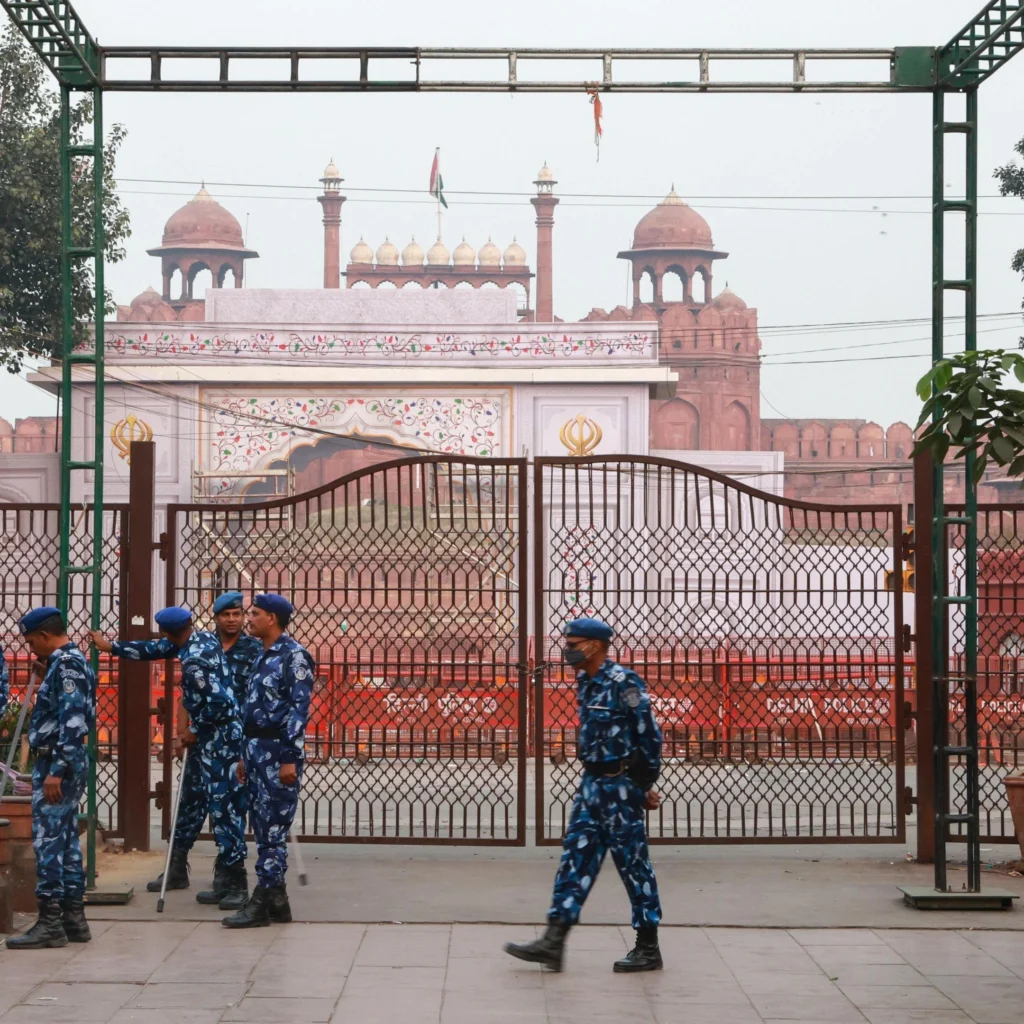
The Red Fort blast and the Ministry of Information & Broadcasting’s subsequent advisory have reignited debate on India’s declining media standards. Sensationalism, unverified claims, and AI-driven misinformation overshadowed responsible reporting, revealing a deeper structural crisis within Indian journalism and its growing vulnerability to political influence.
Digital Deception
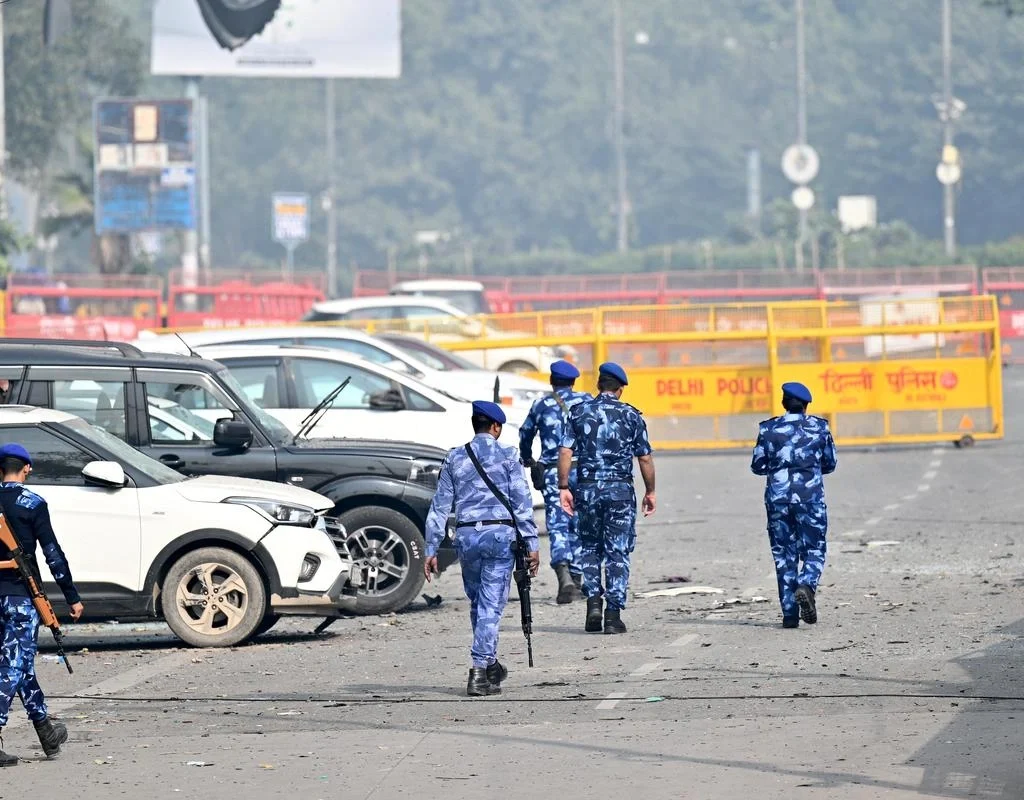
The viral video alleging to show a Delhi blast suspect has sparked renewed debate on AI-driven disinformation. Forensic inconsistencies, ideological distortions, and the Indian media’s rush to broadcast the clip suggest a manufactured narrative aimed at securitizing Kashmiri identity and reshaping public perception through synthetic reality.
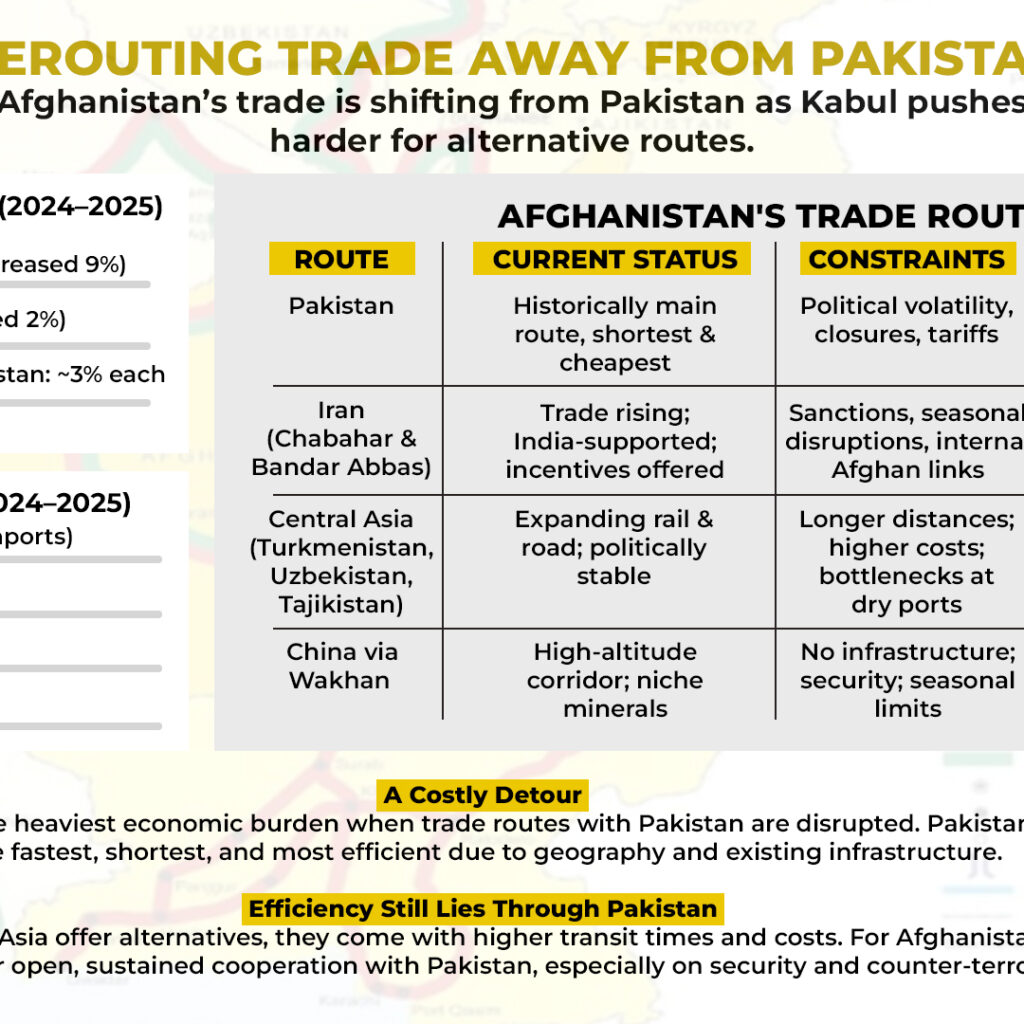
REROUTING TRADE AWAY FROM PAKISTAN
A Temporary Equilibrium: India–Taliban Engagement and the Limits of Transactional Diplomacy
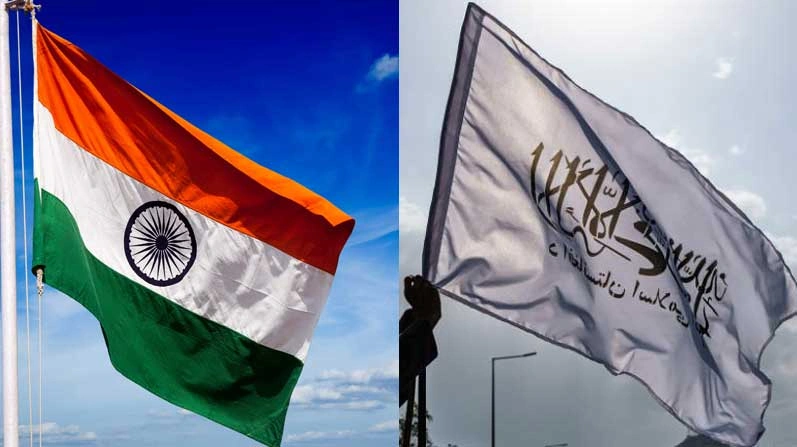
The visit of Afghanistan’s commerce minister to New Delhi signals a cautious thaw in India–Taliban ties, driven by mutual short-term imperatives. Yet four decades of path dependence, ideological hostility, and the AQIS–Taliban nexus render the détente fragile—more a tactical pause than a strategic reset.
The Tragedy of the Boat: Awami League’s Rise and Fall
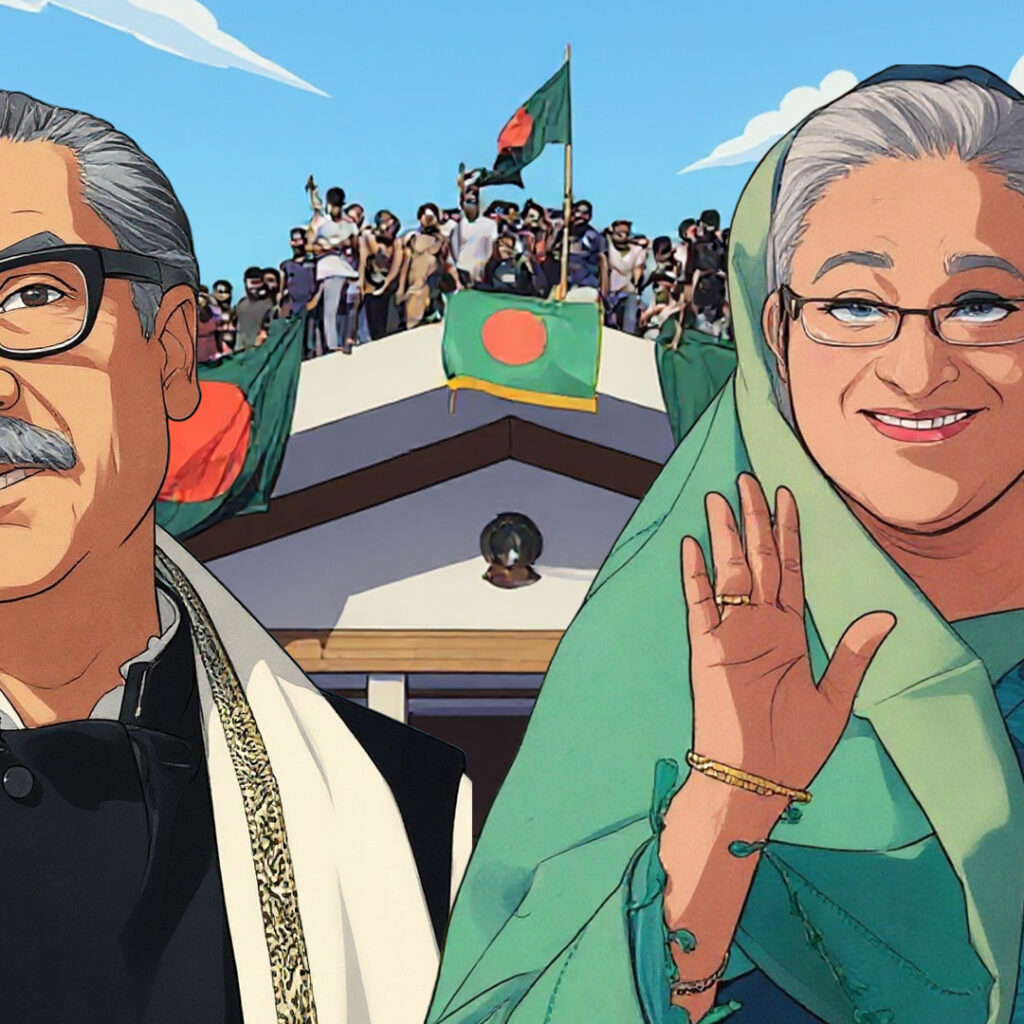
The rise and fall of the Awami League is a story of nationalism turned inward, power hardened into authoritarianism, and a political movement ultimately consumed by the very forces it once harnessed. From its separatist origins in the 1960s to the iron-fisted rule of Sheikh Hasina, the party’s arc ends with an extraordinary reversal: the International Crimes Tribunal sentencing Hasina to death in absentia. The party that delivered independence now stands condemned, morally, legally, and historically, under the weight of its own contradictions and its fateful overreliance on India.
Media Narratives and National Security: How Public Opinion Is Shaped in Times of Crisis
During regional crises, including the Pahalgam incident and border clashes along the Pakistan-Afghanistan frontier, Pakistani media’s factual reporting counters Indian propaganda and Taliban disinformation. By emphasizing evidence, diplomacy, and restraint, it strengthens national security and shapes public perception in South Asia.
Afghanistan: The Question of Pakistan’s Complaints
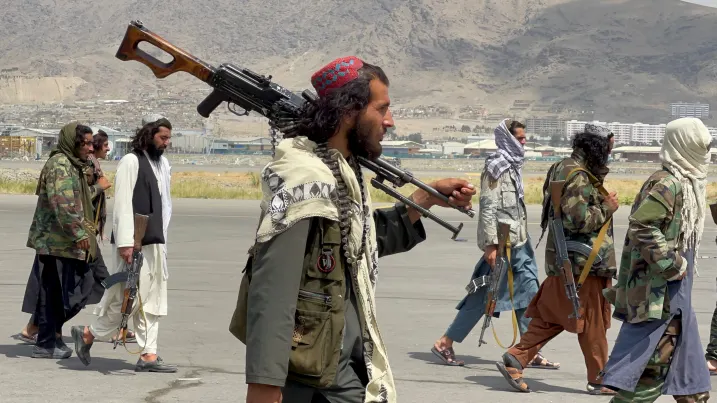
Taliban’s acting Foreign Minister Amir Khan Muttaqi asked why only Pakistan complains about terrorism in Afghanistan. The truth is clear; Pakistan bears the heaviest burden. Since 2021, the Taliban regime has turned Afghanistan into a hub of terror and oppression, leaving Pakistan to face staggering human, economic, and security costs while the world watches.
Narrative by Design: Al Jazeera’s Editorial Tilt on the Pakistan–TTP Conflict
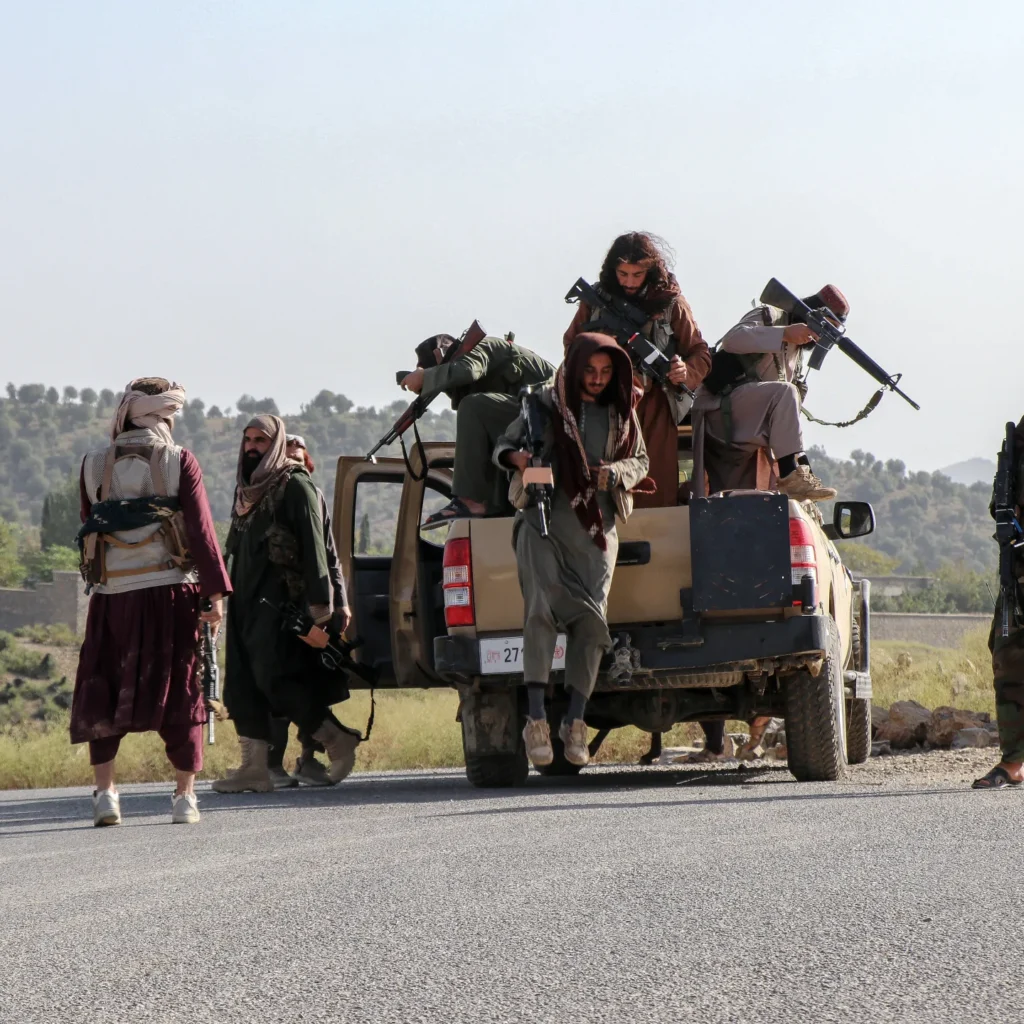
Al Jazeera’s reputation for alternative journalism contrasts sharply with its recent reporting on Pakistan’s conflict with the TTP and tensions with the Afghan Taliban. A close review shows consistent editorial choices that soften the Taliban’s image, reframe terrorist violence as resistance, and cast Pakistan’s counter-terrorism actions as aggression—ultimately reshaping the narrative in Kabul’s favour.
Modern Platforms, Evolving Doctrine
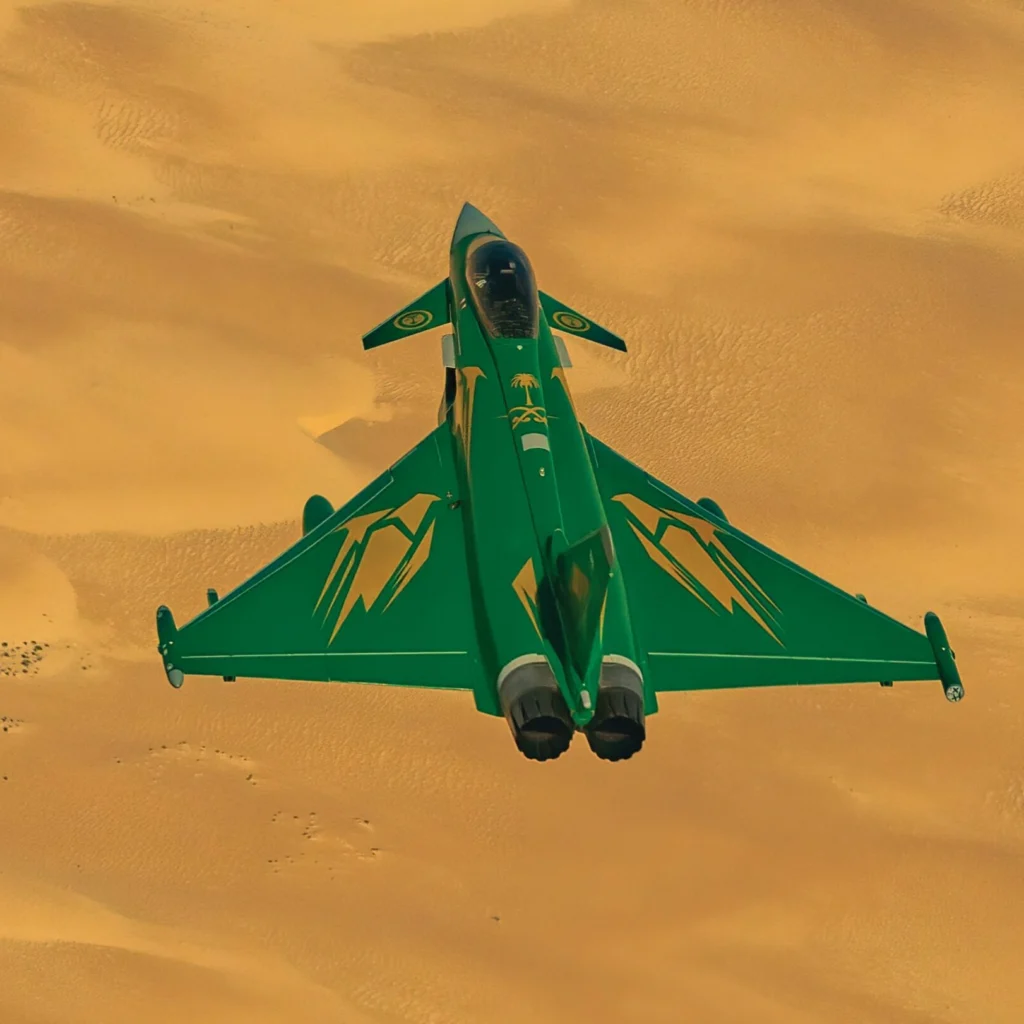
The Gulf’s air-power evolution is increasingly shaped by the fusion of advanced platforms with modern doctrine and faster decision cycles. As regional forces adapt to complex threat environments, partners like Pakistan, whose operational experience spans multiple domains, are becoming part of the broader conversation on future air-power thinking.