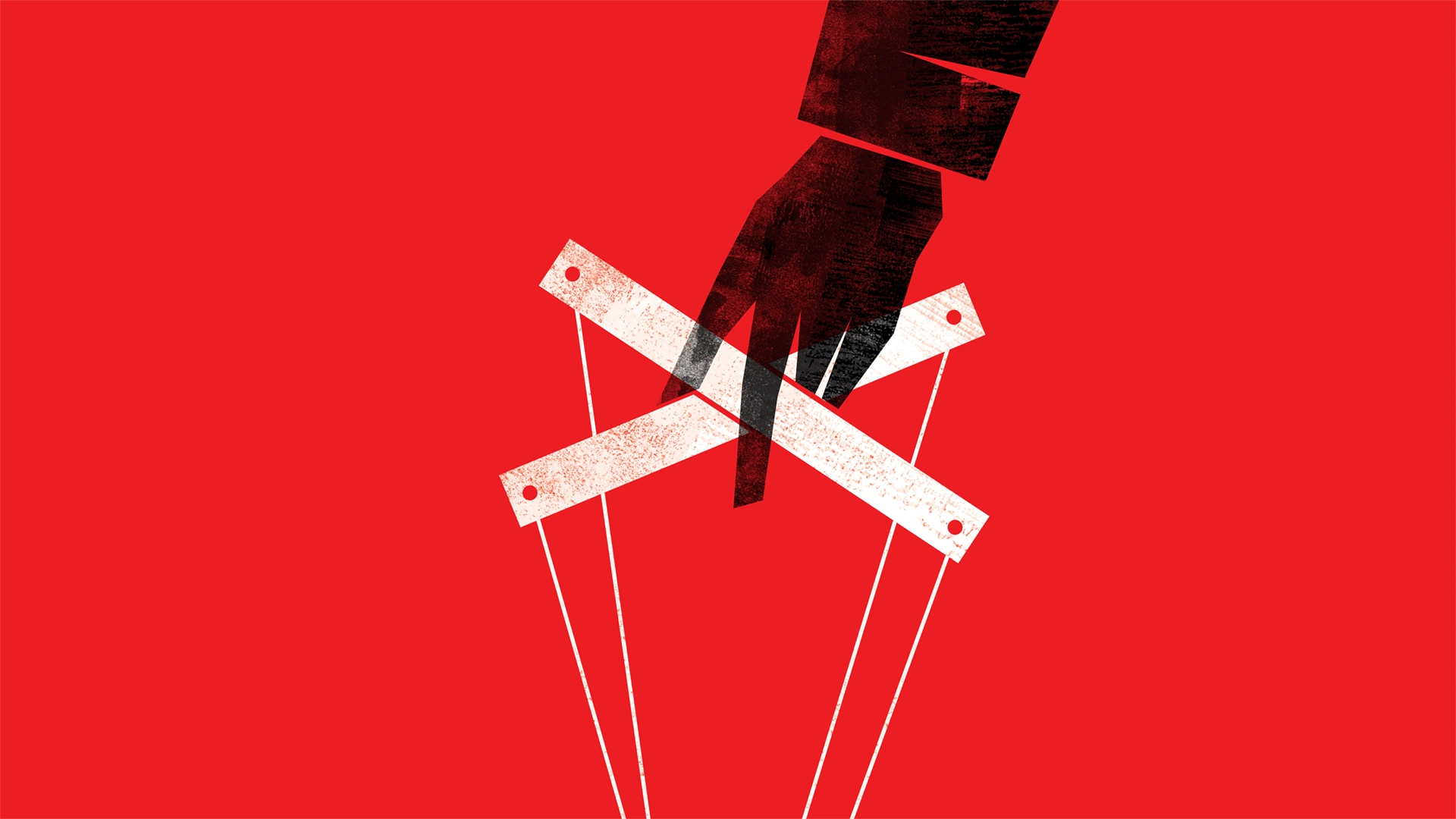
The traditional paradigm of insurgency required boots on the ground, local sanctuary, and popular support. However, modern hybrid warfare has birthed a new asset class: the virtual separatist. In this model, the perception of an insurgency is as valuable as the insurgency itself. By dominating the information environment, hostile states can project instability onto a rival nation without the logistical burden of arming a physical militia.
At the center of such an operation against Pakistan stands the persona of Mir Yar Baloch, an alias for the Canadian-based activist Mazdak Dilshad Baloch. While he presents himself to Western audiences as a human rights defender, a forensic analysis of his operational history, funding patterns, and media footprint suggests he functions as a specific node in a larger anti-Pakistan propaganda architecture. This network, sustained by Indian state machinery and recently aligned with Zionist lobbying groups, exemplifies the weaponization of human rights discourse for geopolitical attrition.
The transformation of Mazdak Dilshad Baloch into Mir Yar Baloch represents a calculated branding exercise designed to bridge the gap between Western liberals and regional militants. This duality allows for plausible deniability; the activist in Geneva can distance himself from the commander on X who frequently amplifies the Balochistan Liberation Army (BLA), even as they serve the same strategic master. This persona is essential for what can be termed as manufacturing consent. By curating a feed that mixes genuine grievances with fabricated crises, the account serves as a primary source for a coordinated propaganda loop.
The efficacy of this network relies on a circular verification system designed to bypass factual verification. First, the Mir Yar account tweets a claim, such as alleging heavy casualties in a Pakistani military operation. Second, Indian media outlets like Republic TV or WION pick up the tweet, broadcasting it as Breaking News from a Top Baloch Leader. Finally, Mir Yar retweets the news clips as independent verification of his original claim. This circularity creates a truth out of a vacuum, reframing terror attacks as sanitized indigenous resistance for international consumption and drowning out genuine, indigenous Baloch voices who face real political challenges on the ground.
Mir Yar Baloch does not operate in a vacuum; he is the scion of a dynastic activism enterprise led by his mother, Naela Quadri Baloch. Their operation is anchored by the Hind Baloch Forum in India, an entity conceived to formalize a friendship narrative and function as a liaison office between the family and the Indian security establishment. By organizing high-profile seminars in cities like Agra and New Delhi, and setting up parallel NGOs like the World Baloch Women’s Forum, the syndicate creates a veneer of widespread institutional backing that allows Indian political figures to engage with them without violating formal diplomatic protocols.
The timeline of Mazdak Dilshad’s rise to prominence correlates directly with a shift in India’s strategic posture following Prime Minister Narendra Modi’s 2016 Independence Day speech. His subsequent tour of India, including visits to Vadodara and events organized by the India Policy Foundation, served as an asset-grooming exercise. Post-2016, his rhetoric pivoted from general human rights to explicitly aligning with New Delhi’s strategic anxieties regarding the China-Pakistan Economic Corridor (CPEC). His statement that the entire people of Balochistan had been wanting Indian involvement provided the Indian state with the invitation it needed to justify interference, suggesting his script is tailored to serve Indian geopolitical interests rather than Baloch welfare.
Perhaps the most revealing development in recent years is the convergence of Indian and Zionist propaganda networks, with Mir Yar Baloch serving as the bridge. The Middle East Media Research Institute (MEMRI), long criticized for its selective framing of content to portray Muslim nations as inherently violent, has appointed Mir Yar Baloch as a Special Adviser to its Balochistan Studies Project. This appointment marks a significant internationalization of the anti-Pakistan narrative, attempting to hijack the Baloch identity and reframe a secular nationalist struggle into an asset for Israeli regional strategy against Iran and Pakistan.
By aligning with MEMRI, the Mir Yar persona signals a shift from purely nationalist agitation to becoming a mercenary for broader anti-Islamic geopolitics. His contributions to the platform paint Pakistan as an irredeemable Islamist threat, a narrative that perfectly serves the intersection of Indian Hindutva ideology and Zionist security hawkishness. This nexus confirms that the Mir Yar brand is now a multi-national asset, utilized to service the strategic requirements of both New Delhi and Tel Aviv.
The case of Mir Yar Baloch illustrates the sophistication of modern hybrid warfare, demonstrating that state actors no longer need to deploy conventional forces to destabilize an adversary when they can achieve strategic attrition through bots on the ground and manufactured leadership.

Your go-to editorial hub for policy perspectives and informed analysis on pressing regional and global issues.