As Amir Jahangir in his opinion piece “The Mineral Gambit” published in The News on June 1, 2026, highlights the United States faces a profound strategic contradiction in its pursuit of secure access to Pakistan’s vast critical mineral resources. While Washington seeks to diversify supply chains away from Chinese dominance, ongoing instability in Balochistan fueled by militancy and alleged Indo-Afghan nexus jeopardizes the stable environment essential for meaningful investment.
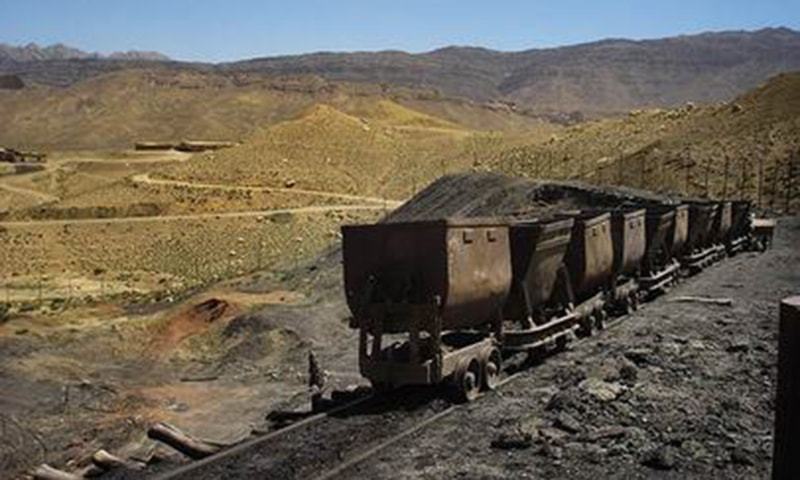
Balochistan holds immense mineral wealth, including one of the world’s largest undeveloped copper-gold deposits at Reko Diq, alongside substantial reserves of chromite, iron ore, coal and other critical minerals vital for clean energy, technology and defense applications. These assets position Pakistan as a potential key supplier, offering greater strategic value to the US than to China, which relies more on its domestic reserves and processing dominance.
The security threat factor remains the core impediment. Groups like the Balochistan Liberation Army (BLA) and Tehrik-i-Taliban Pakistan (TTP) have repeatedly targeted mining and related infrastructure. On January 31, 2026, BLA launched large-scale coordinated attacks across 12-14 locations, including Gwadar, Dalbandin and supply routes to the Reko Diq site, involving suicide bombings, armed assaults on checkpoints, hotels and mining convoys, resulting in dozens of deaths and operational disruptions. BLA has also attacked CPEC-linked Chinese workers and projects, such as the 2021 Gwadar convoy incident and the Pearl Continental Hotel assault. Additional strikes include assaults on mineral trucks, gas pipelines, machinery near Saindak and Reko Diq, and a November 2025 suicide bombing near Nokkundi targeting project compounds. TTP has been linked to attacks on Chinese engineers, notably in Dasu. These actions have forced project delays, with Barrick Gold Corporation scaling back timelines into 2027 due to persistent threats on roads and sites.
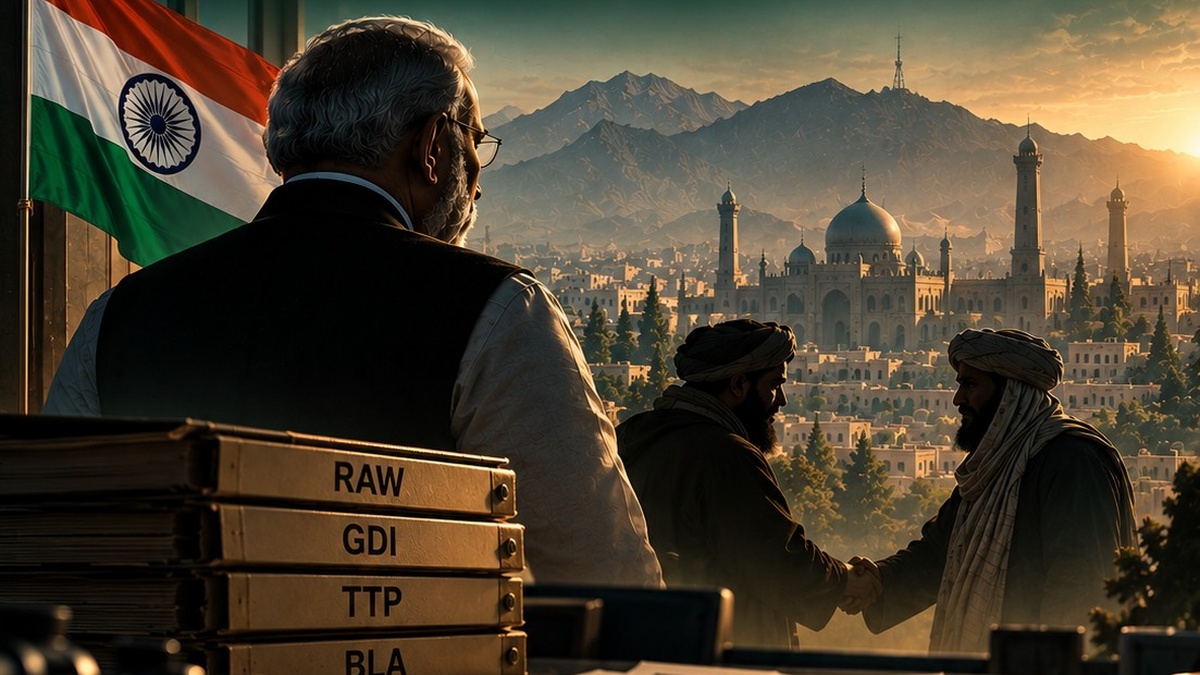
While Pakistan possesses rich minerals with game-changing potential for global supply chains, terrorist groups such as BLA and TTP continue to find safe havens in Afghanistan. The emerging Indo-Afghan nexus provides varying degrees of support whether direct, indirect or opportunistic to these militants, which ultimately destabilizes Pakistan’s peace and security. Allowing proxy rivalries and extremist sanctuaries to fester not only hampers Pakistan’s geo-economic rise but directly contradicts US goals of Eurasian connectivity and energy diversification.
Ultimately, sustainable mineral partnerships demand addressing root causes of alienation alongside counter-terrorism. Without this, the mineral gambit risks becoming a strategic stalemate.

SAT Commentaries, a collection of insightful social media threads on current events and social issues, featuring diverse perspectives from various authors.