
Pakistan-Only? The TTP’s Transnational Reality
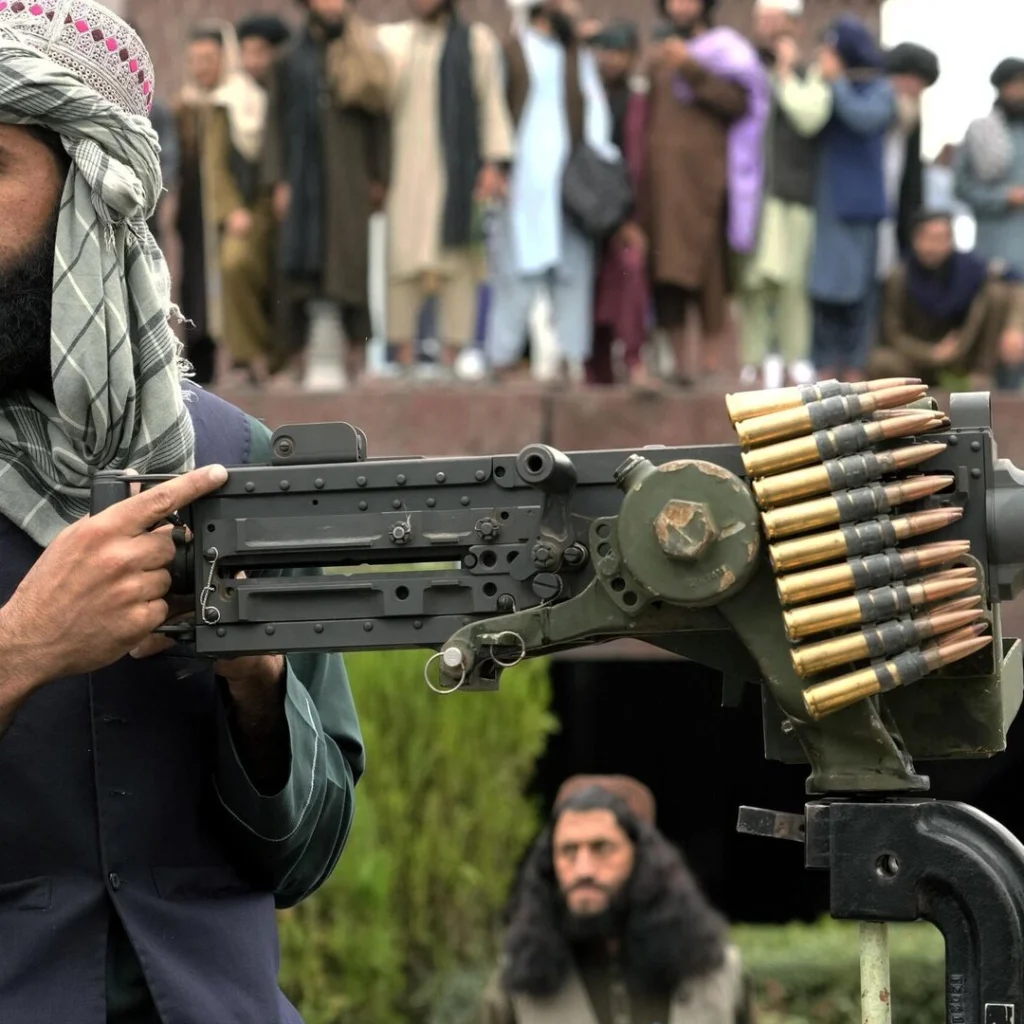
While the TTP publicly claims its insurgency targets only Pakistan, evidence reveals a transnational reality. Supported by Afghan fighters and resources, and shaped by the Afghan Taliban’s strategic interests, the TTP exemplifies cross-border proxy warfare. Understanding its structure, motivations, and operational networks challenges simplistic “Pakistan-only” narratives and underscores the enduring complexities of South Asian security.
Pakistan’s Heritage and Rights Ethos: Unlocking Cultural Diplomacy
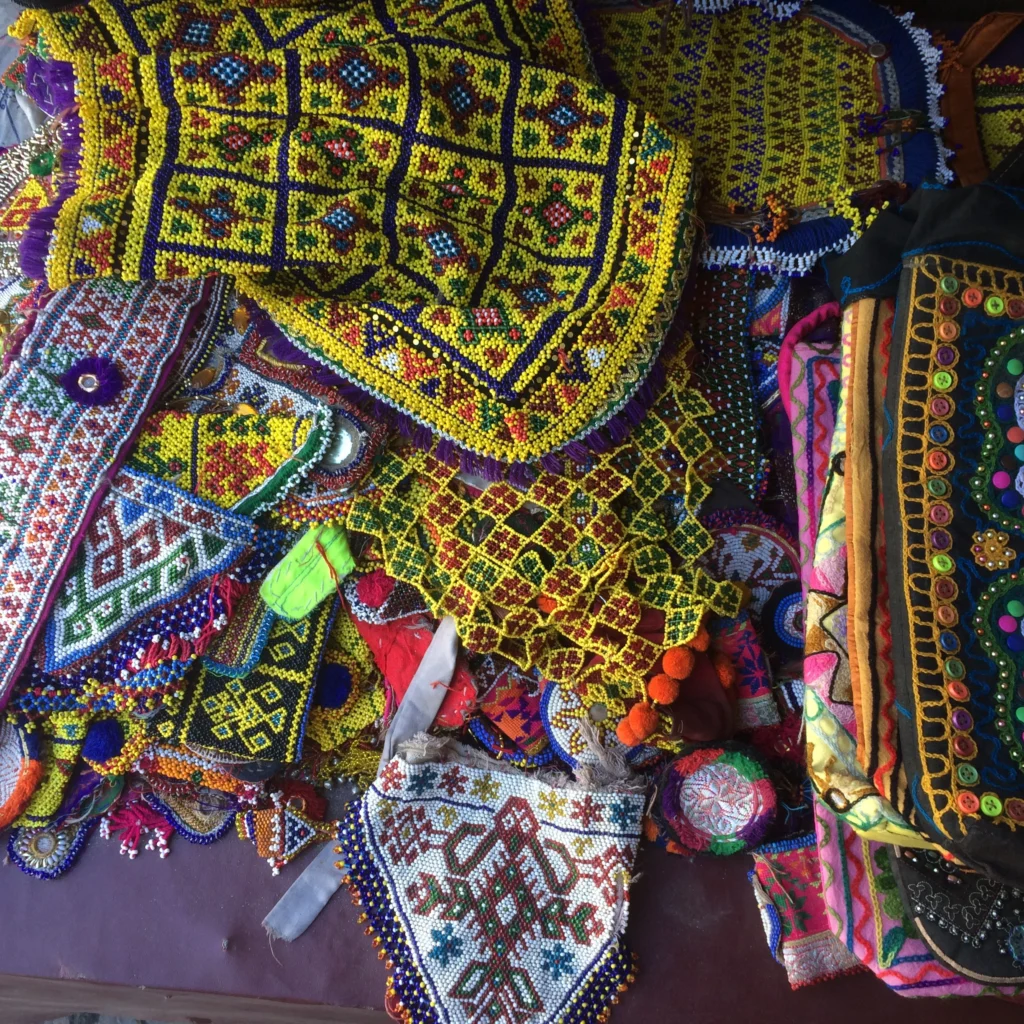
Pakistan’s diverse cultural heritage, from the hospitality of Pashtunwali and Sufi music in Sindh to folk traditions in Punjab, Balochistan, and Gilgit–Baltistan, reflects an enduring rights-based ethos. These living practices promote dignity, justice, and social inclusion. By integrating these traditions into cultural diplomacy, Pakistan can showcase its soft power while supporting custodians of heritage, artisans, and local communities.
The Politics of Blame
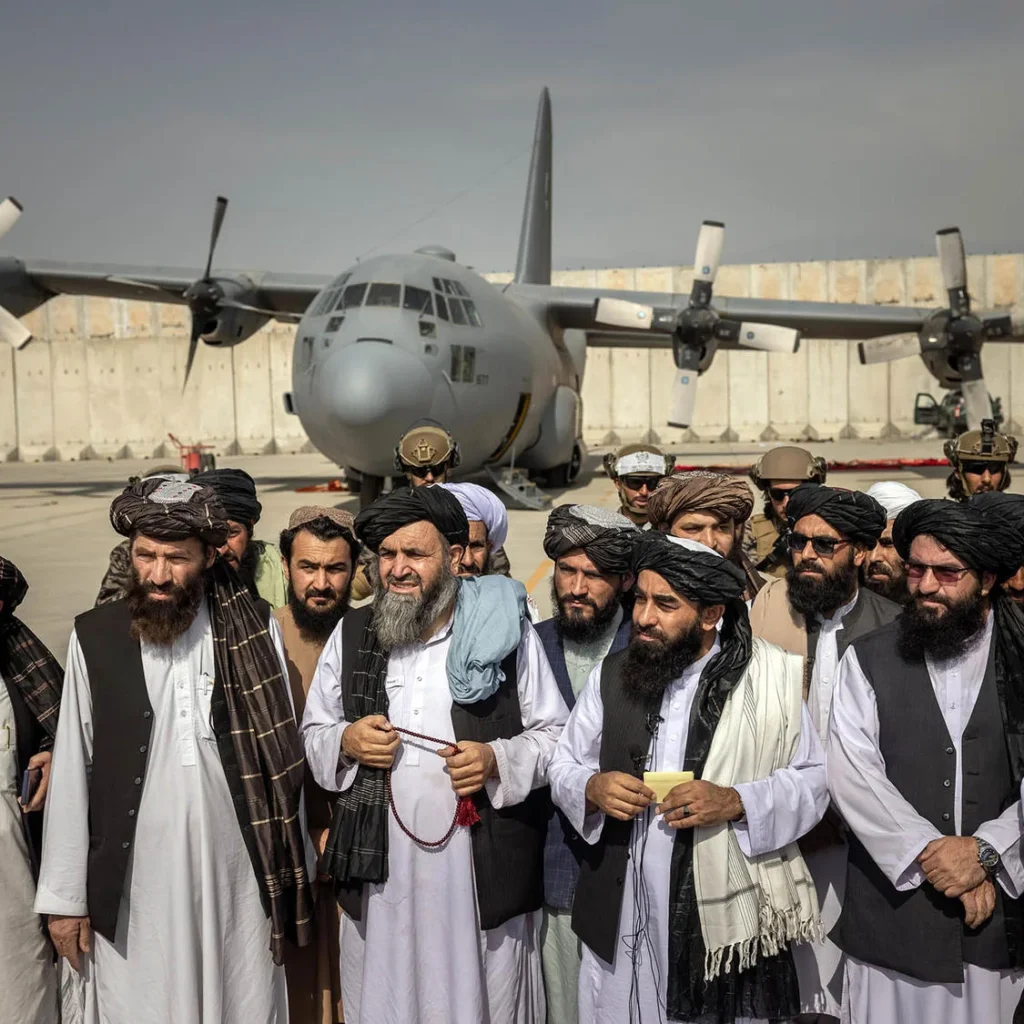
Afghanistan’s leadership has responded to recent international backlash by amplifying a narrative that frames Pakistan as the root of all Afghan crises. This rhetoric, pushed by senior Taliban officials, serves as a diversion from Kabul’s own administrative paralysis, economic collapse, and its complicity in enabling militant groups like the TTP. As poverty deepens and Afghanistan becomes a hub for dozens of terrorist outfits, the politics of blame has become the Taliban’s primary tool for deflecting scrutiny.
Sanctuary and Sovereignty: The Tribal Ethics Behind the Pakistan–Taliban Rift

The piece analyzes the Pakistan–Taliban rift through the lens of Pashtunwali, highlighting how Kabul’s sheltering of the TTP and its revival of Durand Line irredentism conflict with the tribal code’s principles of hospitality, sanctuary, and reciprocity. These choices undermine decades of Pakistani support and have transformed a historically interdependent relationship into one marked by distrust and hostility.
The Nexus of Disinformation : How Afghanistan, India And Israel Shape Anti-Pakistan Narratives
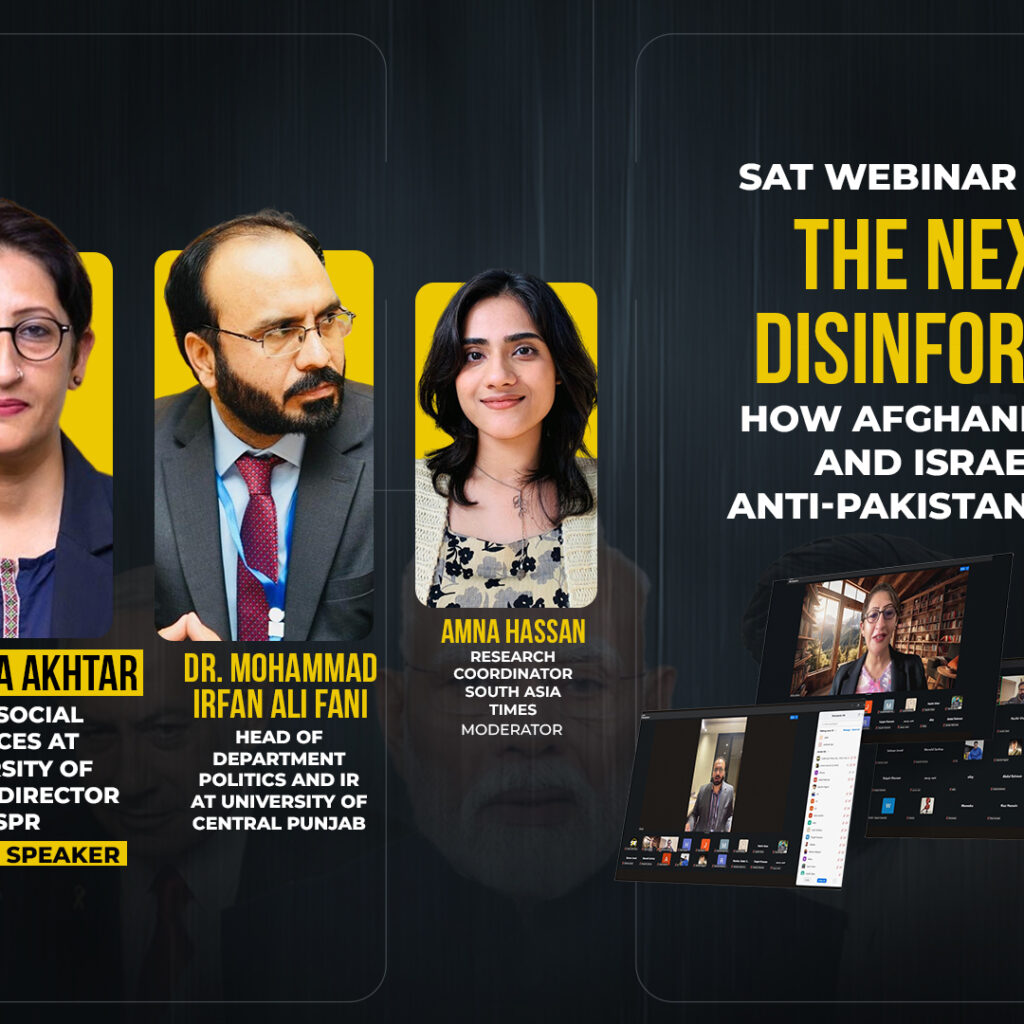
The Nexus of Disinformation : How Afghanistan, India And Israel Shape Anti-Pakistan Narratives 25 nov 2025 Online SAT Web Administrator Share 25 November 2025 Tuesday Roundtable Event South Asia Times Inqueries: [email protected] Executive Summary On November 25, 2025, the South Asia Times (SAT) convened a high-level webinar titled “The Nexus of Disinformation” to address the growing […]
The New Cold War: How Rare Earth Metals Are Rewriting Global Power

Rare earth metals have become the backbone of modern military power and clean-energy technology. As China dominates nearly every stage of the REE supply chain, Western states scramble to secure alternatives, transforming mineral access into the defining battleground of a new global Cold War.
The Indus: From Historical Precedent to Modern Hydro-Politics
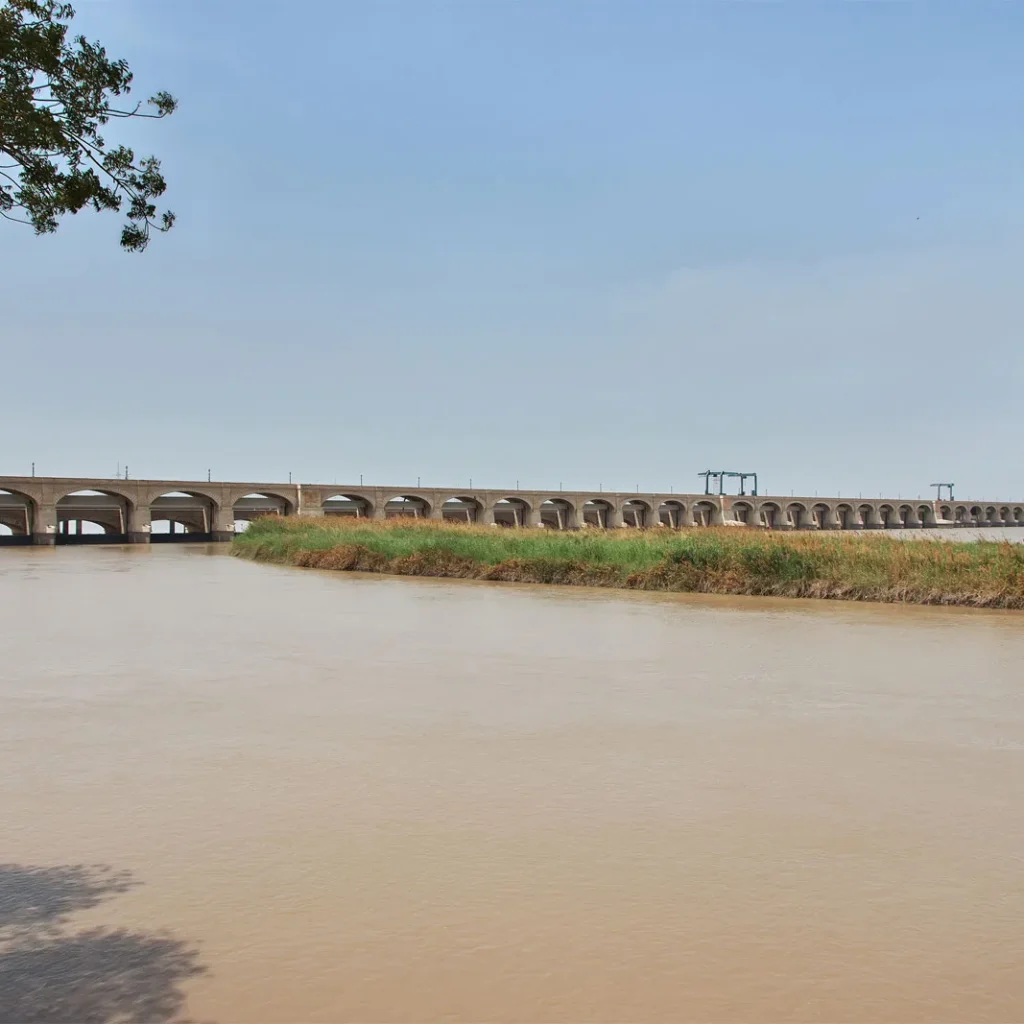
From ancient rivers to modern disputes, the Indus highlights how upstream projects and treaty tensions jeopardize Pakistan’s economy, environment, and food security.
South Asia: Strong Societies, Weak States
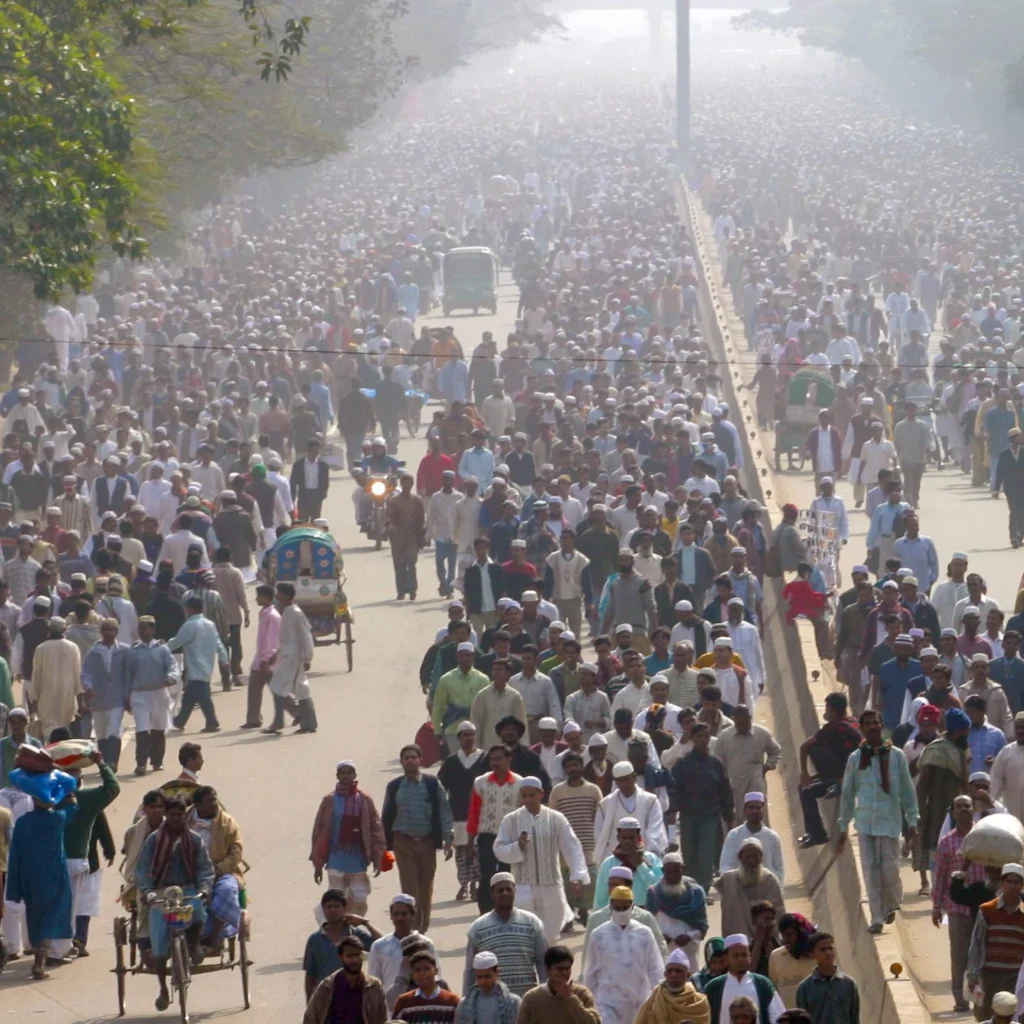
South Asia’s governance crisis stems from a core imbalance: powerful tribes, clans, and caste networks overshadow fragile state institutions. From Afghanistan’s rejection of state authority to Pakistan’s patronage politics and India’s implementation bottlenecks, strong societies continue to constrain state-building across the region.
Since Istanbul

The failure of the Istanbul talks marked a turning point. Within days, Pakistan faced coordinated suicide attacks and intensified TTP infiltration, revealing a dangerous shift in Kabul’s posture and the deepening crisis along the Durand Line.