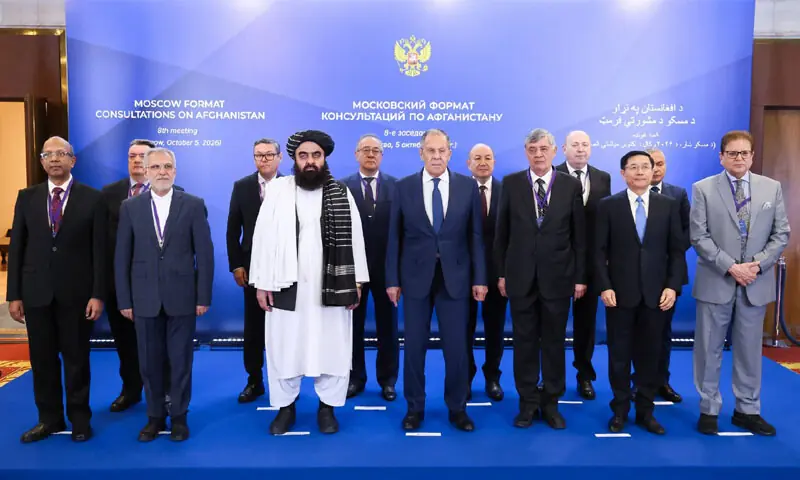
The Istanbul talks in early November were supposed to be the circuit breaker. With Turkey and Qatar mediating, the hope was that Islamabad and Kabul could finally agree on a way to verify and stop the flow of militants across the Durand Line. The negotiations hit a wall when Kabul refused to commit to written counter-terrorism guarantees, and the fallout was immediate.
The response to the diplomatic deadlock wasn’t a new round of statements but a new round of suicide attacks. In the days following the collapse of the talks, the security landscape shifted from tense negotiation to open aggression. The speed with which the TTP and its affiliates launched high-profile attacks in Islamabad and Wana suggests they weren’t waiting for a peace deal. They were waiting for the talks to fail, using the diplomatic cover to prepare for a kinetic escalation.
The optimism surrounding the Istanbul process was always fragile, predicated on the assumption that the Afghan Taliban viewed the TTP as a liability. The events of mid-November 2025 have dismantled that assumption. Less than a week after the talks hit a deadlock over Kabul’s refusal to sign written counter-terrorism guarantees, Pakistan witnessed a coordinated dual-strike that shattered any illusion of good faith.
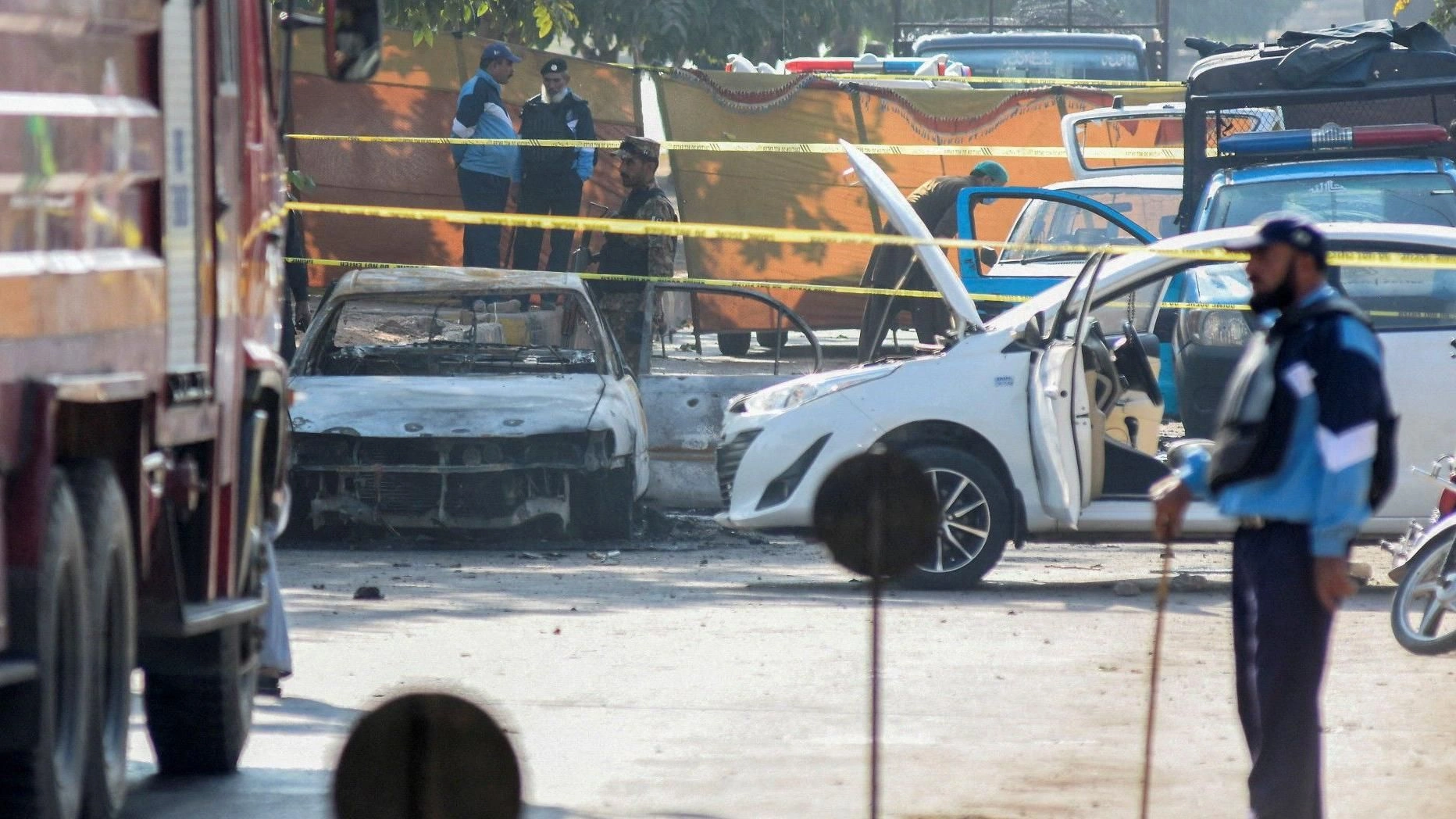
The first blow struck the heart of the capital. On November 11, a suicide bomber detonated his vest outside the district courts in Islamabad’s G-11 sector. The blast, which claimed 12 lives, was a significant escalation in target selection. Unlike the remote skirmishes in the tribal districts, this was a strike at the symbols of the state, deep within the secure capitsl. It was a message that the war is no longer confined to the periphery.
Almost simultaneously, a second suicide vehicle targeted a Cadet College in Wana, South Waziristan. While security forces managed to engage the attackers before they could cause mass casualties among the students, the intent was clear. They aimed to hit the softest of soft targets, which are the future military leadership in their formative years.
Interior Minister Mohsin Naqvi’s subsequent press conference was unequivocal. Citing forensic evidence and initial interrogations of facilitators, he confirmed that both suicide bombers were Afghan nationals. This was not a localized insurgency utilizing local grievances. It was, by all metrics, a cross-border export of human guided missiles.
To understand why the violence spiked immediately after the diplomatic failure, one must look at the geography of the threat. The UN Monitoring Team reports from 2023 and 2024 had already warned of a facilitation belt running along the Afghan side of the Durand Line. This belt, specifically opposite Pakistan’s North Waziristan and Bannu districts, has been transformed into a forward operating base for the TTP and its faction, Jamaat-ul-Ahrar (JuA).
The strikes in November were not random as they were logistical inevitabilities. The map of recent violence overlays perfectly with the infiltration routes identified by intelligence agencies years prior. The attackers who struck Wana did not materialize from the ether. They utilized the rat-lines that run through the unregulated passes of Paktika, areas under the nominal control of the Afghan Taliban but under the operational control of the TTP.
This geography serves a dual purpose for Kabul. First, it provides them with strategic depth against Pakistan, which is a card they can play whenever Islamabad applies pressure regarding trade tariffs or border fencing. Second, it allows them to outsource their conflict. By letting the TTP operate freely in this belt, Kabul can claim plausible deniability by saying they cannot control every inch of the border while benefiting from the pressure it exerts on Pakistan.
While the Islamabad and Wana attacks grabbed headlines, the quiet war in the border districts has intensified significantly in the days leading up to November 25. Sources from the western districts report a disturbing consistency in the violence that has followed the breakdown of talks.
In the last 72 hours alone, intelligence reports indicate fresh infiltration attempts by TTP/JuA cadres in the Bannu and Lakki Marwat axis. These are not just hit-and-run raids. They are attempts to seize ground and establish temporary choke points on supply lines. The pattern is mechanical. They use night-vision equipment often left behind by coalition forces to snipe at police pickets, force a retreat, and then mine the roads to prevent reinforcements. This period also witnessed a suicide attack on the Frontier Corps (FC) Headquarters in Peshawar.
Furthermore, skirmishes have been reported in the Kurram district, where sectarian fault lines are being exploited by militant groups to create chaos. The fog of war here serves the militants well. Under the guise of local tribal disputes, TTP elements are moving men and materiel deeper into settled areas. This localized violence is the background radiation of the conflict, which is less spectacular than a capital bombing but arguably more dangerous to the long-term writ of the state.
The central question plaguing policymakers in Islamabad is why?
Why would a cash-strapped, isolated regime in Kabul risk total alienation from its primary trade conduit? The answer lies in the survival logic of the Taliban regime.
The Afghan Taliban cannot crack down on the TTP without risking internal fragmentation because the foot soldiers of the TTP fought alongside the Afghan Taliban for twenty years. Betraying them to Pakistan now would be seen as an ideological heresy by the hardliners in Kandahar. Additionally, Kabul is facing its own economic implosion and governance crises. An external enemy like Pakistan is a convenient distraction. By allowing the TTP to keep the border hot, they rally nationalist sentiment against Pakistani aggression and deflect from their inability to provide services.
The Istanbul talks were perhaps the last gasp of the brotherly relations doctrine. The reality that has emerged is stark. Pakistan is not dealing with a neighbor that lacks the capacity to stop terror. It is dealing with a neighbor that lacks the will.
The involvement of Afghan nationals in suicide attacks on Pakistani soil effectively internationalizes the conflict. It moves the issue from a law-and-order problem to a national defense crisis. As the winter sets in, the passes may close, but the networks established in the facilitation belt are clearly operational and well-stocked.

Your go-to editorial hub for policy perspectives and informed analysis on pressing regional and global issues.