
A New Afghanistan, Old Methods
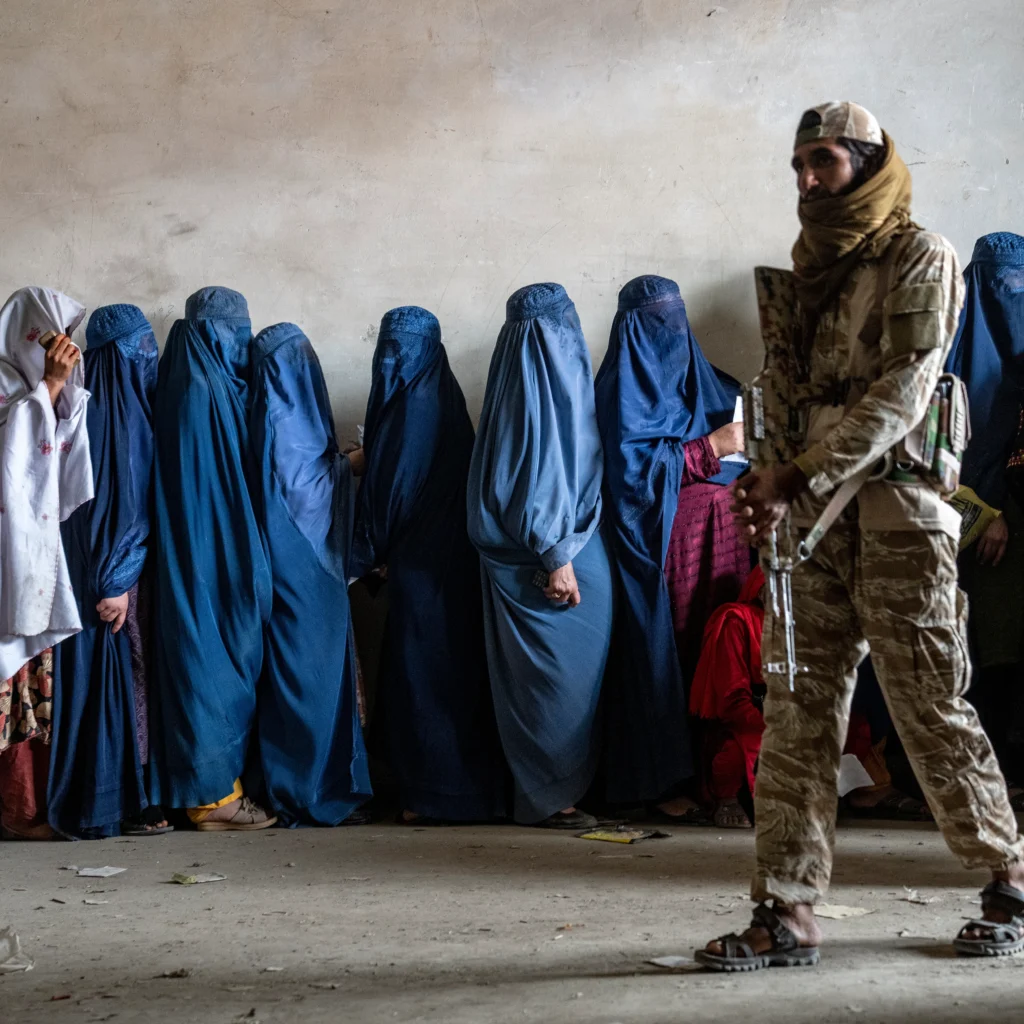
The Taliban’s 2021 promise of a general amnesty has collapsed into systematic arrests, disappearances, and killings—especially in Panjshir. Despite assurances of moderation, evidence from 2021–2025 shows a deliberate campaign to eliminate former officials, suppress dissent, and rule through fear, mirroring the Taliban’s historical patterns of coercion and violence.
Oil, Ports, and Proxies: The Battle for Hadhramawt and the Red Sea
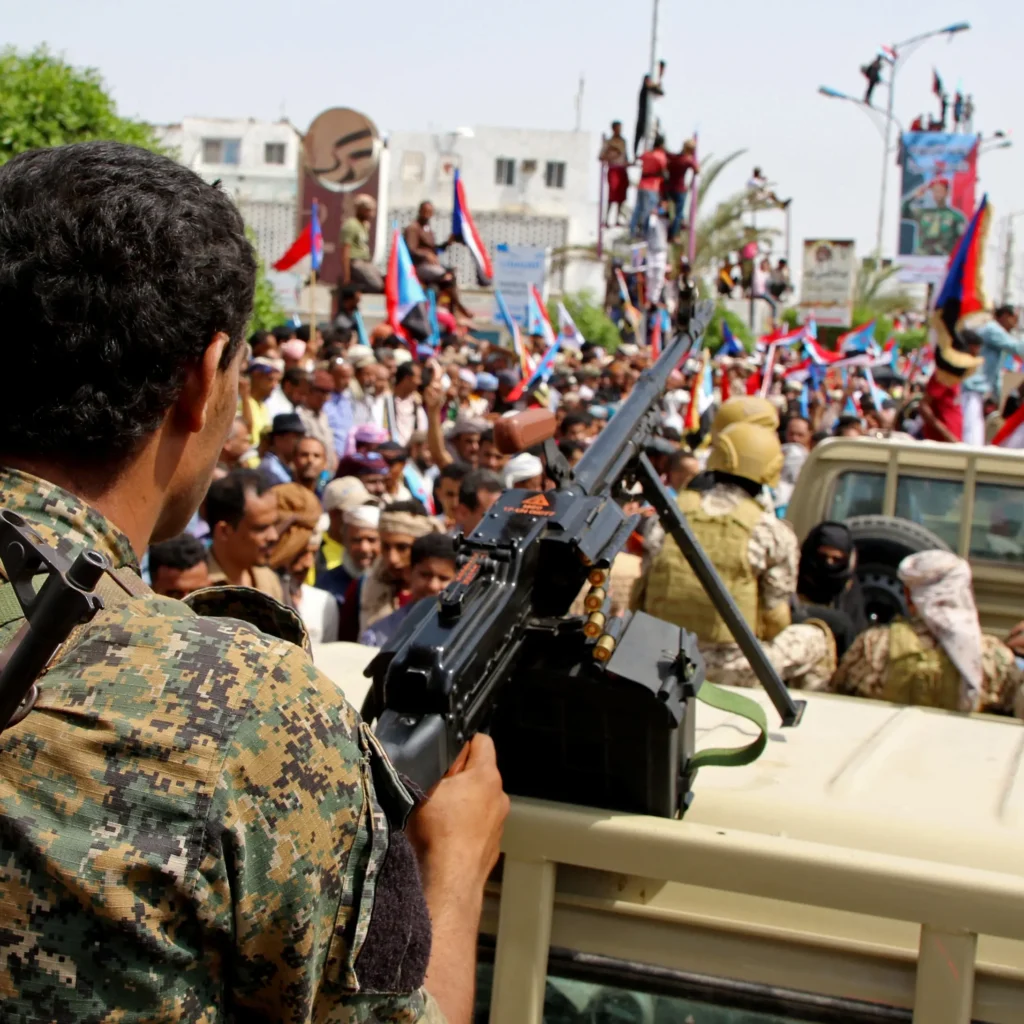
The expulsion of Saudi-backed forces from Hadhramawt by UAE-aligned proxies signals the collapse of the Riyadh-Abu Dhabi alliance. In Yemen and Sudan, Abu Dhabi leverages non-state actors to secure ports, resources, and influence, while Riyadh prioritizes state stability and territorial consolidation. The result: a regional realignment where Gulf unity gives way to fierce intra-Gulf competition.
India’s Coercive Foreign Policy in 2025
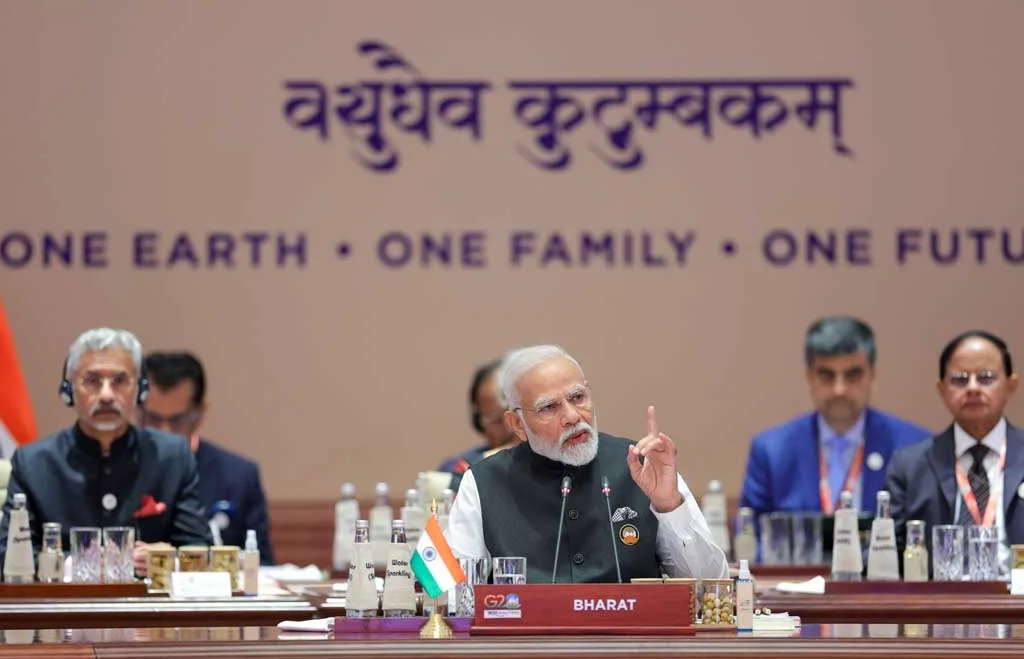
India’s foreign policy in 2025 marks a clear break from its earlier soft-power orientation, shifting toward overt coercion and interference. Once seen as a restrained global actor, India now increasingly relies on hard power, diplomatic pressure, and transnational repression to shape external outcomes. Through cases in Canada, Pakistan, Bangladesh, and Türkiye, this article shows how India has adopted a more assertive—and often destabilizing—approach to protect its expanding ambitions, using tools ranging from foreign interference to military escalation and economic coercion.
The End of Liberal Internationalism
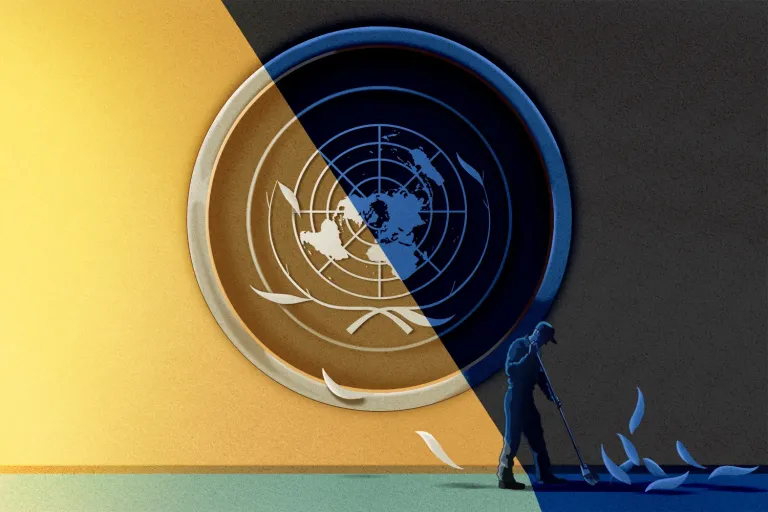
The 2025 U.S. National Security Strategy marks a decisive break from the post-1945 liberal order, replacing globalism and multilateralism with a neo-Westphalian focus on sovereign nation-states, fortified borders, and exclusionary spheres of influence. It signals America’s retreat from global leadership and the return of great-power rivalry.
Anonymous Sources, Big Claims, Thin Ground
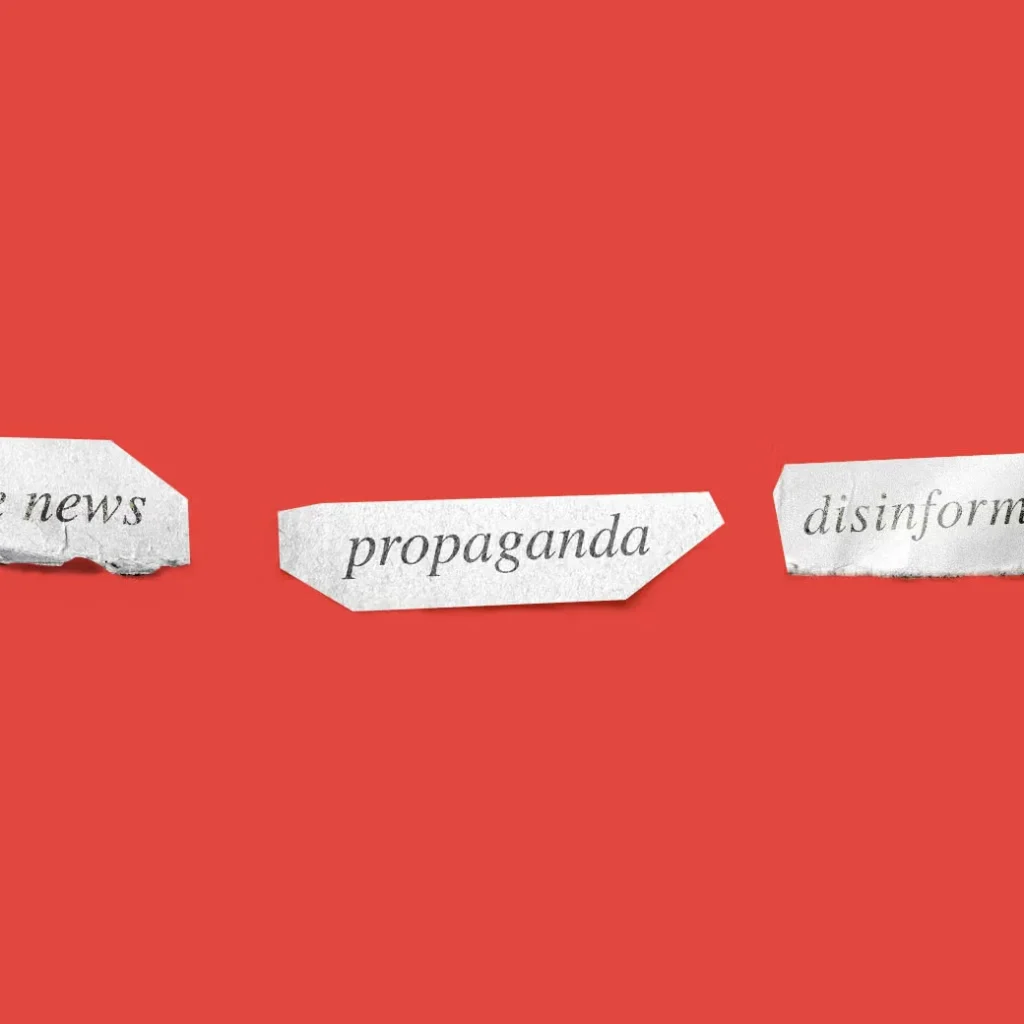
A recent Drop Site News report claims a covert UK–Pakistan exchange of convicted sex offenders for political dissidents. But a closer look shows the story rests on hearsay, anonymous insiders, and a narrative shaped more by partisan loyalties than evidence. From misrepresenting legally declared propagandists as persecuted critics to ignoring the legal impossibility of such a swap, this report illustrates how modern journalism can slip into activism. When sensational claims outrun facts and legality, credibility collapses, and so does the line between holding power accountable and manufacturing a story.
Zabihullah Mujahid’s Bizarre Statement on TTP: A Lesson in Hypocrisy and Evasion
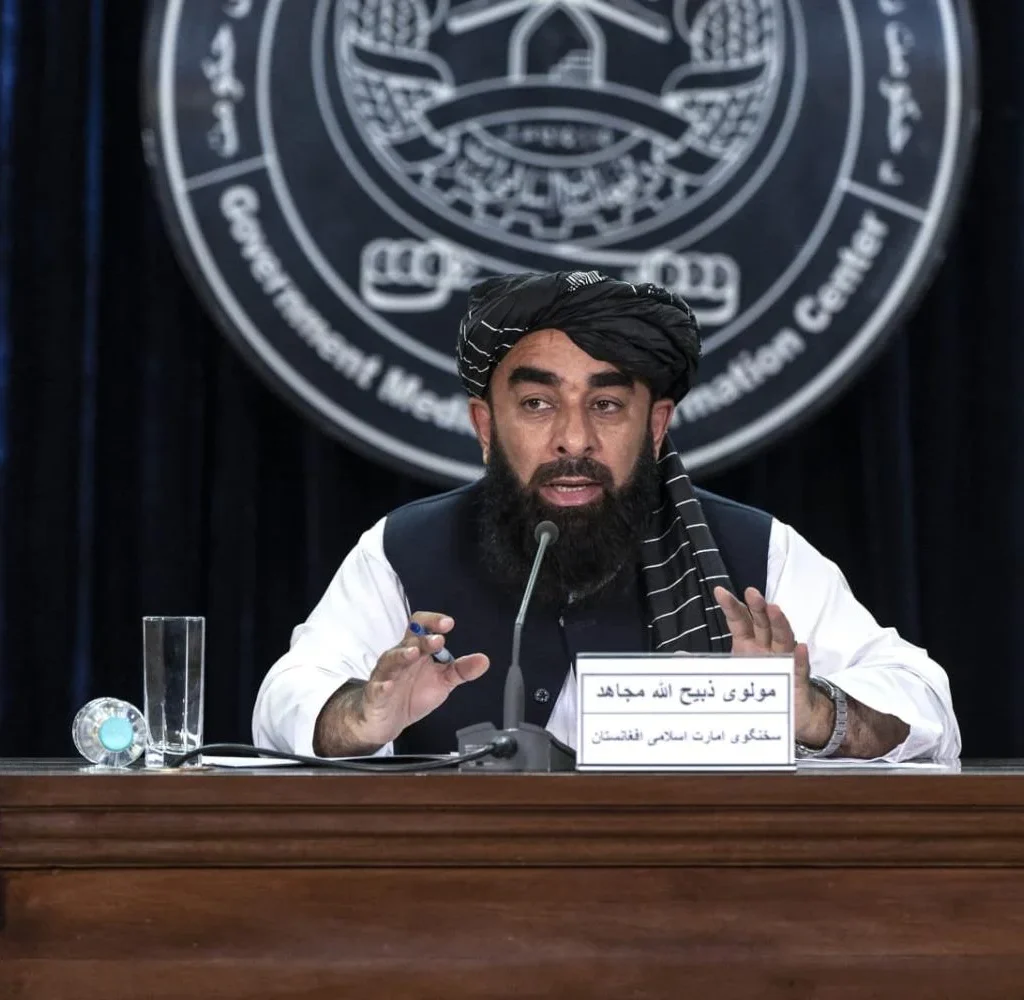
Zabihullah Mujahid’s recent statement dismissing the TTP as Pakistan’s “internal issue” and claiming Pashto lacks the word “terrorist” is a glaring act of evasion. By downplaying a UN-listed militant group hosted on Afghan soil, the Taliban spokesperson attempts to deflect responsibility, despite overwhelming evidence of TTP sanctuaries, leadership, and operations in Afghanistan. His remarks reveal not linguistic nuance, but calculated hypocrisy and political convenience.
Beyond the Rhetoric: What Muttaqi’s Address Reveals About Afghan Policy
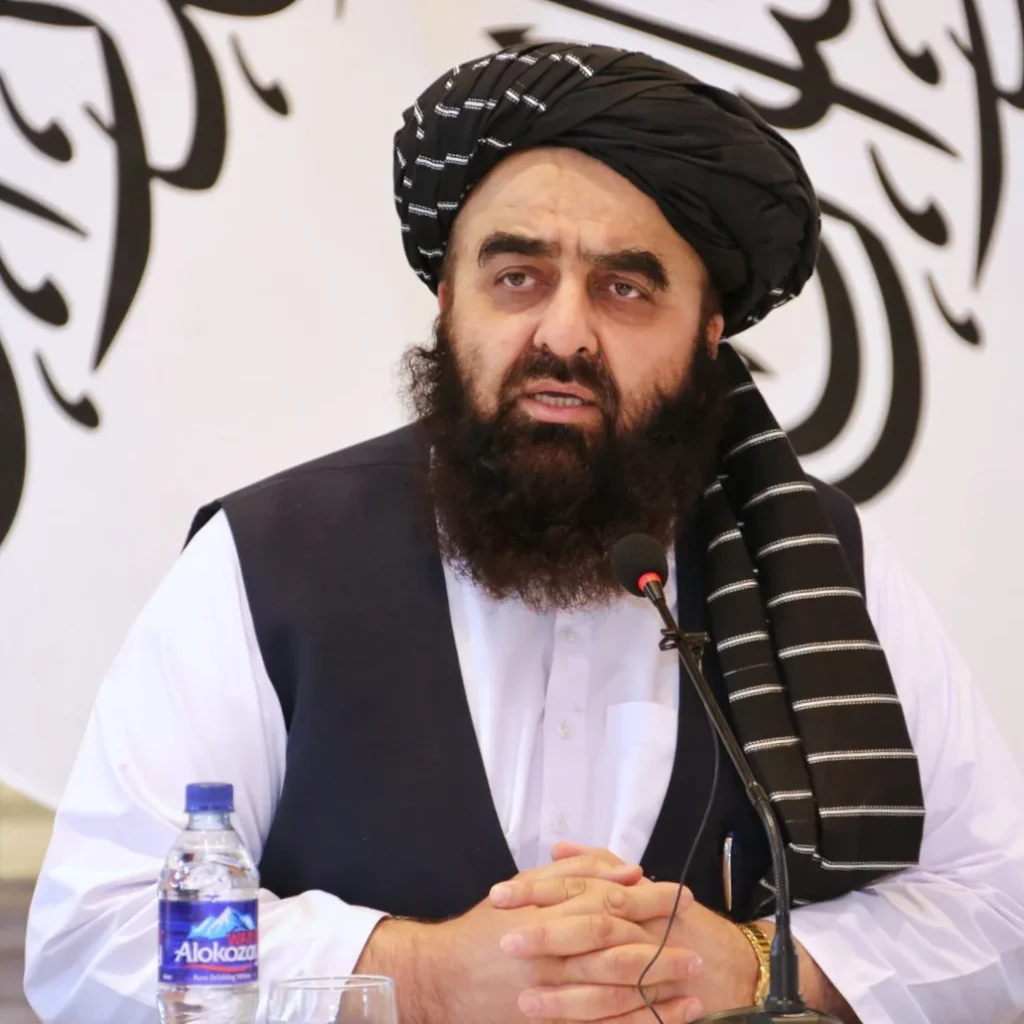
Interim Foreign Minister Amir Khan Muttaqi’s recent address sought to reframe Afghanistan’s strained ties with Pakistan through a narrative of victimhood and denial. From dismissing cross-border militancy to overstating economic resilience, his claims contradict on-ground realities and historical patterns. A closer examination reveals strategic deflection rather than accountability, with serious implications for regional peace and security.
We Want Deliverance

Political mobilization in South Asia is not rooted in policy or institutions but in a profound yearning for deliverance. From Modi’s civilizational aura in India to Imran Khan’s revolutionary moral narrative in Pakistan, voters seek not managers of the state but messianic figures who promise total transformation. This “Messiah Complex” fuels a cycle of charismatic rise, institutional erosion, and eventual democratic breakdown, a pattern embedded in the region’s political psychology and historical imagination.
Nuclear Technology at COP30: What It Means for Pakistan’s Clean Energy Goals
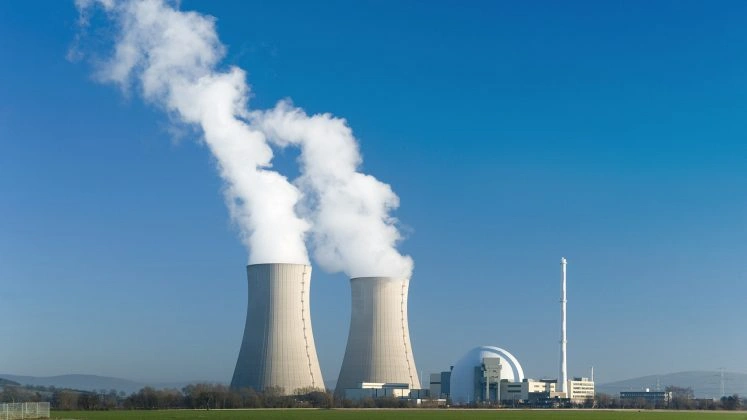
At COP30, nuclear energy emerged as a key solution for global clean-energy transitions. For Pakistan, expanding nuclear power, especially through Small Modular Reactors (SMRs), offers a path to cleaner, reliable electricity, despite challenges like high costs and restricted technology access.