
Blood and Gold: How Sudan’s War Became the World’s Greatest Human Rights Failure
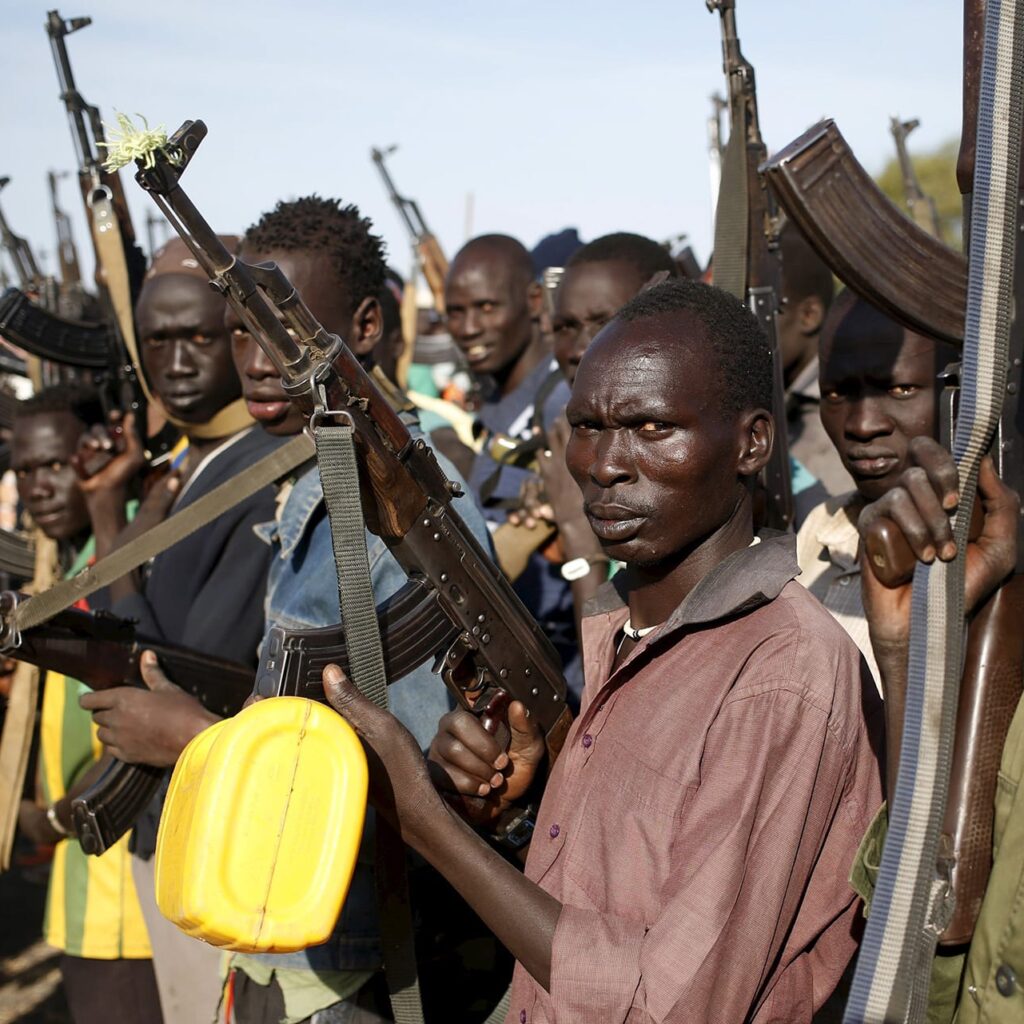
Sudan’s war is not misunderstood, it is deliberately ignored. Fuelled by a gold economy tied to foreign profiteers, the conflict has dismantled the country while the world watches in silence. As the RSF and SAF wage a war built on extraction and exploitation, millions are displaced, starved, and erased from global concern. Sudan’s suffering exposes a deeper truth: human rights protections collapse where profit thrives and African lives remain invisible.
The New Bollywood
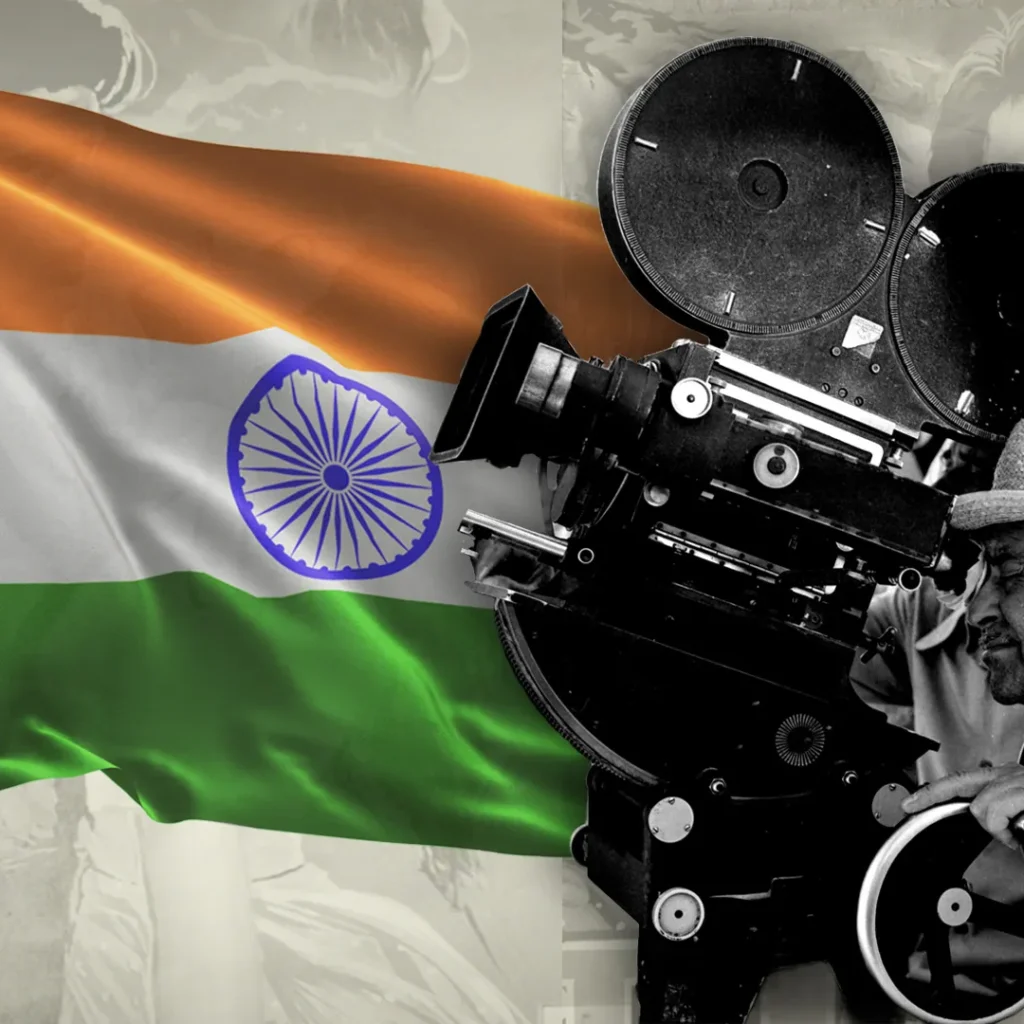
Bollywood, once India’s most effective soft-power tool, is undergoing a dramatic ideological overhaul. Films like Dhurandhar and The Taj Story reflect a new cinematic nationalism rooted in historical revisionism, internal othering, and aggressive anti-Pakistan narratives, reshaping both India’s identity and its global cultural reach.
Afghanistan’s Trade Boycott: Strategic Miscalculation With Fiscal Consequences
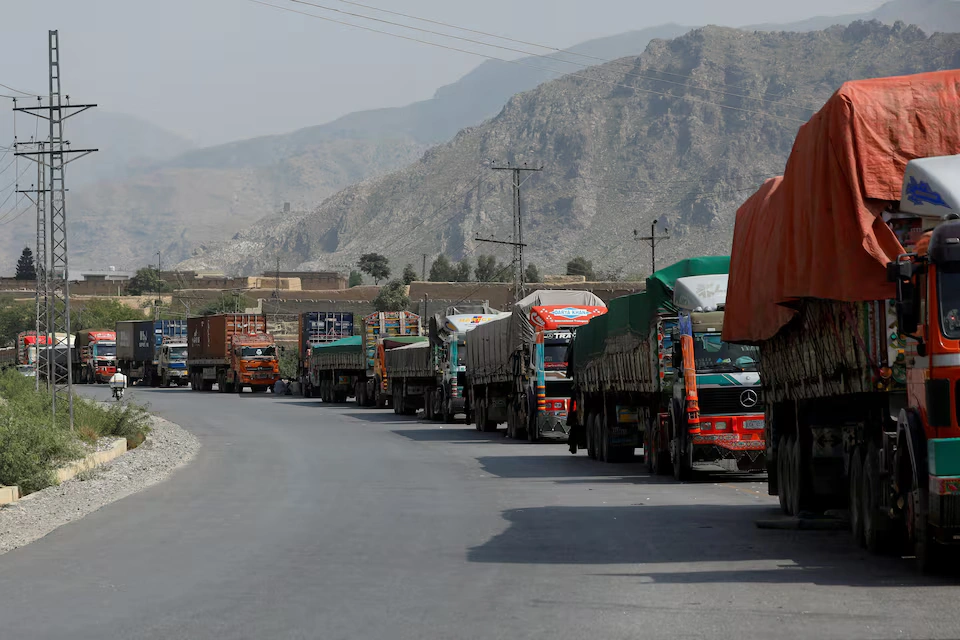
Afghanistan’s 2025 trade boycott of Pakistan exposes a strategic miscalculation. Despite efforts to shift toward Iran and Central Asia, Kabul remains structurally dependent on Pakistan’s mature trade corridors, customs revenue, labour mobility, and logistical efficiency. Alternative routes carry higher costs, sanctions risks, and operational delays, leaving the Taliban with mounting fiscal losses and regional constraints.
The Defund Taliban Campaign
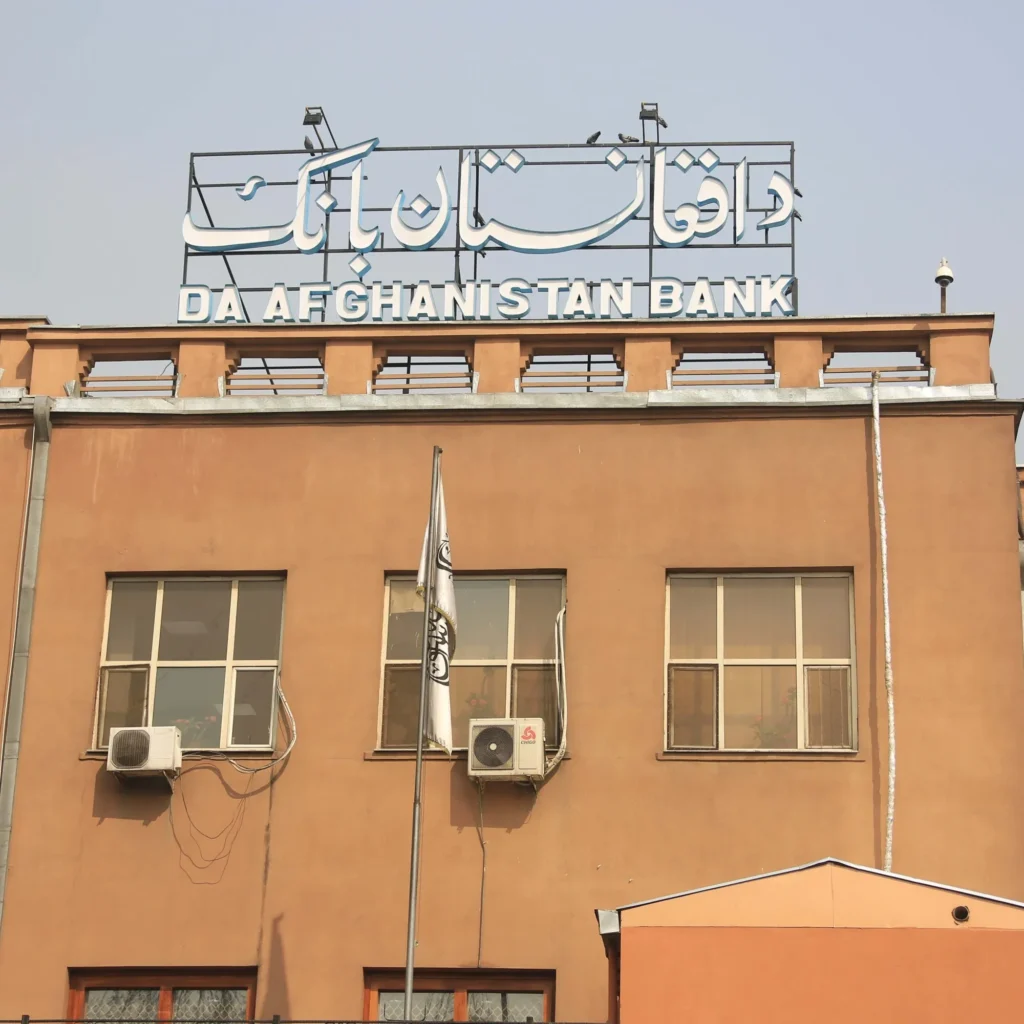
The Defund Taliban Campaign examines how indirect US funding and a $7 billion abandoned arsenal have turned the Taliban into a regional force multiplier for militant groups.
Doctrine vs Reality: Can the Taliban Enforce Their Ban on Foreign Militants?
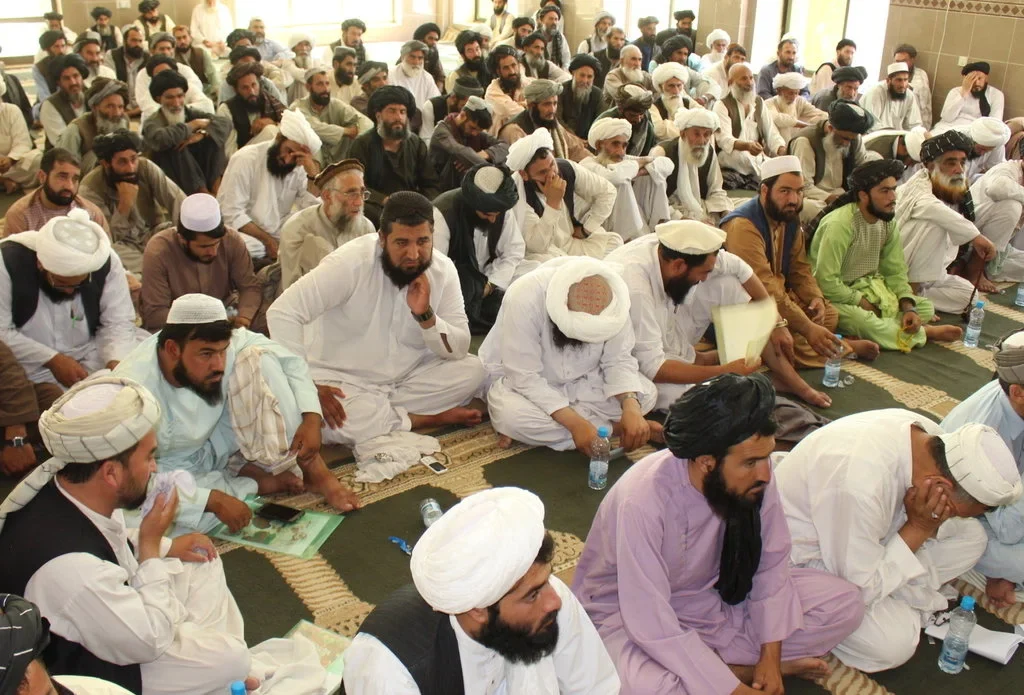
The Taliban’s new fatwa banning foreign militants has been hailed by officials in Kabul as a decisive theological shift. But rising attacks in the north, continued TTP operations, and mounting pressure from Washington expose a widening gap between doctrine and reality. As regional powers demand proof of enforcement, the decree risks becoming another symbolic gesture unless it translates into measurable action on the ground.
Deconstructing the Pakistan-Afghanistan Economic Crisis
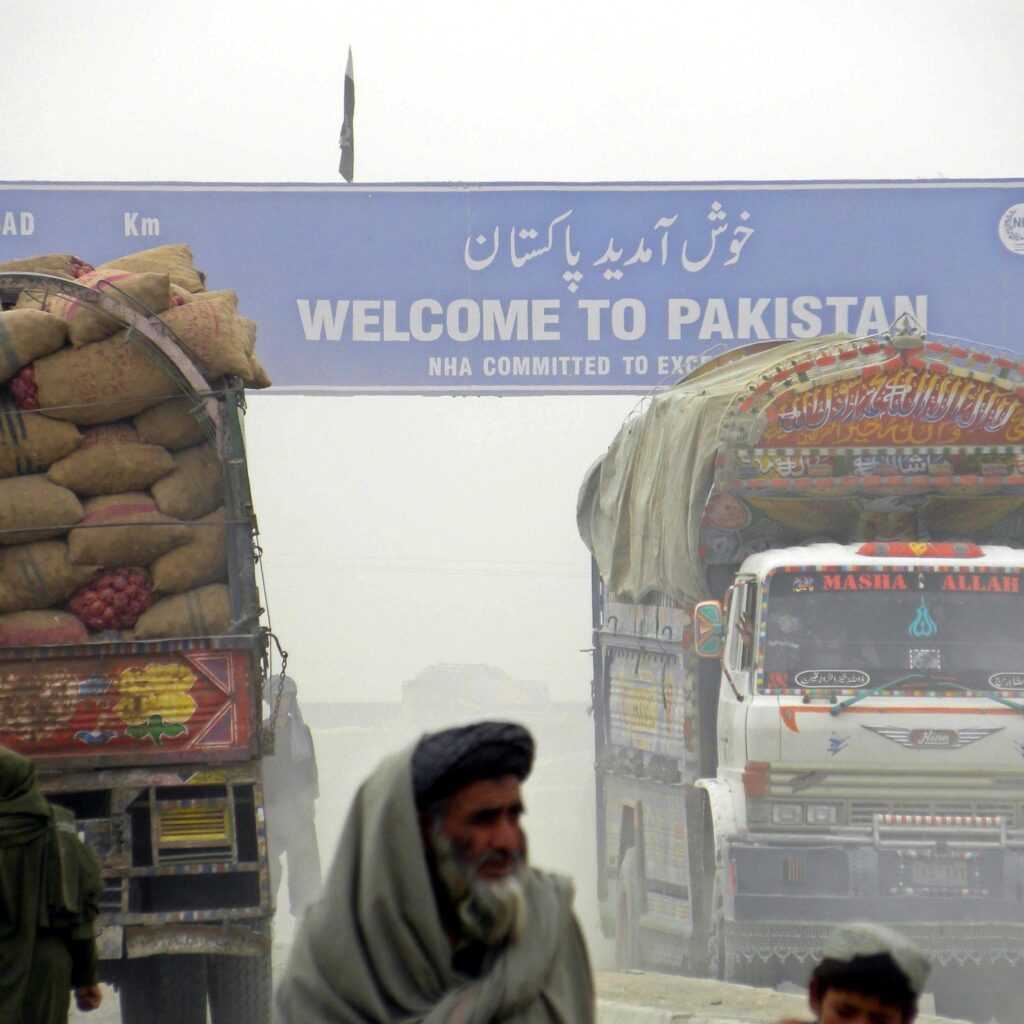
The Pakistan-Afghanistan trade freeze is widely framed as a punitive economic move, yet its roots lie in a severe security breakdown emanating from Afghan territory. Pakistan’s transit closures are reactive, not aggressive, and Afghanistan’s deep logistical dependence on Pakistani routes exposes the crisis as geopolitical, not commercial.
Criminalising Dissent: How New Laws and “Public Order” Politics Are Shrinking Democratic Space in India
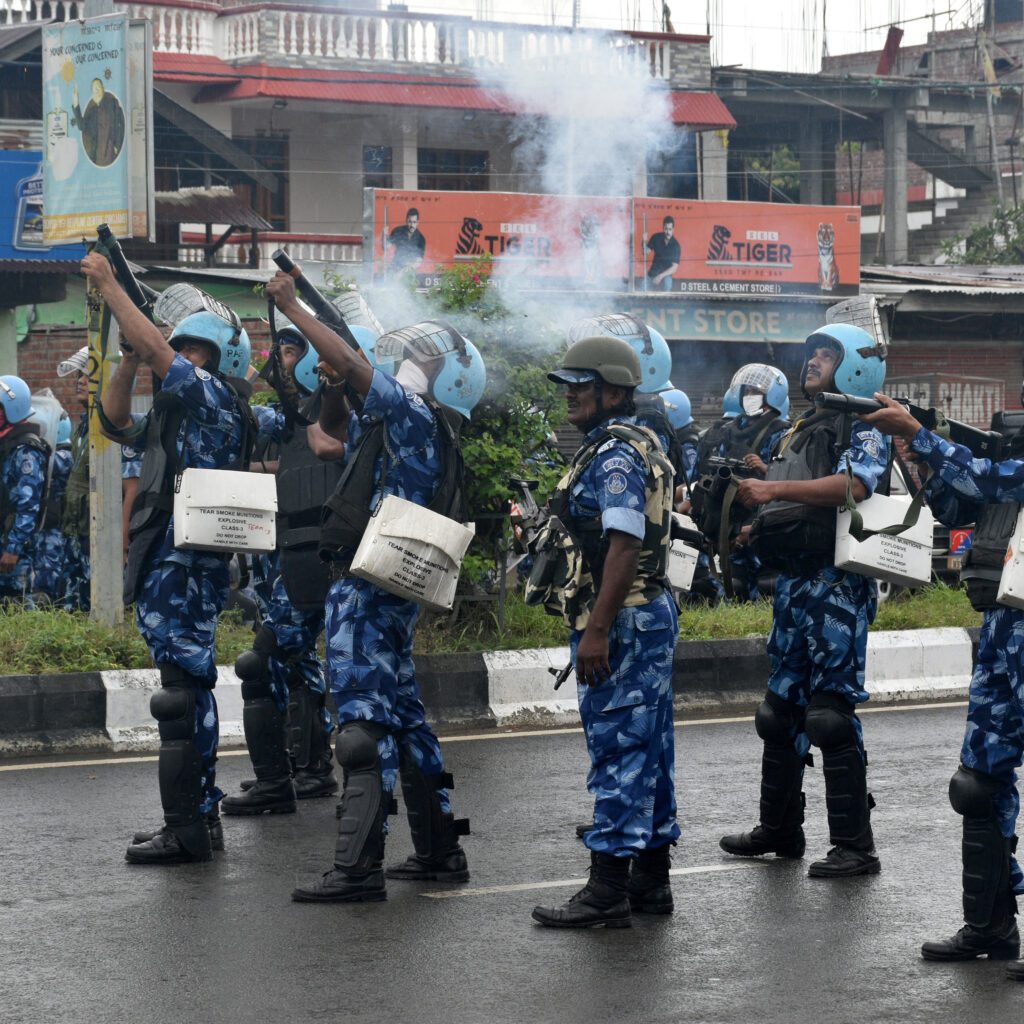
India is witnessing a steady erosion of democratic freedoms as broad security laws, digital surveillance, and administrative restrictions redefine dissent as a threat rather than a constitutional right. From expanded use of UAPA and IT Rules to routine protest crackdowns and shrinking academic space, the cumulative impact is a quieter and increasingly constrained civic sphere.
The Taliban’s Gamble with Afghan Healthcare

The Taliban’s ban on Pakistani pharmaceutical imports is pushing Afghanistan toward a severe drug shortage. Driven by ideological ties to the TTP and escalating border tensions with Pakistan, this political maneuver threatens public health, inflates medicine costs, and leaves ordinary Afghans to bear the consequences of a crisis rooted in strategic posturing rather than market forces or natural disaster.
The Politicization of Universal Human Rights in Contemporary Power Politics
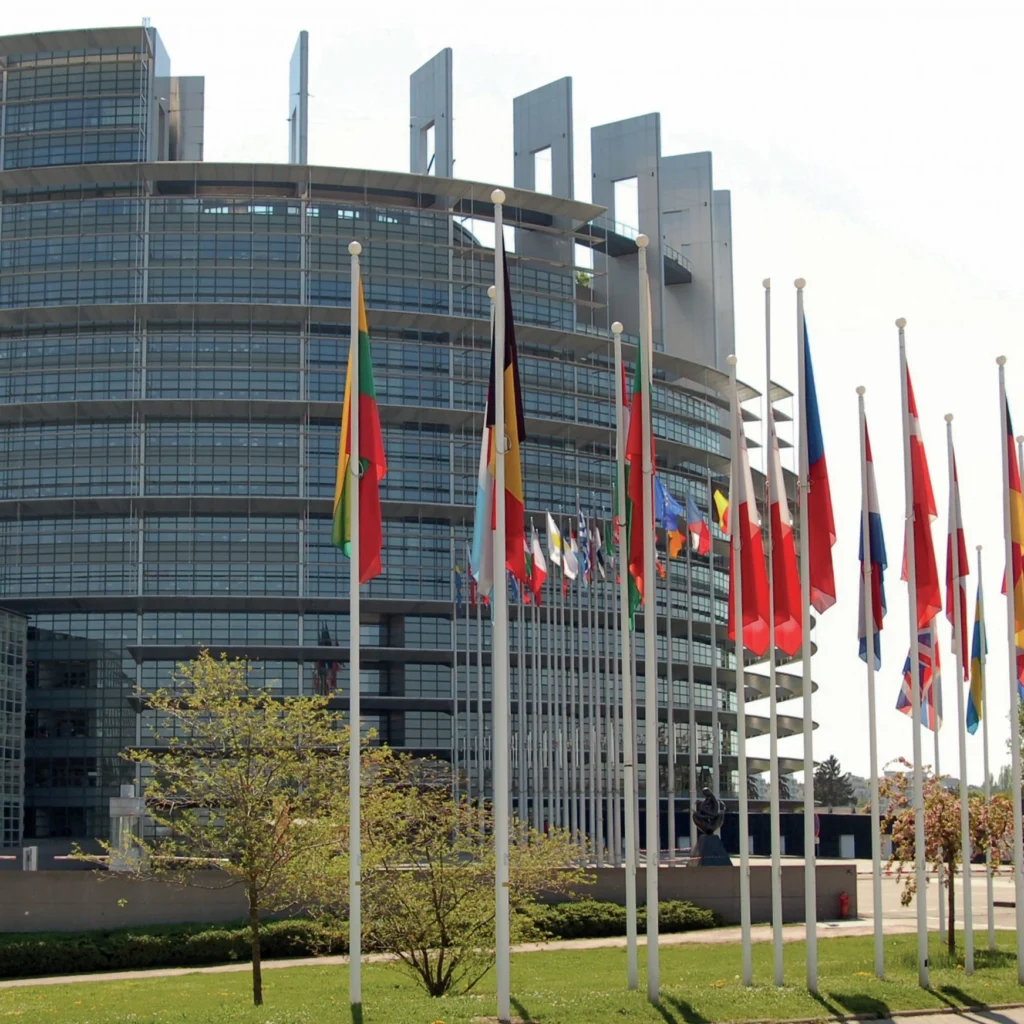
Universal human rights are increasingly politicized, with Western powers prioritizing strategic interests over moral consistency. This analysis traces historical precedents, selective enforcement, and emerging non-Western challenges that reveal the fragility of global human rights norms.