
Who Benefits from Islamophobia?

In the wake of global violence, political actors often replace evidence-based analysis with collective blame. Islamophobia, when elevated from fringe rhetoric to state discourse, fractures society and weakens security.
The Growing Taliban Madrassa System: An Ideological Weapon Threatening Regional Stability
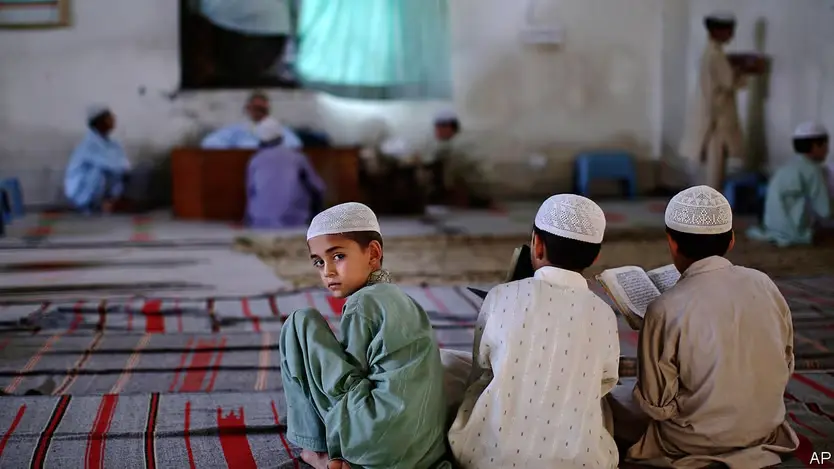
The Taliban’s rapid madrassa expansion is transforming Afghanistan’s education system into a tool for extremist indoctrination, fostering a new generation aligned with global jihadist ideology and threatening regional stability.
India’s Missing People’s Revolution: Democracy, Electoral Erosion, and the Prospect of Popular Upheaval
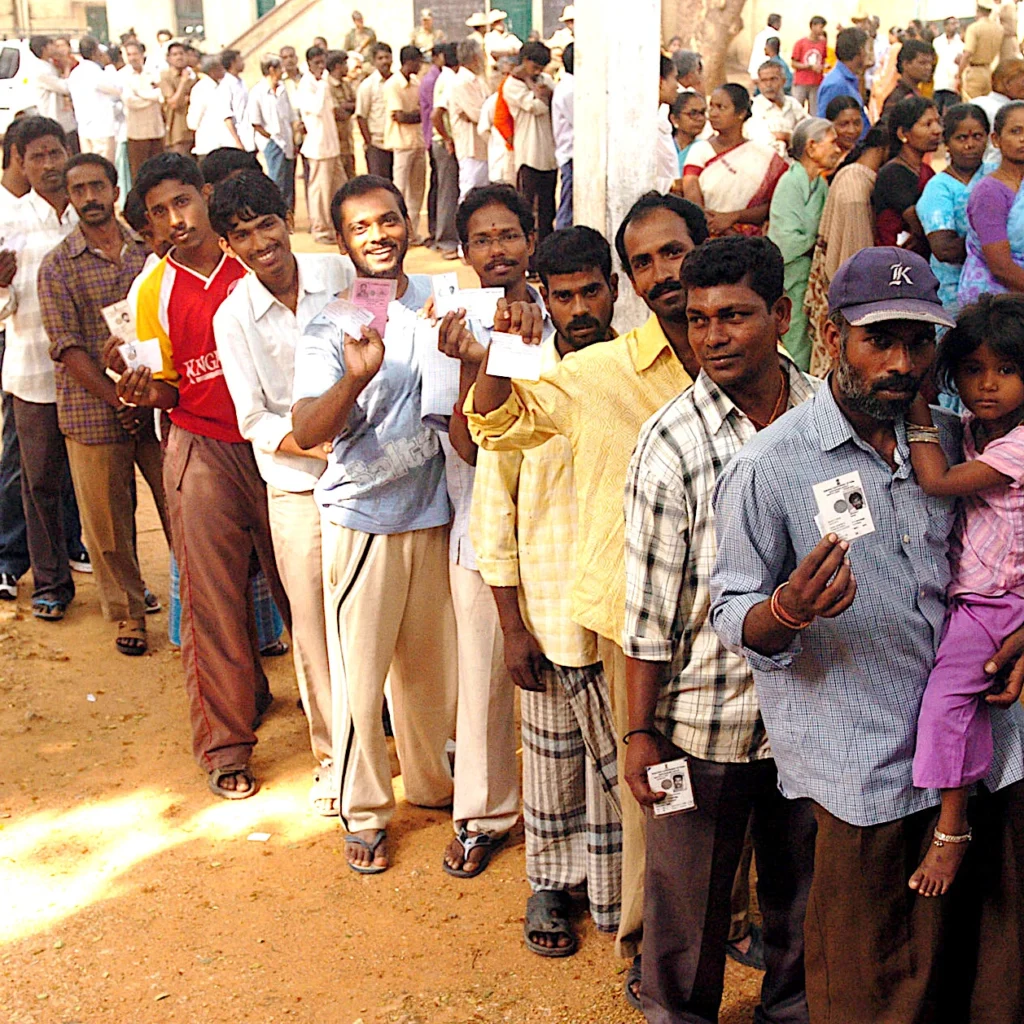
India’s democracy, born without rupture, now faces institutional erosion, electoral distrust, and mounting pressures that risk triggering systemic political upheaval.
Mercenaries or Partisans? Pro-Pakistan Forces in 1971 Bengal

Branded as Razakars and dismissed as mercenaries, pro-Pakistan forces in 1971 Bengal were driven by ideology. Their story of loyalty, persecution, and survival challenges the dominant historical narrative.
How APS Redefined Pakistan’s Strategic Culture

APS was the moment Pakistan’s long-standing ambiguity on militancy collapsed. The murder of schoolchildren forced an organic securitization of terrorism, enabling extraordinary measures and a redefinition of the militant as an existential, illegitimate enemy.
Before and After Panjshir: How Anti-Taliban Forces Are Adapting to a Long Insurgency

December 2025 marked a turning point in Afghanistan’s post-2021 resistance. Coordinated, intelligence-driven attacks across Kunduz and Badakhshan signaled that anti-Taliban forces have moved beyond symbolic defiance into a sustained campaign of urban-centric insurgency. Deprived of territory, external patrons, and conventional warfare options, groups like the NRF and AFF are adapting through mobility, information warfare, and selective strikes, pointing toward a long war defined by endurance rather than frontlines.
The Internationalization of Domestic Security Events

The Bondi Beach attack illustrates a recurring global pattern: domestic crimes targeting Jewish communities are swiftly absorbed into transnational security frameworks. This acceleration often precedes verified attribution, reshaping diplomatic postures and weaponizing narratives at moments of heightened geopolitical contestation.
The Acceleration of Insurgency in Northern Afghanistan

A seventy-two-hour surge of intelligence-driven attacks in Kunduz and Fayzabad has shattered the Taliban’s claim of total control, signaling a shift toward coordinated urban insurgency in the north.
Contextualizing the Special Rapporteur’s Statement on Imran Khan
The Special Rapporteur’s remarks on Imran Khan reflect the opinion of an independent expert, not an institutional UN verdict. Understanding the limits, selectivity, and politics of such mandates is essential before treating them as authoritative judgments.