
Healthcare as Statecraft in Taliban-Ruled Afghanistan

Afghanistan’s recent shift away from Pakistani pharmaceutical imports toward Indian suppliers marks a dangerous transformation of healthcare into a tool of geopolitical signaling. Framed as regulatory reform, this pivot reflects a broader biopolitical strategy in which access to medicine is subordinated to diplomatic recalibration, with profound ethical and humanitarian consequences for an already vulnerable population.
The Taliban Regime and the 2025 Global CFT Framework
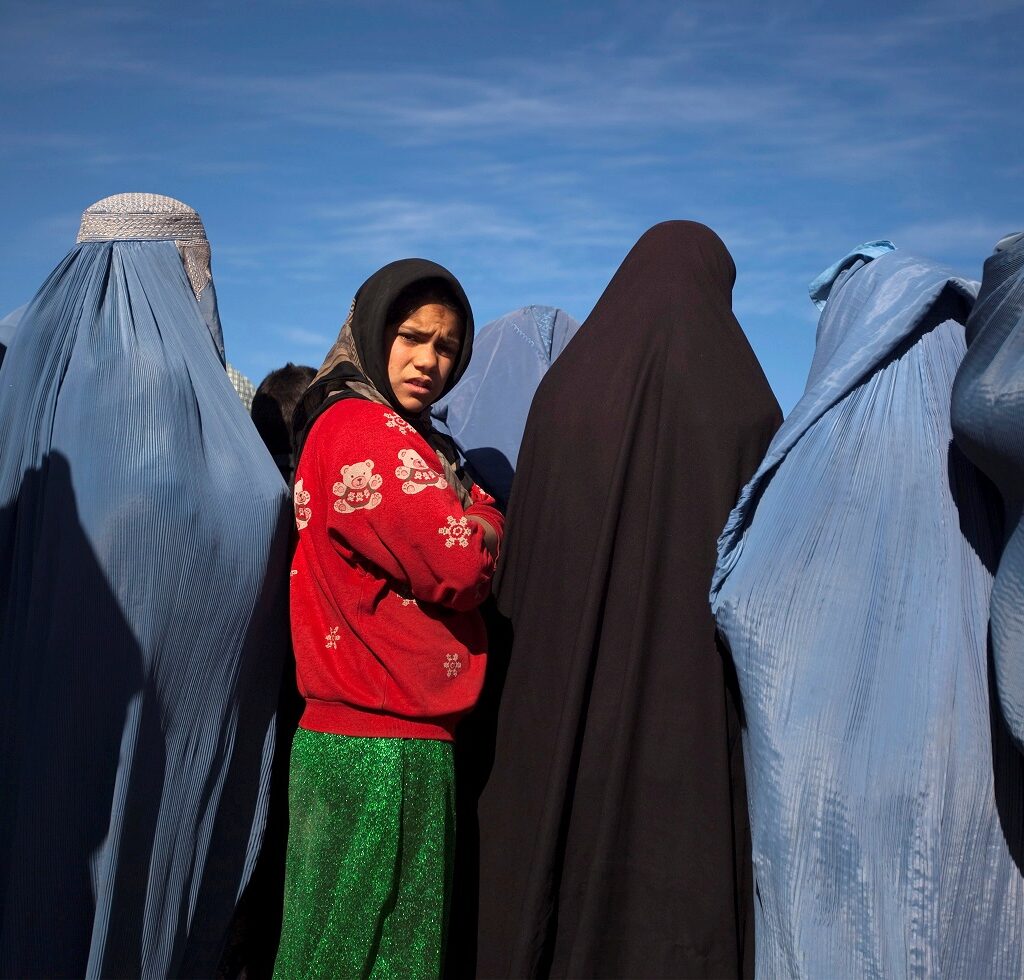
Despite consolidating internal control and boosting revenues, the Taliban remain structurally incompatible with the 2025 global Counter-Terrorism Financing regime, as sanctions, militant linkages, and gender persecution block financial reintegration.
How Afghan Networks Sustain Terrorism in Pakistan
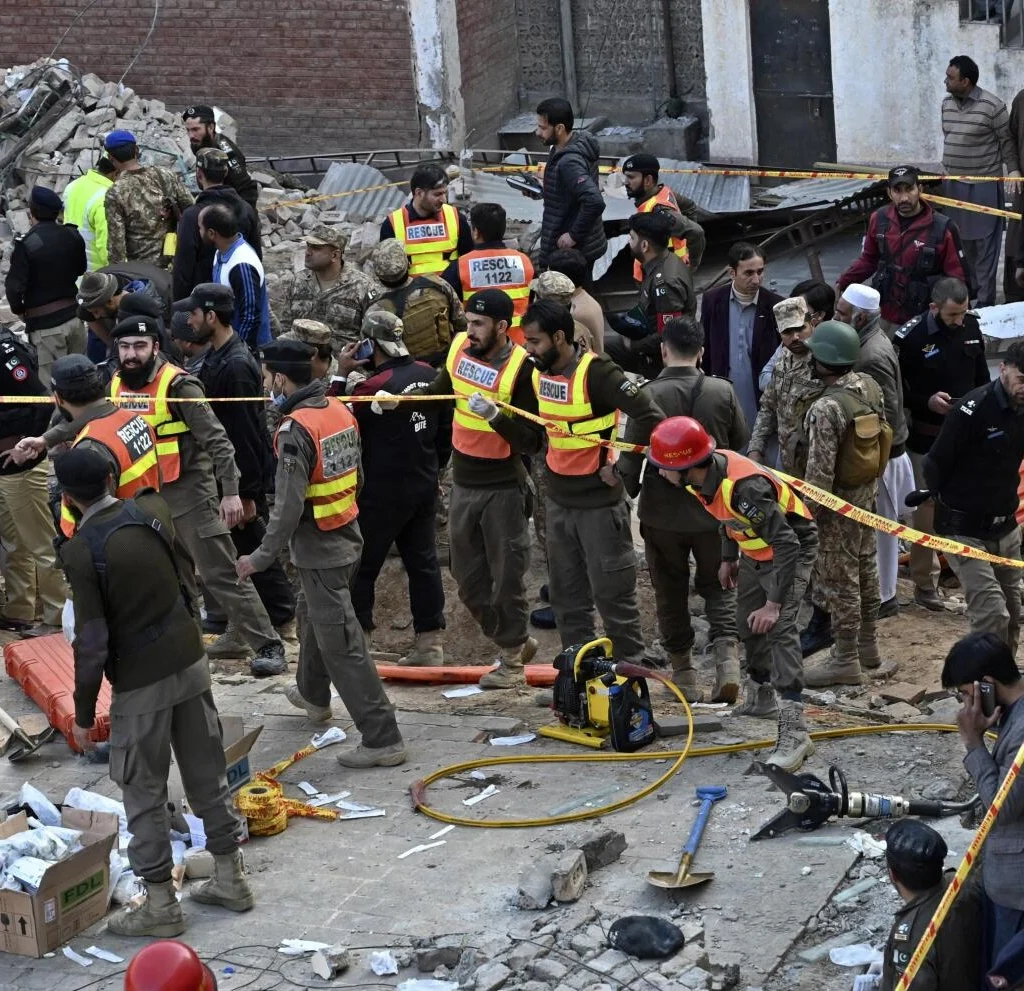
The December 2025 Boya suicide attack underscores the transnational nature of militancy confronting Pakistan. The identification of an Afghan national from Kabul as the attacker, and the public veneration he received there, reveals how recruitment pipelines, ideological legitimation, and porous borders continue to sustain insurgency in North Waziristan, placing growing strain on Pakistan–Taliban relations.
Majoritarian Politics and the Erosion of Minority Dignity in India: The Bihar Hijab Incident
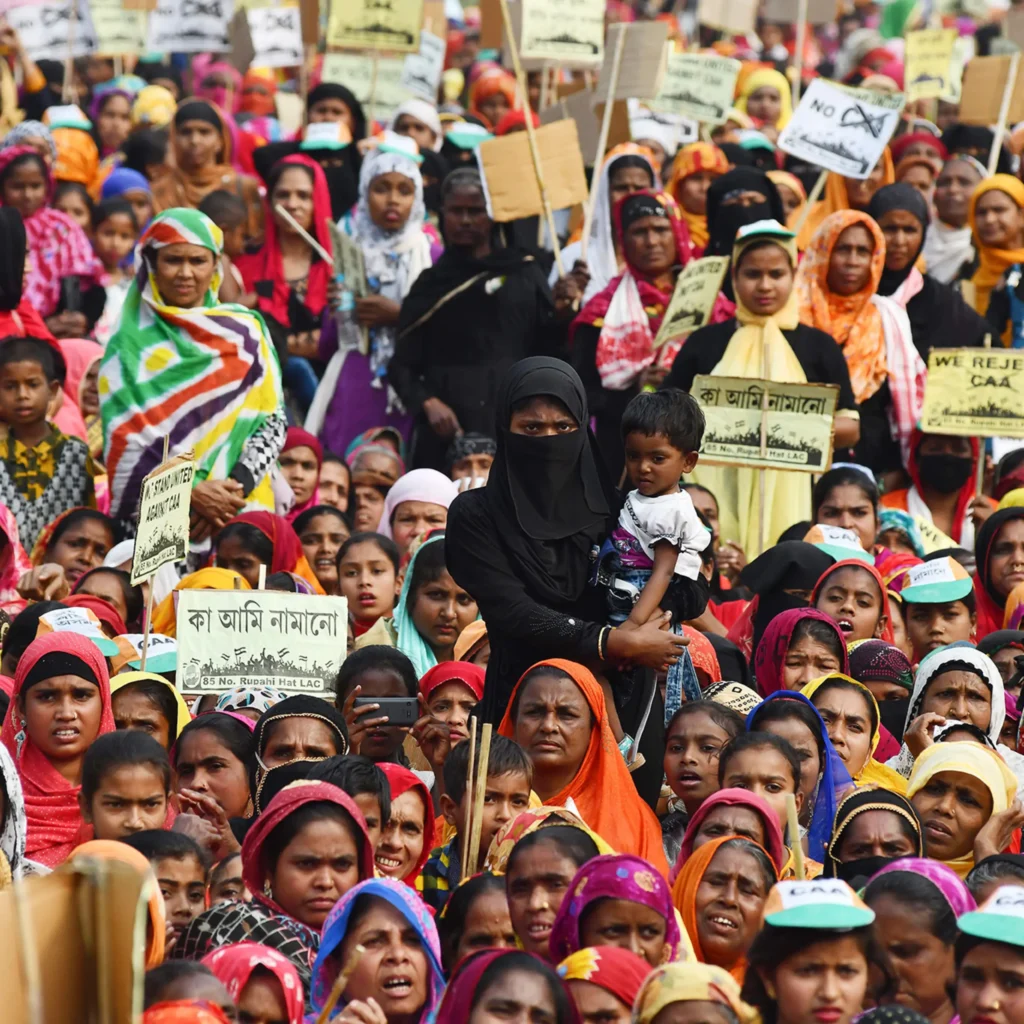
The forcible removal of a Muslim woman doctor’s hijab by Bihar’s Chief Minister was not an isolated lapse of conduct but a revealing moment in India’s evolving political culture. It underscored how majoritarian ideology increasingly normalizes the public humiliation of minorities, particularly Muslim women, and weakens constitutional guarantees of equality, religious freedom, and personal dignity.
Herat Border Tragedy: The Deadly Consequences of Afghanistan’s Governance Failures
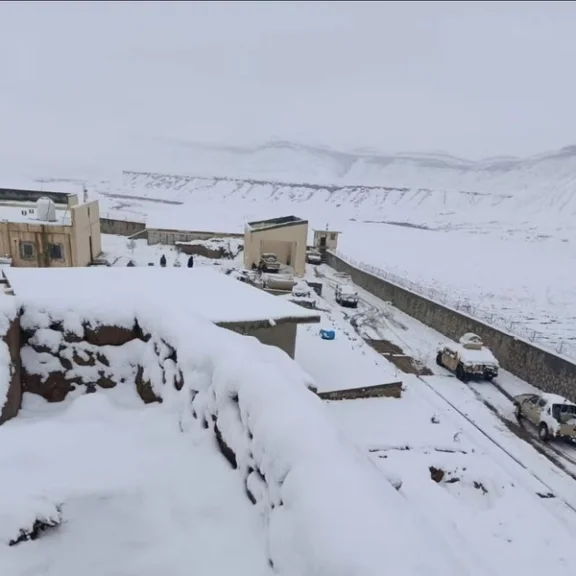
The Herat border tragedy, is a stark illustration of the human cost of Afghanistan’s governance failures. With limited economic opportunities, widespread poverty, and insufficient social support, families are forced to undertake life-threatening journeys across freezing mountains. The incident underscores the urgent need for the Afghan government to provide stable livelihoods, establish safe migration routes, and strengthen healthcare and social services, as humanitarian risks continue to escalate across the country.
Debunking the Gaza Deployment Narrative
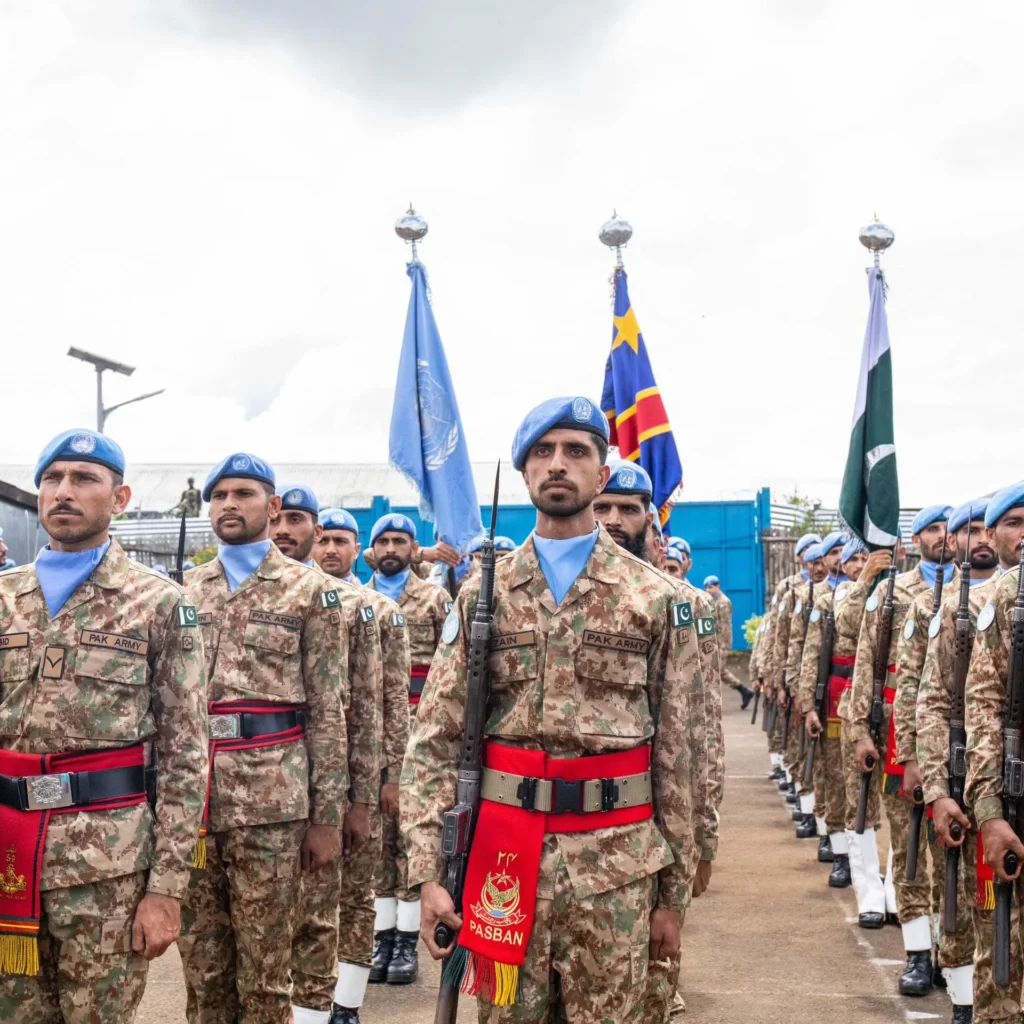
False claims of a Pakistani troop deployment to Gaza, amplified by disinformation networks, were firmly rejected by the Foreign Office, reaffirming that Pakistan’s military operates only under UN mandates and constitutional limits.
The End of the 1971 Consensus
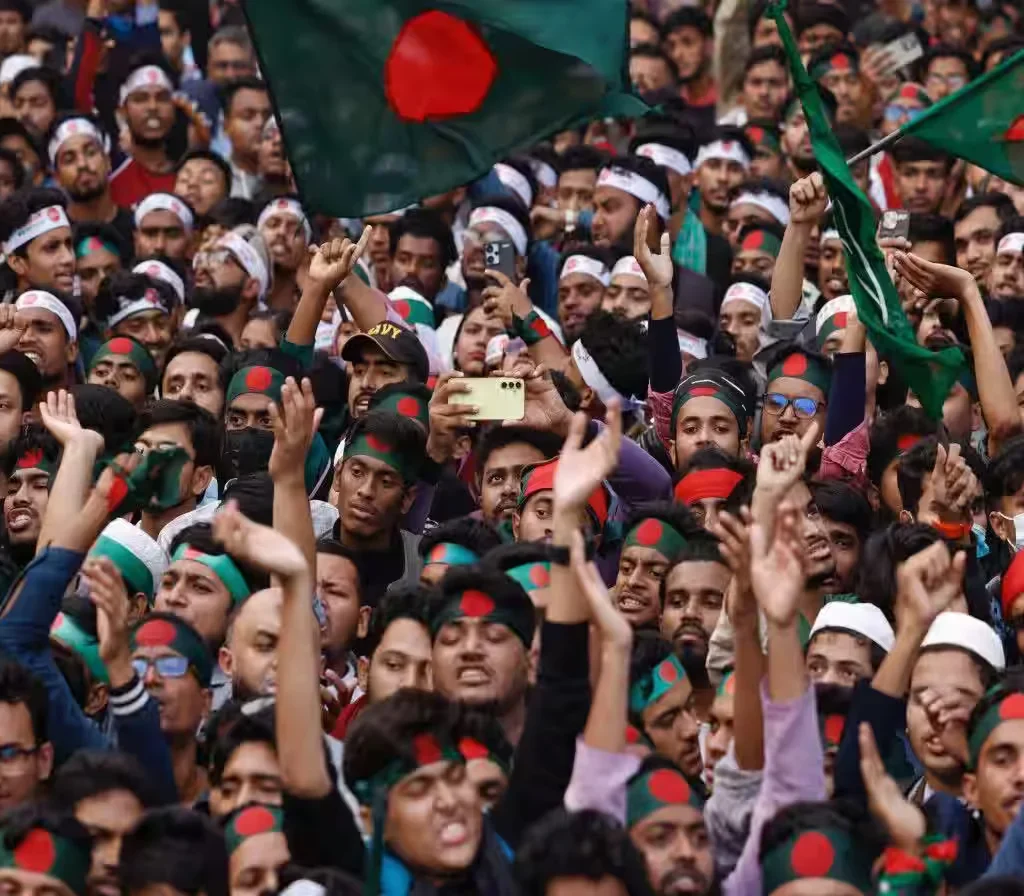
Sharif Osman Hadi’s death has become the symbolic burial of the 1971 Consensus that long structured India–Bangladesh relations. For a generation with no lived memory of the Liberation War, Hadi embodies a Second Independence, reframing 1971 as the start of Indian dominance rather than true sovereignty. His killing has accelerated Bangladesh’s rupture with India and exposed a deep strategic crisis across South Asia.
Afghan Taliban’s Biopolitics

The Taliban’s health diplomacy is reshaping Afghanistan’s geopolitical landscape. By phasing out Pakistani pharmaceuticals and inviting Indian partnerships, Kabul securitizes its healthcare infrastructure as a tool of strategic realignment. The shift highlights the intersection of sovereignty, economic statecraft, and regional influence, with Afghan patients bearing the immediate consequences.
Who Benefits from Islamophobia?

In the wake of global violence, political actors often replace evidence-based analysis with collective blame. Islamophobia, when elevated from fringe rhetoric to state discourse, fractures society and weakens security.