
The Indian Muslim: Living Between Faith and Fear
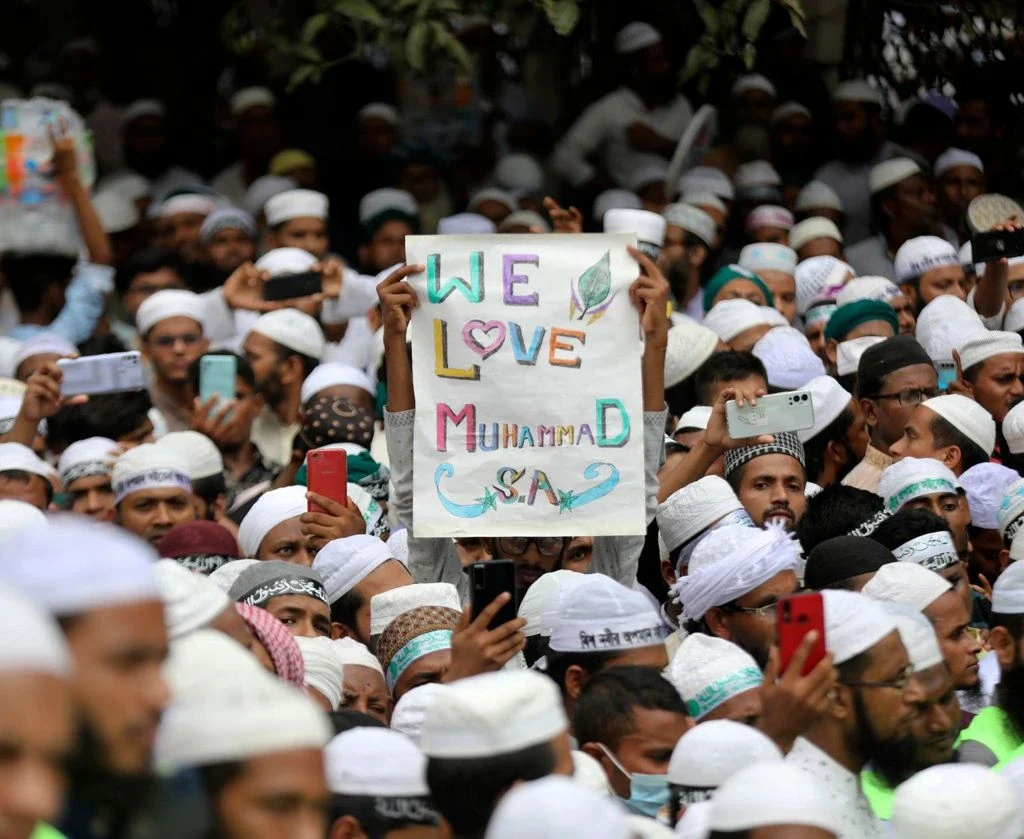
In September 2025, a simple expression of faith became a crime. When a devotional social media trend, the ‘I Love Muhammad’ campaign, went viral, it was deliberately framed as a provocation by authorities. The state’s response was swift and brutal: mass arrests and punitive demolitions that turned a peaceful act of devotion into a national flashpoint, revealing a clear intent to police and punish Muslim identity itself.
Pakistan’s Stability: A Silent Pillar of US Strategic Interests
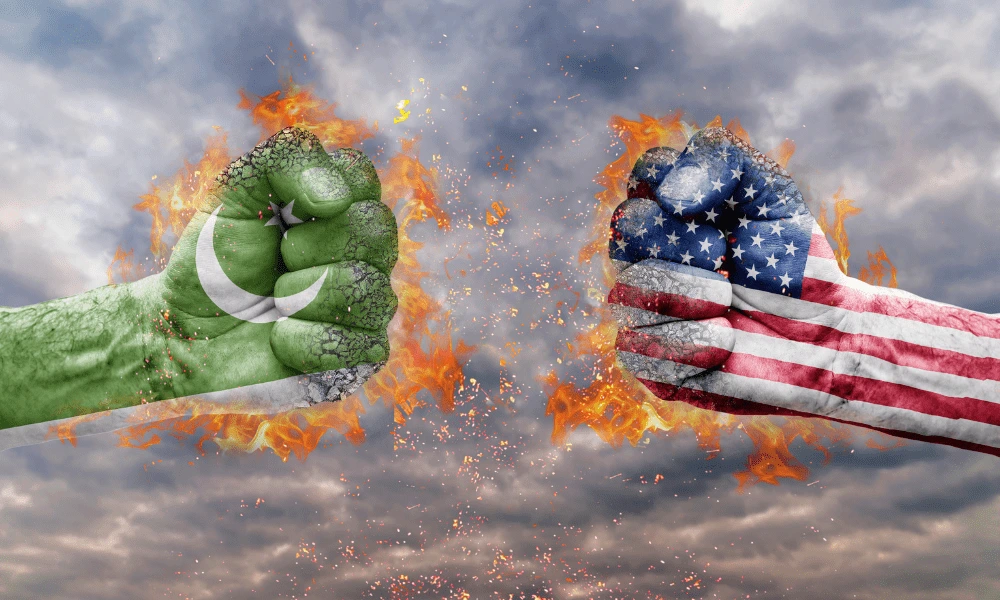
Long seen through a security lens, Pakistan is now redefining its role in US strategy, as a supplier of critical minerals, a connectivity hub between Central and South Asia, and a stabilizing force in a volatile region. Amid global competition with China and shifting energy dynamics, Washington increasingly views Pakistan’s stability not as a choice but as a strategic necessity anchoring its economic and geopolitical interests across Asia.
The Nobel Peace Prize or War Prize? A History of Controversial Laureates
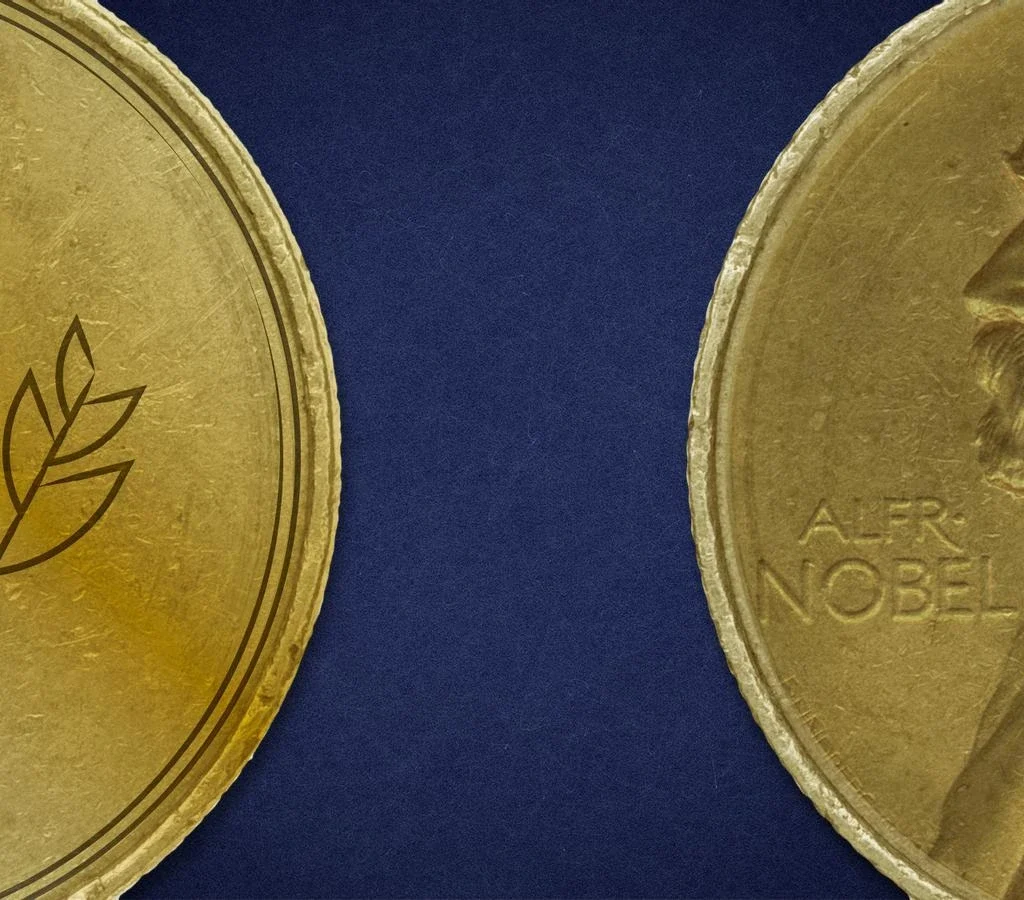
Far from being an impartial recognition of pacifism, the Nobel Peace Prize’s legacy is marred by controversial laureates whose actions have been linked to immense violence. The prize is not a universal arbiter of peace but a political instrument reflecting a Western-centric worldview, rewarding figures who align with its geopolitical interests, regardless of the blood on their hands.
Eighty Years Later: Is the United Nations Becoming the League of Nations 2.0?
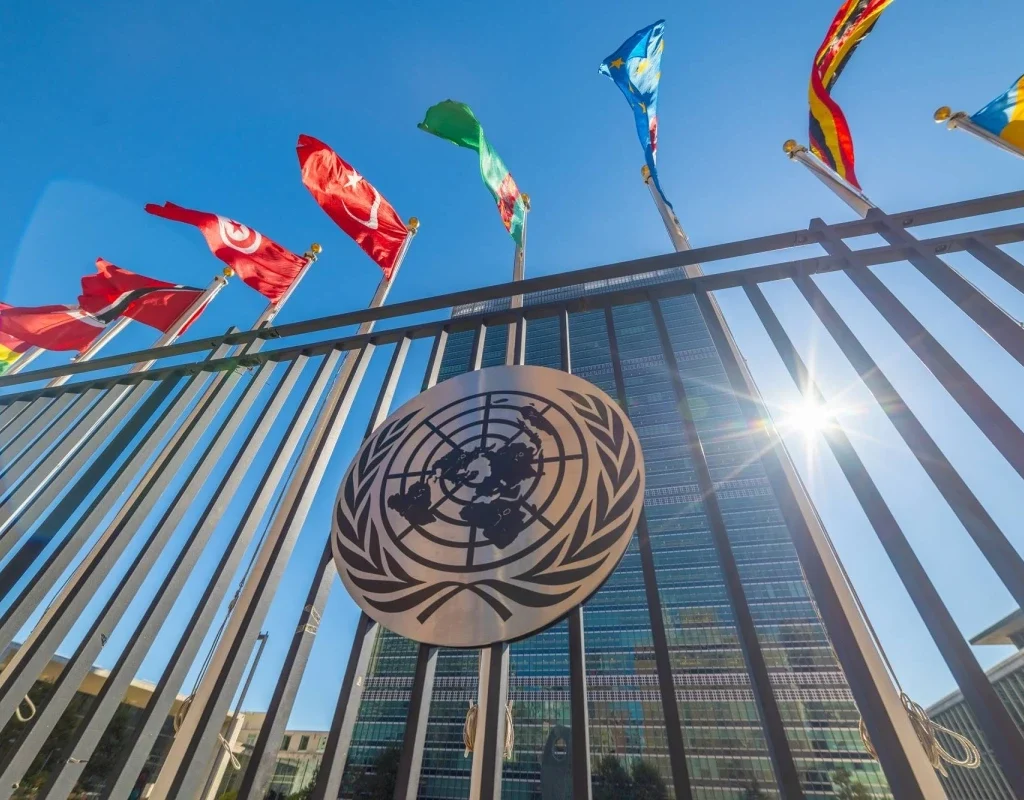
Eighty years after the UN’s creation to “save succeeding generations from war,” the organization stands at a breaking point. With veto paralysis, waning U.S. commitment, and global disillusionment, is the UN becoming the very institution it replaced—the League of Nations 2.0?
Geopolitics, Journalism, and the Anatomy of a False Narrative
A recent Financial Times story claimed Pakistan was pitching a new Arabian Sea port to the US Built on anonymous sources and logical flaws, the report was quietly corrected. This article dissects how the flimsy reporting was weaponized by domestic and regional actors to push a false narrative, revealing more about their political agendas than Pakistan’s foreign policy.
The Promises and Perils of the New Gaza Plan
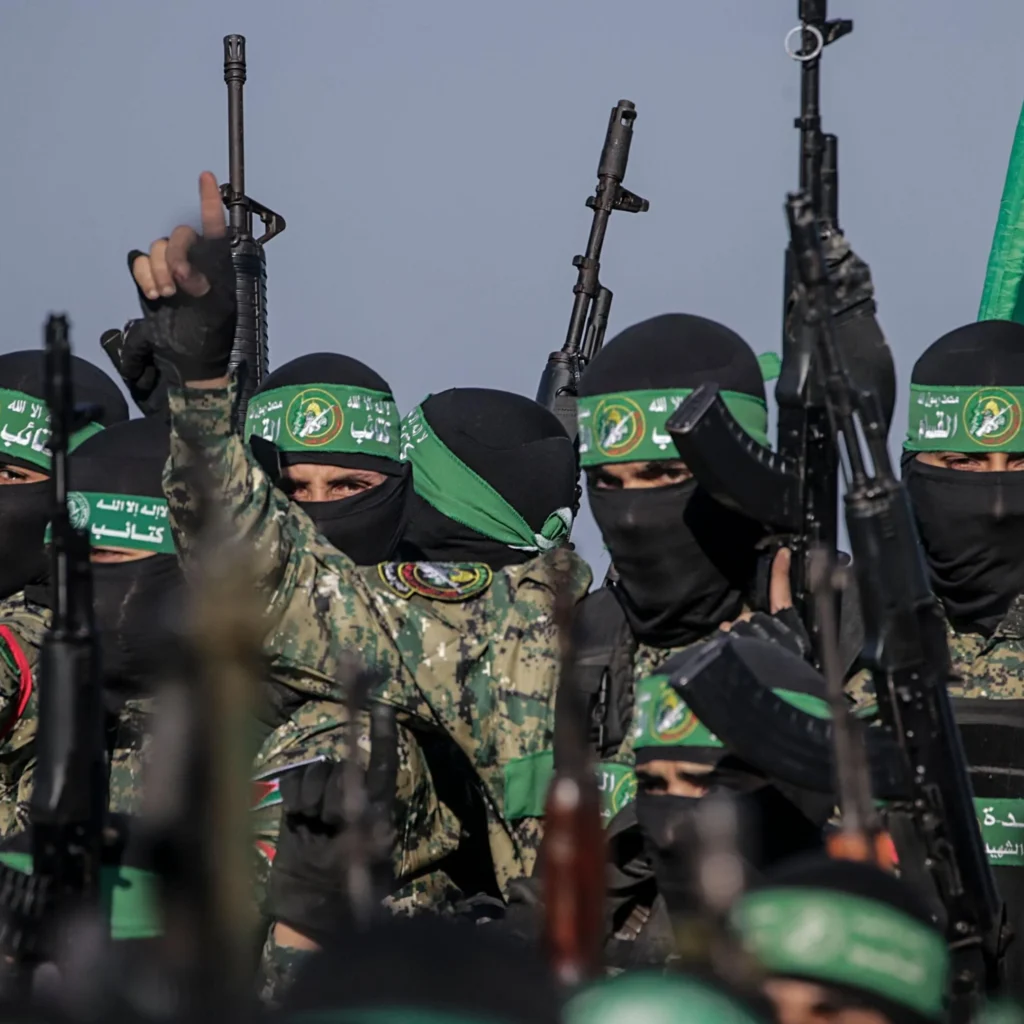
A new Gaza peace plan by Donald Trump has international backing and a surprising partial acceptance from Hamas. However, its journey toward lasting peace is threatened by critical deal-breakers and the unresolved core question of Palestinian political sovereignty.
Pakistan’s Path to Innovation through CERN Partnership
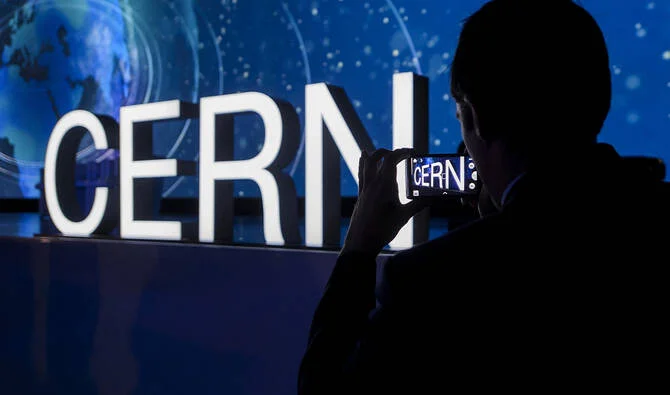
Pakistan’s growing partnership with CERN highlights its rising role in global science and technology. As the first South Asian state to become an associate member, Pakistan is advancing research, training young scientists, and opening doors for high-tech industry and innovation through its collaboration with the world’s leading particle physics center.
Governance, Protests, and Identity: Decoding the Crisis in Azad Jammu and Kashmir
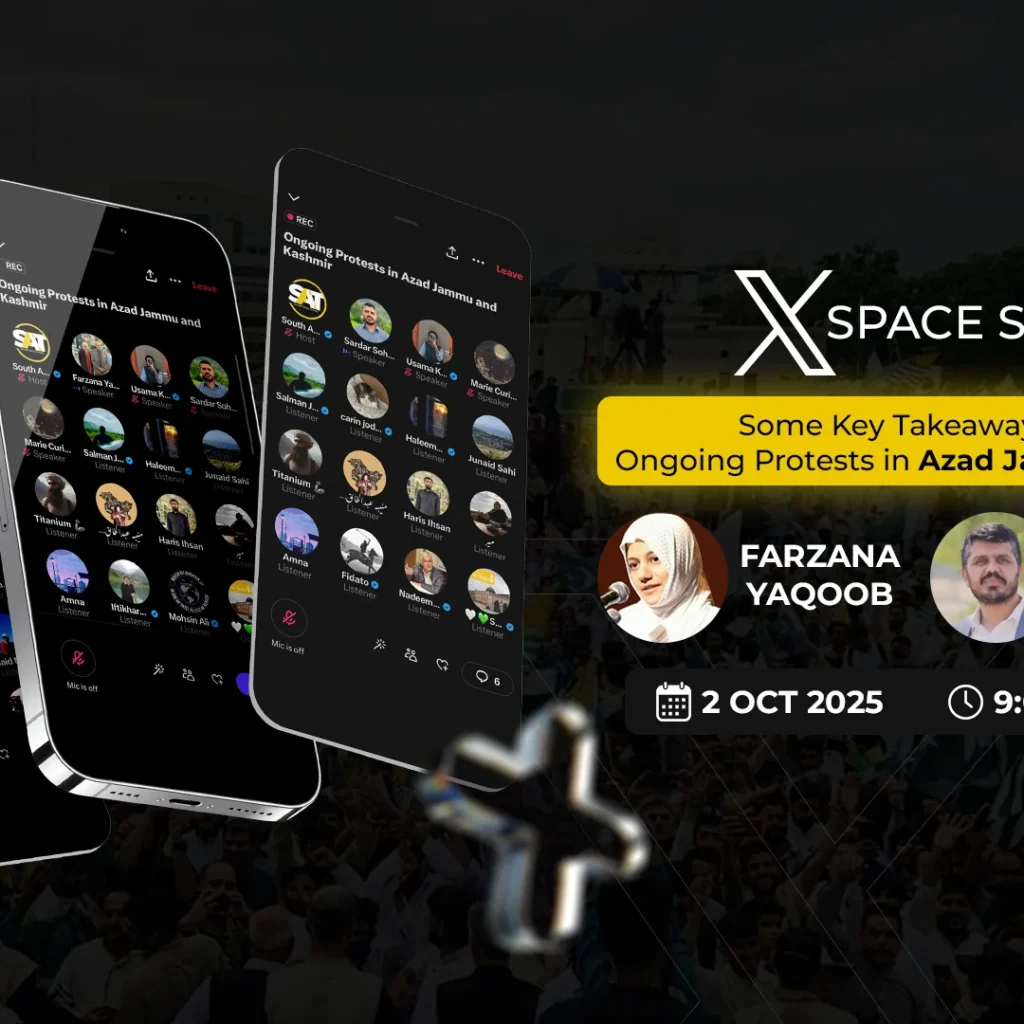
South Asia Times’ X Space session on AJK protests featured insights from Farzana Yaqoob and Sardar Sohail Hassan, examining JAAC’s demands, Pakistan’s subsidies, governance challenges, youth mobilisation, and India’s shifting narratives. The dialogue unpacked how local grievances are exploited by vested and external interests.
A History of Failed Israeli-Palestinian Peace Negotiations
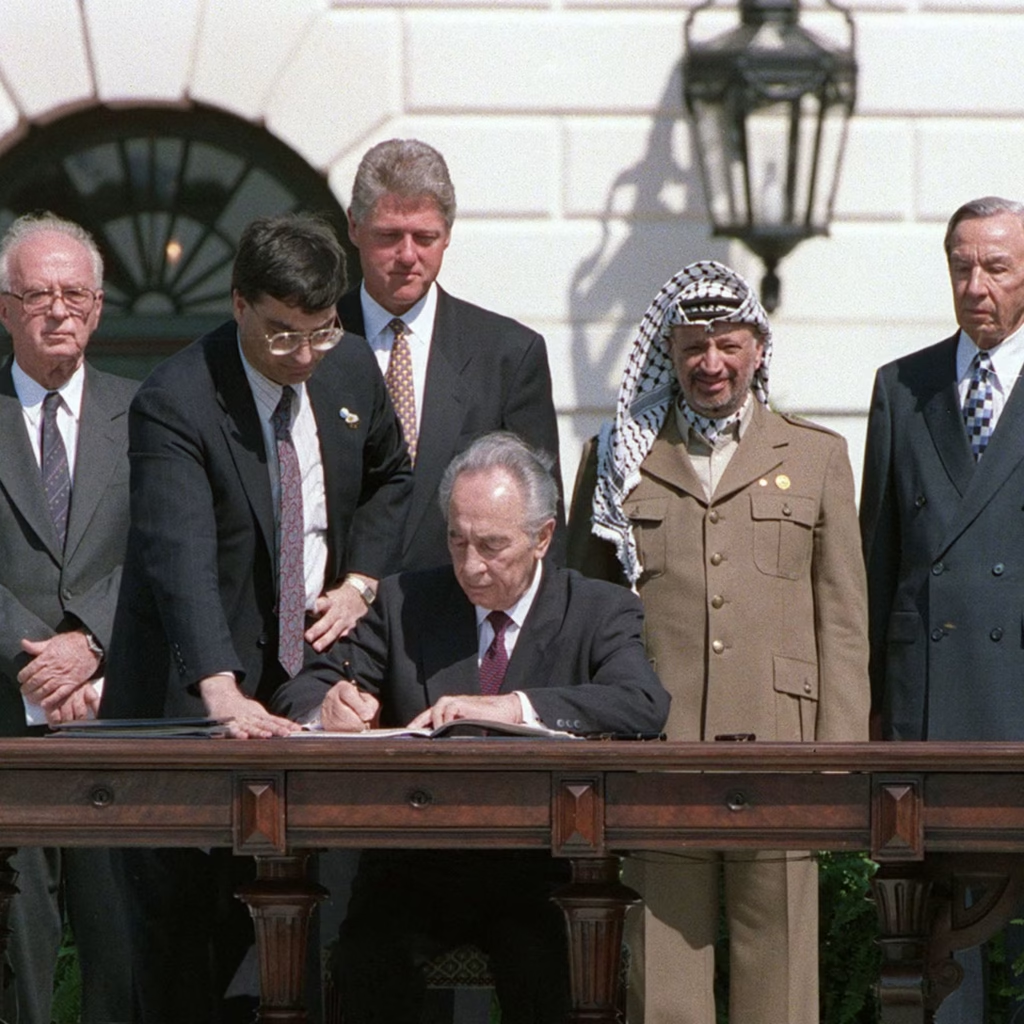
Since the 1973 Yom Kippur War, numerous US, Arab, and international peace plans have sought to resolve the Israeli-Palestinian conflict, yet none have succeeded. A consistent pattern has seen these efforts fail in the face of core disagreements over Palestinian sovereignty, Israeli security, and the ongoing expansion of Israeli settlements. This backgrounder explains the historical context of the conflict, the major peace initiatives since 1973, why they failed, and the primary obstacles that remain.