
A Strategic Checkmate: The Defense Pact Reshaping the International Relations
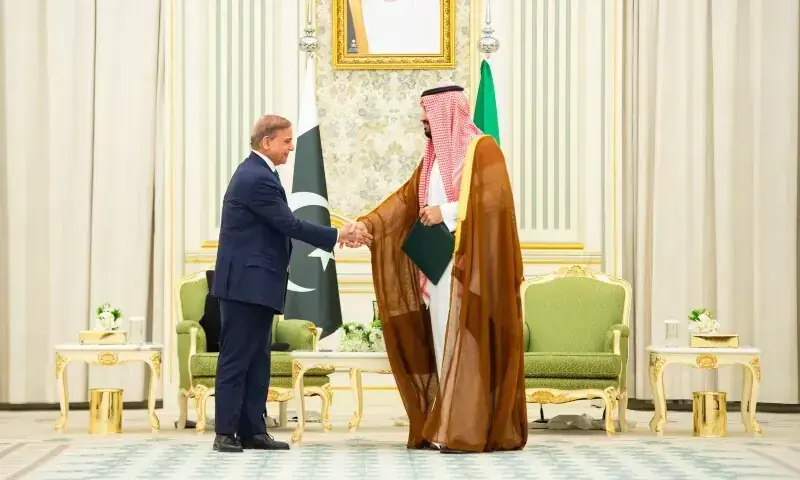
The 2025 strategic defense pact between Pakistan and Saudi Arabia marks a major diplomatic milestone. Strengthening military and economic ties, it enhances Pakistan’s regional influence, bolsters Gulf security, and positions Islamabad as a key player between China, the US, and the Middle East. The agreement reflects a blend of constructivist and realist strategies, reinforcing Pakistan’s leadership role in the Muslim world.
Anatomy of a Diplomatic Failure: The 20-Point Gaza Plan

A 20-point Gaza peace plan, initially hailed by a coalition of eight Muslim-majority nations, represented a rare moment of consensus in Middle East diplomacy. But this optimism was short-lived. Following a pivotal meeting between US and Israeli leaders, the plan was radically altered, transforming a multilateral framework into a security-centric arrangement that alienated its initial backers and triggered a crisis of trust. This is the story of how a potential breakthrough unraveled into a diplomatic failure.
Nepal’s Counter-Revolt: Challenge for the Communist and the Left in South Asia
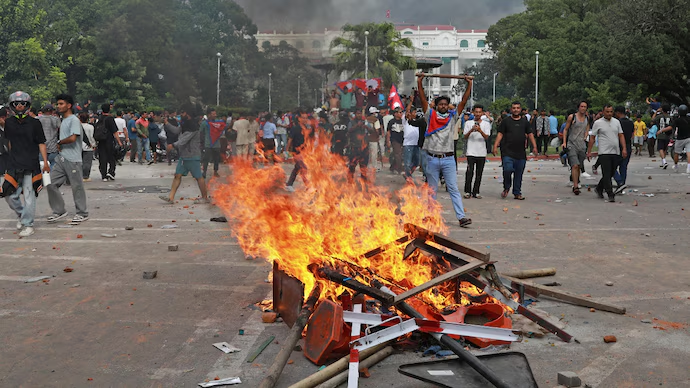
Nepal’s counter-revolt exposes decades of political betrayal by mainstream and leftist parties alike. Despite revolutionary promises to abolish feudalism, ensure sovereignty, and deliver land reforms, leaders from Congress to Maoists succumbed to corruption and power politics. Today’s uprising is both a rejection of failed communist leadership and a warning for the Left in South Asia.
Rich Land, Poor People: The Struggle to Unlock Pakistan’s Mineral Fortune
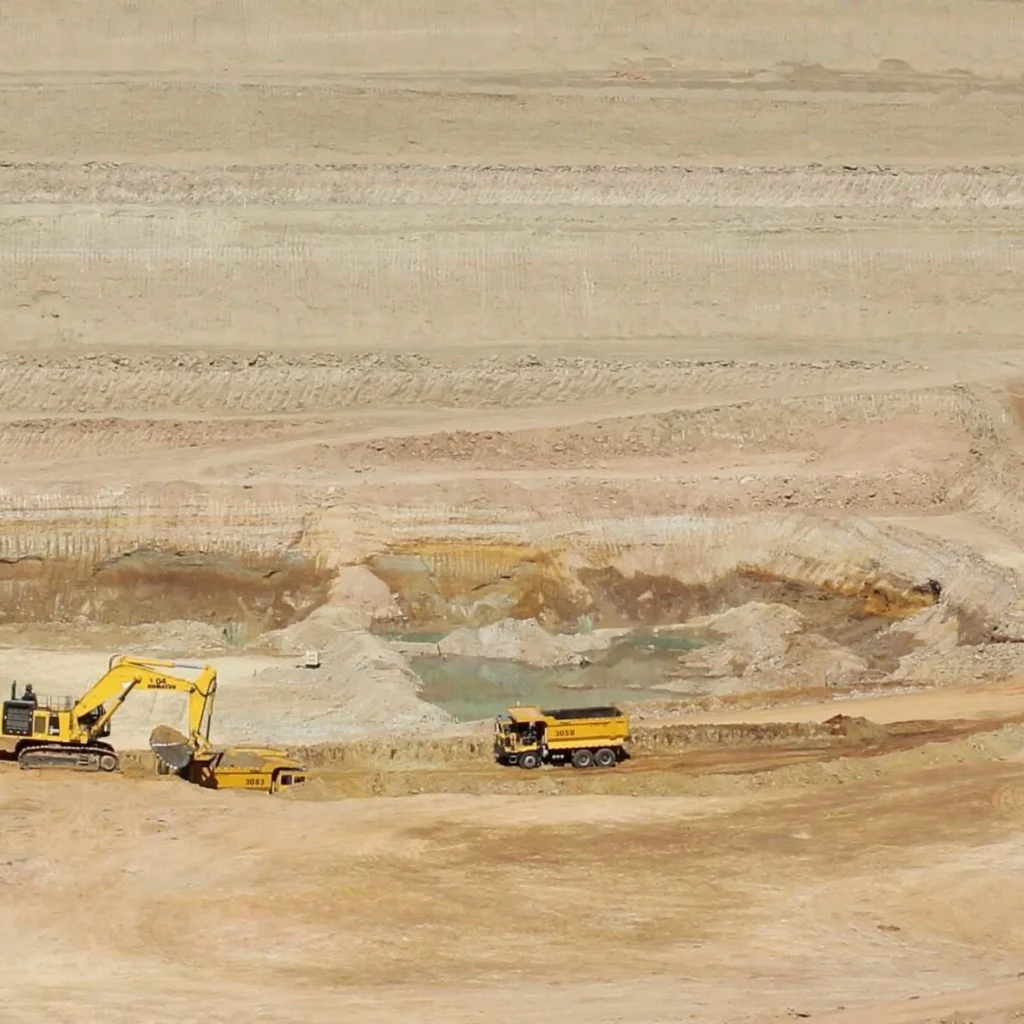
Unlocking Pakistan’s mineral fortune is less a matter of geology and more a test of governance. It hinges on attracting investment, implementing equitable policies, and navigating deep-seated grievances to avoid the resource curse that has plagued other nations.
Deconstructing Leadership in Modern Times.

Deconstructing leadership in modern times requires exploring the wisdom of Plato, Machiavelli, and Confucius alongside modern thinkers like John Maxwell and Ronald Heifetz. Loyalty, empathy, innovation, and purpose emerge as essential traits, shaping transformational leaders for a rapidly changing and unequal world.
Reimagining US-Pakistan Relations Through Climate Change Cooperation
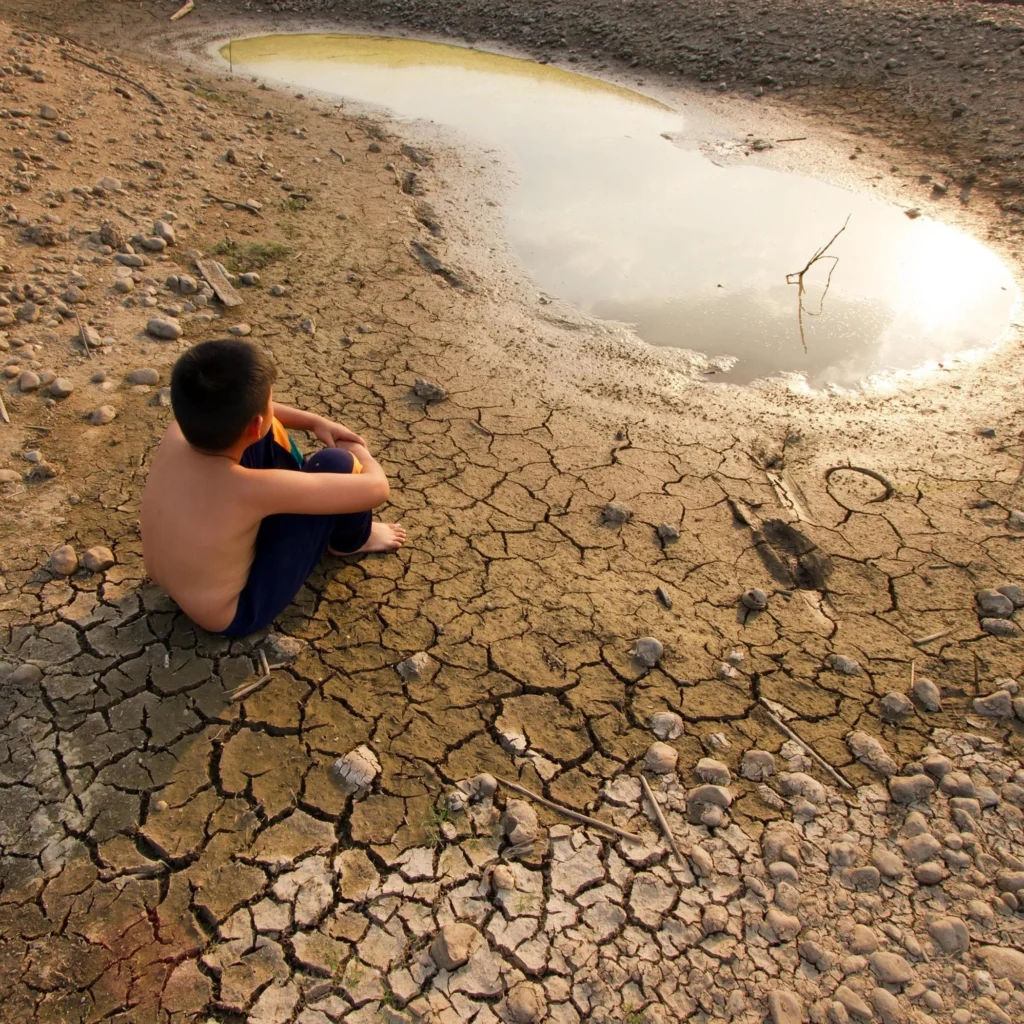
Pakistan faces an existential crisis from climate change, despite contributing less than 1% to global emissions. Reimagining US-Pakistan relations through climate change cooperation offers a pathway to resilience, climate finance, and regional stability while advancing US global climate leadership.
The Shama Junejo UNGA Controversy: A Case Study in Diplomatic Protocol and Institutional Failure
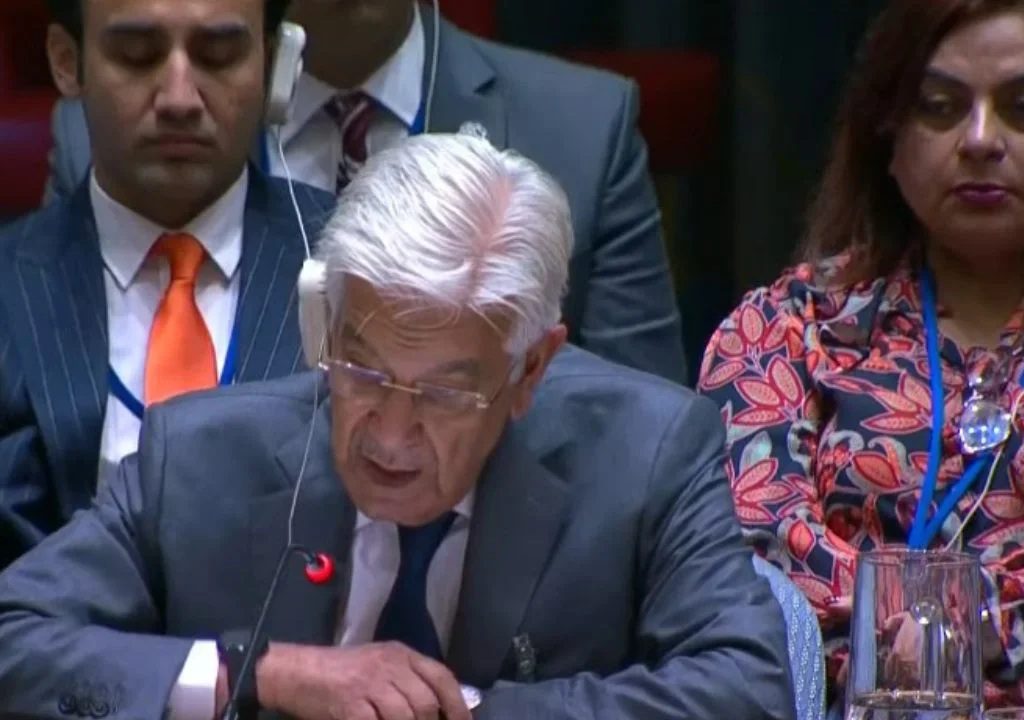
The Shama Junejo UNGA controversy underscores Pakistan’s diplomatic vulnerabilities, from breached protocols to fractured institutional accountability at the UN.
Weather Terrorism in South Asia: India’s Campaign Against Pakistan
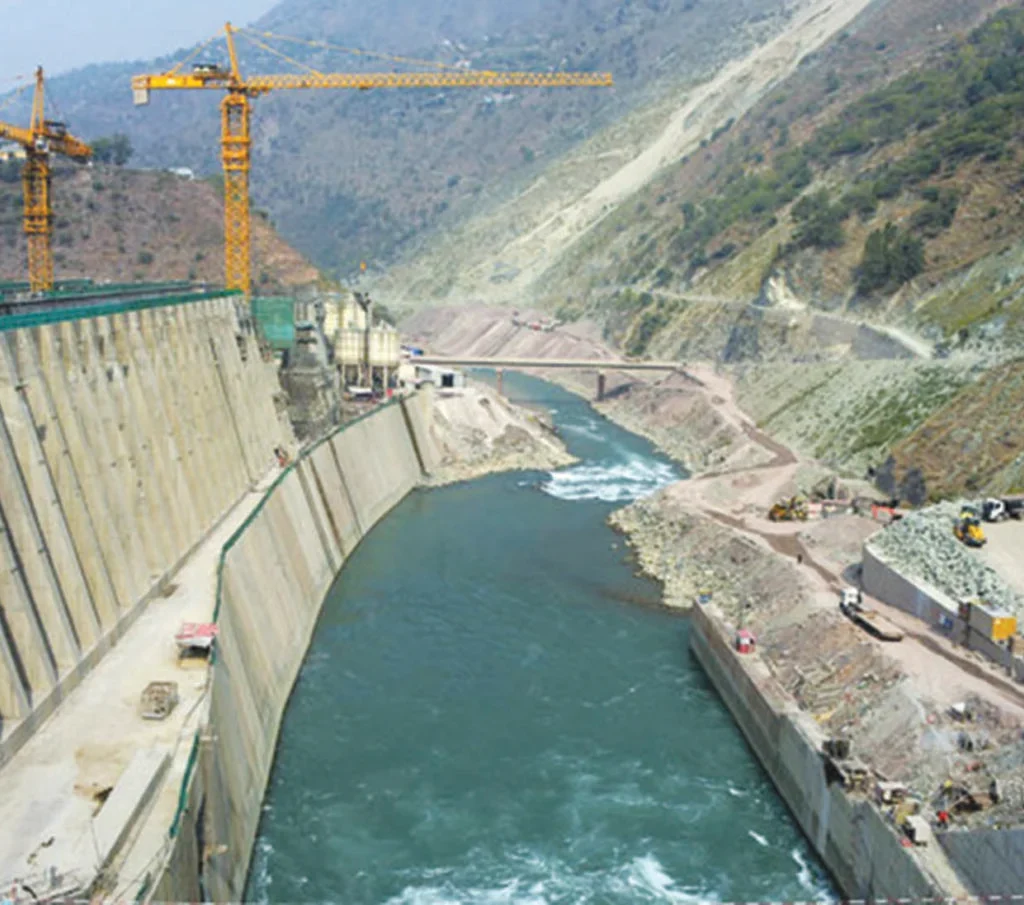
From ancient rituals to Operation Popeye in Vietnam, weather has long been weaponized. Today, Pakistan holds India responsible for “weather terrorism” in South Asia. With floods, droughts, and dam control destabilizing Pakistan’s economy and society, Weather terrorism India Pakistan has become a critical form of hybrid warfare demanding global attention.
Peace Through Strength: Shahbaz Sharif at the UNGA
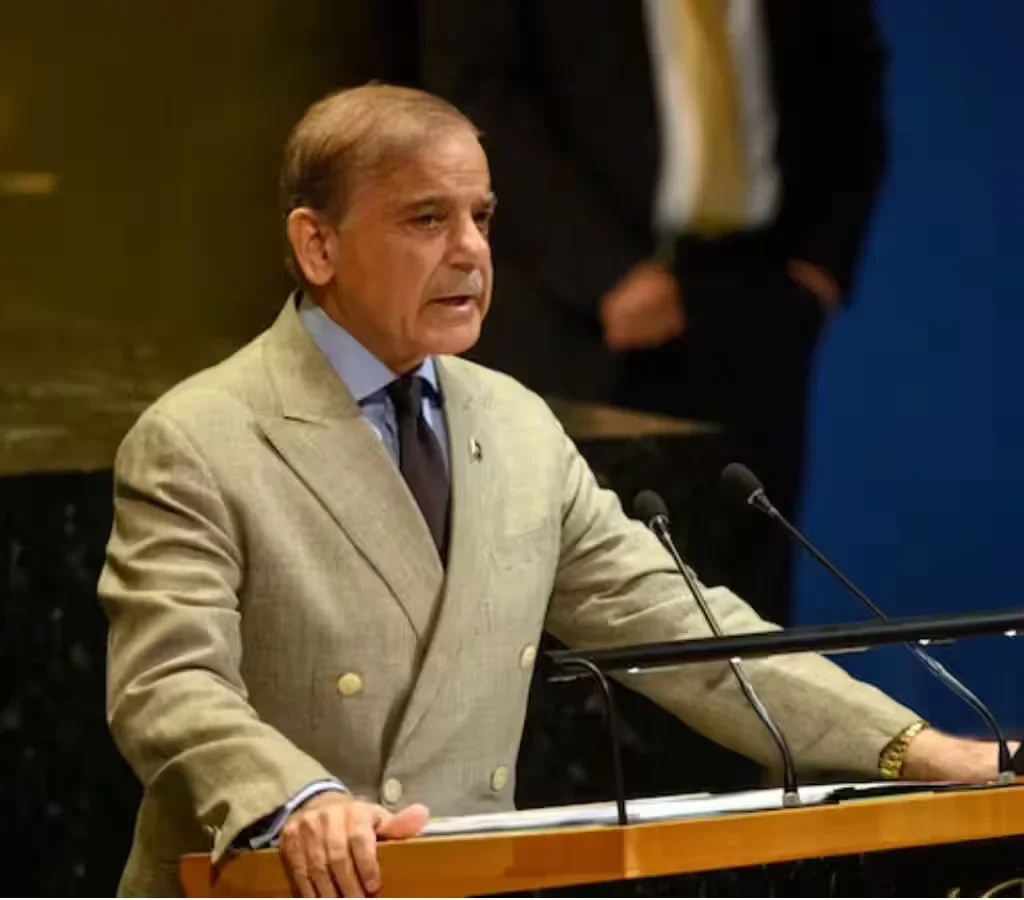
At UNGA 2025, Shahbaz Sharif projected Pakistan’s confidence, framing deterrence, Kashmir, and Palestine within a call for peace and sovereignty.