
After Sheikh Hasina’s Exit, Can India Rebuild Its Strategic Ties with Bangladesh by Pushing Dhaka Towards the Quad?
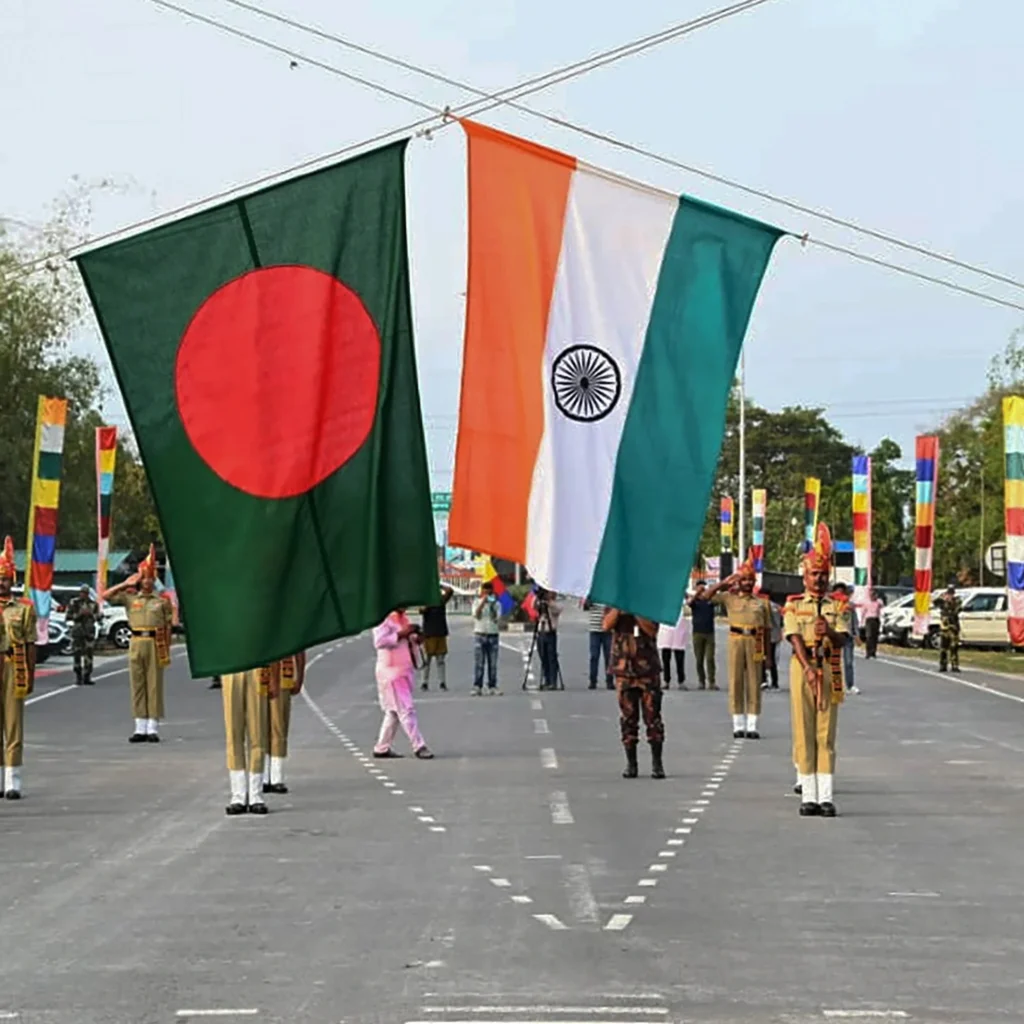
Sheikh Hasina’s resignation ended India’s golden era of ties with Bangladesh, leaving New Delhi scrambling to counter China’s growing influence. Can Quad engagement offer India a path to rebuild trust and secure the Bay of Bengal?
Between Security and Privacy: Contextualizing Amnesty’s Claims on Pakistan’s Surveillance

Amnesty International’s Shadows of Control paints a bleak picture of Pakistan’s digital surveillance. Yet by sidelining the country’s acute security challenges, dismissing existing legal safeguards, and overlooking its own credibility issues, the report offers a partial and misleading narrative. A more balanced approach requires situating surveillance within Pakistan’s counterterrorism imperatives and recognizing the global double standards at play.
The End of Liberal Internationalism? Trump’s New Realism
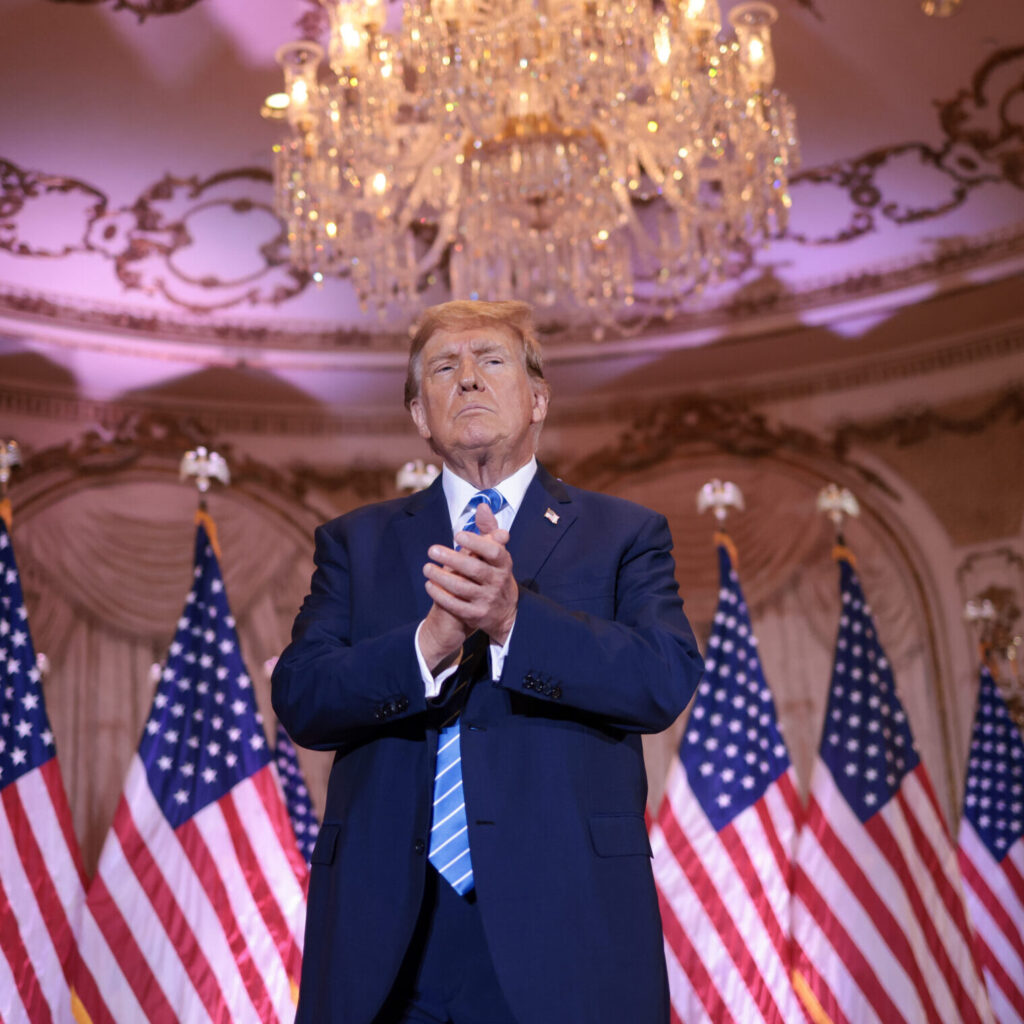
Donald Trump’s address to the UN General Assembly marked a sharp break from America’s seven-decade stewardship of the liberal international order. Rooted in realist principles, his speech rejected multilateralism, attacked the UN’s legitimacy, and reframed alliances as transactional bargains. From immigration and climate policy to NATO and Middle East conflicts, Trump outlined a vision of unilateral power and national sovereignty that directly challenges the institutional foundations of global governance.
Colonial Legacies of Bombay and Calcutta

Bombay and Calcutta were more than colonial capitals, they embodied imperial urban planning, economic integration, and cultural hybridity. From segregated ‘white’ and ‘black’ towns to thriving ports, industries, and nationalist thought, these cities reveal how British rule reshaped India’s urban life while leaving enduring legacies still visible today.
The Many Faces of Activism: Symbolism, Lawfare, and Separatist Politics

Mahrang Baloch is hailed as a human rights defender, yet her rhetoric, symbolism, and political positioning reveal alignment with separatist objectives. Her activism reflects the dynamics of narrative warfare, where political fronts provide legitimacy to armed insurgencies.
Recognition of Palestinian State: Symbolism or Real Change?
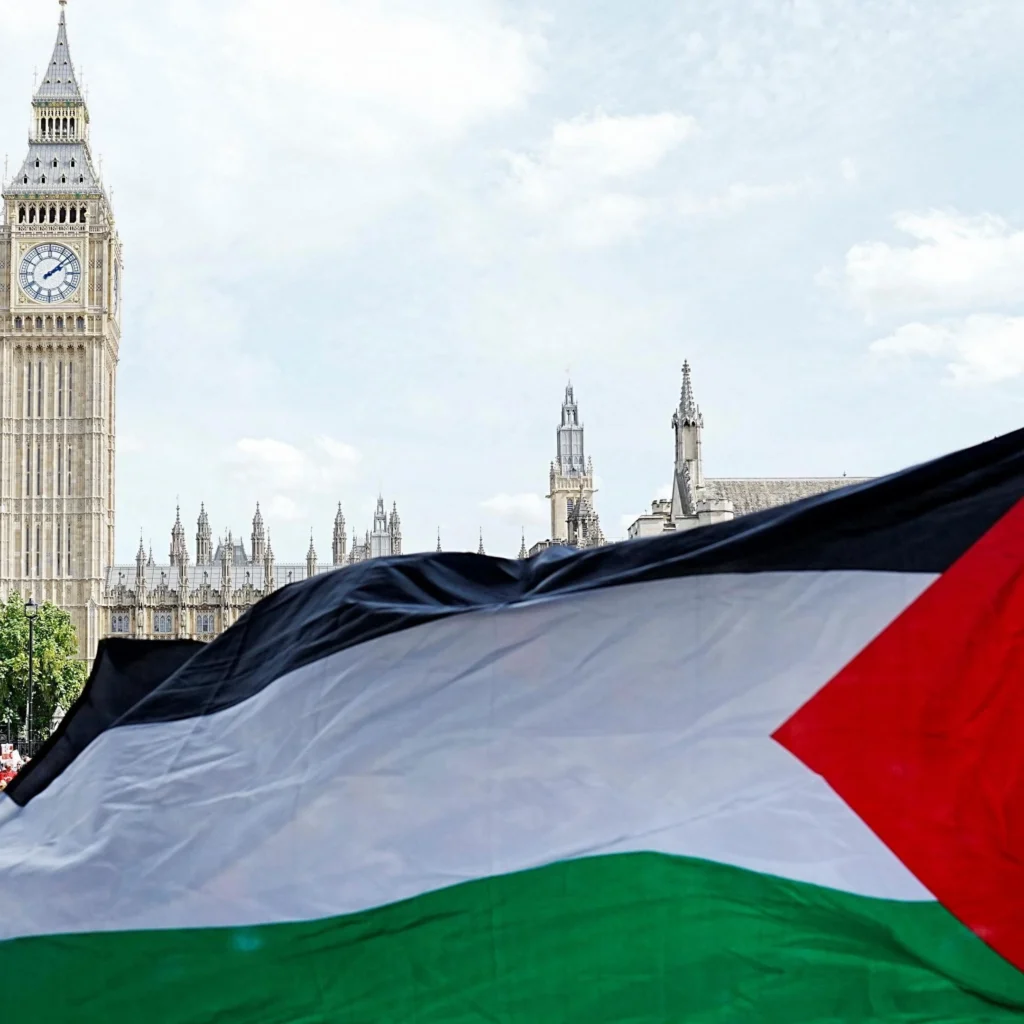
After more than 65,000 deaths and Gaza’s collapse into famine and ruin, the UK, Canada, Australia, and Portugal have formally recognized Palestine. Their move breaks decades of Western policy consensus, signaling a potential turning point in the conflict, but with strict conditions and fierce Israeli opposition, the future remains deeply uncertain.
Pakistan’s Nobel Nomination for Trump: Peacebroker or Polarizing Figure?
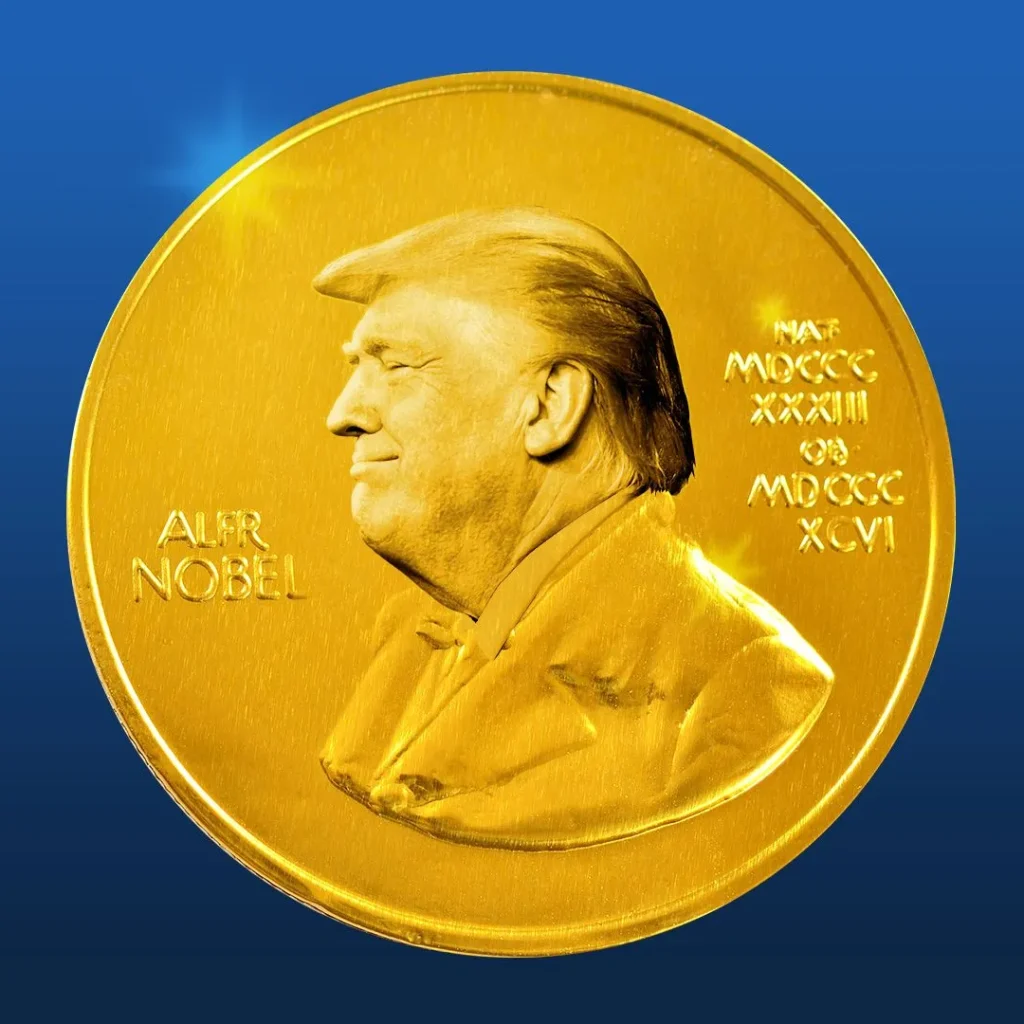
Pakistan’s decision to nominate Donald Trump for the 2026 Nobel Peace Prize highlights his role in brokering ceasefires, but also exposes deep divisions at home and abroad over his aggressive policies and controversial record on global conflicts.
Beyond Words: Why Afghanistan’s Actions on Terrorism Will Define Regional Trust
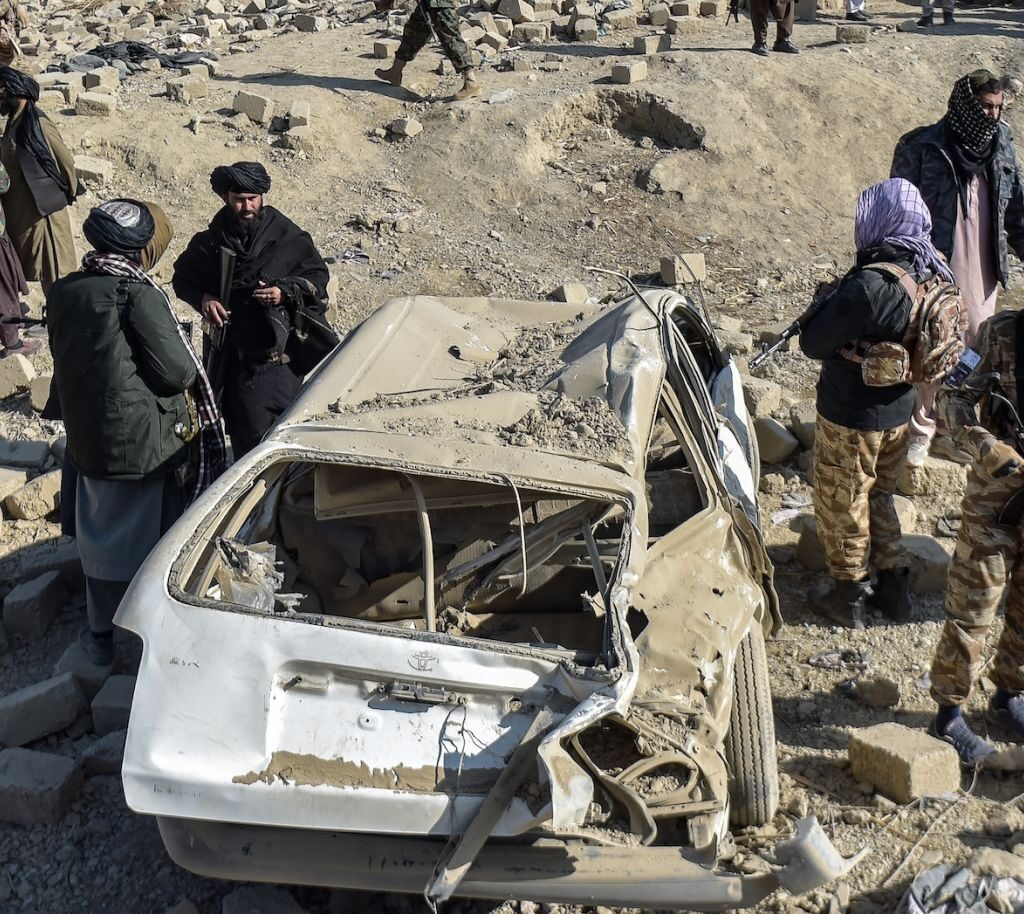
Kabul’s calls for dialogue sound promising, but the continued presence of TTP sanctuaries on Afghan soil fuels deadly instability in Pakistan. Until the Taliban translates words into decisive action against terrorism, any talk of regional trust will remain hollow.
Pakistan’s Defence Modernization: Between Sovereignty and Strategic Synergy
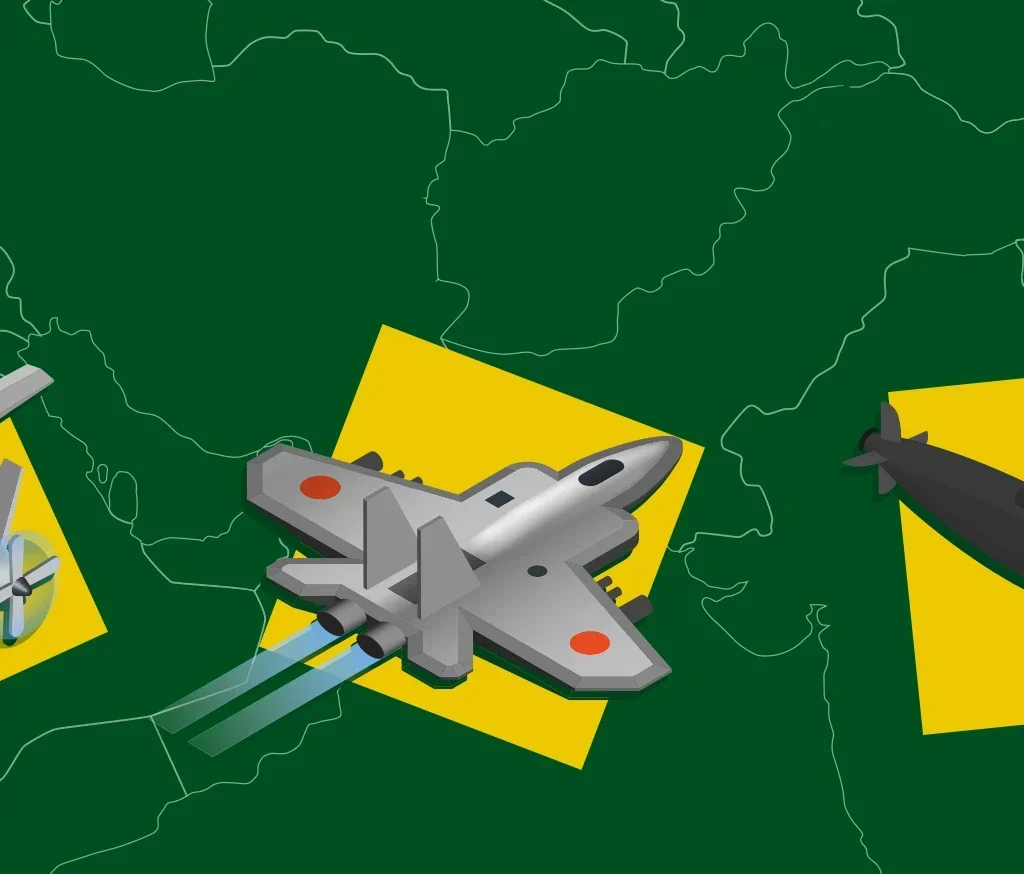
Pakistan’s defence modernization reflects a shift from dependence on foreign suppliers to indigenous innovation, marked by platforms like the JF-17 Thunder, Al-Khalid tank, and indigenous UAVs. While partnerships with China and Turkey remain vital, the future hinges on balancing sovereignty, economic constraints, and strategic sustainability. The challenge is not only to build power but to wield it wisely.