
Trump’s H1B Policy: Consequences for India
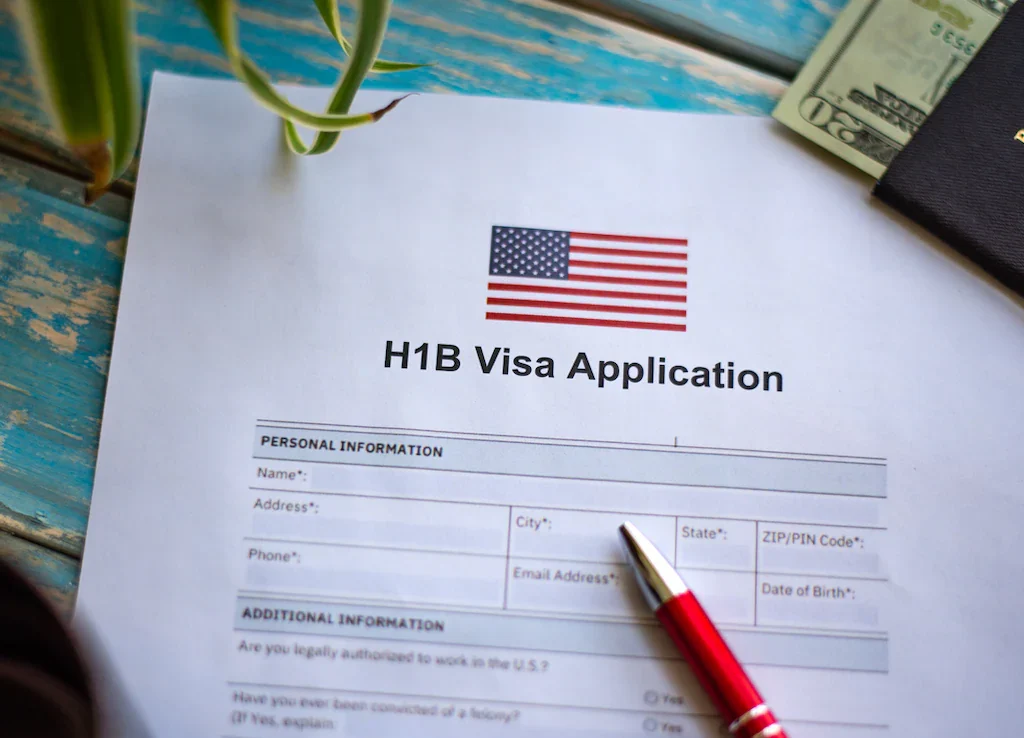
A new Trump executive order imposing a $100,000 annual fee on H1B visas marks more than a shift in U.S. immigration policy, it is a geopolitical act with lasting consequences. While American firms may adapt, India faces structural damage.
Bagram: The Empire’s Airfield
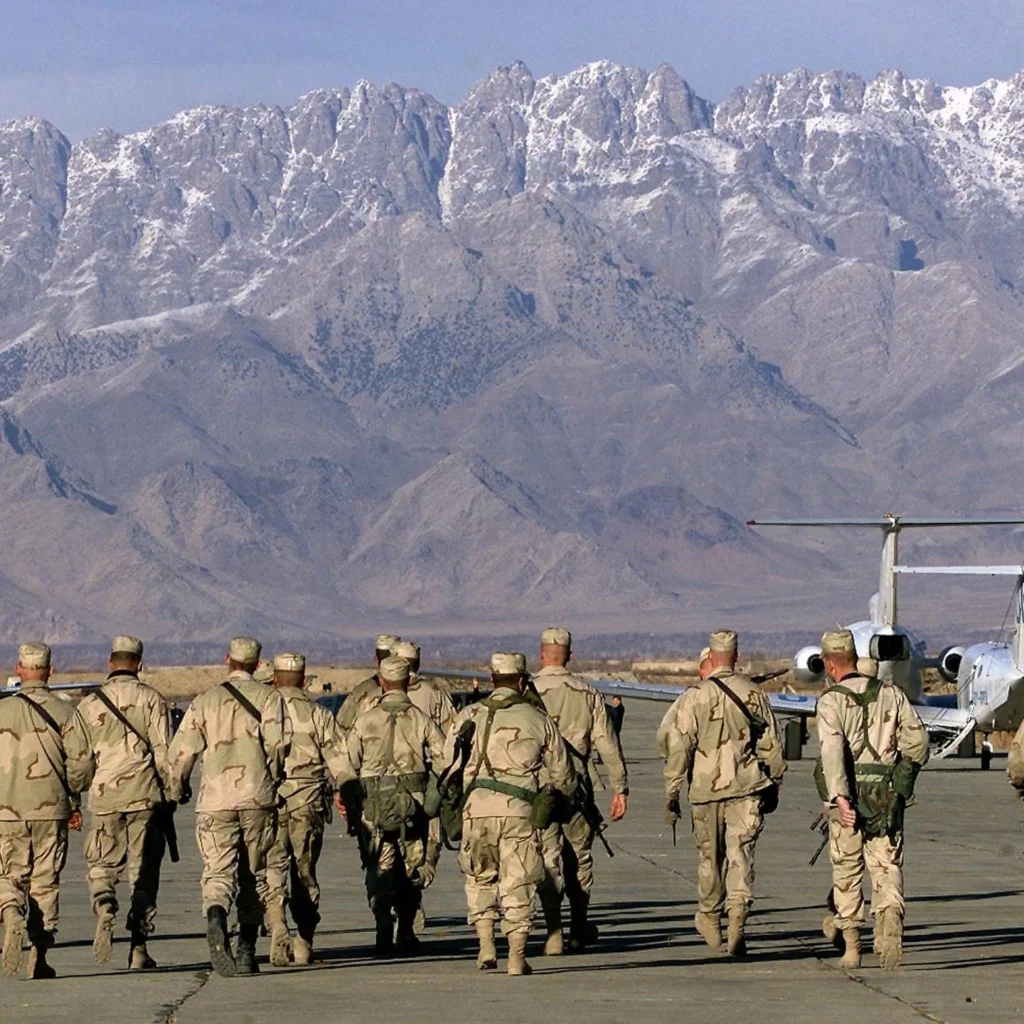
Bagram Airbase was the nerve center of America’s two-decade war in Afghanistan and a unique strategic vantage point at the crossroads of South, Central, and West Asia. Its loss created a void in US power projection that over-the-horizon operations cannot fill.
Israel’s War Without Borders

On September 9, 2025, Israel struck Doha during Hamas–U.S. ceasefire talks, killing Hamas operatives and a Qatari officer. The attack, codenamed “Fire Summit,” exposed Israel’s regional ambitions, jeopardized Qatar’s role as a mediator, and raised suspicions of U.S. complicity.
Institutionalizing Collective Defense: Pakistan, Saudi Arabia, and the Region’s Future

The Pakistan-Saudi Strategic Mutual Defense Agreement marks a historic shift from informal cooperation to a binding security alliance. Anchored in collective defense and deterrence, the pact reshapes Gulf security, challenges reliance on Western guarantees, and positions Islamabad as a formal net security provider in the region.
Framing the Enemy: Modi, Bollywood and the Battle of Narratives
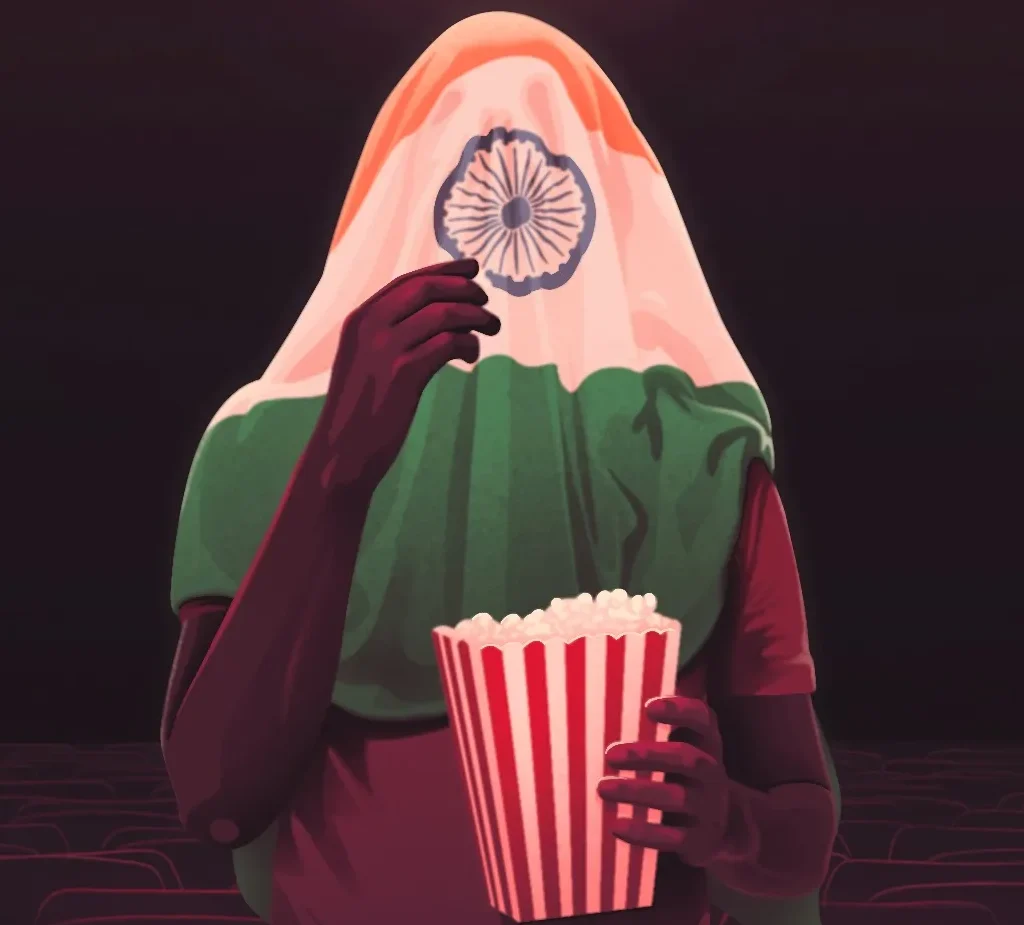
Bollywood has become a powerful weapon in India’s information warfare, reshaping narratives on Pakistan, Kashmir, and Islam through propaganda-driven blockbusters. Under Modi’s BJP, cinema is being used to rewrite history, fuel nationalism, and normalize Islamophobia, raising serious concerns for regional peace and stability.
Cloud Burst and Calamities: Exploring Pakistan’s New Environmental Reality
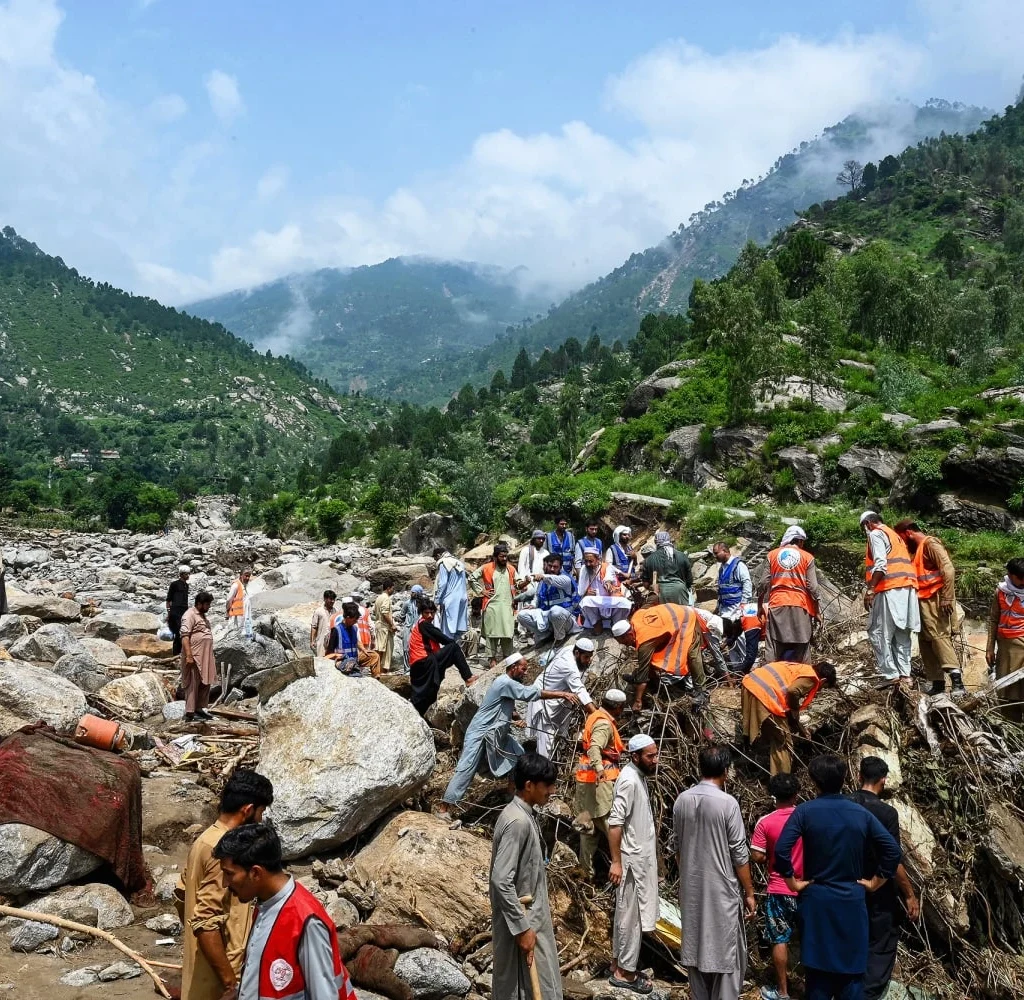
Pakistan is facing a new environmental reality where floods, glacier melts, and devastating cloudbursts are no longer rare but routine. Despite contributing less than 1% of global emissions, the country bears the brunt of climate change, with fragile infrastructure and limited resources leaving millions vulnerable to recurring disasters.
The Illusion of the Street: Why Uprisings Rarely Deliver Real Change
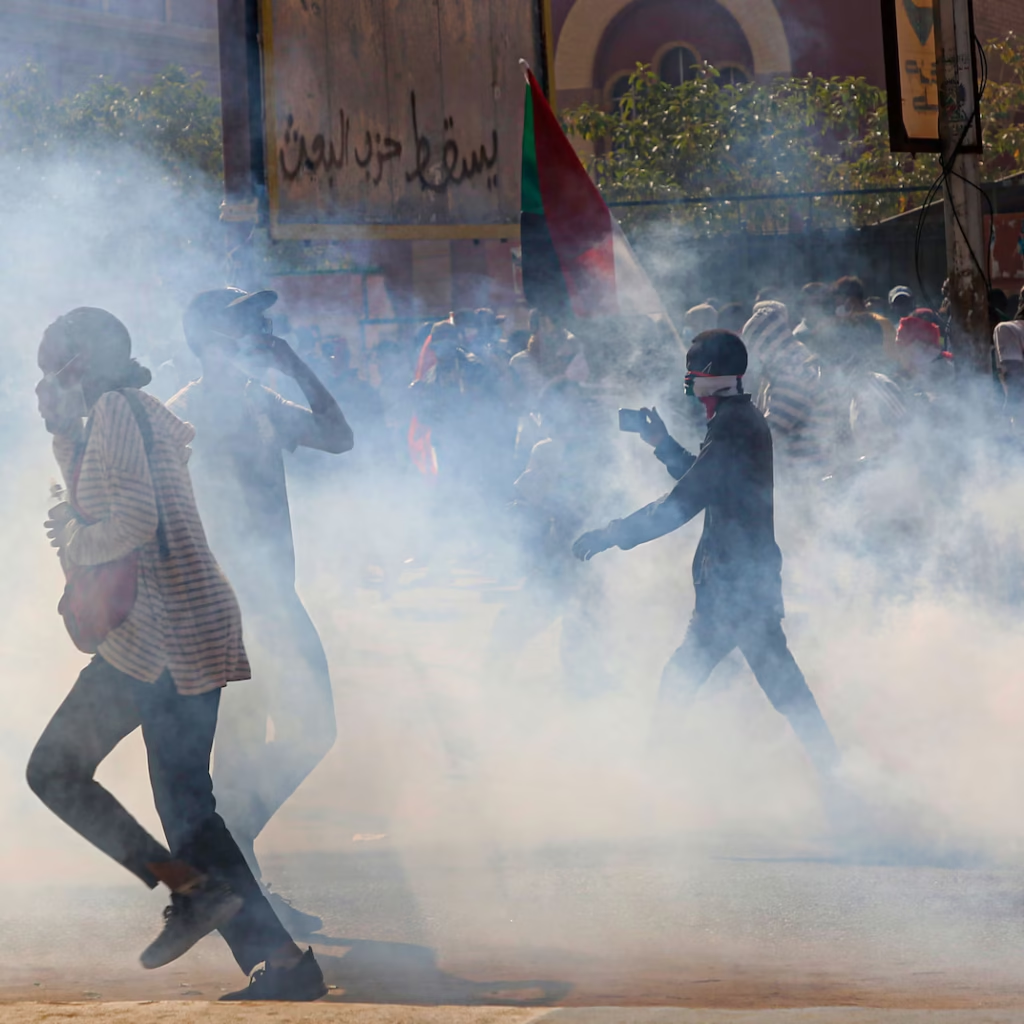
From the Arab Spring to Sri Lanka’s Aragalaya, street revolutions have ignited extraordinary hope, toppling entrenched rulers and inspiring global headlines. But history shows a harsher truth: these uprisings rarely deliver the transformation they promise. Once the euphoria fades, fractured coalitions give way to elite capture, military takeovers, or outright collapse. Without resilient institutions, the energy of the streets is easily co-opted, leaving ordinary citizens facing the same injustices under new faces.
Multilateralism in Crisis: Pakistan’s Call for Collective Islamic Security
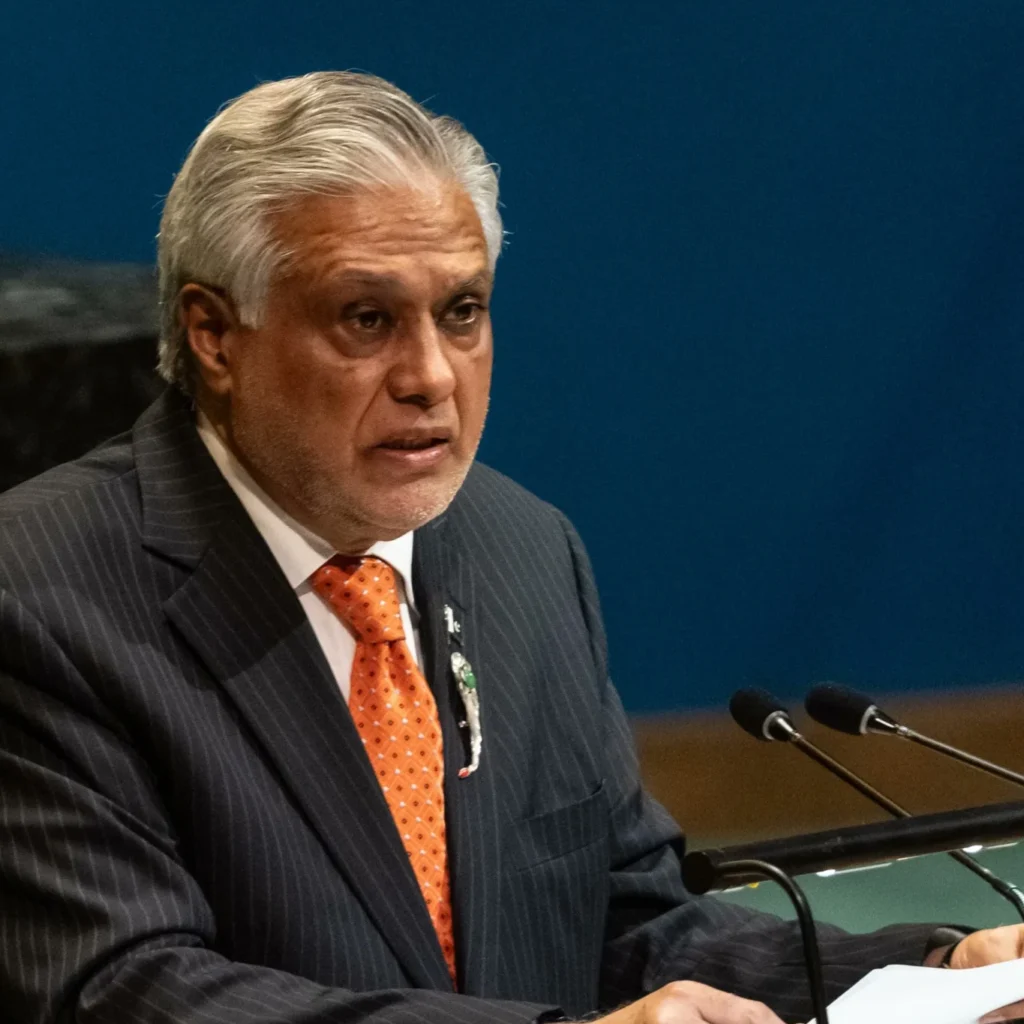
In an interview with Al Jazeera, Pakistan’s Deputy PM Ishaq Dar declared the UN system broken and urged the Muslim world to move from words to action. He called for an Islamic security roadmap, highlighted Pakistan’s nuclear deterrence, and issued red lines on India and Afghanistan.
The Unholy War: Religious Consensus Against Insurgency in Pakistan
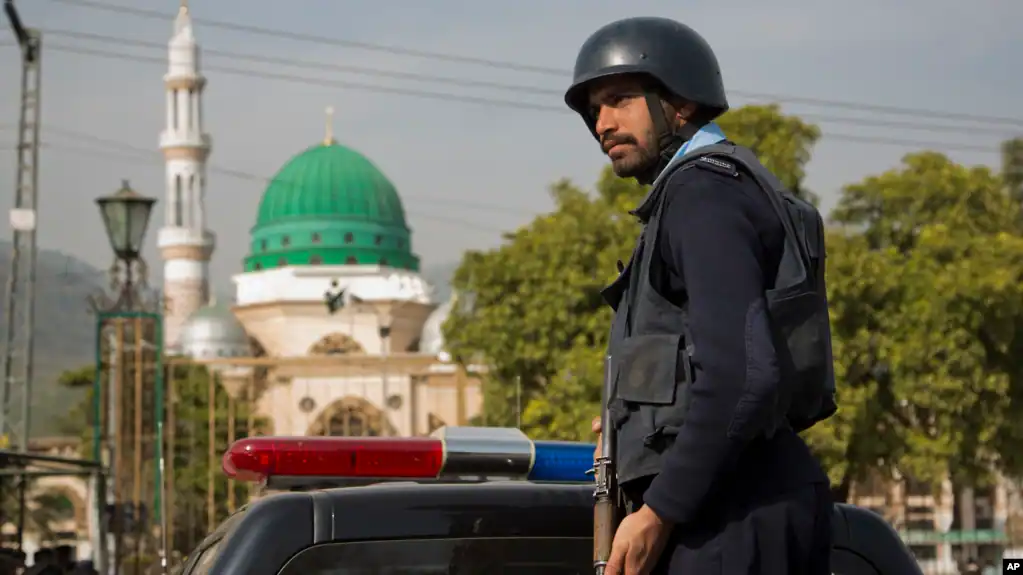
For two decades, Pakistan has endured TTP-led violence. Now, a rare consensus among Deobandi, Barelvi, and Ahl-e-Hadith scholars delegitimizes the insurgency and redefines jihad versus rebellion.