Economic Claims of the Afghan Taliban and Ground Realities
Five years on, the Taliban present an Afghanistan on the road to self-sufficiency: 330 “self-sufficient” products, 6,500 factories and $2.389 billion in deals. Almost none of it can be checked, and the data that can be checked tell a different story.
Executive Summary
- On 2 August 2026, the Taliban announced more than AFN 10 billion invested in mining, 350 mining projects, 174 new industrial companies and $13.9 billion in trade. No budget, contract registry or audit accompanies the figures.
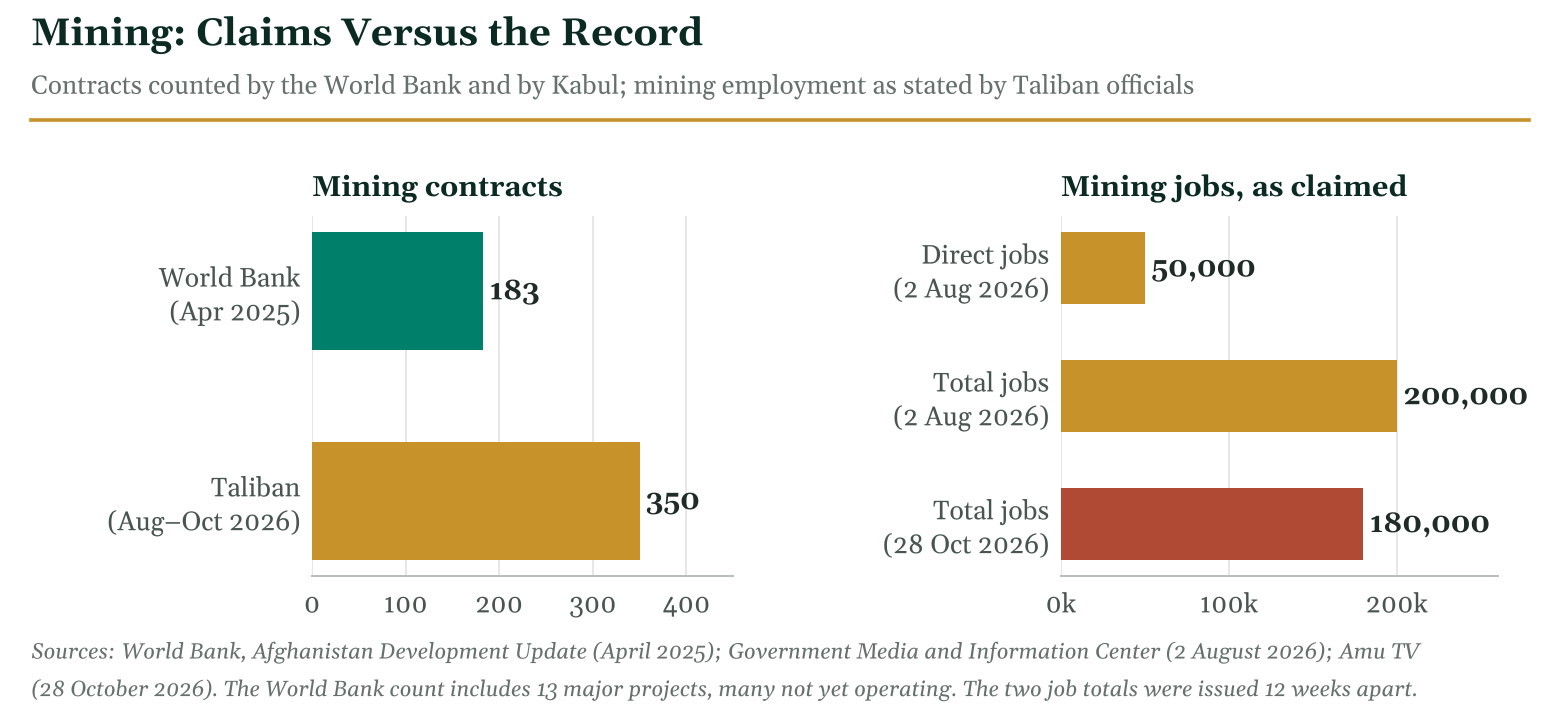
- Official numbers contradict one another: mining jobs fell from 200,000 to 180,000 in 12 weeks, while industrial jobs rose from 135,000 to 450,000 in a year. The World Bank counts 183 mining contracts against Kabul’s 350.
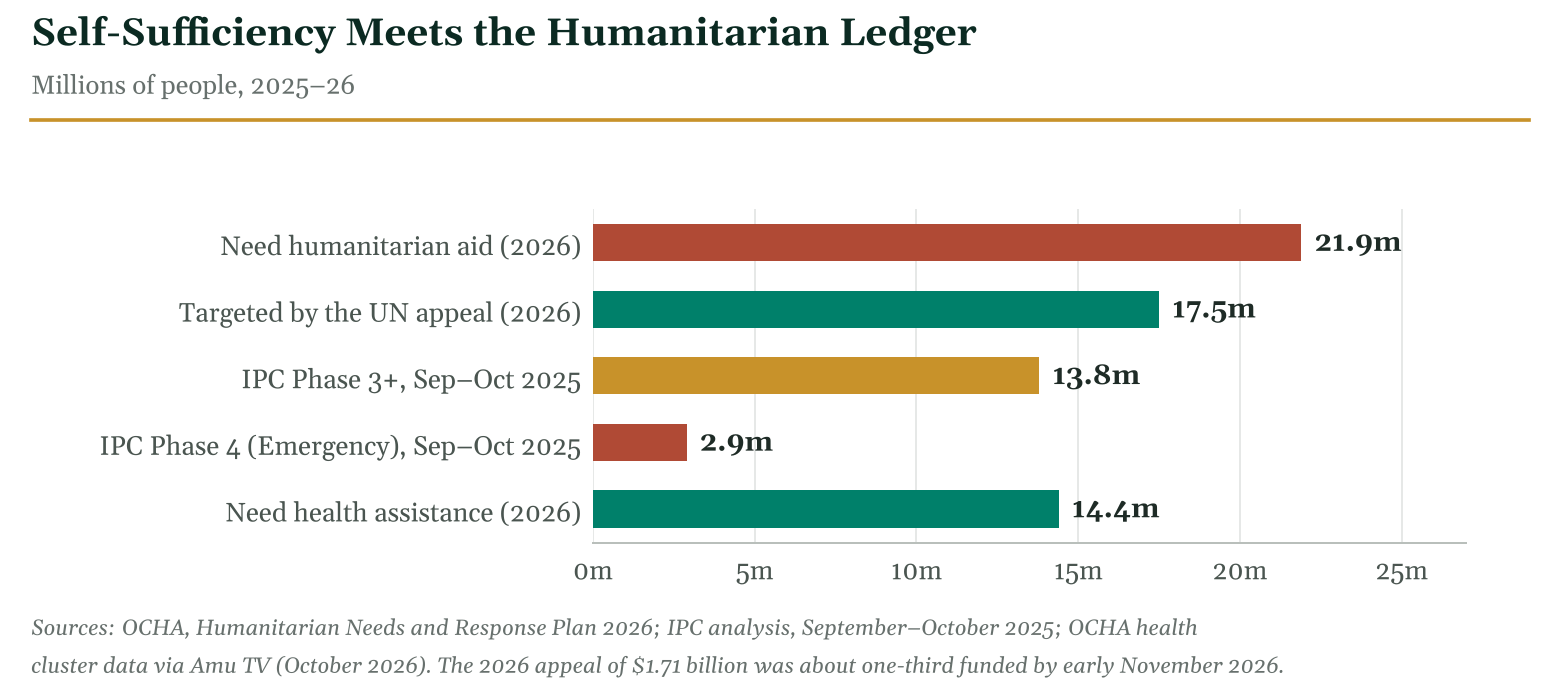
- Part of the “self-sufficiency” is forced substitution after Pakistan closed its crossings and Kabul banned Pakistani medicines. Meanwhile, 74 percent of Afghans cannot meet basic needs and 21.9 million need humanitarian aid.
Introduction
After taking power in August 2021, the Taliban made self-sufficiency the centre of their economic policy, arguing that Afghanistan’s minerals, farmland and trade routes can pay for the state. In this brief, Saifullah Khalid tests those claims, sector by sector, against evidence from the World Bank, the United Nations (UN) agencies, satellite imagery and independent reporting. Some activity is real. The central finding is that the claims describe inputs (contracts signed, land allocated, exemptions granted) rather than outputs, and that the evidence of better lives is missing.
What does Kabul claim?
The Government Media and Information Center’s “Economy and Self-Sufficiency Week” release of 2 August 2026 listed more than AFN 10 billion invested in mining, 350 mining projects, 50,000 direct and 200,000 total mining jobs, 174 new industrial companies, 150 agreements worth $2.389 billion, and $13.901 billion in trade. None of the figures comes with contracts, accounts or a published budget; the last fully disclosed budget covered December 2021 to March 2022.
Do the mining figures add up?
In April 2025, the World Bank recorded 183 mining contracts, including 13 major projects, many not yet operating. On 28 October 2026, the Minister of Mines and Petroleum said nearly 350 contracts were active and that 180,000 people worked in mining, down from the 200,000 claimed in August. Mes Aynak, awarded to a Chinese firm in 2008 with production promised within five years, has still produced no copper ore, according to satellite imagery analysed for Tearline.
Is Afghanistan becoming self-sufficient in goods?
Official counts of “self-sufficient” products rose from 130–138 in mid-2025 to 330 in August 2026, with no product-level data. Industrial employment claims rose from 135,000 to 450,000 in a year. Only 11 of Afghanistan’s 34 industrial parks are fully operational. In medicines, the domestic share rose after Kabul banned Pakistani imports in February 2026, which was followed by shortages and higher prices: substitution, not new capacity.
What do the trade figures show?
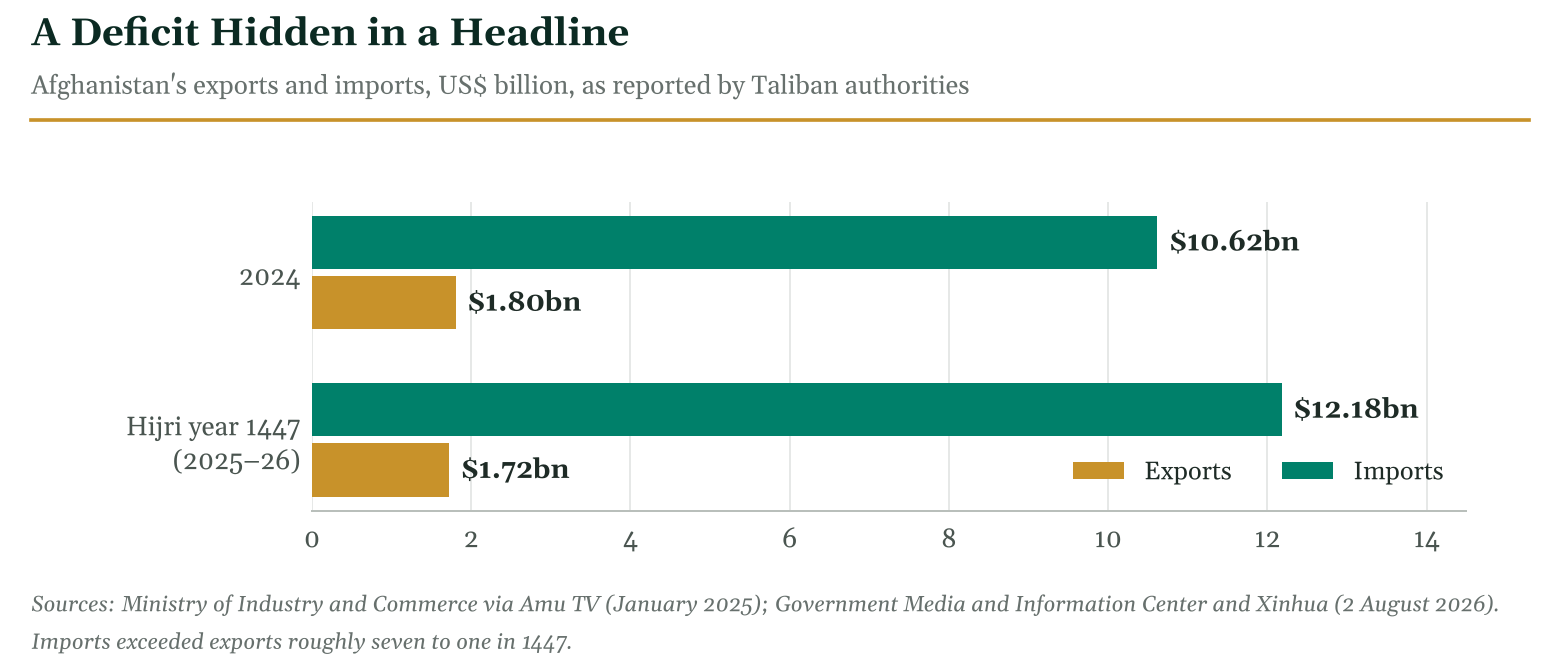
The $13.901 billion headline hides imports of $12.178 billion against exports of $1.722 billion, roughly seven to one. Pakistan closed its crossings on 12 October 2025 and has said it will reopen them once Kabul takes verifiable action against the Tehrik-i-Taliban Pakistan (TTP). Bilateral trade fell 74 percent, to $358 million in 2025–26.
What has happened to living standards?
The UN Development Programme (UNDP) finds that 74 percent of Afghans could not meet basic needs in 2025 and that more than 80 percent of households are in debt. The UN estimates that 21.9 million people need humanitarian aid in 2026. More than 570 health facilities have closed or suspended services since the start of 2025.
What should Pakistan do?
The brief recommends that Pakistan should:
- Make its security conditions for reopening Torkham and Chaman measurable, ideally verified through a mutually acceptable third party.
- Open a monitored humanitarian lane for food and medicines.
- Prepare a transit package for Karachi, Port Qasim and Gwadar to win back Afghan trade once conditions are met.
- Build independent, Pakistani monitoring of Afghanistan’s economy, so that policy rests on data rather than announcements.
- Manage returns in step with Afghanistan’s capacity to absorb them, with the UN Refugee Agency and the International Organization for Migration.
- Press regional partners for disclosure of mining contracts and revenues as a condition of connectivity projects.
Read the Full SAT Brief
Policy Research · 25 Pages · PDF Format
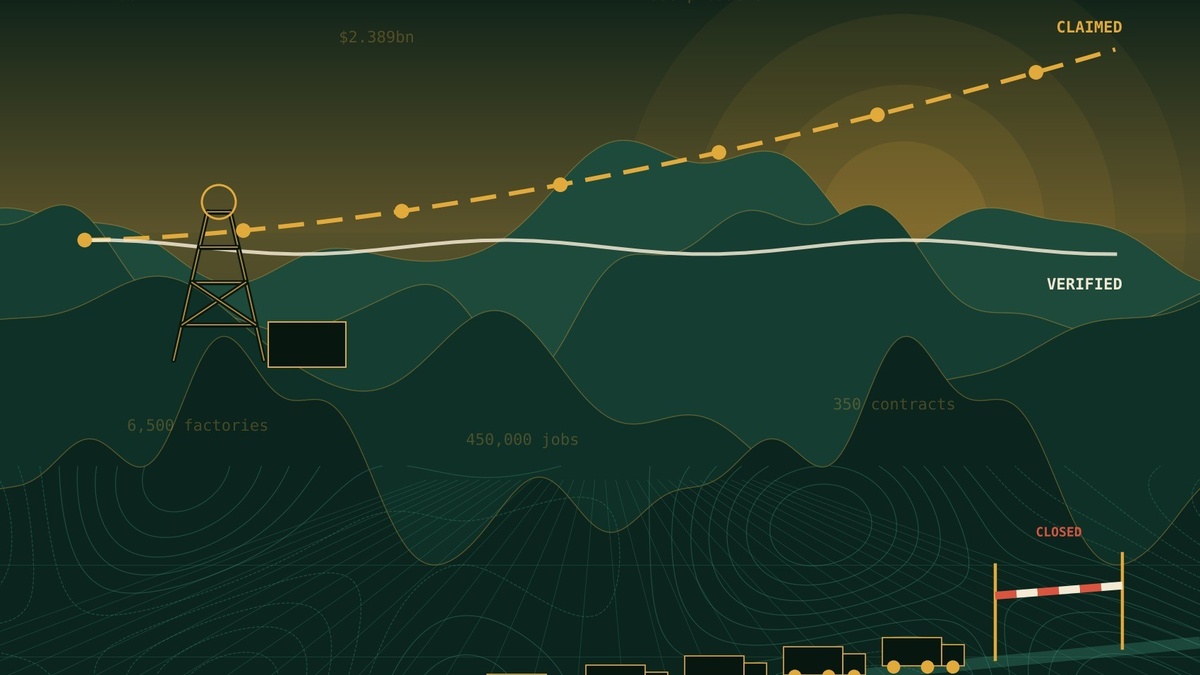
Full 25-page policy brief including sector-by-sector evidence, mining data audits, trade deficit analysis, and actionable policy options for Pakistan.
↗ Open PDF in FullscreenWrite for SAT Briefs
South Asia Times invites researchers, scholars and practitioners to author forthcoming SAT Briefs: rigorous, well-sourced policy research on consequential questions in regional and international affairs. Contributors are paid. Send a working title, a 300-word outline, and a note on your expertise to submission@southasiatimes.org. Terms are discussed after review.
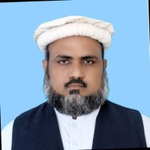
Saifullah Khalid
A senior journalist, editor, security analyst, and columnist with 35 years of experience. Since 2001, he has extensively covered political and strategic developments in Afghanistan and Central Asia since 1991. He has authored 4 books , 2 on Afghanistan. In 1994, he authored a book on Afghanistan titled Main Ne Kabul Jaltay Dekha (I Saw Kabul Burning), and in July 2026, he published his book Taliban Ka Asli Chehra (The Real Face of the Taliban) in Urdu.