The United States is in search of reliable critical mineral supplies for its industry. Pakistan has extensive mineral deposits of rare earth elements, which are essential for modern manufacturing. Pakistan’s mineral exploration industry needs technology, expertise and investment.
US engagement in this sector is taking shape. Last Pakistan’s public organization, Frontier Works Organization (FWO) and American firm Strategic Metals signed an agreement for $500 million in critical minerals investment. Later that year, US Export-Import Bank approved and allocation $1.25 billion in financing for the Reko Diq project. These positive turn of events demonstrated growing economic significance of Pakistan’s mineral sector for American businesses.
In other words, Pakistan offers rich opportunities for American business investment and supply chain diversification. However, these economic opportunities face a serious security challenge. Pakistan’s mineral-rich regions, including Baluchistan and Khyber Pakhtunkhwa, have been witnessing incessant terrorist violence targeting security forces, civilians, infrastructure and economic interests.
This instability is a threat not only to Pakistan’s development plans but also the security of international investments and strategic supply chains.
Pakistan has limited domestic capacity in advanced geological exploration, mining, extraction technologies and this has constrained development of mineral resources. Pakistan, therefore, needs foreign investment, technical expertise and technology partnerships to develop this sector to meaningfully tap its mineral potential.
To bring in investment and technology for the development of these sectors, Pakistan established the Special Investment Facilitation Council (SIFC) in 2023 to streamline regulatory processes and facilitate international partnerships. Through SIFC, Pakistan is actively promoting its mineral wealth to global investors.
At Pakistan Minerals Investment Forum 2025, investors from Saudi Arabia, United Arab Emirates, Qatar, Kuwait, China, United States, Canada, Iran, Türkiye, Azerbaijan, Uzbekistan, Kazakhstan, Turkmenistan, South Africa, Nigeria, Kenya, Morocco, Zambia, Democratic Republic of Congo, Sudan, Czech Republic and Indonesia were invited to explore investment opportunities.
The proxy conflicts in Pakistan directly affect American interests. The US is seeking diversified and reliable sources of critical minerals to support its manufacturing, energy transition, defense and advanced technology industries. Pakistan offers opportunities to develop new sources of strategically important minerals.
However, these opportunities cannot be realized without a secure environment for exploration, extraction, processing and transportation.
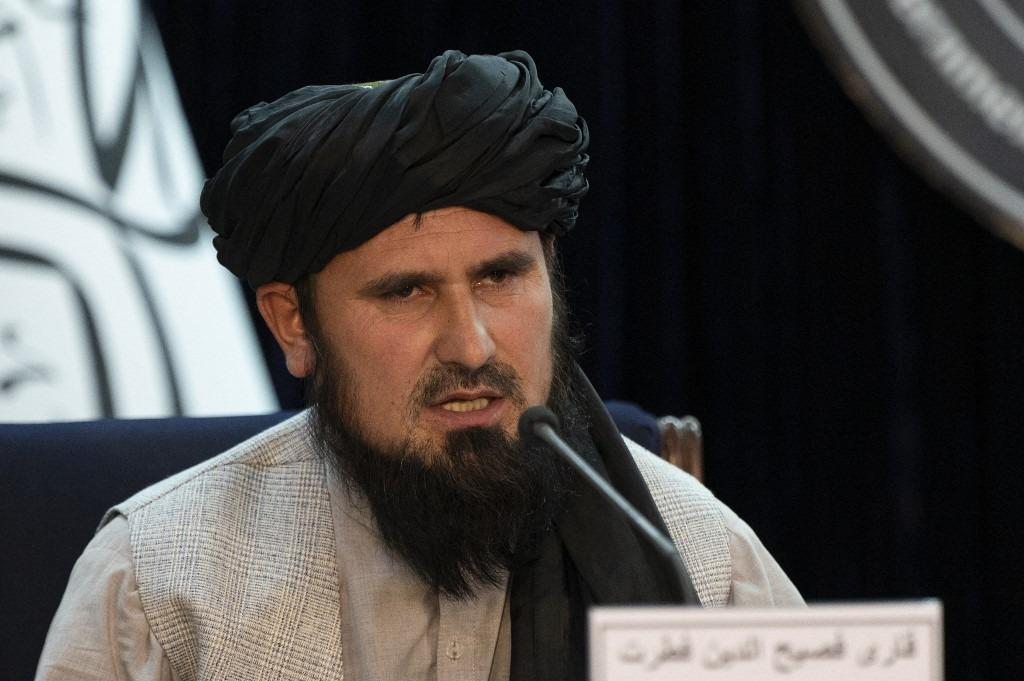
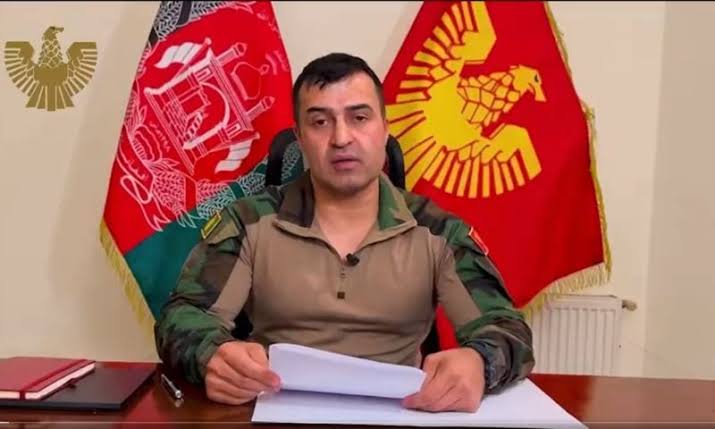
Terrorism and militancy in Khyber Pakhtunkhwa and Baluchistan directly targeting the mining activity, transport routes and infrastructure. Pakistan accuses India of waging a proxy war through using Afghanistan as a base of operation. It asserts that foreign supported terrorism is aimed at destabilizing the country and weakening its economy.
Pakistani strategic experts also believe that India aims to keep China out of South Asia by threatening its investments in Pakistan. However, experts maintain that China is already well entrenched economically in Pakistan and has supported the country to safeguard its investments.
However, the US is the real loser in this proxy game. It is the US which is exploring new sources of minerals in various parts of the world. And in the current uncertain security situation the US companies will be reluctant to make long term investment in Pakistan.
Apart from threats to the mining industry, the rising violence in Pakistan has other geopolitical implications for US foreign policy. In the prevailing situation, the US cannot access landlocked Central Asian Republics as well for which it needs routes through Pakistan. The Central Asian States will remain in Russian economic orbit if they cannot use land access to Arabian Sea through Afghanistan and Pakistan. The continued instability in Pakistan will undermine US efforts to establish an economic foothold in the region.
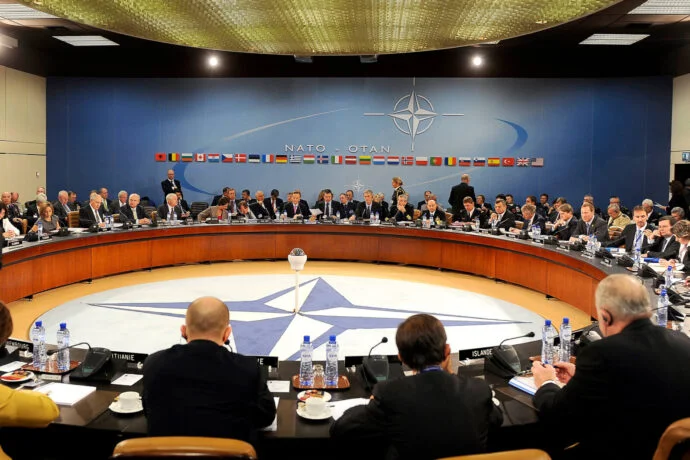
Recently Pakistan’s concerns about cross-border terrorism received attention in Washington. On 31 October 2026, US Secretary of State Marco Rubio acknowledged Pakistan’s concerns regarding terrorist attacks originating from Afghan territory. He stated that Washington was aware of attacks and did not want Pakistan to be targeted. He also indicated that the United States was willing to play a productive role in addressing the issue. Washington should move beyond diplomatic expression of concern and do something practical to stabilize the regional security situation

Your go-to editorial hub for policy perspectives and informed analysis on pressing regional and global issues.