
Assessing the Escalation of Anti-Taliban Resistance in Afghanistan
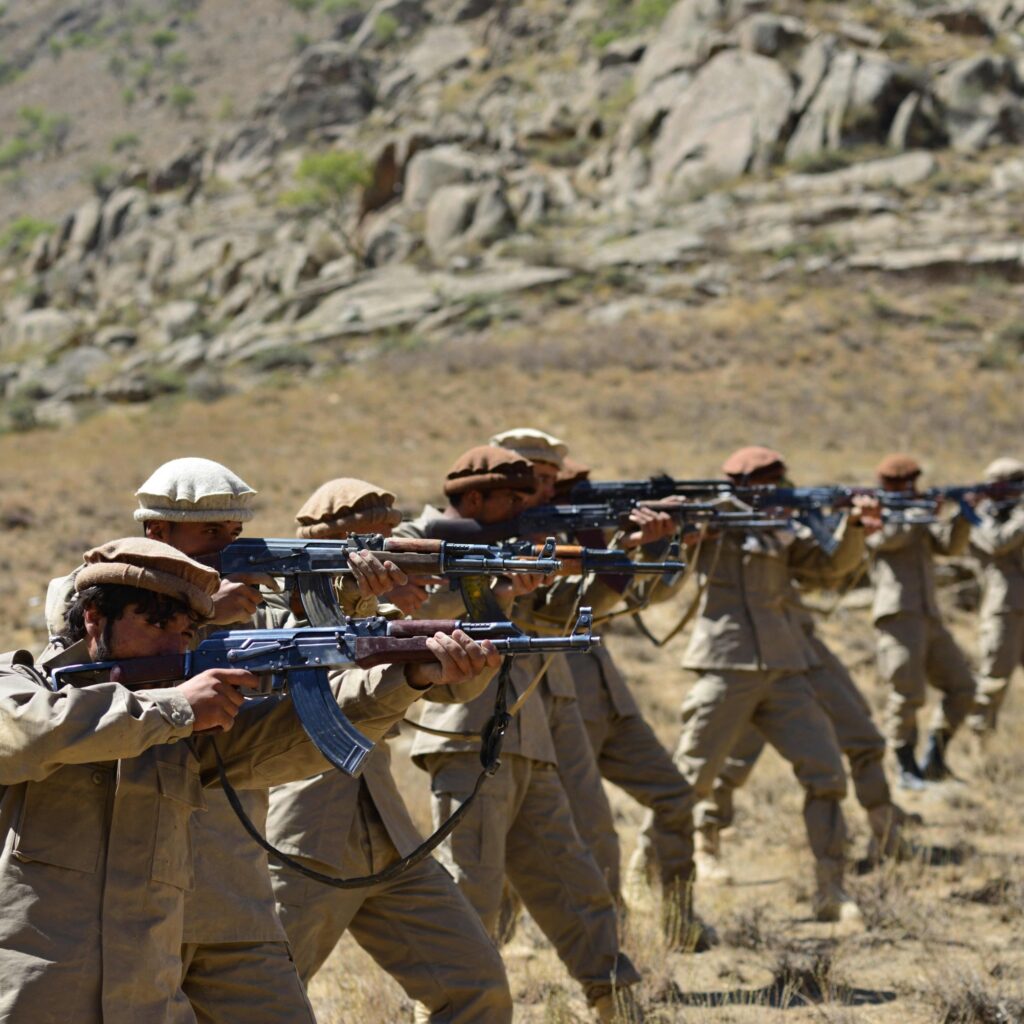
Recent operations by NRF and AFF target Taliban bases and urban centers, signaling a growing insurgency and weakening regime control.
Narrative Management and the ISKP–TTP Ecosystem
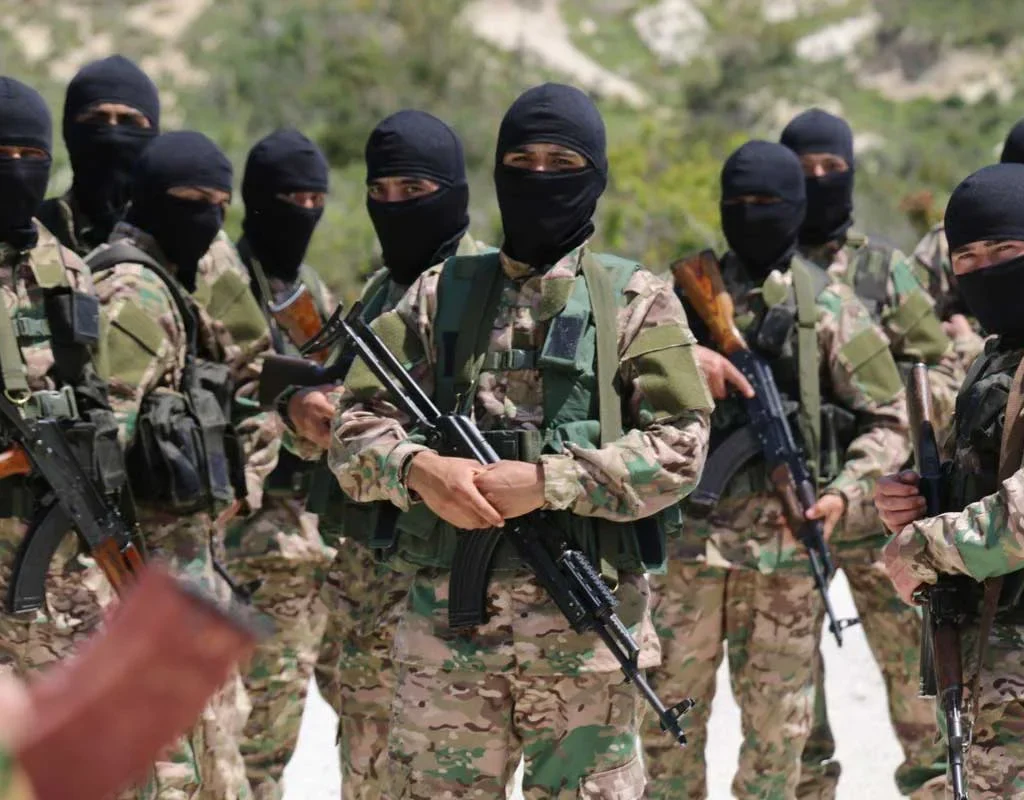
The assassination of Maulana Sultan reveals how ISKP and TTP deploy narrative coordination, delayed claims, and interchangeable branding to obscure accountability and sustain regional instability from Afghan soil.
When Insurgents Become Governments: From Rebellion to Rule
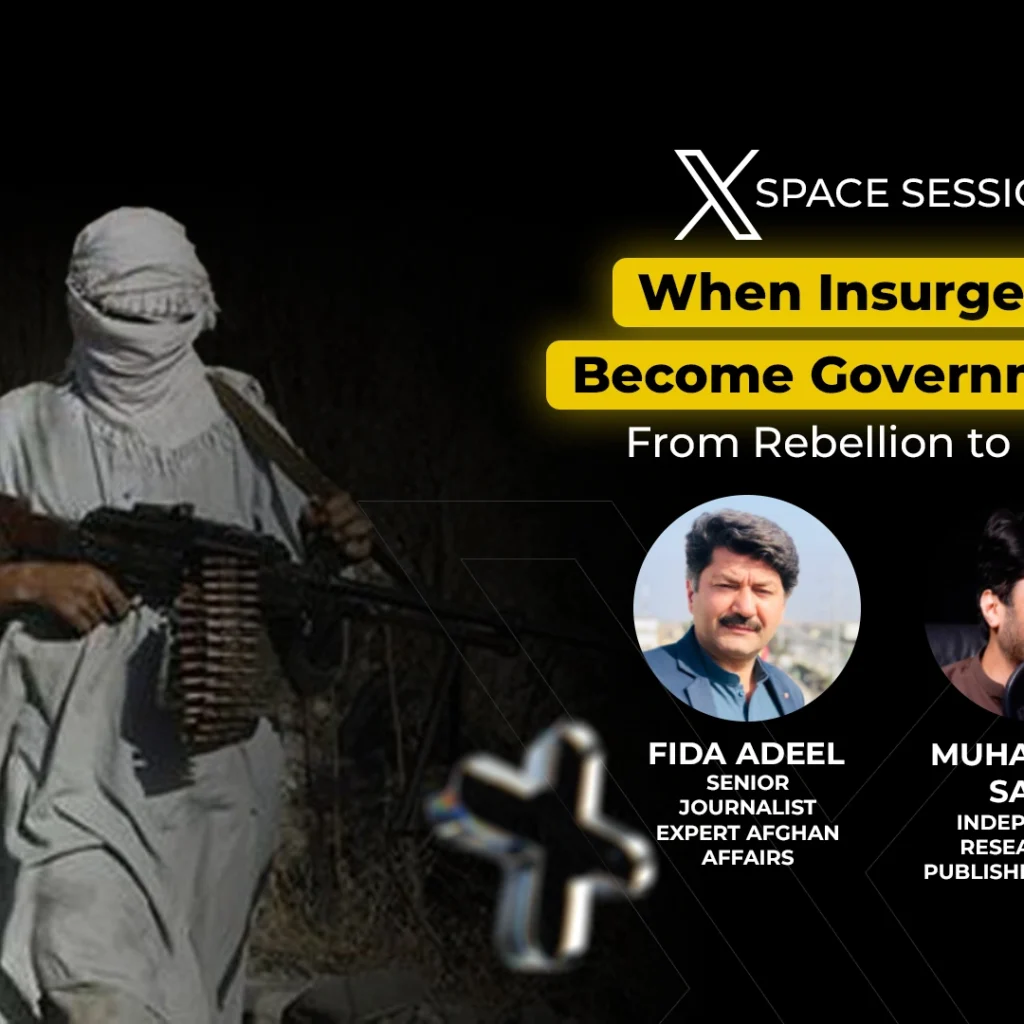
This SAT X Space explored how insurgent groups shift from rebellion to rule, comparing the Taliban’s rigid governance in Afghanistan with Syria’s fragmented but evolving post-insurgent landscape, and assessing regional security implications.
Extractive Rule and Ethnic Fault Lines in Afghanistan
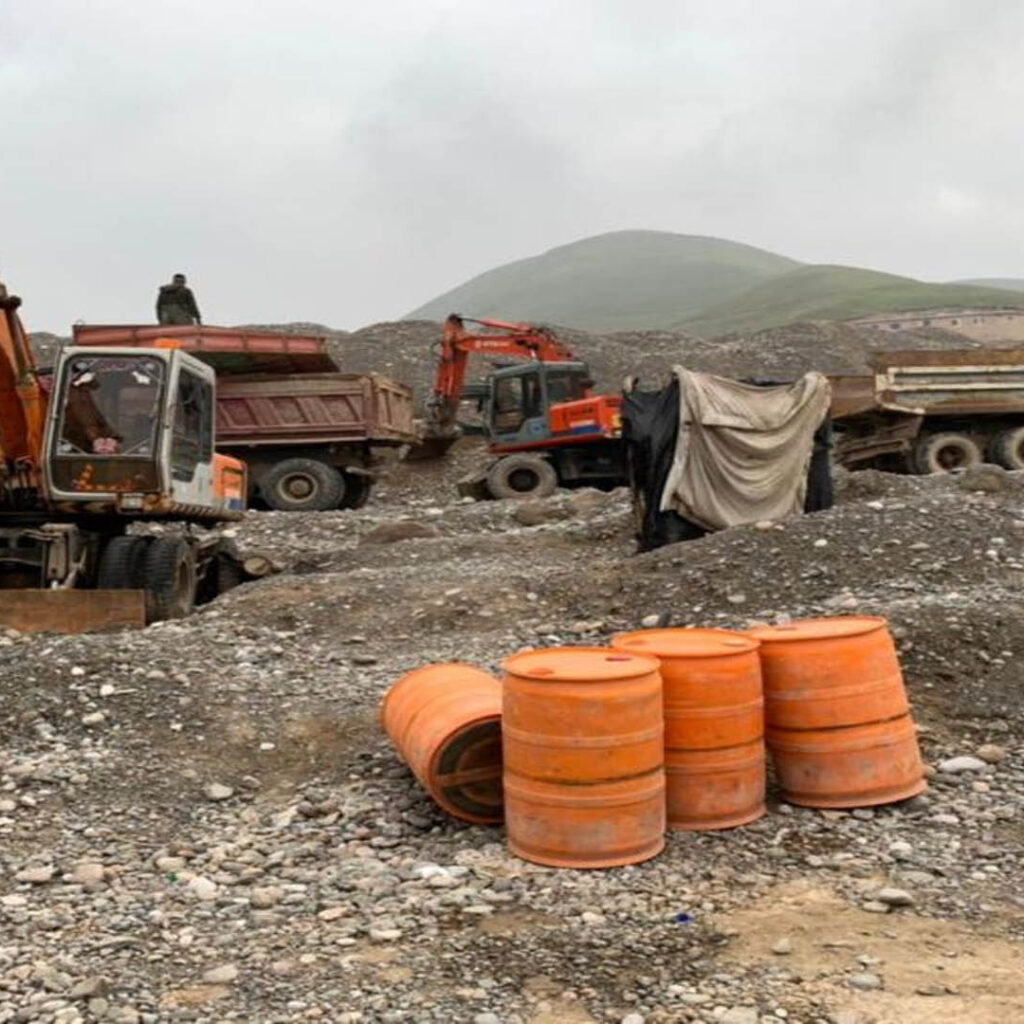
The halt of gold mining in Badakhshan reveals deeper fault lines in Taliban rule, where centralized extractive ambitions collide with ethnic grievances, local resistance, and fragile investor confidence, particularly involving China.
The Revival of Ethnic Engineering in Northern Afghanistan

The reported TTP attack in Takhar is not an isolated security incident but part of a deeper historical pattern of ethnic engineering in northern Afghanistan. Tracing its roots to 19th-century state-building policies, the article examines how militant proxies, demographic displacement, and settler strategies are once again reshaping Tajik-majority regions under Taliban rule.
A Fugitive Insurgency
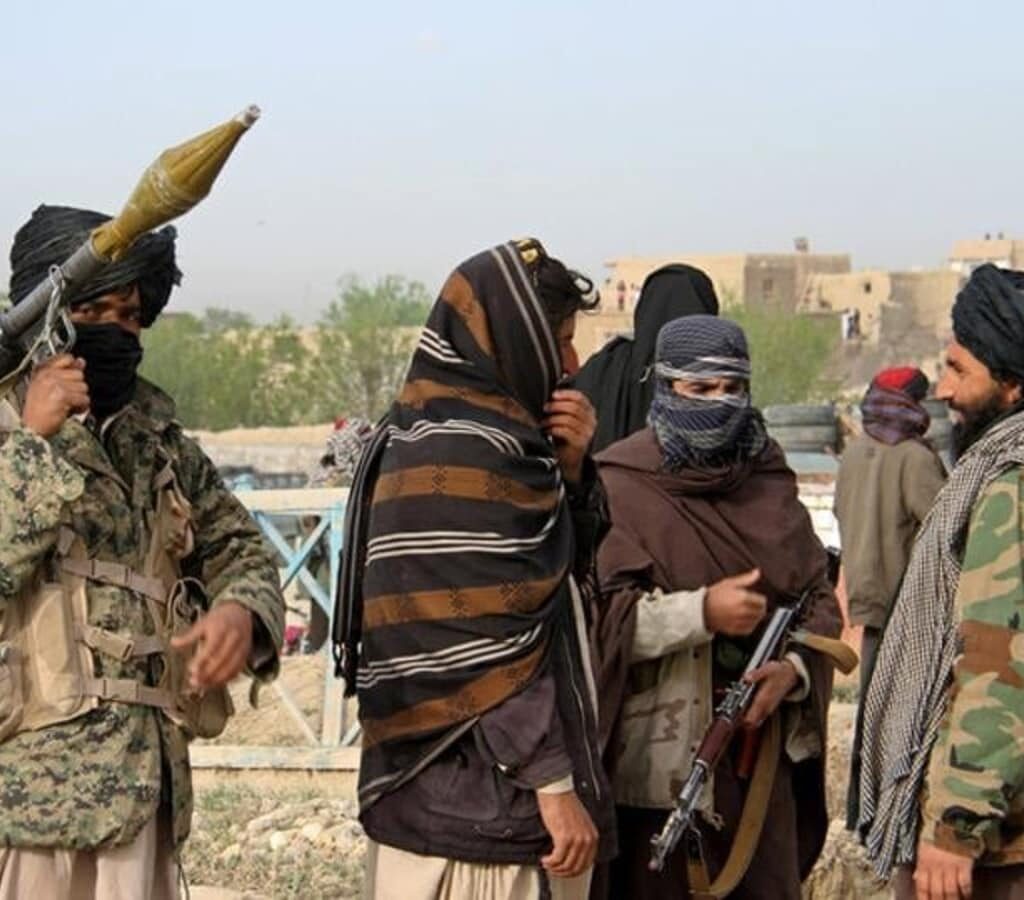
The TTP’s 2025 report projects an image of renewed strength and nationwide reach. In reality, it reflects a border-bound, fugitive insurgency using inflated statistics and psychological warfare to mask sustained pressure from Pakistan’s intelligence-led counter-terrorism campaign and the regional impact of instability in Afghanistan.
The Long Arm of the Taliban and the Fate of Exiles

The killing of General Ikramuddin Saree in Tehran was not an isolated act but part of a broader Taliban strategy to hunt opponents beyond Afghanistan, exposing the fragility of exile as protection.
The Taliban’s Purge of Former Afghan Officials
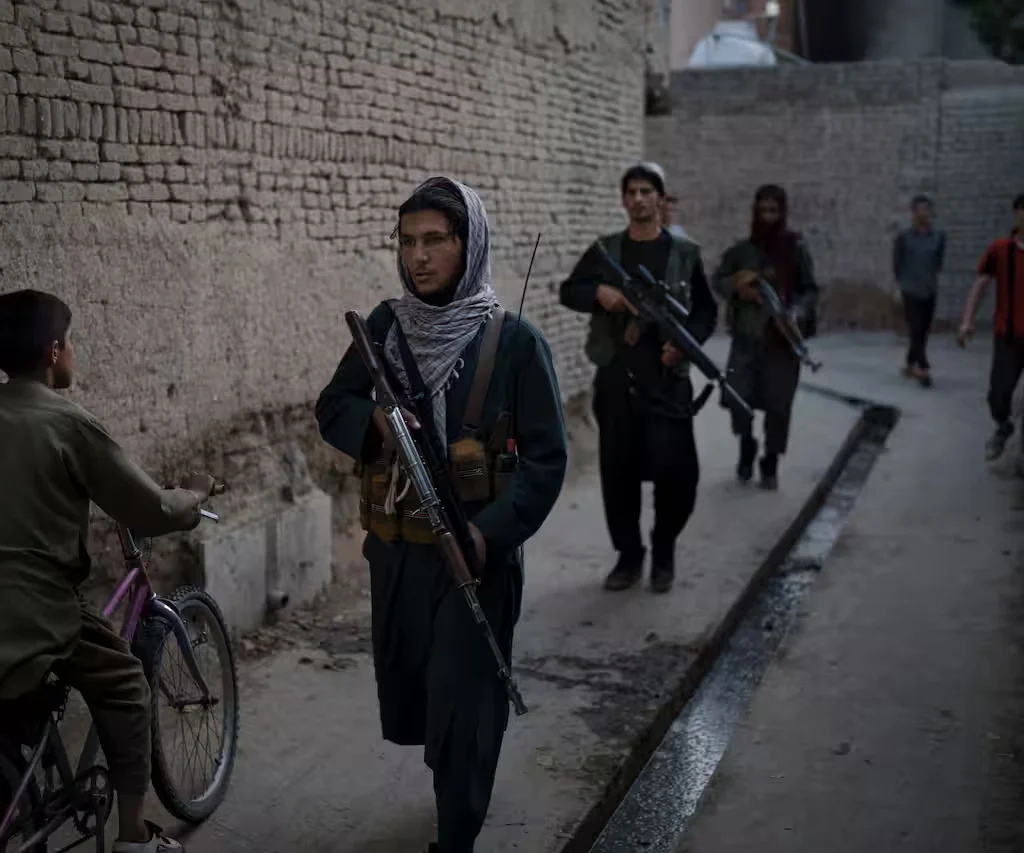
The killing of General Akramuddin Saree in Tehran signals that the Taliban’s campaign against former Afghan officials has gone transnational. It reveals a dark convergence of Taliban intelligence operations and regional transactional politics that sacrifice political exiles for short-term stability.
Dancing on the Heads of Snakes
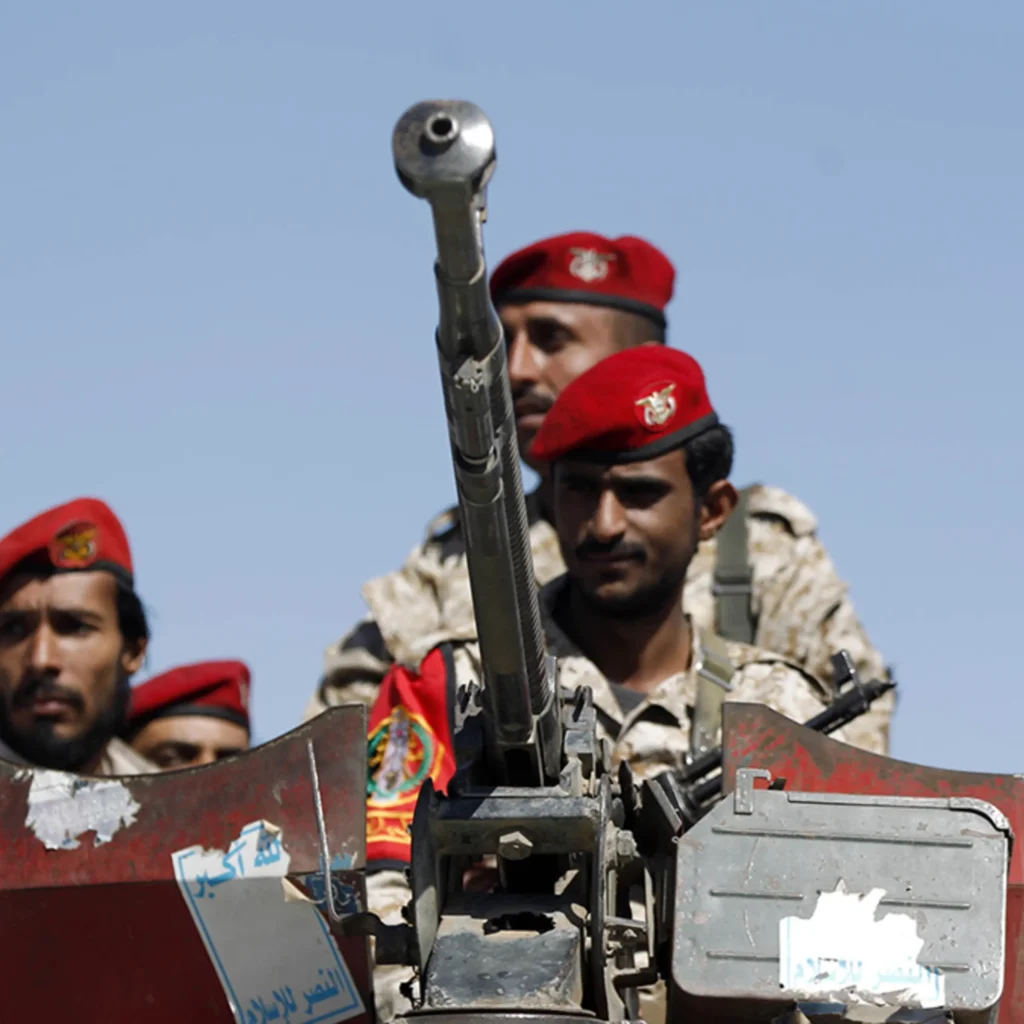
As 2025 ends, Yemen’s anti-Houthi coalition collapses. The Saudi-UAE split leaves rival militias and foreign powers vying for control, deepening the humanitarian crisis.