
Taliban’s Broken Amnesty: A Promise Written in Sand
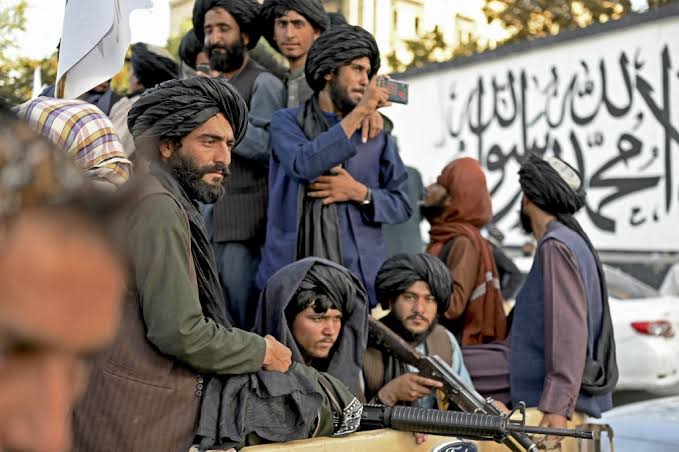
When the Taliban swept back into Kabul in August 2021, one of their earliest and most loudly broadcast assurances was a general amnesty for all former Afghan National Defense and Security Forces personnel. No soldier, police officer, or government official would face reprisal, they declared. It was a message designed as much for international audiences […]
Taliban’s Child Marriage Policies Deepen Afghanistan’s Isolation
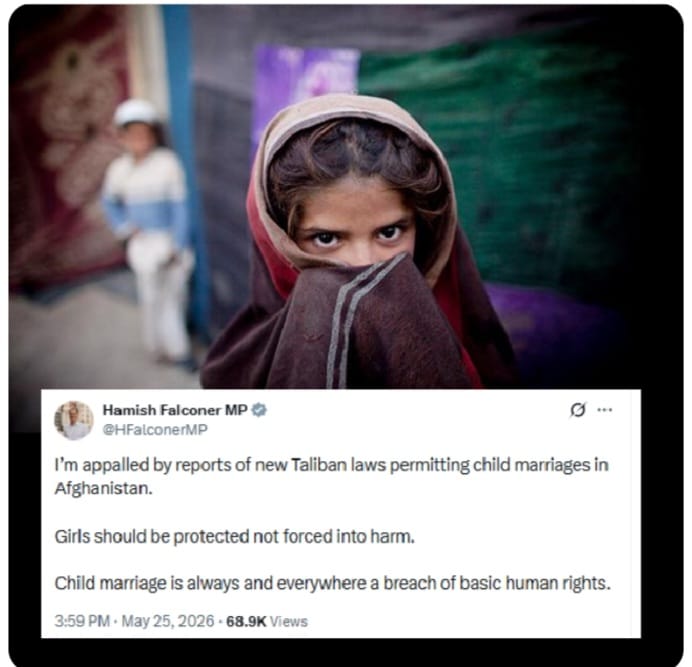
The Taliban’s reported move to formalize or permit child marriages in Afghanistan has triggered strong international condemnation, with British Minister of State Hamish Falconer calling the development “appalling” and describing child marriage as a clear violation of basic human rights. His statement reflects growing global frustration with the Taliban’s continued dismantling of protections for Afghan […]
The Gathering Storm – How Afghanistan’s Terror Ecosystem Threatens Regional Security
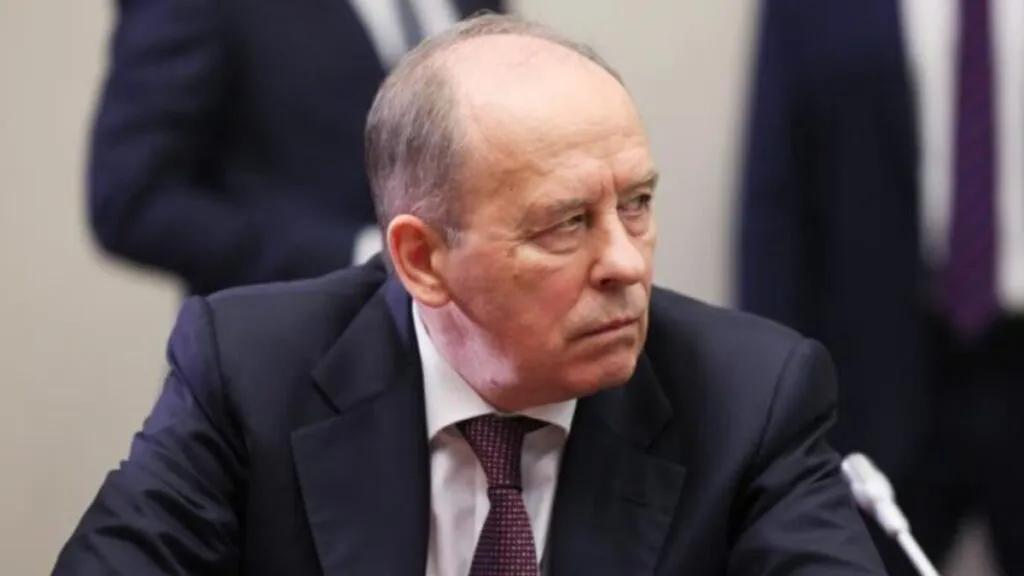
For decades, Pakistan has borne the heaviest brunt of instability in Afghanistan. When the Taliban returned to power in Kabul in August 2021, there was a cautious, perhaps naive, optimism in some regional quarters that a centralized authority would finally put an end to the chaotic safe havens that defined the war-torn nation. Today, those […]
Vanishing Futures: Afghanistan’s Looming Professional Void
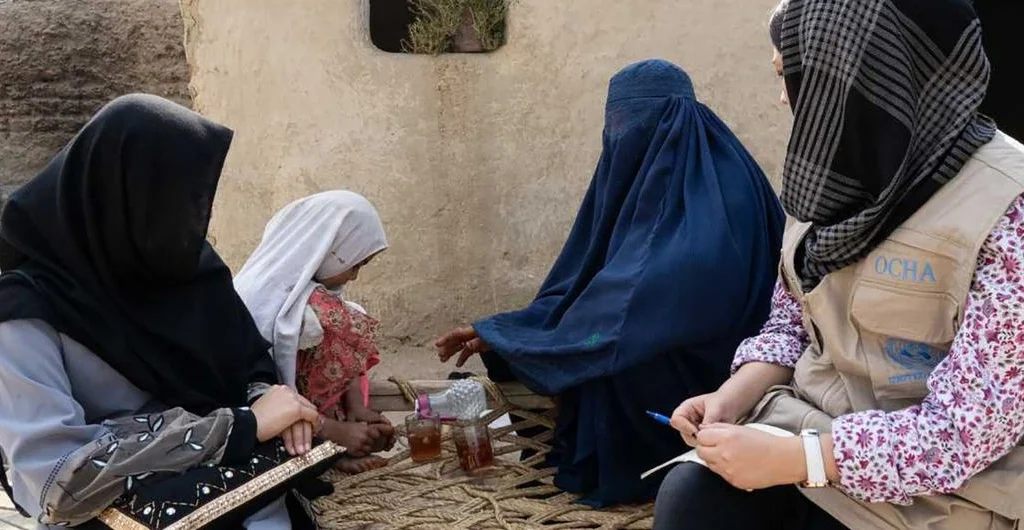
As 25,000 female professionals vanish by 2030, the cost of inaction threatens the country’s health, education, and economic survival.
The Myth of the Disputed Line: Why Afghan Pragmatism is Finally Overturning Populist Rhetoric
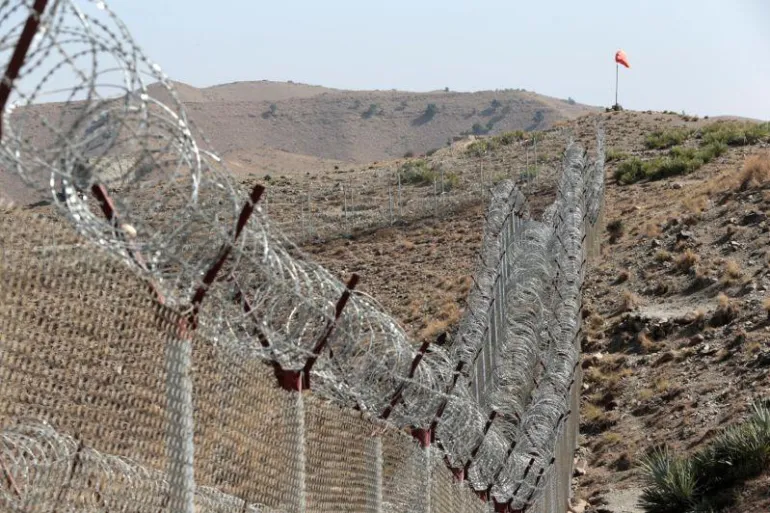
A transformative shift is emerging in Afghan political discourse as leaders like Mohammad Tahir Zuhair and the National Resistance Front (NRF) move toward formal recognition of the Durand Line. By prioritizing “historical realism” over populist rhetoric, these voices suggest that nearly 80% of Afghans seek peace and trade over territorial disputes. This shift offers a rare opportunity to transition Pak-Afghan relations from decades of suspicion to a strategic partnership rooted in internationally recognized boundaries. A transformative shift is emerging in Afghan political discourse as leaders like Mohammad Tahir Zuhair and the National Resistance Front (NRF) move toward formal recognition of the Durand Line. By prioritizing “historical realism” over populist rhetoric, these voices suggest that nearly 80% of Afghans seek peace and trade over territorial disputes. This shift offers a rare opportunity to transition Pak-Afghan relations from decades of suspicion to a strategic partnership rooted in internationally recognized boundaries.
The Question of Pashtun Majority in Afghanistan: Demography, Power, and the Politics of Absence
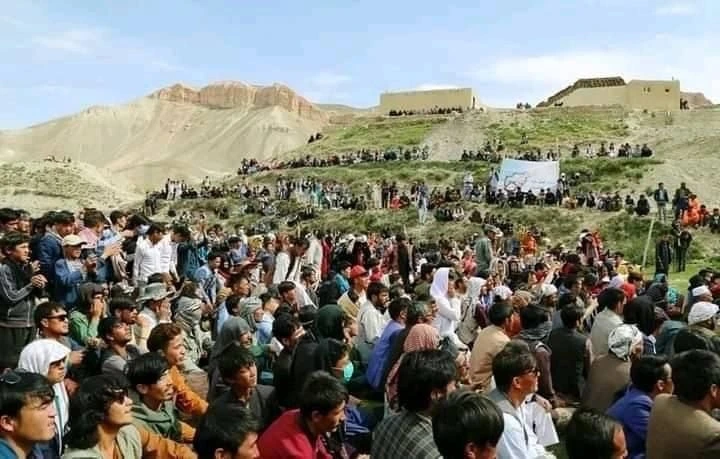
Is the Pashtun majority in Afghanistan real or a political myth? Explore how the absence of a census shapes power, governance, and ethnic tensions.
Zalmay Khalilzad’s Distortion of Pakistan’s Security Realities
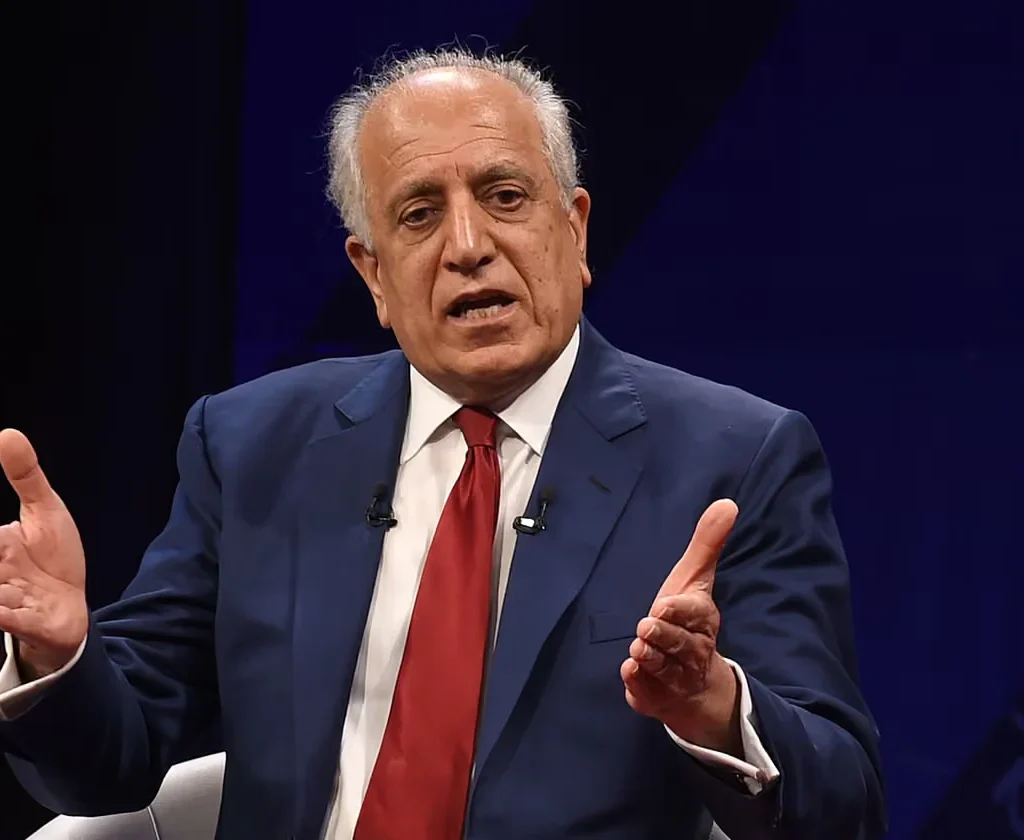
Zalmay Khalilzad’s recent tweets portray Pakistan as collapsing, criticizing counterterrorism operations while ignoring the real drivers of instability in Balochistan: foreign-backed terrorism, criminal networks, and the civilian and security force toll. By conflating state action with militancy, he misrepresents ground realities and obscures the failures of his own Afghan diplomacy. This commentary exposes the gap between his rhetoric and Pakistan’s efforts to maintain law, order, and development under complex security challenges.
Afghanistan’s New Tiered Justice System
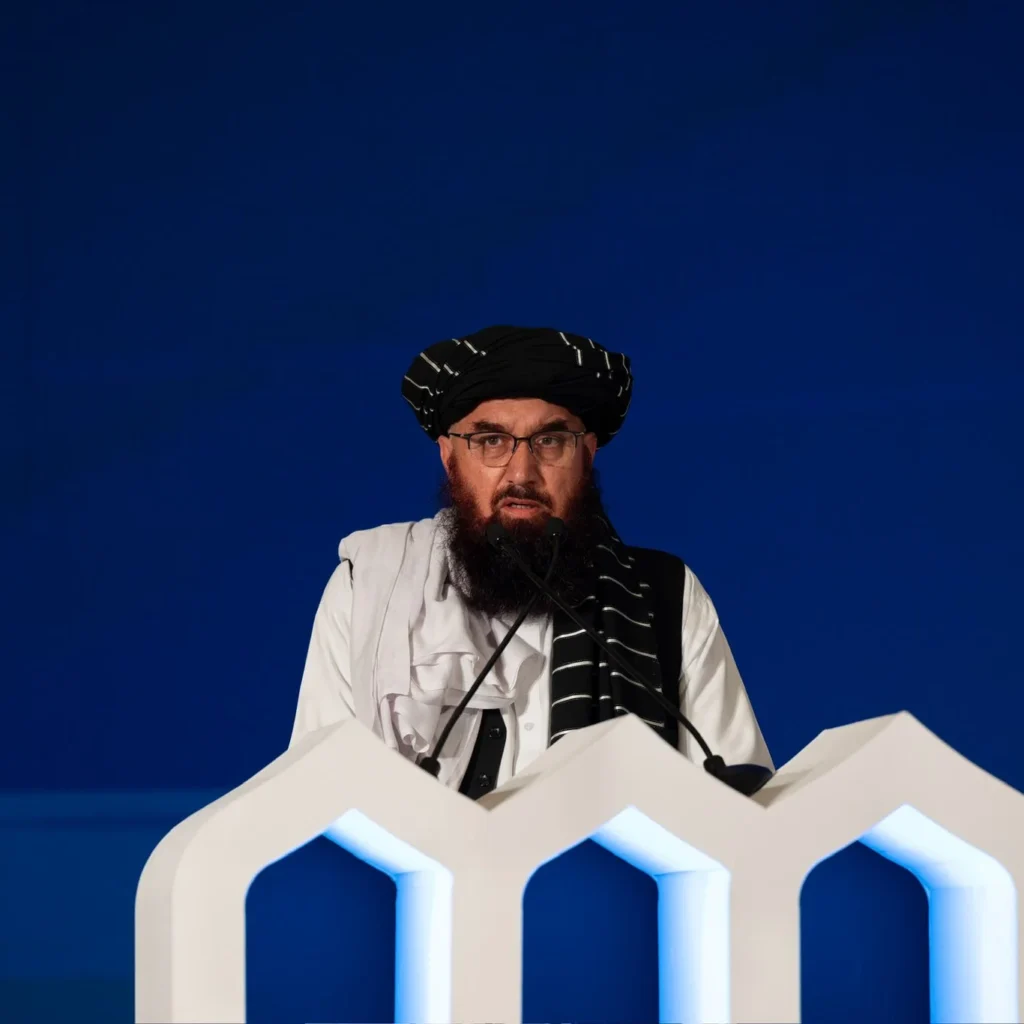
The Taliban’s new Criminal Procedure Code formalizes a four-tiered justice system that shields clerics and elites while subjecting ordinary Afghans to imprisonment and public flogging. By codifying social hierarchy into law, the regime violates international human rights norms and subverts Islam’s foundational promise of equality before the law, turning justice into an instrument of control rather than accountability.
Bagram Airbase, US Aid, and Afghanistan’s Strategic-Humanitarian Dilemma
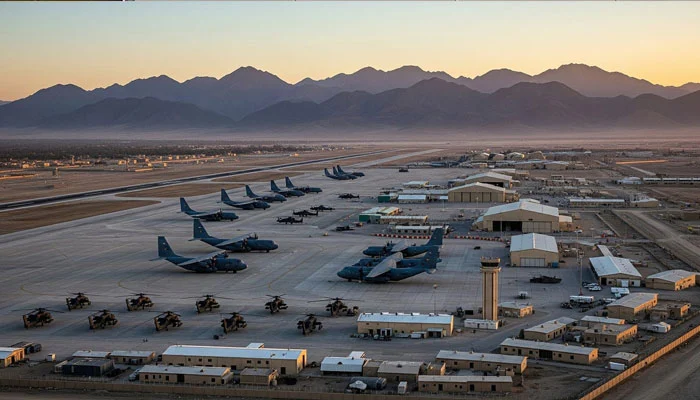
Sources suggest the Taliban has offered immediate access to Bagram Airbase for potential strikes against Iran in exchange for continued U.S. aid. Beyond military leverage, the offer underscores Afghanistan’s acute humanitarian crisis and the Taliban’s reliance on external support, highlighting the complex interplay between strategy, politics, and survival in a fragile state.